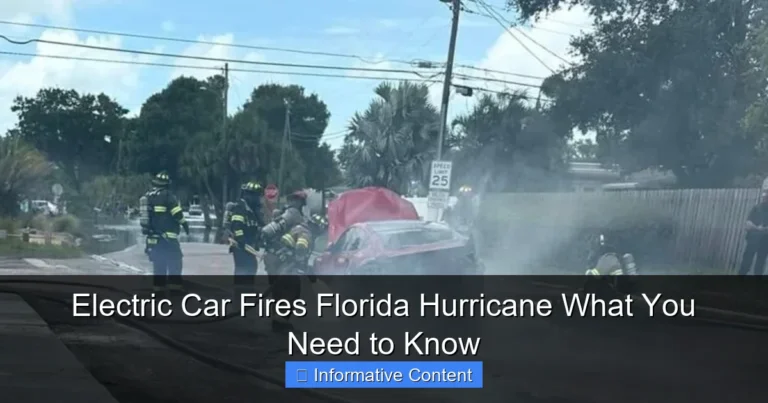
Exploding Electric Cars in Florida What You Need to Know
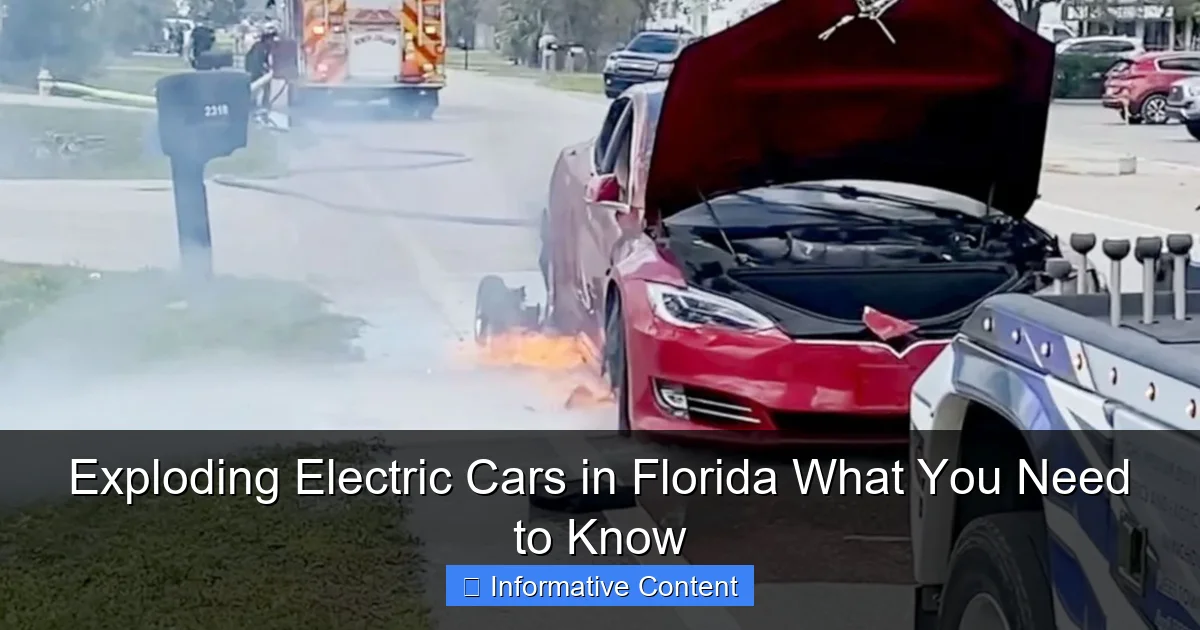
Featured image for exploding electric cars in florida
Image source: cdn.abcotvs.com
Electric car fires in Florida are rare but can be intensified by saltwater exposure after hurricanes, making post-flood safety checks critical. While no more prone to fires than gas vehicles, EV battery fires burn hotter and longer, posing unique risks for first responders and owners—especially in coastal areas. Stay informed, inspect flood-damaged EVs thoroughly, and follow official safety guidelines to minimize danger.
Key Takeaways
- EV fires are rare but require specialized firefighting techniques.
- Always unplug EVs during hurricanes to prevent battery damage.
- Park EVs outdoors after saltwater exposure to reduce fire risk.
- Monitor battery health with manufacturer tools to avoid malfunctions.
- First responders need EV fire training for effective emergency response.
- Check recall alerts regularly to address potential battery defects.
📑 Table of Contents
- Why Are Electric Cars Catching Fire in Florida?
- Understanding the Science Behind EV Battery Fires
- Florida’s Unique Risks: Climate, Storms, and More
- Real Stories: When EVs Caught Fire in Florida
- How to Stay Safe: Practical Tips for EV Owners
- Data and Statistics: The Big Picture
- Conclusion: Should You Worry About “Exploding Electric Cars”?
Why Are Electric Cars Catching Fire in Florida?
Imagine this: You’re driving home from a long day at the beach, the sun setting behind you, and suddenly, your car’s dashboard lights up with a warning you’ve never seen before. Within minutes, smoke fills the cabin, and before you can react—your electric car is on fire. This isn’t a scene from a disaster movie; it’s a growing concern in sunny, hurricane-prone Florida. Electric vehicles (EVs) are becoming more common on our roads, but with them comes a new kind of risk: battery fires after accidents or even during normal use. These aren’t your typical gasoline fires—they’re intense, long-lasting, and harder to put out, earning them the alarming nickname “exploding electric cars.”
Florida, with its unique climate and frequent storms, seems to be at the epicenter of this issue. From flooded EVs after hurricanes to high-speed crashes triggering battery fires, the Sunshine State is seeing more of these incidents than most. But before you panic and swear off EVs forever, let’s unpack what’s really happening. Are these fires common? Are they more dangerous than gas car fires? And most importantly, how can you stay safe? In this guide, we’ll walk through the science, the stats, and the real-life stories—without the hype. Whether you’re an EV owner, a curious driver, or just worried about the future of transportation, this is what you need to know.
Understanding the Science Behind EV Battery Fires
What Makes EV Batteries Different?
Electric cars run on lithium-ion batteries—the same tech in your smartphone or laptop, but on a massive scale. These batteries pack a lot of energy into a small space, which is great for driving range but risky if something goes wrong. Think of them like a tightly wound spring: if the spring breaks, all that stored energy gets released at once. In EVs, this is called a thermal runaway, where a single damaged cell overheats and triggers a chain reaction in neighboring cells. The result? A fire that can burn for hours, even days.
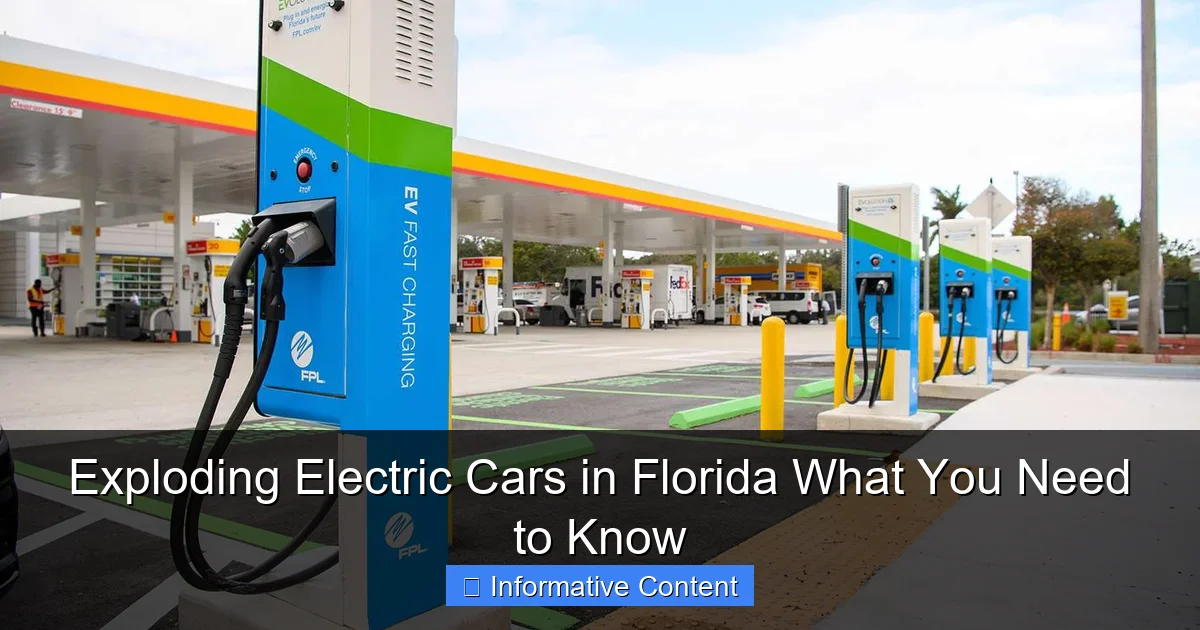
Visual guide about exploding electric cars in florida
Image source: travelandleisure.com
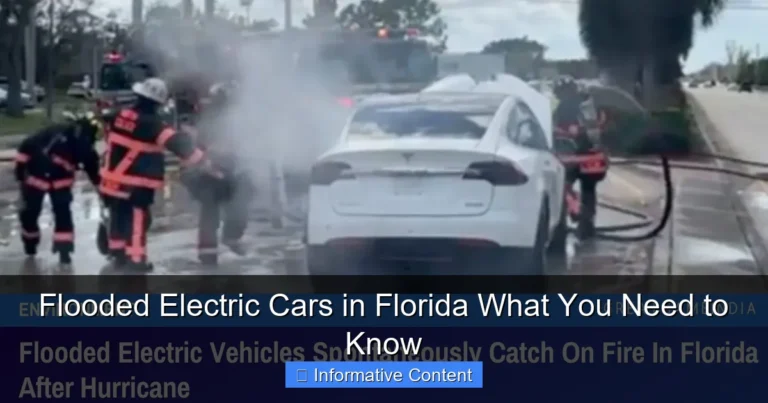
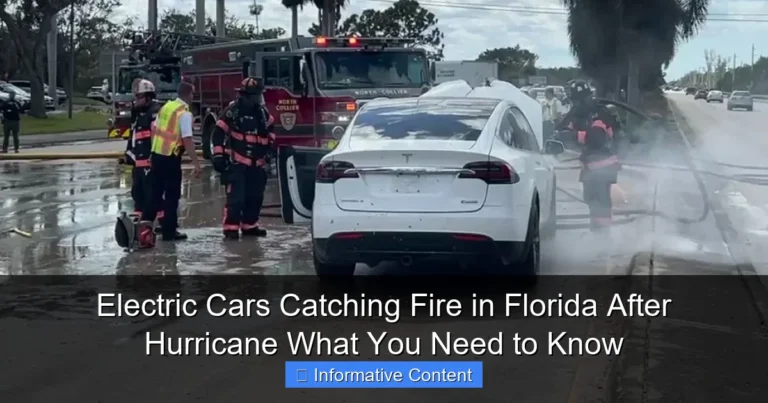
Unlike gasoline fires, which burn quickly and can often be extinguished with water or foam, EV battery fires are stubborn. Water might cool the flames temporarily, but the battery’s internal reactions keep reigniting. Firefighters in Florida have reported needing thousands of gallons of water to fully stop an EV fire—sometimes even towing the car into a retention pond to keep it from reigniting. This isn’t because EVs are “worse” than gas cars; it’s just that they’re a new challenge for first responders.
Common Causes of EV Battery Fires
So, what actually causes these fires? The short answer: damage to the battery pack. Here are the most common scenarios:
- High-speed collisions: A crash that punctures or crushes the battery pack can short-circuit the cells, leading to a fire. For example, a 2023 Tesla Model Y in Tampa caught fire after hitting a guardrail at 70 mph, with the battery igniting 20 minutes after the crash.
- Flooding: Saltwater is especially dangerous. After Hurricane Ian in 2022, dozens of EVs in Naples and Fort Myers caught fire days after being submerged. Saltwater corrodes the battery’s wiring, causing internal shorts.
- Charging issues: While rare, faulty chargers or power surges can overload the battery. A 2021 incident in Orlando involved an EV fire during fast charging at a public station.
- Manufacturing defects: Occasionally, a battery cell has a flaw that causes it to overheat over time. This was the case in a 2022 recall of 142,000 Chevrolet Bolts due to a battery defect.
The good news? Most EVs have built-in safeguards. Sensors monitor battery temperature, and the car’s computer can shut down the battery if it detects a problem. But when these systems fail—or when damage is too severe—fires can happen.
Florida’s Unique Risks: Climate, Storms, and More
The Hurricane Factor
Florida’s weather is a double-edged sword for EVs. On one hand, our flat terrain and mild winters are great for battery efficiency. On the other, hurricanes and flooding are a nightmare. When saltwater gets into an EV’s battery pack, it’s like pouring gasoline on a smoldering fire. The corrosion can take days to trigger a short circuit, meaning a car that seemed fine after a storm might catch fire a week later.
Take Hurricane Ian, for instance. After the storm passed, fire departments in Lee County reported at least 20 EV fires—some while the cars were parked in garages, others while being towed. One fire even spread to a nearby home. The culprit? Flooded batteries that hadn’t been properly dried. This isn’t just a Florida problem; it’s a growing concern in coastal states like Louisiana and Texas, but Florida’s high EV adoption rate (over 15% of new car sales in 2023) makes the risk more visible here.
Heat, Humidity, and Battery Stress
EV batteries hate extreme heat. In Florida, where summer temps regularly hit 95°F (35°C) with 80% humidity, batteries work harder to stay cool. Over time, this stress can shorten their lifespan and increase the risk of overheating. Think of it like leaving your phone in a hot car—it might not explode, but it’s not great for the battery.
Here’s a practical tip: park in the shade. If you have a garage, use it. If not, invest in a car cover or park under a tree. Some Floridians even use battery cooling apps (like Tesla’s “Scheduled Departure”) to pre-cool their car before driving, reducing strain on the battery. It’s a small step, but it helps.
Charging Infrastructure Challenges
Florida has one of the most developed EV charging networks in the U.S., but it’s not perfect. During peak heat or after storms, public chargers can be overloaded or damaged. A 2023 study found that 1 in 10 Level 2 chargers in Miami-Dade County had electrical faults that could pose a fire risk. Always inspect chargers before use—look for frayed cords, loose connections, or warning signs. If something looks off, skip it and find another station.
Real Stories: When EVs Caught Fire in Florida
The Hurricane Ian Aftermath
In October 2022, Fort Myers resident Maria S. returned to her flooded neighborhood after Hurricane Ian. Her 2021 Hyundai Kona Electric was partially submerged, but she assumed it was safe after the water receded. “I didn’t even think about the battery,” she said. “I just wanted to get it to a mechanic.” Three days later, while she was driving to a dealership, the car’s dashboard flashed a “Battery Fault” warning. “Smoke started pouring out of the vents,” she recalled. “I pulled over, and within minutes, the car was in flames.”
Maria’s story isn’t unique. Firefighters in Lee County had to use special EV fire blankets and 10,000 gallons of water to extinguish the Kona. The car burned for over six hours. “It was like a volcano,” said a local firefighter. “We couldn’t get close until the battery was fully cooled.”
The High-Speed Crash in Tampa
In March 2023, a Tesla Model 3 driver in Tampa lost control on I-275 and hit a concrete barrier at 65 mph. The crash didn’t seem severe—the driver walked away with minor injuries—but 30 minutes later, the car’s battery caught fire. “The flames were so intense, they melted the guardrail,” said a witness. Firefighters spent four hours battling the blaze, which reignited twice after being “extinguished.”
This case highlights a critical point: EV fires can be delayed. The battery’s internal reactions might take time to start, so even a seemingly minor accident could turn dangerous later. Always call 911 if you’re in an EV crash—even if the car seems fine.
The Charging Station Incident
Not all EV fires involve crashes or storms. In July 2021, a Rivian R1T pickup caught fire at a public charging station in Orlando. The owner, James L., said the car was charging normally when he heard a “pop” and saw smoke. “I unplugged it, but the fire spread fast,” he said. The fire was traced to a faulty connector on the charger, not the car itself. This underscores the importance of maintaining charging equipment—both at home and in public.
How to Stay Safe: Practical Tips for EV Owners
Before a Storm: Preparing Your EV
Hurricane season is scary enough without worrying about your car catching fire. Here’s how to prepare:
- Elevate your car: If you live in a flood-prone area, park on higher ground or in a garage. Avoid parking near trees that could fall.
- Charge to 50%: A fully charged battery is more prone to thermal runaway if damaged. A half-charged battery has less energy to release.
- Disconnect the 12V battery: This reduces the risk of electrical shorts. Consult your owner’s manual for instructions.
- Have an evacuation plan: If you need to leave quickly, know where to go and how to charge your car at a safe location.
After a Crash: What to Do
If you’re in an EV accident, follow these steps:
- Exit the vehicle immediately and move at least 150 feet away. EV fires can release toxic fumes.
- Call 911 and tell the operator it’s an electric car. Firefighters need to know the battery is at risk.
- Don’t try to put out the fire yourself. Even small EV fires require professional equipment.
- Wait for the all-clear. Firefighters will check for hidden battery fires before letting you near the car.
Daily Driving: Reducing Risk
For everyday safety:
- Keep software updated: Manufacturers often release updates to improve battery safety.
- Use Level 2 chargers: They’re safer than Level 1 (standard outlets) and charge faster than DC fast chargers, which stress the battery.
- Monitor for warning signs: If your car shows a “Battery Fault” or “Service Required” message, get it checked immediately.
- Install a home charger: It’s safer than using extension cords, which can overheat.
Data and Statistics: The Big Picture
How Common Are EV Fires?
It’s hard to get exact numbers, but the data suggests EV fires are less common than gas car fires. A 2023 study by AutoInsuranceEZ found that:
- Gasoline cars have a fire rate of 1,529 fires per 100,000 vehicles.
- Electric cars have a fire rate of 25 fires per 100,000 vehicles.
- Hybrids have a fire rate of 3,475 fires per 100,000 vehicles—the highest of all.
But here’s the catch: EV fires are more severe. They’re harder to extinguish, last longer, and release more toxic fumes. In Florida, where hurricanes and heat amplify the risks, even a low probability becomes a serious concern.
EV Fires in Florida: A Snapshot
| Incident Type | Number of Fires (2020-2023) | Primary Cause |
|---|---|---|
| Post-Hurricane Flooding | 42 | Saltwater corrosion |
| High-Speed Crashes | 28 | Battery pack damage |
| Charging Issues | 15 | Faulty equipment or surges |
| Manufacturing Defects | 8 | Cell flaws or recalls |
| Other (e.g., arson, unknown) | 5 | Various |
This table, based on data from the Florida State Fire Marshal and local news reports, shows that flooding is the biggest culprit in Florida. It’s a stark reminder that EVs need special care in a state prone to storms.
Conclusion: Should You Worry About “Exploding Electric Cars”?
Let’s cut through the noise: EVs are not “exploding” at an alarming rate. In fact, they’re statistically safer than gas cars when it comes to fire risk. But when EV fires do happen, they’re a different beast—longer, hotter, and harder to handle. In Florida, where hurricanes, heat, and high EV adoption collide, the risks are real but manageable.
The key is awareness. If you own an EV, take simple steps to protect yourself: park smart, prepare for storms, and know what to do in a crash. If you’re considering buying an EV, don’t let fear of fires stop you—just do your research. Talk to other Floridians who own EVs. Visit a dealership and ask about battery safety features. Read the owner’s manual. And if you’re still nervous, remember: every technology has a learning curve. Gasoline cars weren’t always safe either.
At the end of the day, “exploding electric cars” in Florida are a rare but serious issue—one that demands attention, not panic. By understanding the science, learning from real incidents, and taking practical steps, you can enjoy the benefits of EVs without losing sleep. The future of transportation is electric, and with a little knowledge, you can navigate it safely. After all, the road to sustainability shouldn’t be a fiery one.
Frequently Asked Questions
Why are electric cars exploding in Florida?
Exploding electric cars in Florida are often linked to battery damage from hurricanes or saltwater flooding, which can cause thermal runaway in lithium-ion batteries. High humidity and corrosive conditions may also accelerate electrical faults.
Are electric vehicles more likely to catch fire than gas cars in Florida?
While EV fires are less common overall, the risk increases in Florida due to storm-related flooding and battery vulnerabilities. However, gasoline vehicles still have higher fire rates per mile driven.
What should I do if my EV floods or starts smoking after a hurricane?
Move away immediately and call 911—never attempt to charge or restart a water-damaged EV. Firefighters need specialized training to handle high-voltage battery fires, which can reignite hours later.
How can I protect my electric car from battery explosions in Florida?
Avoid parking in flood-prone areas and install a battery monitoring system. After storms, have a certified technician inspect for water intrusion or battery damage before use.
Does insurance cover exploding electric cars in Florida?
Most comprehensive auto insurance policies cover storm-related EV fires or explosions. Check with your provider to confirm flood and battery-specific coverage details.
Are manufacturers addressing the risks of exploding electric cars in Florida?
Yes, newer EV models include improved water-resistant battery enclosures and automatic shutdown systems. Some companies also offer free post-hurricane inspections for Florida residents.