Florida Condo Electric Car Charging Guide for Owners and Renters
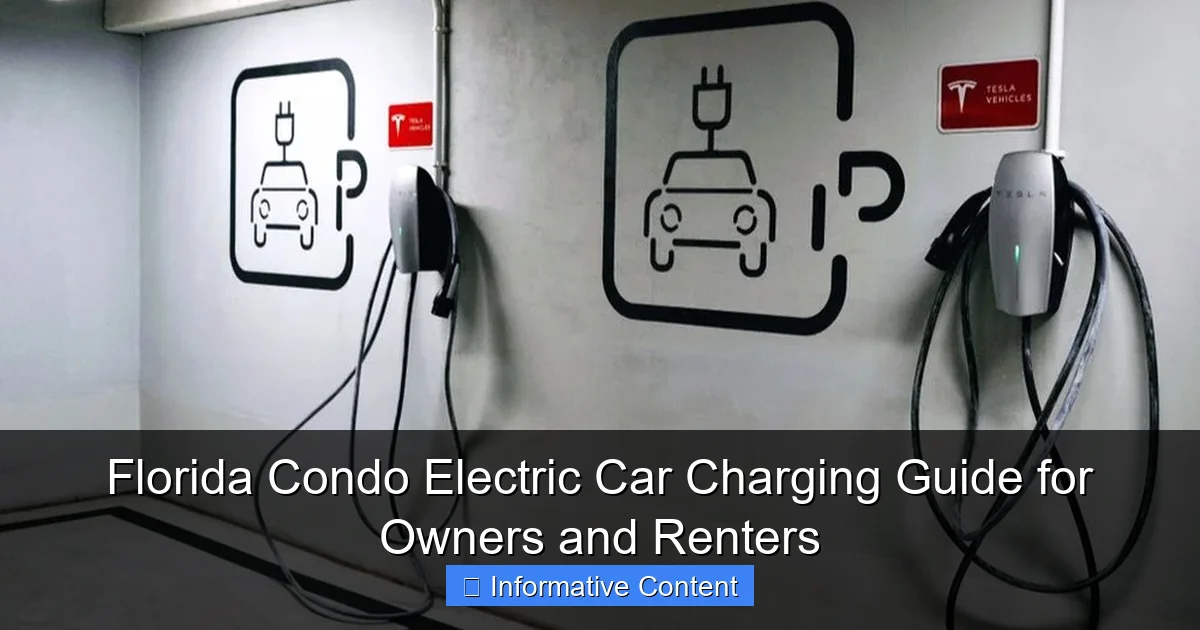
Featured image for florida condo electric car charging
Image source: electriccarspedia.com
Florida condo owners and renters can install EV chargers thanks to recent state laws protecting charging rights. Whether you own or rent, this guide breaks down the legal process, costs, and best practices for setting up electric car charging at your Florida condo—from HOA approvals to choosing the right equipment and accessing local incentives. Get charged up the smart, compliant way.
Key Takeaways
- Review condo rules first: Check HOA policies before installing a charger.
- Know your rights: Florida law protects EV charger installations in condos.
- Choose Level 2: Opt for 240V chargers to balance speed and cost.
- Split costs smartly: Propose shared charging stations to lower expenses.
- Renters need approval: Always get written consent from your landlord.
- Use public chargers: Locate nearby stations as a backup option.
📑 Table of Contents
- The Sunshine State Goes Electric: Why Florida Condo Charging Matters
- Understanding Florida’s Condo Charging Landscape
- For Condo Owners: How to Get Your Charger Installed
- For Renters: Navigating Charging Without Ownership
- Choosing the Right Charger for Your Condo
- Costs, Incentives, and Long-Term Considerations
- Building Community Support for Condo Charging
- Your Charging Solution is Out There
The Sunshine State Goes Electric: Why Florida Condo Charging Matters
Picture this: You’re driving your brand new electric car down the A1A, windows down, ocean breeze in your hair. The sun is shining, the waves are crashing, and you’re feeling good about reducing your carbon footprint. But then reality hits – you’re pulling into your condo parking lot, and the sinking feeling sets in. Where do you charge this thing?
Welcome to the world of Florida condo electric car charging, where paradise meets practicality. As more Floridians make the switch to EVs (over 85,000 registered as of 2023!), condo owners and renters are facing a new challenge: how to power their vehicles without the convenience of a single-family home’s garage. It’s a problem that’s becoming more common every day, and the good news is – solutions exist. The bad news? They often require patience, communication, and a bit of persistence.
Understanding Florida’s Condo Charging Landscape
The Unique Challenges of Condo Living
Unlike suburban homes with private driveways, condos present special hurdles for EV owners. Shared parking spaces, complex ownership structures, and building regulations can make installing charging stations feel like navigating a maze. But don’t worry – we’ve been there, and we can help.
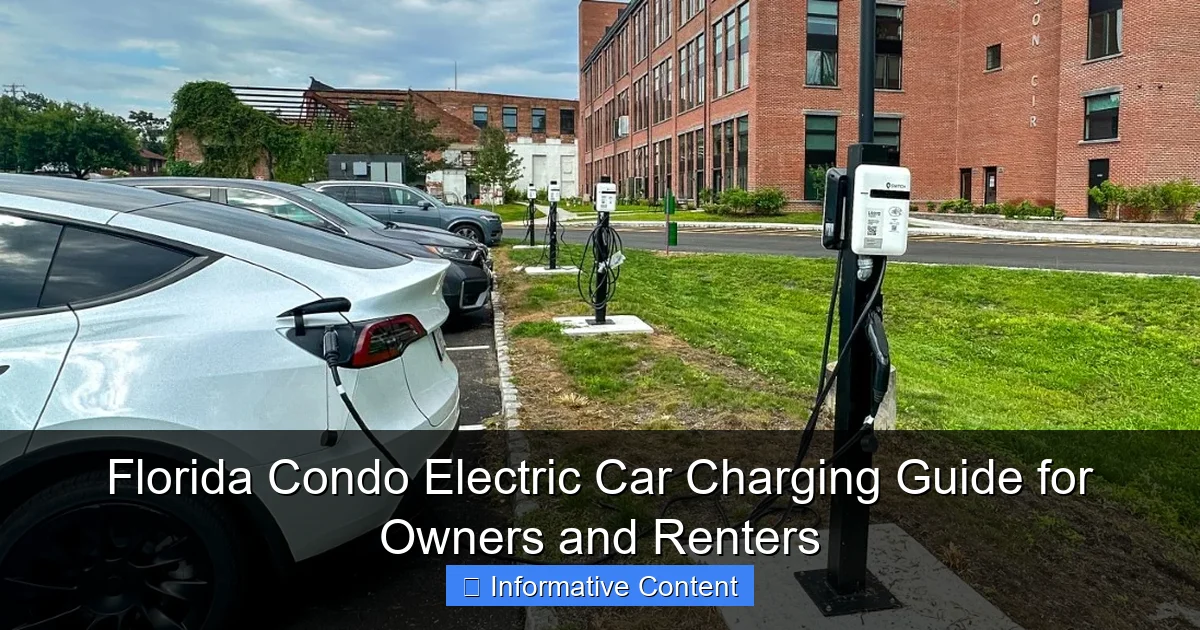
Visual guide about florida condo electric car charging
Image source: swtchenergy.com
Let’s break down the main issues:
- Shared infrastructure: Parking spots aren’t always assigned, making it tough to guarantee access to a charger.
- HOA/condo board approval: Even if you want to install a charger, you might need permission from multiple parties.
- Electrical capacity: Older buildings might need upgrades to handle multiple charging stations.
- Cost allocation: Who pays for installation and electricity? This is often the trickiest part.
Florida’s Helpful Laws and Incentives
Good news – Florida actually has some strong laws protecting your right to charge! In 2021, the state passed Florida Statute 718.113(8), which says condo associations can’t unreasonably prohibit or restrict EV charging installations. This means if you want to add a charger, the board can’t just say “no” without a valid reason.
Some key points from the law:
- You can install a charger in your assigned parking space
- The association can’t require you to pay for common area modifications unless they’re necessary
- They can’t make you pay a fee just for the right to install (though you do pay for actual installation)
- They can require you to use a licensed electrician and follow certain procedures
Plus, there are federal and local incentives available. The federal tax credit covers 30% of installation costs up to $1,000 for home chargers. Some Florida utilities like FPL and TECO also offer rebates – we’ll talk more about that later.
Real-World Example: Miami Condo Success Story
Take Maria from South Beach. She bought an EV and immediately faced resistance from her condo board about installing a charger. Instead of giving up, she:
- Researched the Florida law and presented it at a board meeting
- Got quotes from three licensed electricians
- Offered to pay for the installation herself and cover her share of electricity
- Suggested starting with just one charger as a pilot program
The board agreed, and now Maria has a Level 2 charger. Her building is even considering adding more spots after seeing how smoothly it works. The lesson? Knowledge and preparation are your best tools.
For Condo Owners: How to Get Your Charger Installed
Step 1: Know Your Parking Situation
Before you do anything, understand your parking rights. Are you assigned a specific spot? Is it deeded or just “exclusive use”? These details matter because the law protects your right to install in assigned spaces.
Pro tip: If you have an assigned spot, get written confirmation from the condo association. If you share parking, you’ll need to work out a schedule with neighbors or propose a shared charging solution to the board.
Step 2: Gather Your Documents and Quotes
You’ll need:
- Written request to the board (mention Florida Statute 718.113(8))
- Quotes from 2-3 licensed electricians
- Diagrams showing where you want to install
- Information about the charger model (we recommend Level 2 for condos)
- Proposed electrical usage agreement
When getting quotes, ask electricians about:
- Whether your building’s electrical panel can handle the load
- If you need a dedicated circuit (usually 40-50 amps for Level 2)
- Estimated installation time (usually 1-3 days)
- Any necessary permits
Step 3: Present to the Board (The Right Way)
Don’t just drop a request in the mail and wait. Schedule a time to present your case at a board meeting. Bring:
- A short presentation (5-10 minutes)
- Printed copies of all documents
- Information about EV trends in Florida (show it’s not just a trend)
- Examples of other condo buildings that have installed chargers
Be prepared to answer questions about:
- Who pays for electricity (offer to cover your share)
- How you’ll handle maintenance
- What happens if you move out (you can remove the charger)
- Whether other owners can use it (this can be a selling point)
Step 4: Installation and Beyond
Once approved, work closely with your electrician and the building manager. Good practices:
- Install a submeter so you pay only for your electricity usage
- Use a Wi-Fi enabled charger (like ChargePoint or JuiceBox) for monitoring
- Add signage to prevent ICEing (when gas cars park in charging spots)
- Consider a charging schedule to avoid overloading circuits
After installation, document everything. Take photos and keep copies of all agreements. This helps if there are future disputes or if other owners want to install chargers.
For Renters: Navigating Charging Without Ownership
Talking to Your Landlord (Yes, It’s Possible!)
Renters often assume they’re out of luck when it comes to Florida condo electric car charging, but that’s not always true. Many landlords are willing to accommodate EV charging, especially if you frame it as a property improvement.
When approaching your landlord:
- Emphasize the growing demand for EV-ready rentals
- Offer to pay the installation cost or split it
- Suggest a trial period (e.g., 3-6 months)
- Propose using a portable Level 1 charger as a starting point
Example: James in Fort Lauderdale rented a condo and negotiated with his landlord to install a charger. He paid for the hardware and installation, but the landlord agreed to cover the electrical upgrades to the building. James now pays a slightly higher rent that includes his electricity usage. It was a win-win – James got charging access, and the landlord increased the property’s value.
Alternative Charging Solutions for Renters
If your landlord says no (or you’re waiting for approval), don’t despair. Here are some workarounds:
Portable Level 1 Chargers
Most EVs come with a basic Level 1 charger that plugs into a standard outlet. It’s slow (about 3-5 miles of range per hour), but it works. Just be sure to:
- Use a dedicated circuit (don’t overload the outlet)
- Get permission to run an extension cord (if needed)
- Charge overnight when electricity rates are lower
Public Charging Networks
Florida has over 1,500 public charging stations, and many are in convenient locations:
- Shopping malls (like Sawgrass Mills or Dolphin Mall)
- Parking garages (Miami, Orlando, and Tampa all have city-operated chargers)
- Gas stations (many now have EV charging alongside pumps)
- Restaurants and hotels (some offer free charging to customers)
Use apps like PlugShare or ChargeHub to find nearby stations. Many offer real-time availability and user reviews.
Community Charging Programs
Some neighborhoods and condo associations are experimenting with shared charging stations. These might be:
- Rotating access (you get the charger for a few hours at a time)
- Pay-per-use (similar to public chargers but in your building)
- Membership-based (monthly fee for priority access)
Ask your property manager if they’re considering this. If not, suggest it as an option for all residents.
Choosing the Right Charger for Your Condo
Level 1 vs. Level 2: What’s the Difference?
Understanding charger levels is crucial for Florida condo electric car charging. Here’s the quick breakdown:
| Charger Type | Voltage | Range Added per Hour | Best For |
|---|---|---|---|
| Level 1 | 120V (standard outlet) | 3-5 miles | Occasional use, renters, backup option |
| Level 2 | 240V (dryer-style outlet) | 12-25 miles | Daily charging, owners, primary solution |
For condos, Level 2 is almost always the better choice because:
- Most EVs can get a full charge overnight (8-12 hours)
- It’s more convenient than relying on public chargers
- The investment pays off faster if you drive regularly
Popular Charger Models for Condos
Not all chargers are created equal. Here are some top options for condo living:
ChargePoint Home Flex
- Wi-Fi enabled for remote monitoring
- Adjustable amperage (16-50A) to fit your circuit
- Works with all EVs (Tesla needs adapter)
- Good for shared spaces (multiple users can create accounts)
JuiceBox 40
- Compact design fits tight spaces
- Scheduling feature to avoid peak electricity rates
- Energy tracking shows your usage
- Great customer support
Tesla Wall Connector
- Super fast charging for Tesla owners
- Sleek, low-profile design
- Can be used by other EVs with adapter
- Integrates with Tesla app
Installation Tips for Condo Settings
Installing in a condo has unique considerations:
- Mounting: Use a wall mount if you have a garage or covered spot. For outdoor areas, consider a pedestal mount with weatherproofing.
- Cable management: Use retractable cable reels or hooks to keep cords tidy and prevent tripping hazards.
- Signage: Add “EV Charging Only” signs to prevent ICEing.
- Accessibility: Follow ADA guidelines if the charger is in a common area.
Pro tip: If multiple owners want chargers, consider a “charging station” approach with 2-4 units grouped together. This can be more cost-effective and easier to manage than scattered individual units.
Costs, Incentives, and Long-Term Considerations
Breaking Down the Expenses
The cost of Florida condo electric car charging varies widely depending on your situation. Here’s what to expect:
- Charger unit: $500-$700 for a quality Level 2 charger
- Installation: $500-$2,000+ depending on electrical work needed
- Permits: Usually $50-$200
- Monthly electricity: $30-$80 depending on usage and rates
For shared installations (multiple owners), costs can be split. Some buildings set up a special assessment or include the cost in monthly fees.
Maximizing Incentives and Rebates
Don’t leave money on the table! Here are the main incentives available in Florida:
| Program | Amount | Eligibility |
|---|---|---|
| Federal Tax Credit | 30% up to $1,000 | Homeowners, landlords |
| FPL EVolution Rebate | Up to $500 | FPL customers |
| TECO EV Rebate | Up to $250 | TECO customers |
| Orlando Utility Rebate | Up to $200 | Orlando residents |
To apply, you’ll usually need:
- Proof of purchase and installation
- Electrician’s certification
- Photos of the installed charger
- Completed application form
Long-Term Maintenance and Upgrades
Charging stations aren’t “set it and forget it.” Consider these long-term factors:
- Warranties: Most chargers have 3-5 year warranties. Keep your receipt!
- Software updates: Wi-Fi enabled models may need occasional updates
- Cleaning: Wipe down the charger regularly to prevent dust buildup
- Electrical load: As more owners install chargers, monitor the building’s overall usage
Future-proofing tip: When installing, consider adding extra conduit or electrical capacity for future upgrades. It’s much cheaper to do this during the initial installation than to retrofit later.
Building Community Support for Condo Charging
Creating an EV-Friendly Culture
Getting one charger is a start, but the real goal is creating a building where EV ownership is easy and accepted. Here’s how to build momentum:
Start an EV Owner’s Group
Connect with other EV owners in your building. You can:
- Share tips and resources
- Coordinate charging schedules
- Present a unified front to the board for future installations
- Organize educational events about EVs
Educate Your Neighbors
Many people resist EV charging because they don’t understand it. Host a casual meetup or send an email explaining:
- How charging works (it’s not like gas pumps!)
- The benefits for the building (increased property value, sustainability)
- How to prevent conflicts (signage, scheduling)
Dealing with Challenges and Conflicts
Not everyone will be on board. Common objections and how to address them:
“It’s too expensive for the association.”
Response: “We can start with one charger as a pilot. Many owners will pay for installation themselves, and there are rebates available. Plus, it increases property value.”
“What if the charger breaks?”
Response: “Most have multi-year warranties, and we can set up a maintenance fund. It’s no different than maintaining other building equipment.”
“I don’t want to pay for someone else’s electricity.”
Response: “We can install submeters so each user pays their own usage. Many public chargers work this way successfully.”
Looking Ahead: The Future of Condo Charging in Florida
The EV revolution isn’t slowing down. In fact, Florida is becoming a national leader in EV adoption, with over 20% growth year-over-year. This means:
- More demand for condo charging solutions
- Better technology (faster, smarter chargers)
- More utility and government support
- Increasing property values for EV-ready buildings
By getting involved now, you’re not just solving your own charging needs – you’re helping shape the future of sustainable living in your community.
Your Charging Solution is Out There
Whether you’re an owner pushing for your first charger or a renter exploring alternatives, the key is to start the conversation. The tools, laws, and technology are all in place for Florida condo electric car charging to work – it just takes some persistence and creativity.
Remember Maria from South Beach? Her one charger has sparked a building-wide discussion about sustainability. James the renter? His landlord is now marketing the EV charging as a premium amenity. And the best part? Every successful installation makes the next one easier.
Florida’s sunshine isn’t just great for beaches – it’s perfect for powering the electric vehicles of the future. With the right approach, your condo can be part of that future, too. So grab your charger, gather your documents, and let’s get charging!
The road ahead might have a few bumps (we won’t pretend it’s always easy), but the destination – a convenient, sustainable way to power your EV – is absolutely worth it. And who knows? You might just find that the journey of advocating for charging rights connects you with neighbors and creates a stronger, more forward-thinking community in the process.
Frequently Asked Questions
Can I install an electric car charger in my Florida condo?
Yes, but you’ll need approval from your condo association and must comply with Florida’s condo electric car charging laws. Work with a licensed electrician to ensure your installation meets state and local building codes.
What are the rules for Florida condo electric car charging?
Florida law (Statute 718.113) prohibits condo associations from banning EV charging stations, but they can set reasonable restrictions. These may include requiring professional installation, liability insurance, and adherence to designated parking areas.
Who pays for electricity when renters use EV chargers in a condo?
Unless the condo association covers utility costs, the renter or owner using the charger is typically responsible. Submetering or shared cost agreements should be clearly outlined in the rental or lease agreement.
How much does it cost to install an EV charger in a Florida condo?
Costs range from $500–$2,500 depending on wiring complexity, charger type, and labor. Many Florida utility companies offer rebates to offset the cost of condo electric car charging station installations.
Can my condo association charge me extra for installing an EV charger?
They cannot charge arbitrary fees, but they may require you to cover direct costs like electrical upgrades or inspections. Florida law limits financial penalties to actual expenses tied to the installation.
Are there public EV charging options for Florida condo dwellers without private chargers?
Yes, Florida has a growing network of public chargers, including Level 2 and fast-charging stations in shopping centers, parking garages, and highways. Apps like PlugShare can help locate nearby options if your condo lacks infrastructure.