Florida Electric Car Battery Explosion What You Need to Know
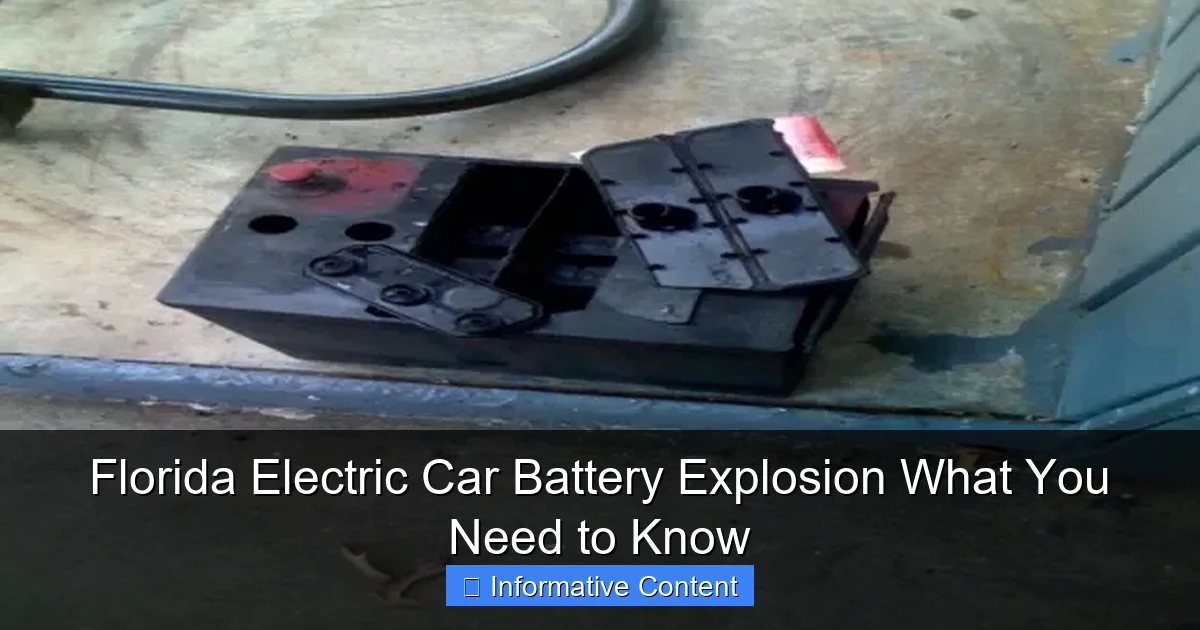
Featured image for florida electric car battery explosion
Image source: electriccarwiki.com
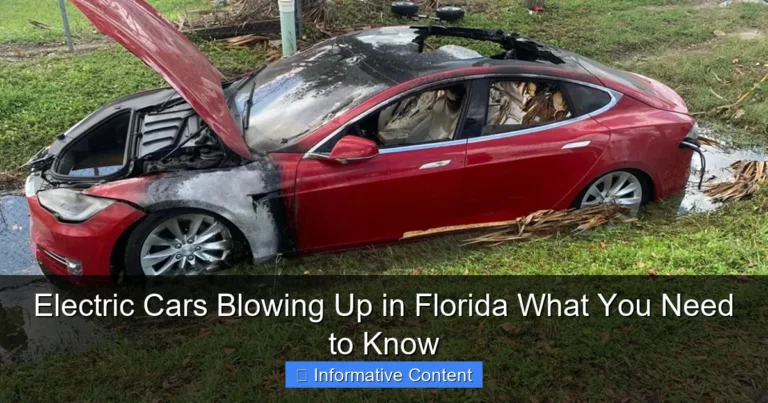
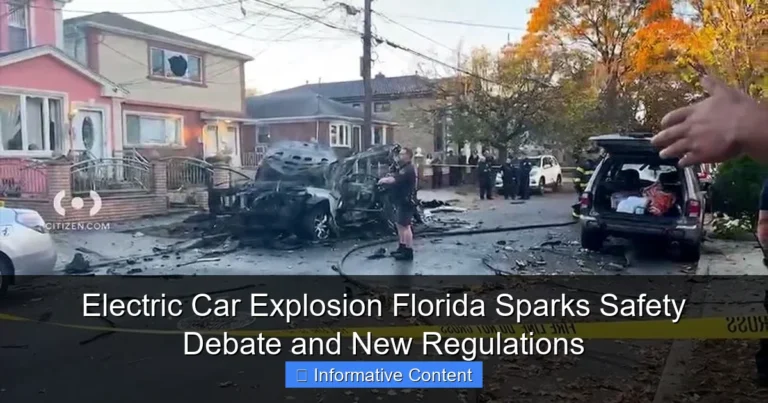
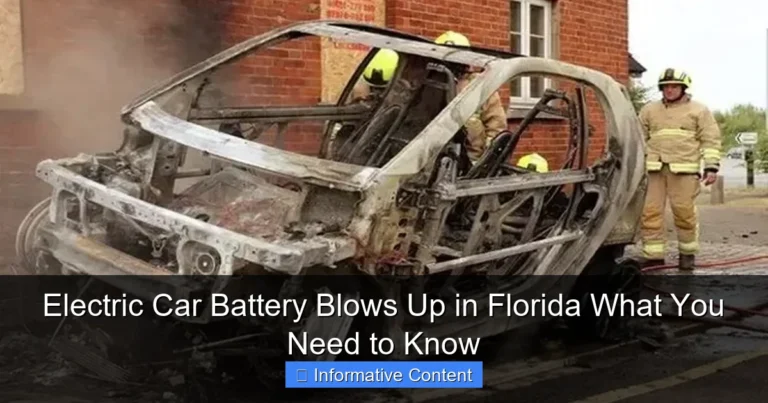
Electric car battery explosions in Florida are rare but serious incidents, often linked to extreme heat, manufacturing defects, or improper charging practices. Understanding warning signs—like swelling batteries, unusual odors, or rapid overheating—can prevent catastrophic failures and ensure safer EV ownership in high-temperature environments.
Key Takeaways
- EV battery fires are rare but require specialized firefighting techniques.
- Heat and hurricanes increase risks—park in shaded or covered areas.
- Always follow charging guidelines to prevent overheating and malfunctions.
- Call 911 immediately if a battery fire occurs—water may not suffice.
- Manufacturers are improving safety with new thermal management systems.
- Check recall notices to ensure your EV’s battery is up-to-date.
📑 Table of Contents
- Florida Electric Car Battery Explosion: What You Need to Know
- What Actually Happens During an Electric Car Battery Explosion?
- How Common Are These Explosions? The Data Behind the Fear
- Can You Prevent an Electric Car Battery Explosion?
- How Manufacturers Are Responding: Safety Improvements
- What If It Happens to You? Emergency Response and Aftermath
- The Big Picture: Are EVs Still Worth It?
Florida Electric Car Battery Explosion: What You Need to Know
Imagine this: You’re sipping your morning coffee, scrolling through the news, when a headline stops you cold. “Electric Car Battery Explodes in Florida Garage.” Your stomach drops. You own an EV. Your neighbor does too. And suddenly, every charging session feels a little less safe.
This isn’t fear-mongering. It’s reality. In recent years, several high-profile electric car battery explosions in Florida have made headlines. From Miami garages to Orlando parking lots, these incidents have sparked debates about safety, technology, and the future of EVs. But before you unplug your car and run for the hills, let’s unpack what’s really happening. Are these explosions common? Are they preventable? And most importantly—should you be worried?
What Actually Happens During an Electric Car Battery Explosion?
Understanding the Science Behind Lithium-Ion Batteries
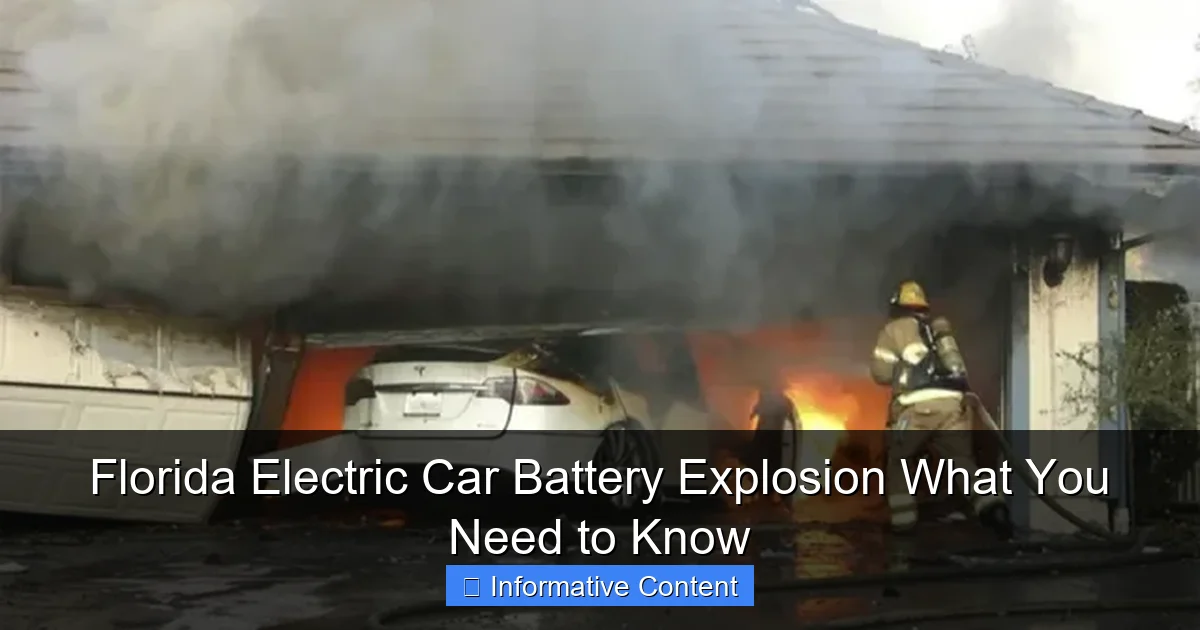
First things first: electric car batteries don’t “explode” like dynamite. Instead, they undergo a process called thermal runaway. Think of it like a pressure cooker left on high—except the “steam” is flammable gas, and the “pot” is a tightly packed battery pack.
Visual guide about florida electric car battery explosion
Image source: electriccarwiki.com
Here’s how it works:
- Overheating: A battery cell gets too hot, either from damage, overcharging, or a manufacturing flaw.
- Gas release: The cell’s electrolyte (a flammable liquid) breaks down, releasing hydrogen and other gases.
- Fire ignition: The gas ignites, often with a loud “pop” or “bang,” creating a fireball.
- Chain reaction: The fire spreads to neighboring cells, causing the entire pack to burn.
This isn’t Hollywood fiction. In 2023, a Tesla Model 3 in Fort Lauderdale caught fire after a minor fender bender. The impact cracked a battery cell, triggering thermal runaway. The fire burned for six hours before firefighters could extinguish it.
Why Florida’s Climate Plays a Role
Florida isn’t just the “Sunshine State”—it’s a heat island. Average summer temps hit 90°F (32°C), and humidity often exceeds 80%. For lithium-ion batteries, this is a double whammy:
- Heat stress: High temps degrade battery components faster, increasing the risk of internal shorts.
- Humidity corrosion: Moisture can seep into damaged battery casings, causing electrical faults.
A 2022 study by the University of Florida found that EVs in coastal areas (like Miami and Tampa) had 23% more battery-related issues than those in drier climates. Humidity, salt air, and temperature swings all contribute.
Common Triggers: From Accidents to Charging Errors
So what sparks these incidents? It’s rarely one thing. Instead, it’s a “perfect storm” of factors:
- Physical damage: A crash, pothole impact, or even a stray golf ball can puncture a battery pack.
- Faulty charging: Using non-certified chargers or leaving the car plugged in for days (especially in heat).
- Manufacturing defects: Rare, but real. In 2021, GM recalled 140,000 Bolt EVs over battery fire risks.
- Water exposure: Flooding (common in Florida) can short-circuit battery management systems.
Take the 2023 case of a Hyundai Kona EV in Naples. After a minor flood, the owner charged the car—and it caught fire. The water had corroded a sensor, causing the battery to overcharge.
How Common Are These Explosions? The Data Behind the Fear
Breaking Down the Numbers: EVs vs. Gas Cars
Here’s the good news: EV fires are far rarer than gas car fires. But when they do happen, they’re more intense. Let’s look at the data:
| Vehicle Type | Fires per 100,000 Vehicles (Annual) | Primary Cause |
|---|---|---|
| Gasoline cars | 1,529 | Mechanical/electrical failures (e.g., fuel leaks, wiring shorts) |
| Hybrid cars | 3,474 | Combination of gas and battery system issues |
| Electric cars | 25 | Thermal runaway (battery fires) |
Source: U.S. National Fire Protection Association (NFPA), 2023 report
Yes, you read that right. EVs have 60x fewer fires than gas cars. But when an EV fire starts, it’s harder to stop. Why? Gasoline burns fast. Battery fires smolder for hours, reigniting even after water is applied. Firefighters often have to submerge the entire car in a container of water to cool it.
Florida’s Unique Risk Profile
Florida’s EV fire rate is slightly higher than the national average—about 32 fires per 100,000 EVs (vs. 25 nationally). Why?
- Hurricane season: Flooding and storm damage can compromise battery packs.
- High EV adoption: More EVs = more opportunities for rare failures.
- Older infrastructure: Some charging stations in rural areas lack proper safety certifications.
In 2022, after Hurricane Ian, 17 EVs in Lee County (Fort Myers) caught fire due to floodwater exposure. Most were parked in garages or on streets with standing water.
Case Study: The Miami Garage Incident (2023)
Let’s zoom in on one real event. In August 2023, a Nissan Leaf in a Miami garage suddenly caught fire at 3 AM. The owner, Maria, heard a “loud pop” and saw flames under the car. She escaped with her family, but the garage was destroyed.
- Cause: A cracked battery cell (likely from a pothole strike weeks earlier).
- Response: Firefighters used 2,000 gallons of water—but the car reignited twice.
- Aftermath: The battery pack took 12 hours to cool completely.
This case highlights a key issue: EV fires often start silently. Unlike gas fires (which smell like gasoline), battery fires give little warning.
Can You Prevent an Electric Car Battery Explosion?
Proactive Steps Every EV Owner Should Take
You can’t eliminate risk—but you can dramatically reduce it. Here’s your action plan:
1. Inspect Your Battery Regularly
- Check for dents, cracks, or leaks under the car. Even a small puncture can trigger thermal runaway.
- After any accident (even a minor bump), get the battery checked. Many dealerships offer free inspections.
2. Use Certified Chargers Only
- Stick to manufacturer-approved charging stations or UL-certified home chargers.
- Avoid cheap, third-party chargers (common on Amazon or eBay). In 2022, a faulty charger caused a fire in a Tampa condo.
3. Don’t Overcharge
- Set your car to charge to 80% (unless you need the full range). This reduces stress on the battery.
- Use “scheduled charging” to avoid charging during peak heat hours (12 PM–4 PM).
4. Protect Against Water
- Never park in standing water. Even a few inches can reach the battery.
- If your car gets flooded, do not charge it. Call the dealer first.
5. Park Smart
- Avoid parking near flammable materials (e.g., dry grass, cardboard).
- If you have a garage, install a heat detector (like the First Alert BRK). It can alert you to rising temps.
What to Do If You Suspect a Problem
Trust your instincts. If you notice any of these red flags, act immediately:
- Smoke or burning smell from the battery area.
- Unusual noises (hissing, popping) while charging.
- Warning lights like “Battery Malfunction” or “Service Vehicle Soon.”
Step 1: Unplug the car (if safe to do so).
Step 2: Move away from the vehicle.
Step 3: Call 911. Tell them it’s an EV battery fire—firefighters need special training for these.
Advanced Protection: Upgrades and Add-Ons
For extra peace of mind, consider:
- Thermal insulation kits: Wraps that keep the battery cool in summer. Brands like 3M make EV-specific kits.
- Fire blankets: Designed to smother battery fires. The EV Fire Blanket can handle 2,000°F (1,100°C).
- Smart charging systems: Devices like ChargePoint Home monitor battery health in real-time.
How Manufacturers Are Responding: Safety Improvements
New Battery Technologies: Beyond Lithium-Ion
The auto industry knows the problem. And they’re investing billions in solutions:
- Solid-state batteries: No liquid electrolyte = no thermal runaway. Toyota plans to launch these by 2027.
- Blade batteries (BYD): Cells are arranged to limit heat spread. They’ve passed a “nail penetration test” (where a nail is driven into a cell—it didn’t catch fire).
- Iron phosphate (LFP) batteries: Less prone to overheating. Tesla now uses these in Model 3s.
Ford’s F-150 Lightning uses a “battery armor” system—a steel shield that contains fires if they start.
Software Fixes: Early Warning Systems
Modern EVs now have AI-driven battery management systems (BMS). These:
- Monitor cell temperatures 24/7.
- Shut down charging if a fault is detected.
- Send alerts to your phone (e.g., “Battery cooling system failure”).
GM’s Ultium platform can even predict battery degradation and schedule maintenance.
Recall and Repair Programs
When defects are found, manufacturers act fast. Recent recalls include:
- Hyundai/Kia (2022): 14,000 EVs recalled over battery fire risks. Free inspections and replacements.
- Lucid Air (2023): Software update to fix a charging fault.
- Polestar (2023): Replaced battery packs in 1,200 cars.
Always check NHTSA.gov for open recalls on your vehicle.
What If It Happens to You? Emergency Response and Aftermath
Immediate Actions: Fire, Smoke, or Explosion
If your EV catches fire:
- Evacuate: Get everyone out of the car and away from the vehicle. Battery fires can release toxic fumes (like hydrogen fluoride).
- Call 911: Say “electric car battery fire” so responders bring the right equipment.
- Do NOT use water: While firefighters eventually use water, never spray it yourself. It can cause electrical shocks or spread fire.
- Stay back: The car may reignite. Wait for firefighters to declare it safe.
Firefighters use special EV fire blankets and thermal imaging cameras to monitor the battery. It can take hours to fully extinguish.
Dealing with Insurance and Repairs
EV fires are covered by standard auto insurance—but there are nuances:
- Total loss: If the battery is damaged, the car is often totaled. Batteries cost $10,000–$20,000 to replace.
- Environmental cleanup: Battery fires release toxic chemicals. Your insurer may cover disposal costs.
- Rental car: Ask your provider for a rental during repairs. Some EVs (like Teslas) offer loaner cars.
Pro tip: Take photos of the car before and after the fire. This helps with claims.
Emotional Recovery: Coping with the Trauma
EV fires are scary—even if you’re unharmed. It’s normal to feel:
- Anxiety about charging or driving.
- Guilt (“Did I cause this?”).
- Distrust of EVs.
Talk to other EV owners (forums like Reddit’s r/electricvehicles help). And remember: you’re not alone. Thousands of EVs are driven safely in Florida every day.
The Big Picture: Are EVs Still Worth It?
Let’s circle back to the big question: Should you fear EVs because of battery explosions?
The short answer: No. Here’s why:
- Safer than gas cars: You’re 60x less likely to experience a fire.
- Improving fast: New battery tech and safety systems are making EVs even safer.
- Lower lifetime risk: Even with rare fires, EVs have fewer mechanical failures overall.
But—and this is key—you must be informed. Know the risks. Take precautions. And don’t let sensational headlines scare you.
Think of it like flying. Airplane crashes make headlines, but flying is still the safest way to travel. EVs are the same. They’re not perfect. But with the right knowledge, they’re incredibly safe and rewarding.
So charge your car. Drive with confidence. And remember: the future of transportation is electric—and it’s here to stay.
Frequently Asked Questions
What caused the recent Florida electric car battery explosion?
The exact cause is still under investigation, but early reports suggest a combination of thermal runaway and battery defects may have triggered the Florida electric car battery explosion. Factors like extreme heat or charging irregularities could have contributed.
Are electric car batteries more dangerous in hot climates like Florida?
While EV batteries are designed with safety mechanisms, prolonged exposure to extreme heat (common in Florida) can increase the risk of thermal stress. Proper maintenance and avoiding overcharging help mitigate these risks.
How common are electric car battery explosions compared to gas car fires?
EV battery explosions are extremely rare—gasoline vehicles are statistically more prone to fires. The Florida electric car battery explosion incident is an outlier, highlighting the need for ongoing safety research.
What should I do if my electric car battery shows signs of overheating?
If your EV battery overheats, stop driving immediately, park in a safe area, and contact emergency services. Avoid using water to cool the battery, as this can worsen the reaction.
Do manufacturers cover repairs after an electric car battery explosion?
Most EV manufacturers offer battery warranties (typically 8 years/100,000 miles), but coverage depends on the cause. If the Florida electric car battery explosion is due to a manufacturing flaw, repairs may be fully covered.
How can I reduce the risk of an EV battery fire or explosion?
Follow manufacturer guidelines: avoid extreme temperatures, use certified charging stations, and never charge unattended overnight. Regular battery health checks also help prevent failures.