Florida Electric Cars The Sunshine States Top Picks for 2024
Featured image for florida electric cars
Image source: thumbs.dreamstime.com
Florida’s 2024 electric car market shines with top-tier models offering unmatched range, performance, and incentives. From the best-selling Tesla Model Y to the budget-friendly Chevrolet Bolt EV, the Sunshine State’s EV lineup caters to every driver, backed by expanding charging networks and tax credits. Whether you’re cruising Miami’s coast or tackling I-4 traffic, these Florida electric cars deliver efficiency without compromise.
Key Takeaways
- Florida’s EV incentives can save you thousands—check state and federal tax credits.
- Sun-powered charging is ideal; pair your EV with solar panels for maximum savings.
- Top 2024 models include Tesla Model Y, Ford Mustang Mach-E, and Hyundai Ioniq 5.
- Expanding charging network makes road trips easy—use apps to locate fast chargers.
- Heat impacts battery life—park in shade and pre-cool your EV when possible.
- HOA restrictions can’t block home EV charger installations—know your legal rights.
📑 Table of Contents
- Why Florida Is the Perfect Place for Electric Cars
- What Makes Florida Ideal for Electric Cars?
- Top 5 Florida-Friendly Electric Cars for 2024
- Charging Your EV in Florida: What You Need to Know
- How Florida’s Climate Affects Your EV
- Florida Electric Car Ownership: Costs, Savings, and Tips
- The Road Ahead: Florida’s Electric Future
Why Florida Is the Perfect Place for Electric Cars
Picture this: You’re cruising down I-95 with the windows down, the warm breeze brushing your face, and the sun shining overhead—no engine noise, no gas smell, just the smooth hum of an electric motor. That’s the magic of driving an electric car in Florida. With over 230 sunny days a year, the Sunshine State isn’t just great for beach days; it’s also a haven for Florida electric cars. Whether you’re a Miami city dweller or a laid-back Sarasota retiree, EVs make sense here—both for your wallet and the planet.
Florida’s flat terrain, well-maintained highways, and growing network of charging stations make it an ideal playground for electric vehicles. Plus, with rising gas prices and increasing climate awareness, more Floridians are asking: “Is now the time to go electric?” The answer is a resounding yes. In this guide, we’ll explore the top EVs for 2024 tailored to Florida’s unique lifestyle, climate, and driving needs. From budget-friendly hatchbacks to luxury cruisers, we’ve got you covered—no hype, just honest insights.
What Makes Florida Ideal for Electric Cars?
Sunshine and Solar: Powering Your Ride for Less
Let’s talk about the obvious: Florida is the state for solar power. With abundant sunshine, homeowners can install rooftop solar panels and charge their EVs for nearly free. Imagine pulling into your driveway, plugging in, and knowing your car’s “tank” was filled by the sun—no gas station, no emissions. In cities like Orlando and Tampa, solar adoption is rising fast, and utility companies like Florida Power & Light (FPL) even offer solar subscription programs for renters or those with shaded roofs.

Visual guide about florida electric cars
Image source: upload.wikimedia.org
Tip: Check FPL’s “SolarNow” program. For as little as $10/month, you can support community solar and get bill credits—great if you can’t install panels yourself.
Flat Roads, Long Range: No Mountain Strain
Unlike Colorado or California, Florida’s flat landscape means your EV doesn’t waste energy climbing hills. This translates to better real-world range than advertised. For example, a Tesla Model Y rated for 330 miles might easily hit 300+ miles on a single charge during a Miami-to-Naples trip—something you’d struggle with in hilly regions.
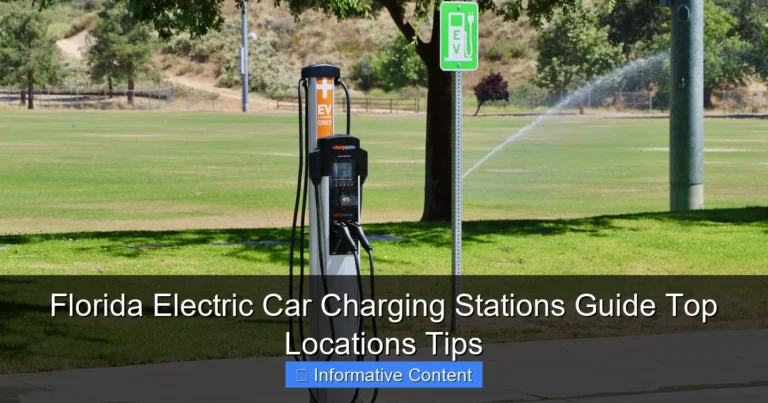
Pro tip: Use apps like PlugShare or ChargeHub to map out charging stations along your route. Florida has over 2,500 public chargers, and most highways have Level 2 or DC fast chargers at rest stops.
State Incentives and Charging Infrastructure
While Florida doesn’t offer state tax credits for EVs (yet), it’s investing heavily in infrastructure. The state received $198 million from the federal NEVI program to build a coast-to-coast fast-charging network. By 2025, you’ll find DC fast chargers every 50 miles on major interstates like I-75, I-95, and I-10.
- Municipal incentives: Cities like Miami and St. Petersburg offer free or reduced-rate parking for EVs.
- HOV lane access: Florida allows EV owners to use carpool lanes solo—a big perk in rush-hour traffic.
- Utility rebates: Some providers offer discounts on home charger installations.
Top 5 Florida-Friendly Electric Cars for 2024
Budget Pick: Chevrolet Bolt EV/EUV (Starting at $26,500)
The Bolt is a Florida favorite—and for good reason. It’s affordable, efficient, and compact enough to zip through Miami’s narrow streets. The 2024 model gets a 259-mile range (247 miles for the EUV SUV version), perfect for daily commutes or weekend beach trips.
Why it works in Florida:
- Compact size: Easy to park in crowded areas like South Beach or downtown Tampa.
- Low cost: One of the cheapest EVs with a 200+ mile range.
- Heat-friendly: The Bolt’s heat pump (new for 2024) keeps cabin temps comfortable without draining the battery.
Downside: The interior feels a bit basic, and charging speed is limited to 55 kW—slower than newer rivals. But for the price? It’s a steal.
Family SUV: Tesla Model Y (Starting at $42,990)
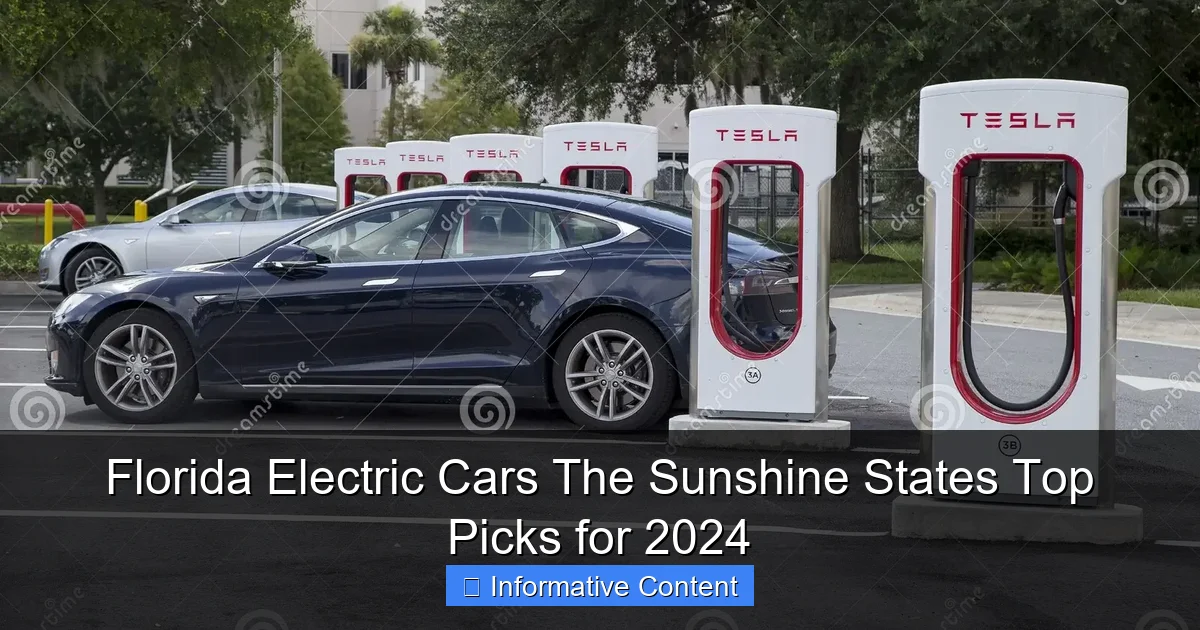
The Model Y is Florida’s best-selling EV for a reason. With 330 miles of range, room for seven (with optional third row), and access to Tesla’s Supercharger network, it’s a no-brainer for families or road-trippers.
Florida perks:
- Superchargers: Florida has over 100 Supercharger stations—more than any other state. Need a 15-minute charge during a Disney trip? No problem.
- Autopilot: Helps reduce fatigue on long drives like Orlando to Key West.
- Over-the-air updates: Keeps your car “new” with software improvements.
Consider this: The Model Y’s ride is stiff, which can be jarring on rough roads (common in rural areas). Test drive it first!
Luxury Cruiser: Lucid Air (Starting at $77,400)
If you’re splurging, the Lucid Air is Florida’s answer to a Rolls-Royce. With up to 516 miles of range (the most of any EV!), a whisper-quiet cabin, and a 34-inch glass cockpit, it’s pure indulgence.
Why it shines in Florida:
- Range: Drive from Miami to Tallahassee (480 miles) without charging.
- Heat management: The Air’s advanced thermal system keeps the battery cool in 90°F heat—critical for battery health.
- Style: Heads will turn at Boca Raton’s country clubs.
Reality check: The price tag is steep, and service centers are scarce. But if you want to make a statement, this is it.
Adventure Ready: Ford F-150 Lightning (Starting at $54,995)
Yes, Florida has trucks! The F-150 Lightning is a game-changer for boat owners, contractors, or anyone who needs towing power. With 240–320 miles of range (depending on battery) and 10,000 lbs of towing capacity, it’s ready for the Keys or the Panhandle.
Florida perks:
- “Pro Power Onboard”: Turn your truck into a mobile generator—perfect for tailgating at a Gators game or powering tools at a job site.
- All-wheel drive: Handles wet roads during hurricane season.
- Ford’s charging network: Includes access to Tesla Superchargers (via adapter).
Note: The Lightning’s size makes it less ideal for city driving. But if you need a workhorse, it’s unmatched.
City Commuter: Mini Cooper SE (Starting at $30,900)
For urbanites in Miami, St. Pete, or Jacksonville, the Mini Cooper SE is a joy. With 114 miles of range, it’s not for long trips—but it’s perfect for errands, beach days, or zipping between downtown hotspots.
Why Floridians love it:
- Compact: Fits in tiny parking spots (a lifesaver in South Beach).
- Fun to drive: Feels like a go-kart on sunny days.
- Low operating cost: Charges overnight on a Level 2 home charger.
Limitation: Range anxiety is real if you’re planning a road trip. But for city living? It’s a blast.
Charging Your EV in Florida: What You Need to Know
Home Charging: The Best (and Cheapest) Option
Over 80% of EV charging happens at home—and in Florida, it’s a breeze. A Level 2 charger (240V) costs $500–$1,000 to install but charges most cars overnight. For example, the Bolt EV goes from 0% to 80% in about 8 hours.
Cost comparison:
- Home charging: ~$0.10–$0.15 per kWh (about $12 for a full charge of a 75 kWh battery).
- Public charging: $0.30–$0.40 per kWh at Level 2; $0.50–$0.60 per kWh at DC fast chargers.
Tip: Charge during off-peak hours (10 p.m.–6 a.m.) to save even more. Some utilities offer time-of-use plans with lower rates at night.
Public Charging: Fast, Convenient, but Plan Ahead
Florida’s public charging network is growing fast, but it’s not perfect. Here’s what to expect:
- Level 2 chargers: Found at malls, hotels, and parking garages. Great for topping up while shopping or dining.
- DC fast chargers: Located at rest areas, gas stations, and shopping centers. Add 150–200 miles in 20–30 minutes.
Common pain points:
- Chargers in tourist areas (e.g., Disney, Universal) can be crowded on weekends.
- Some rural areas still lack fast charging (e.g., parts of the Panhandle).
- Not all networks accept credit cards—download apps like ChargePoint, Electrify America, or Tesla (for non-Teslas).
Pro tip: Use PlugShare to filter for “free” or “verified working” chargers. And always carry a backup charging cable!
Hurricane Season: Charging During Emergencies
Florida’s storm season (June–November) adds a unique challenge. If the power goes out, your EV’s range becomes critical. Here’s how to prepare:
- Keep your battery at 50–80% during storm season (don’t charge to 100% unless needed).
- Identify backup charging locations (e.g., hotels, malls with generators).
- Consider a portable solar charger (like the Goal Zero Yeti) for emergencies.
Real story: A Miami friend kept his Tesla charged during Hurricane Ian using a neighbor’s generator—saving him from a 3-hour evacuation traffic jam.
How Florida’s Climate Affects Your EV
Heat and Humidity: The Double-Edged Sword
Florida’s heat is great for solar but hard on EV batteries. Here’s what happens:
- Range loss: AC use can reduce range by 15–30% in summer. A Model Y might get 230 miles instead of 330.
- Battery degradation: Prolonged exposure to 100°F+ temps can shorten battery life. Park in shade or use a sunshade.
- Fast charging speed: Hot batteries charge slower. Try to charge in the morning or evening.
Solutions:
- Precondition your car: Use the app to cool it down while still plugged in (uses grid power, not battery).
- Use seat coolers instead of AC when possible (saves energy).
- Park in garages or shaded areas—even a car cover helps.
Hurricanes and Flooding: Protecting Your Investment
EVs are not boats. Flooding is the #1 threat during storms. Here’s how to stay safe:
- Never drive through flooded roads—EVs can short-circuit, and water damage isn’t always covered by warranty.
- Evacuate early if you’re in a flood zone. EVs are heavy and handle differently in high winds.
- After a storm, inspect for water damage (e.g., undercarriage, charging port).
Tip: Florida’s coastal cities often have EV evacuation routes mapped. Check your county’s emergency management website.
Salt Air and Corrosion: A Hidden Threat
Coastal areas like Miami, Naples, and the Keys expose EVs to salt air, which can corrode charging ports and undercarriage components. To prevent this:
- Rinse your car weekly (especially after beach trips).
- Apply a ceramic coating or wax to protect paint and metal.
- Inspect charging ports monthly for salt buildup.
Real story: A Key West resident’s Tesla charging port failed after 3 years due to salt corrosion—a $1,200 repair. Prevention is cheaper!
Florida Electric Car Ownership: Costs, Savings, and Tips
Total Cost of Ownership: EVs vs. Gas Cars
Let’s compare a Tesla Model Y ($42,990) to a Toyota RAV4 Hybrid ($32,000) over 5 years:
| Cost Factor | Tesla Model Y (EV) | Toyota RAV4 (Hybrid) |
|---|---|---|
| Fuel/Charging | $1,200 (home charging) | $6,000 (gas at $4/gallon) |
| Maintenance | $500 (tires, brakes) | $2,000 (oil changes, transmission) |
| Insurance | $1,800/year (higher for EVs) | $1,500/year |
| Tax Credits | $7,500 (federal) | $0 |
| 5-Year Total | $48,490 | $47,500 |
Surprised? The Model Y is only $990 more over 5 years—and that’s before factoring in HOV lane savings, free parking, and solar credits. EVs win long-term.
Smart Ownership Tips for Floridians
- Buy in winter: Dealerships offer bigger discounts in January–March (fewer buyers).
- Lease for flexibility: If you’re unsure about EVs, a 3-year lease lets you upgrade when new tech arrives.
- Join a local EV club: Groups like Florida EV Association organize meetups and offer charging tips.
- Check resale value: Teslas and Lucid Airs hold value well; Bolts and Fords may depreciate faster.
The Road Ahead: Florida’s Electric Future
Florida’s EV revolution is just beginning. With federal funding, state infrastructure projects, and a growing number of Florida electric cars on the road, the future is bright. By 2030, analysts predict EVs will make up 40% of new car sales in the state—up from 8% in 2023.
What’s next? Expect:
- More fast chargers in rural areas.
- State tax credits (Florida lawmakers are debating a $2,500 rebate).
- EVs tailored to Florida’s climate (e.g., enhanced cooling systems).
So, are you ready to join the charge? Whether you’re drawn to the Bolt’s affordability, the Model Y’s versatility, or the Lucid Air’s luxury, there’s a perfect EV for your Florida lifestyle. The sun is shining, the roads are flat, and the savings are real. Plug in, power up, and enjoy the ride.
Frequently Asked Questions
What are the best electric cars available in Florida for 2024?
The top picks for Florida electric cars in 2024 include the Tesla Model Y, Ford Mustang Mach-E, and Hyundai Ioniq 5, thanks to their range, performance, and compatibility with the state’s growing EV infrastructure. These models are ideal for navigating Florida’s urban hubs and scenic coastal routes.
How does Florida’s climate affect electric car performance?
Florida’s hot and humid climate can slightly reduce battery efficiency, especially in summer, but modern EVs like the Chevrolet Bolt EUV are designed with thermal management systems to minimize impact. Parking in shaded areas and using climate pre-conditioning can help maintain optimal range.
Are there tax incentives for buying electric cars in Florida?
While Florida doesn’t offer a state-level EV tax credit, buyers can still claim the federal tax credit of up to $7,500 for qualifying models like the Nissan Leaf and Volkswagen ID.4. Local utility companies may also provide rebates for home charger installations.
How many EV charging stations are in Florida?
Florida has over 3,000 public charging stations, including 700+ fast chargers, making it one of the most EV-friendly states in the U.S. Major networks like Electrify America and Tesla Superchargers are widely available along highways and in cities like Miami and Orlando.
What’s the average range of electric cars in Florida’s top 2024 models?
Most Florida electric cars in 2024 offer 250-330 miles of range per charge, with luxury models like the Lucid Air exceeding 500 miles. This is more than sufficient for daily commutes and weekend trips across the state.
Can I take an electric car on long road trips in Florida?
Absolutely! With a robust charging network and scenic routes like the Overseas Highway, Florida is perfect for EV road trips. Plan stops at fast-charging stations along I-95 or I-75 to recharge in 30 minutes or less.