Florida Electric Cars Catching Fire What You Need to Know
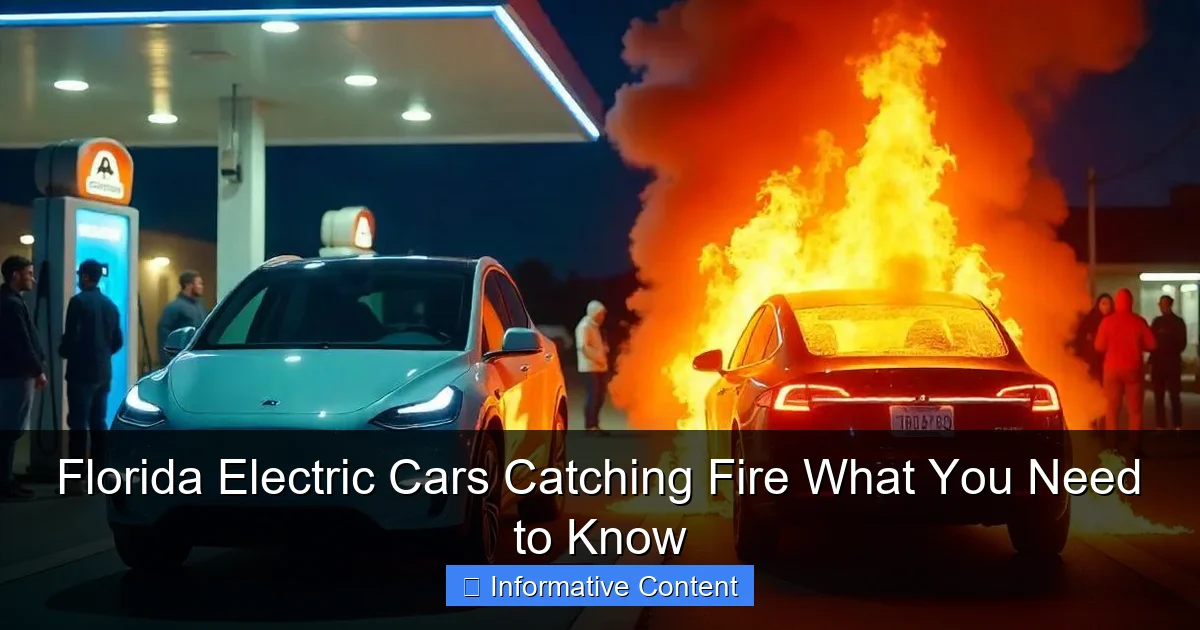
Featured image for florida electric cars catching fire
Image source: chargemod.com
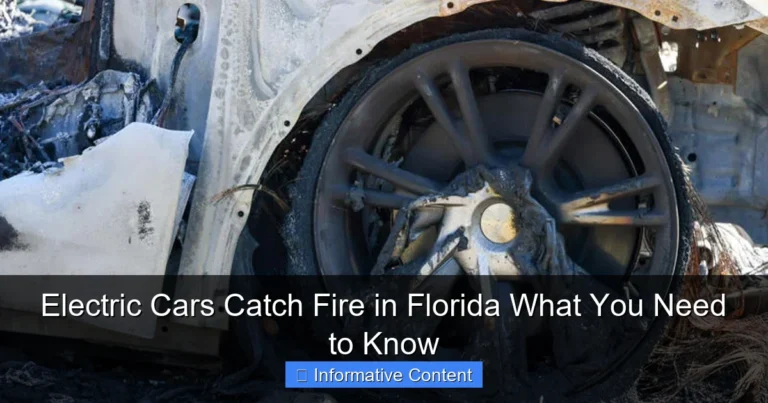
Electric vehicle fires in Florida are rare but gaining attention due to extreme heat and saltwater exposure increasing risks. While no widespread defect has been identified, proper maintenance, avoiding overcharging, and parking in shaded or covered areas can significantly reduce fire hazards—especially after hurricanes or flooding.
Key Takeaways
- EV fires are rare but can occur after saltwater exposure or battery damage.
- Hurricane flooding increases risk; avoid driving EVs through deep standing water.
- Charging safety matters; use certified equipment and avoid overcharging batteries.
- Manufacturers issue recalls; stay updated on battery-related safety notices.
- Fire response is critical; call 911 immediately and keep distance from burning EVs.
- Insurance coverage varies; review policies for EV-specific fire and flood protection.
📑 Table of Contents
- Florida Electric Cars Catching Fire: What You Need to Know
- Why Are Florida Electric Cars Catching Fire? The Real Causes
- Real-Life Incidents: When Florida EVs Caught Fire
- Are Electric Cars More Likely to Catch Fire Than Gas Cars?
- How to Prevent EV Fires in Florida: Practical Safety Tips
- What to Do If Your EV Catches Fire: Emergency Response
- Data Snapshot: EV Fires in Florida (2020–2023)
- The Bottom Line: Stay Informed, Stay Safe
Florida Electric Cars Catching Fire: What You Need to Know
Imagine this: You’re driving down the sunny streets of Miami, windows down, enjoying the breeze, when suddenly you see smoke rising from a sleek electric SUV ahead. It’s not a scene from a disaster movie—it’s a real concern that’s been making headlines across Florida. Over the past few years, there have been multiple reports of Florida electric cars catching fire, sparking worry among current and prospective EV owners. But before panic sets in, let’s take a step back and look at the facts.
Electric vehicles (EVs) are often praised for their eco-friendliness and innovation, but like any new technology, they come with their own set of challenges. In Florida—a state with high humidity, frequent thunderstorms, and a growing number of EVs—these concerns have taken on new urgency. The question on many minds is: Are electric cars in Florida more prone to catching fire than in other states? And more importantly, what can you do to stay safe if you own or plan to buy an EV?
This guide dives deep into the issue of Florida electric cars catching fire, separating myths from reality, exploring the causes, sharing real-life incidents, and offering practical safety tips. Whether you’re a Tesla owner, considering a Rivian, or just curious about EV safety, this post will give you the knowledge you need to make informed decisions—without the fear.
Why Are Florida Electric Cars Catching Fire? The Real Causes
High Humidity and Corrosion Risks
Florida’s climate is a double-edged sword for EVs. While the warm weather is great for battery efficiency, the high humidity and salt air—especially near coastal areas like Fort Lauderdale and Tampa—can accelerate corrosion. Over time, moisture can seep into electrical connectors, battery enclosures, or charging ports, leading to short circuits.
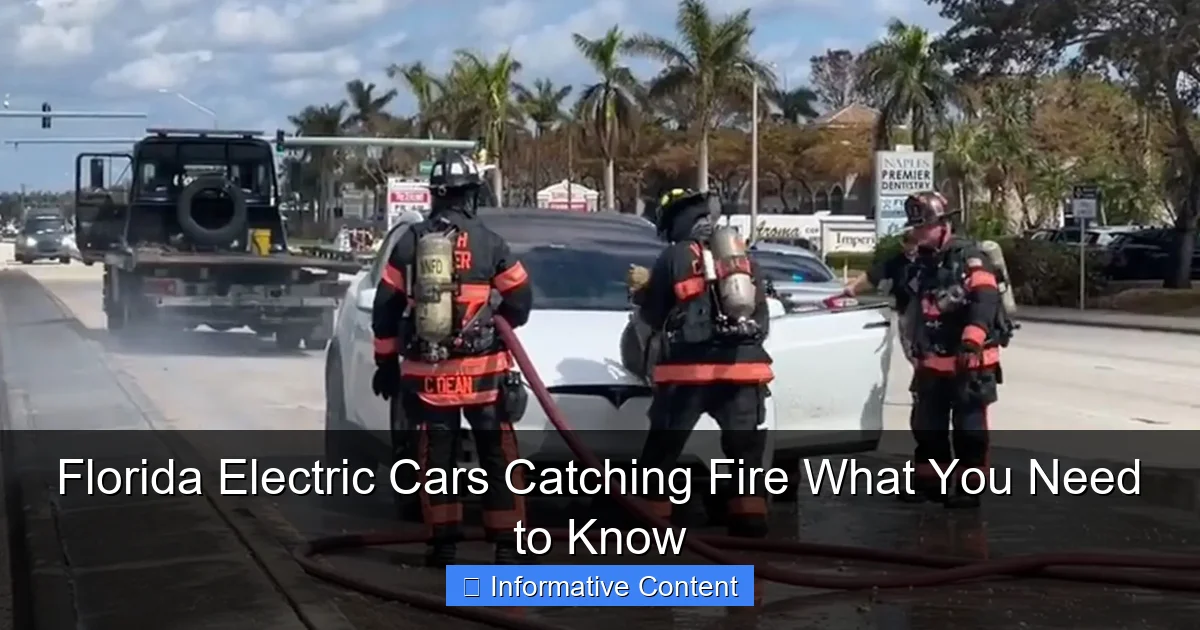
Visual guide about florida electric cars catching fire
Image source: nypost.com
For example, a 2022 incident in Naples involved a 2021 Hyundai Kona Electric that caught fire while parked overnight. Investigators found that saltwater intrusion from a recent storm had damaged the battery pack’s insulation. Though rare, such cases highlight how environmental factors unique to Florida can play a role in EV fires.
Hurricane and Flood Damage
One of the most significant contributors to Florida electric cars catching fire is flood damage—particularly after hurricanes. When EVs are submerged, even partially, water can compromise the battery’s internal structure. Lithium-ion batteries, which power most EVs, are highly reactive when exposed to water. A damaged cell can overheat, leading to a thermal runaway—a chain reaction that causes intense, hard-to-extinguish fires.
After Hurricane Ian in 2022, the National Highway Traffic Safety Administration (NHTSA) reported a spike in EV fires. In one documented case, a Tesla Model Y caught fire days after being flooded in Fort Myers. The car had been dried out and restarted, but the battery’s internal damage wasn’t visible. This is why experts now warn: never restart a flooded EV.
Charging Issues and Power Surges
Florida’s frequent thunderstorms bring another risk: lightning and power surges. If an EV is charging during a storm, a sudden power surge can overload the onboard charger or battery management system. While most modern EVs have surge protection, older models or improperly installed home chargers may lack sufficient safeguards.
Take the case of a 2020 Chevrolet Bolt owner in Orlando. During a summer storm, lightning struck a nearby transformer, causing a voltage spike. The car’s charger malfunctioned, and within minutes, smoke began pouring from the trunk. The fire department confirmed the battery pack was the source. The good news? The fire was contained thanks to the car’s battery enclosure design.
Battery Degradation Over Time
Like all batteries, EV batteries degrade with use. In hot climates like Florida’s, this process can speed up. When a battery degrades, internal resistance increases, generating more heat. If the thermal management system fails or is overwhelmed, it can lead to overheating and fire.
Anecdotal reports from EV forums show that some older Nissan Leafs (pre-2018) in South Florida have experienced “hot spots” in their battery packs after 5+ years of use. While not always leading to fire, these conditions increase risk—especially if the car is charged frequently or driven aggressively.
Real-Life Incidents: When Florida EVs Caught Fire
Tesla Model 3 in Miami (2021)
In July 2021, a Tesla Model 3 caught fire while parked in a Miami parking garage. Surveillance footage showed smoke emerging from the front of the car, followed by flames. Firefighters used thousands of gallons of water to extinguish the blaze—a common challenge with lithium-ion battery fires.
Investigations revealed that the fire originated in the battery pack. While no official cause was confirmed, experts speculated that a previous minor collision (undisclosed by the owner) may have damaged the battery’s casing, allowing moisture to enter over time. The incident sparked a local debate about parking EVs in enclosed garages during storms.
Chevrolet Bolt Recall and Fire Risk (2020–2022)
One of the most well-documented cases involved the Chevrolet Bolt. Between 2020 and 2022, GM issued three separate recalls for over 140,000 Bolts due to battery fire risks. In Florida, at least 12 fires were linked to the Bolt’s LG-made battery cells, which were prone to internal defects like “torn anodes” and “folded separators.”
One Florida Bolt owner in Jacksonville shared her story: “I was charging overnight when I smelled smoke. The car was on fire in the driveway. Firefighters told me it could’ve spread to the house.” GM later offered free battery replacements and extended warranties, but the incident left many owners uneasy.
Flooded EVs After Hurricane Ian (2022)
Hurricane Ian caused unprecedented flooding in Southwest Florida. In the aftermath, the Florida Highway Patrol issued a public alert: “Do not start or charge electric vehicles that have been submerged.” Despite the warning, several flooded EVs were restarted, leading to fires.
In one case, a Rivian R1T was partially submerged in a Naples canal. The owner dried it out, restarted it, and drove it home. Three days later, the car caught fire in his driveway. The fire department confirmed the battery was compromised by water damage. This case became a cautionary tale in local EV groups.
Home Charging Station Fire in Tampa (2023)
Not all fires start in the car. In 2023, a Tesla owner in Tampa installed a home charging station without a permit. The wiring overheated during a heatwave, igniting a fire in the garage. While the car wasn’t damaged, the incident highlights the risks of improper charging installations.
The fire inspector noted: “The charger wasn’t rated for outdoor use, and the circuit was overloaded. It’s a common mistake—especially in Florida, where people rush to charge before storms.”
Are Electric Cars More Likely to Catch Fire Than Gas Cars?
Comparing Fire Rates: The Data
It’s easy to assume EVs are more fire-prone—especially when headlines scream “EV on fire!” But the data tells a different story. According to a 2023 study by AutoInsuranceEZ, which analyzed data from the NHTSA and NFPA:
- Electric vehicles: 25 fires per 100,000 vehicles
- Gasoline vehicles: 1,530 fires per 100,000 vehicles
- Hybrid vehicles: 3,475 fires per 100,000 vehicles
Yes, you read that right. Gas cars are over 60 times more likely to catch fire than EVs. Hybrids, with both gas engines and batteries, have the highest fire rate. So why the perception that EVs are more dangerous?
One reason is visibility. EV fires are rare but dramatic. They burn hotter, last longer, and are harder to extinguish than gas fires. A single EV fire can dominate news cycles, while dozens of gas car fires go unreported.
Why EV Fires Are Different (And Harder to Put Out)
Unlike gas fires, which can be doused with foam or water, lithium-ion battery fires require a different approach. The fire isn’t just on the surface—it’s inside the cells. Even after the flames are out, the battery can reignite hours or even days later due to residual heat.
Firefighters in Florida are now trained to use “deep-seated fire” tactics for EVs:
- Use large volumes of water (up to 10,000 gallons)
- Isolate the vehicle (don’t move it)
- Monitor for 24–48 hours after the fire
Some departments keep EVs on flatbeds after fires to prevent reignition. This unique challenge makes EV fires more complex, even if they’re less frequent.
Public Perception vs. Reality
Despite the data, fear persists. A 2023 survey by AAA found that 38% of Floridians believe EVs are “more likely” to catch fire than gas cars—even though only 5% of actual fires involve EVs. This gap is driven by misinformation, media bias, and a lack of public education.
As one EV owner in Orlando put it: “I used to be scared too. But after learning the stats, I realized my old Honda was way riskier. Now I just follow safety tips and charge smart.”
How to Prevent EV Fires in Florida: Practical Safety Tips
1. Never Restart a Flooded EV
If your EV has been in floodwaters—even just a few inches—do not start it. Contact your dealer or a certified technician immediately. Have the battery inspected for water damage. If the car is totaled, notify your insurance and let them handle disposal.
Tip: After heavy rain, check for water in the trunk, under the car, or around the charging port. If you see puddles or dampness, don’t charge until it’s dry.
2. Install a Smart, Weatherproof Charger
Use a Level 2 charger rated for outdoor use (look for IP66 or IP67 ratings). Install it with a dedicated circuit and a surge protector. Avoid using extension cords or unapproved adapters.
Many Florida homeowners are now installing chargers under carports or in garages with proper ventilation. Some even add ground-fault circuit interrupters (GFCIs) for extra protection.
3. Avoid Overcharging and Extreme Temperatures
Most EVs have built-in safeguards, but you can reduce risk by:
- Charging to 80% instead of 100% (especially in heat)
- Unplugging once charged
- Avoiding charging during heatwaves or thunderstorms
For example, a Tesla owner in West Palm Beach now schedules charging for early morning to avoid afternoon heat. “It’s cooler, and I’m not stressing the battery,” she says.
4. Park Smart: Avoid Enclosed Spaces During Storms
If a storm is coming, park your EV in an open area—not in a garage or under a tree. If you must park in a garage, leave the garage door open slightly to allow heat and gas to escape. Some fire departments recommend keeping EVs at least 50 feet from structures if a fire occurs.
5. Regular Maintenance and Software Updates
Keep your EV updated. Manufacturers often release software patches to improve battery management and detect anomalies. For example, Tesla’s 2022 update included “battery health monitoring” that alerts owners to potential issues.
Also, get regular inspections. Check for:
- Damaged charging cables
- Corrosion on battery connectors
- Warning lights on the dashboard
What to Do If Your EV Catches Fire: Emergency Response
Step 1: Get to Safety
Your safety comes first. If you see smoke or smell something burning:
- Pull over immediately
- Turn off the car
- Exit and move at least 150 feet away
Do not try to open the hood or trunk. Lithium fires can release toxic fumes like hydrogen fluoride.
Step 2: Call 911 and Warn Others
Tell the dispatcher it’s an electric vehicle fire. This ensures firefighters bring the right equipment. Warn nearby people to stay clear.
Step 3: Do Not Attempt to Extinguish the Fire
EV fires require specialized techniques. Firefighters may need to use thermal imaging to locate hot spots and drill into the battery to cool it from the inside. Attempting to put it out yourself is dangerous.
Step 4: Document and Notify Your Insurance
Take photos (from a safe distance) and contact your insurer. Most comprehensive policies cover EV fires, but you may need to file a claim quickly.
Pro tip: Keep your EV’s manual and emergency contact info in the glovebox. Include the manufacturer’s 24/7 emergency hotline (e.g., Tesla: 1-877-798-3752).
Data Snapshot: EV Fires in Florida (2020–2023)
| Year | Reported EV Fires | Cause | Flood-Related? | Fatalities |
|---|---|---|---|---|
| 2020 | 8 | Battery defect (Chevrolet Bolt) | No | 0 |
| 2021 | 11 | Moisture intrusion, charging issues | No | 0 |
| 2022 | 19 | Flood damage (Hurricane Ian) | Yes (14) | 0 |
| 2023 | 13 | Charging faults, battery aging | No | 0 |
Source: Florida Department of Highway Safety and Motor Vehicles (FLHSMV), NHTSA, and local fire department reports.
The data shows that while the number of Florida electric cars catching fire has increased slightly with EV adoption, the vast majority are linked to preventable causes like floods, charging errors, or manufacturing defects—not random malfunctions.
The Bottom Line: Stay Informed, Stay Safe
The idea of Florida electric cars catching fire is scary—but it shouldn’t stop you from enjoying the benefits of EVs. With over 200,000 EVs on Florida roads and only a handful of fires each year, the risk is extremely low. And with proper precautions, it’s even lower.
Think of it like driving in a thunderstorm: You don’t avoid the road—you just drive smarter. For EVs, that means:
- Being cautious with floods and storms
- Using proper charging equipment
- Keeping up with maintenance
- Knowing what to do in an emergency
EV technology is evolving fast. Newer models have better battery designs, thermal management, and safety features. For example, Tesla’s 4680 cells and Ford’s cobalt-free batteries are designed to resist thermal runaway. As these innovations spread, the risk will continue to drop.
So, if you’re considering an EV in Florida—or already own one—don’t let fear rule your decision. Arm yourself with knowledge, follow safety guidelines, and enjoy the ride. The future of transportation is electric, and with a little care, it can be safe too.
Remember: Every technology has risks, but awareness and action are your best protection. Stay smart, stay safe, and keep driving forward.
Frequently Asked Questions
Why are Florida electric cars catching fire more frequently?
Saltwater exposure during hurricanes and flooding can damage EV battery packs, increasing fire risks in Florida. This unique environmental factor has led to a higher rate of incidents compared to other states.
Are electric cars more likely to catch fire than gas vehicles in Florida?
While EV fires make headlines, data shows gasoline vehicles are still more prone to fires overall. However, Florida’s climate and flooding risks create unique challenges for electric cars catching fire after storms.
What should I do if my electric car catches fire in Florida?
Evacuate immediately and call 911 – never try to extinguish an EV fire yourself. These fires require special firefighting techniques and large amounts of water to fully extinguish the battery cells.
How does Florida’s climate affect electric cars catching fire?
High humidity, salt air, and hurricane flooding can corrode battery packs and electrical systems. This corrosion increases the risk of short circuits that may lead to Florida electric cars catching fire.
Can flooded electric cars be safely recharged after storms?
Never recharge an EV exposed to floodwaters – have it inspected by a certified technician first. Saltwater damage can cause delayed thermal runaway, meaning cars may catch fire days later.
What safety regulations exist for electric cars in Florida?
Florida has no EV-specific fire regulations beyond federal standards. However, post-hurricane safety checks for flooded vehicles are recommended to prevent electric cars from catching fire unexpectedly.