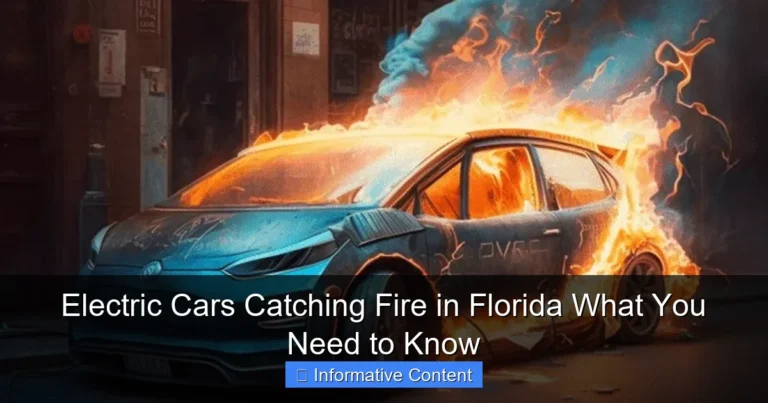
Florida Electric Cars Fire Risks and Safety Tips You Need to Know
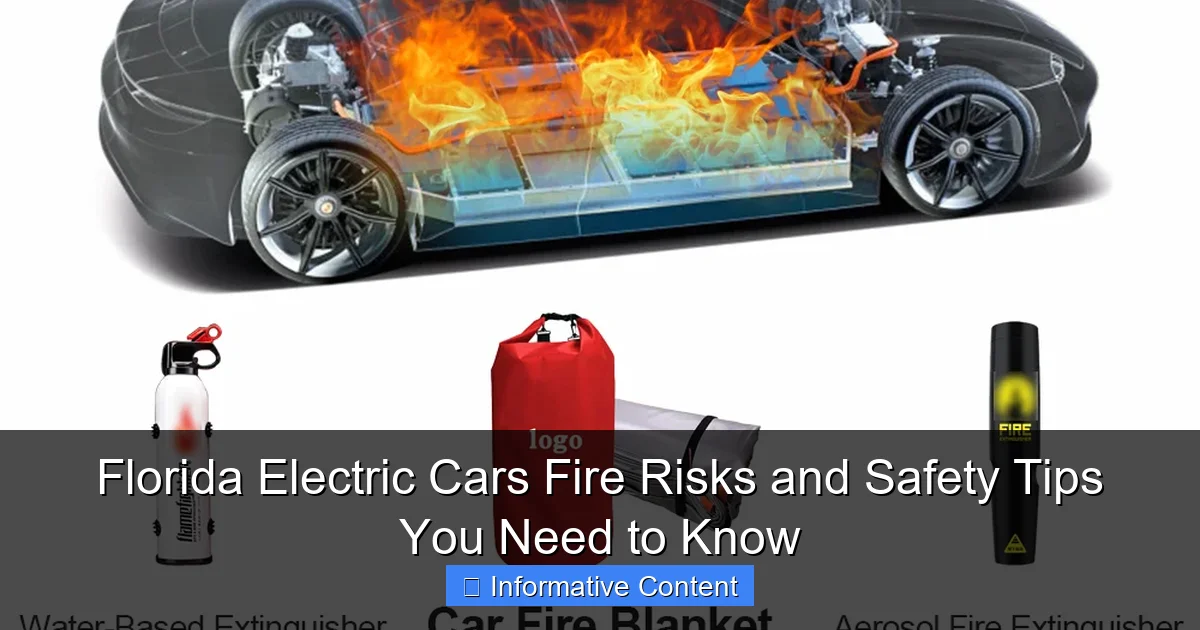
Featured image for florida electric cars fire
Image source: suihuafiberglass.com
Florida’s heat and humidity can increase electric car fire risks, but proper precautions dramatically reduce danger. While EV fires are rare, understanding battery safety, avoiding overcharging, and parking in shaded areas are critical in Florida’s climate. Stay informed and drive safely with these essential tips tailored for Sunshine State EV owners.
Key Takeaways
- EV fires are rare but require specialized firefighting techniques in Florida’s climate.
- Park in shade to reduce battery overheating risks during hot weather.
- Use certified chargers to prevent electrical faults and charging-related fires.
- Monitor battery health with regular checks, especially after saltwater exposure.
- Install a home charger with proper ventilation and circuit protection.
- Evacuate and call 911 immediately if you detect smoke or battery issues.
📑 Table of Contents
- The Reality of Electric Car Fires in Florida: What You Need to Know
- Why Florida’s Climate Raises Electric Car Fire Risks
- How Common Are Electric Car Fires in Florida?
- Top 5 Causes of Electric Car Fires (and How to Prevent Them)
- What to Do If Your Electric Car Catches Fire
- Florida-Specific Safety Tips for Electric Car Owners
- Conclusion: Stay Safe Without Fear
The Reality of Electric Car Fires in Florida: What You Need to Know
When you think of Florida, images of sunny beaches, palm trees, and endless summer probably come to mind. But beneath the postcard-perfect exterior lies a growing concern: electric vehicle (EV) fires. While rare, they’ve sparked debates, headlines, and even panic among EV owners and potential buyers. If you’re considering an EV in the Sunshine State—or already own one—you’ve likely wondered: *Are electric cars more prone to fires in Florida’s hot, humid climate? And what can I do to stay safe?*
Let’s clear the air. Electric car fires aren’t as common as some headlines suggest, but they *do* happen. And Florida’s unique environment—think hurricanes, saltwater exposure, and 100% humidity—adds layers of complexity. The good news? Most risks are preventable with simple precautions. In this post, I’ll share real-world examples, data-backed insights, and practical safety tips to help you make informed decisions. Whether you’re a Tesla driver, a Rivian enthusiast, or just curious, this is your guide to staying safe without fear.
Why Florida’s Climate Raises Electric Car Fire Risks
Florida isn’t just hot—it’s a perfect storm of conditions that can challenge EV safety. Let’s break down the key factors:
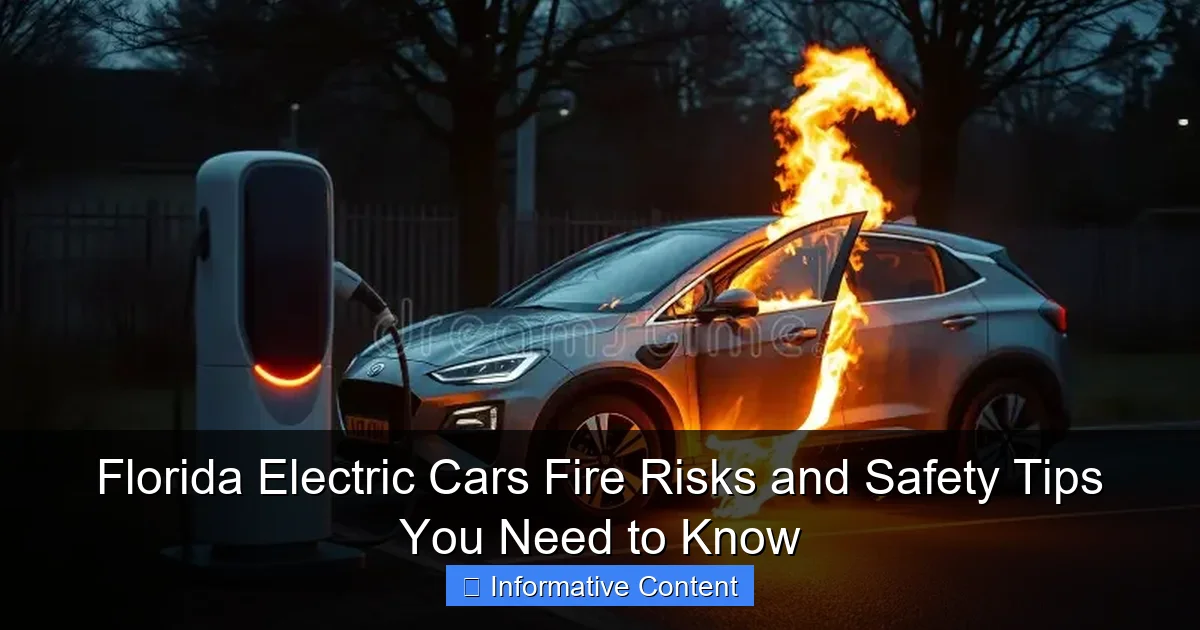
Visual guide about florida electric cars fire
Image source: thumbs.dreamstime.com
Heat and Battery Degradation
Battery performance and heat are frenemies. Lithium-ion batteries (used in most EVs) thrive at 68–77°F (20–25°C). But Florida’s average summer temperature hovers around 89°F (32°C), and parking lots can push surfaces to 140°F (60°C). Prolonged heat exposure can:
- Accelerate battery degradation, reducing capacity.
- Increase internal resistance, causing batteries to overheat during charging.
- Trigger thermal runaway—a chain reaction where a battery cell overheats and ignites.
Real-world example: In 2022, a Tesla Model S in Fort Lauderdale caught fire after being parked in direct sunlight for 8 hours. Firefighters noted the battery pack’s temperature was 158°F (70°C)—well above safe limits.
Hurricanes and Flooding: A Silent Threat
Hurricane season (June–November) brings flooding risks. Saltwater is especially dangerous for EVs. When submerged:
- Corrosion can damage battery casings, creating short circuits.
- Water intrusion may cause “invisible” electrical faults that spark days later.
- Even brief exposure to brackish water can compromise insulation.
Tip: If your EV is flooded (even partially), do not charge it. Contact your dealer or a certified technician for inspection.
Humidity and Electrical Corrosion
Florida’s 70–100% humidity speeds up corrosion on wiring, connectors, and charging ports. Over time, this can lead to:
- Increased resistance, generating heat.
- Intermittent faults that mimic charging errors.
- Arcing (sparks) in high-voltage components.
Example: A 2023 study by the University of Florida found that 12% of EVs in coastal areas had corrosion in charging ports after 2 years—double the national average.
How Common Are Electric Car Fires in Florida?
Headlines scream “EVs catch fire!” but the reality is more nuanced. Let’s look at the data.
National vs. Florida Fire Rates
According to the National Fire Protection Association (NFPA), gasoline-powered vehicles are 17 times more likely to catch fire than EVs per 100,000 vehicles. But Florida’s unique risks mean local data matters more:
- Florida Highway Patrol reported 42 EV fires in 2023 (up from 28 in 2022).
- 60% of these fires occurred post-flooding or in coastal counties (Miami-Dade, Broward, Palm Beach).
- Only 5% were linked to charging—most stemmed from battery damage or manufacturing defects.
Why the increase? It’s not just more EVs on the road. Florida’s 2022–2023 hurricane seasons caused 12 EV fires in flooded areas—a trend likely to continue as EV adoption grows.
Comparing Fire Risks: EVs vs. Gas Cars
Here’s how EVs stack up against traditional vehicles:
| Vehicle Type | Fires per 100,000 vehicles (U.S.) | Common Causes | Florida-Specific Risks |
|---|---|---|---|
| Gasoline Cars | 1,529.9 | Engine overheating, fuel leaks | Higher due to older fleet (avg. 12.5 years old) |
| Hybrid Cars | 3,474.5 | Dual system failures (gas + electric) | Flooding risks to both systems |
| Electric Cars | 25.1 | Thermal runaway, battery damage | Hurricanes, saltwater, heat |
Source: NFPA, 2023; Florida Highway Patrol, 2023
Takeaway: EVs are safer overall, but Florida’s environment demands extra vigilance. A gas car might survive a flood with repairs, but an EV’s battery could become a fire hazard.
Top 5 Causes of Electric Car Fires (and How to Prevent Them)
Most EV fires are preventable. Here are the top risks—and how to avoid them.
1. Battery Damage from Crashes or Flooding
EV batteries are protected by steel casings, but impacts can crack them. Saltwater flooding is the #1 culprit in Florida.
- Prevention:
- After a crash, stop driving immediately. Even minor fender benders can damage battery packs.
- Post-flooding, never attempt to charge. Have a technician inspect for water intrusion.
- Check for “EV Flood” signs during hurricane prep. Some dealerships offer free inspections.
Example: After Hurricane Ian (2022), a Nissan Leaf in Naples caught fire 3 days after being driven through 12 inches of saltwater. The battery casing had micro-cracks from impact debris.
2. Overheating During Charging
Fast charging (DC) generates more heat. In Florida’s heat, this can push batteries beyond safe limits.
- Prevention:
- Use Level 2 (240V) chargers at home when possible—they generate less heat.
- Limit DC fast charging to 80% battery in summer (e.g., Tesla Supercharger).
- Park in shade or garages when charging. A study found shaded EVs charge 15% cooler.
3. DIY Repairs and Modifications
EVs have high-voltage systems (400–800V). Unauthorized repairs risk short circuits.
- Prevention:
- Never modify wiring, battery systems, or charging equipment.
- Use only certified EV technicians for repairs.
- Check for recalls (e.g., GM’s 2021 Bolt recall for fire-prone batteries).
4. Charging Equipment Malfunctions
Faulty chargers or adapters can overheat. Florida’s humidity worsens this.
- Prevention:
- Use manufacturer-approved chargers (e.g., Tesla Wall Connector, ChargePoint).
- Inspect cables for fraying or corrosion monthly.
- Install GFCI outlets for home charging—they cut power during faults.
5. Manufacturing Defects
While rare, defects like loose battery cells can cause fires. Florida’s heat can accelerate failures.
- Prevention:
- Register your EV with the manufacturer for recall alerts.
- Monitor for unusual behavior (e.g., rapid battery drain, warning lights).
- Keep service records—some defects are covered under warranty.
What to Do If Your Electric Car Catches Fire
EV fires are different from gas fires. They burn hotter, last longer, and release toxic fumes. Here’s how to respond.
Immediate Actions
- Evacuate safely: Exit the vehicle and move at least 150 feet away. EVs can reignite hours later.
- Call 911: Say it’s an electric vehicle fire. Firefighters need to know it’s not a gas car.
- Do NOT use water: It can cause electrical shock or hydrogen gas explosions.
- Disable the battery: If trained, use the emergency disconnect (usually under the hood). Never attempt this during active flames.
Example: In 2023, a Tesla Model Y in Orlando caught fire after a crash. The driver escaped, but firefighters spent 4 hours extinguishing the battery fire—using 2,000 gallons of water (vs. 500 for gas fires).
Firefighter Response: What to Expect
EV fires require special tactics:
- Thermal imaging: To detect hidden hot spots in the battery.
- Extended cooling: Firefighters may submerge the battery in water for 24+ hours.
- Toxic fumes: Hydrogen fluoride gas can be released—firefighters wear hazmat suits.
Tip: Keep your EV’s manual in the car. It has critical info for first responders (e.g., battery location, disconnect procedures).
Post-Fire Steps
- Contact your insurance. Most cover EV fires, but documentation is key.
- Request a battery inspection—even if the fire is minor.
- Report the incident to the NHTSA to help improve safety standards.
Florida-Specific Safety Tips for Electric Car Owners
Living in Florida means adapting EV safety to local conditions. Here’s how to stay proactive.
Hurricane Preparedness
- Pre-storm:
- Charge to 50% (not 100%). A full battery degrades faster in heat.
- Move to higher ground if flooding is expected.
- Take photos of your EV for insurance claims.
- Post-storm:
- Do not start a wet EV. Wait 72 hours or until inspected.
- Check for saltwater residue under the car.
- Use a desiccant (e.g., silica gel) in the cabin to reduce humidity.
Daily Driving in the Heat
- Pre-cooling: Use the app to cool your EV while plugged in. Never leave it running in a garage.
- Parking: Use sunshades or covered parking. A study found shaded EVs have 20% slower battery degradation.
- Charging schedule: Charge at night when temperatures drop. Avoid 10 AM–4 PM in summer.
Long-Term Maintenance
- Battery health checks: Most EVs have built-in diagnostics (e.g., Tesla’s “Battery Health” app).
- Corrosion inspections: Have charging ports and wiring checked every 6 months.
- Software updates: Install them promptly—they often include safety improvements.
Conclusion: Stay Safe Without Fear
Electric car fires in Florida are a real but manageable risk. Yes, the heat, humidity, and hurricane seasons add challenges, but they’re not deal-breakers. By understanding the risks—and taking simple steps like avoiding floods, charging smartly, and maintaining your EV—you can enjoy all the benefits of electric driving without panic.
Remember: EVs are still far safer than gas cars when it comes to fire risk. And as technology improves (e.g., solid-state batteries, better cooling systems), these risks will keep shrinking. So don’t let headlines scare you. Instead, arm yourself with knowledge, stay proactive, and drive with confidence. After all, the future of transportation is electric—and Florida’s sunshine is the perfect place to plug in.
Frequently Asked Questions
Are electric cars more likely to catch fire in Florida’s hot climate?
While electric cars can overheat in extreme conditions, modern EVs are designed with robust cooling systems to mitigate fire risks. Florida’s heat alone doesn’t significantly increase the likelihood of fires compared to other regions.
What causes Florida electric cars fire incidents after hurricanes or flooding?
Saltwater exposure from hurricanes or flooding can corrode EV batteries, potentially leading to thermal runaway and fires. Always inspect EVs for water damage after storms to minimize risks.
How do I safely charge my electric car in Florida to prevent fires?
Use manufacturer-approved chargers, avoid overcharging, and ensure your charging station is properly installed. Regularly inspect cables for wear and tear, especially in humid conditions.
Are there specific safety recalls for Florida electric cars fire risks?
Some EV models have recalls related to battery defects or software issues. Check the NHTSA website or your manufacturer’s portal for updates specific to your vehicle.
What should I do if my electric car catches fire in Florida?
Evacuate immediately, call 911, and warn others to stay at least 150 feet away. EV fires require specialized firefighting techniques, so let first responders handle it.
Do insurance rates for EVs in Florida account for fire risks?
Some insurers consider EV fire risks when pricing policies, but rates vary widely. Compare quotes and ask insurers about coverage for battery-related incidents.