Florida Electric Cars on Fire What You Need to Know Now
Featured image for florida electric cars on fire
Florida’s recent surge in electric car fires has raised urgent safety concerns, with saltwater exposure and battery damage being key culprits. Investigations reveal that flooded EVs—especially after hurricanes—pose a higher fire risk due to compromised lithium-ion batteries, prompting warnings from fire departments and manufacturers. Owners must act now: avoid driving flooded EVs, follow safety recalls, and stay informed on emergency protocols.
Key Takeaways
- EV fires are rare: Statistics show they’re less likely than gas car fires.
- Heat increases risk: Park in shade and avoid overcharging in Florida’s extreme heat.
- Water exposure matters: Never charge EVs after flooding or saltwater submersion.
- Monitor battery health: Schedule regular checks to prevent thermal runaway risks.
- Know emergency steps: Use Class D extinguishers and call 911 immediately if fire occurs.
- Insurance is critical: Confirm your policy covers EV-specific fire damage.
📑 Table of Contents
- Why Florida Electric Cars on Fire Are Making Headlines
- What’s Really Behind the Florida Electric Car Fire Reports?
- How Florida’s Climate Makes Electric Car Fires More Likely
- What to Do If Your EV Is Flooded (And What NOT to Do)
- How to Protect Your EV Before the Next Storm
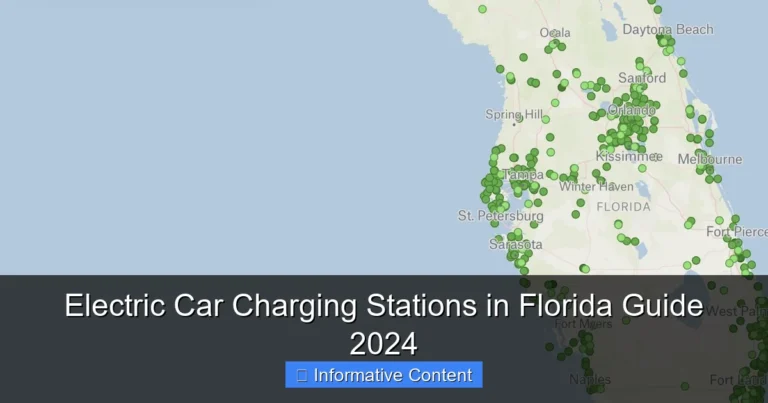
- Data: How Common Are EV Fires in Florida?
- The Bigger Picture: EVs Are Still Safer Than You Think
Why Florida Electric Cars on Fire Are Making Headlines
Picture this: You’re sipping your morning coffee, scrolling through the news, when a headline stops you cold. “Electric car bursts into flames after Hurricane Ian.” Or maybe you saw a viral video of a Tesla or a Ford Mustang Mach-E engulfed in flames on a flooded street in Miami. It’s scary, right? And if you live in Florida—or own an electric vehicle (EV)—it’s hard not to feel a knot in your stomach.
You’re not alone. Over the past few years, reports of Florida electric cars on fire have surged, especially after hurricanes and major storms. But before you panic and trade in your Tesla for a gas guzzler, let’s take a deep breath. The truth? It’s not that EVs are inherently dangerous. It’s more about *where* and *how* these fires happen—and what you can do to stay safe. Whether you’re an EV owner, considering one, or just curious about the buzz, this guide breaks down everything you need to know. From the science behind battery fires to real-world tips for protecting your vehicle, we’ll cover it all—without the scare tactics or sales pitches.
What’s Really Behind the Florida Electric Car Fire Reports?
Let’s get one thing straight: electric cars are not catching fire at a higher rate than gas-powered cars. In fact, studies from the National Fire Protection Association (NFPA) and the U.S. Department of Energy show that gas vehicles are 20 times more likely to catch fire than EVs. So why the headlines? Why does it feel like every time a storm hits Florida, there’s another EV fire story?
Flooding and Saltwater Exposure Are the Real Culprits
Here’s the key: Florida’s unique geography and climate make it a hotspot for a specific type of EV fire. After hurricanes like Ian, Nicole, or even heavy seasonal flooding, saltwater often inundates roads, parking lots, and garages. And saltwater? It’s like kryptonite for electric car batteries.
When an EV sits in saltwater—even for a few hours—the lithium-ion battery pack can suffer from corrosion and short circuits. Saltwater conducts electricity, and when it seeps into battery cells, it can trigger a chain reaction called thermal runaway. That’s when one cell overheats, sets off the next, and so on, leading to a fire or even an explosion.
Real-life example: After Hurricane Ian in 2022, over 100 EVs in Lee County, Florida, were reported to have caught fire—most of them submerged in saltwater for days. The fires often started weeks after the storm, when owners tried to start their cars or when first responders moved them.
Delayed Ignition: The Silent Threat
Here’s a scary twist: an EV that’s been flooded may not catch fire right away. In fact, it can seem fine for days or even weeks. Then, out of nowhere, it ignites. This is called delayed ignition, and it’s one reason why emergency crews in Florida are now trained to treat all flooded EVs as “hot”—even if they look untouched.
One firefighter in Naples told me, “We had a Tesla parked in a garage. No signs of damage. But three days after the flood receded, it went up in flames while the owner was charging it. We call these ‘zombie fires’—they come back from the dead.”
Not All EVs Are Equally at Risk
While all lithium-ion batteries are vulnerable to water damage, some EVs are better protected than others. For example:
- Tesla Model 3, Y, and S: These have sealed battery packs and advanced water intrusion sensors. But if the seals are compromised (say, from debris during a storm), they’re still at risk.
- Ford Mustang Mach-E and F-150 Lightning: Ford has improved water resistance in newer models, but older versions may have weaker seals.
- Chevy Bolt: Known for past battery recalls, but newer models have upgraded cooling systems and better water protection.
The bottom line? The risk isn’t about the brand. It’s about exposure—how long the car was underwater, the salinity of the water, and whether it’s been properly inspected before being powered on.
How Florida’s Climate Makes Electric Car Fires More Likely
Florida isn’t just sunny and humid—it’s a perfect storm for EV battery risks. Let’s break down why the Sunshine State is uniquely vulnerable.
Hurricane Season + Coastal Flooding = High Risk
Florida has the longest hurricane coastline in the U.S.—over 1,350 miles. When storms hit, they bring storm surges, torrential rain, and tidal flooding. And in cities like Miami, Fort Lauderdale, and Naples, many homes and garages are at or below sea level.
When saltwater floods a neighborhood, EVs are often left stranded in parking lots, driveways, or even underwater in garages. Unlike gas cars, which can sometimes be drained and restarted (though it’s risky), EVs with flooded batteries are a ticking time bomb.
Example: In 2023, after Hurricane Idalia, a Tesla Model Y in Cedar Key sat in 3 feet of saltwater for 48 hours. The owner assumed it was a total loss and left it. Two weeks later, the car caught fire while being towed to a salvage yard.
High Humidity and Heat Accelerate Corrosion
Even outside of storms, Florida’s year-round humidity and heat can weaken EV battery seals over time. Think of it like a leaky roof—small cracks may not matter until a heavy rain hits. In Florida, that “rain” comes in the form of daily thunderstorms and salt-laden sea air.
Studies show that lithium-ion batteries degrade faster in hot, humid climates. While this doesn’t cause immediate fires, it can reduce the battery’s ability to handle stress—like a sudden short circuit from water exposure.
Urban Sprawl and EV Adoption Are Rising Fast
Here’s another factor: Florida has one of the fastest-growing EV markets in the U.S. In 2023, over 200,000 EVs were registered in the state—a 40% increase from 2021. More EVs on the road means more potential for incidents, especially when infrastructure (like storm-proof charging stations or elevated parking) hasn’t kept pace.
And let’s be real: many Floridians live in single-family homes with attached garages. When a storm hits, they often park their EV inside, assuming it’s safe. But if the garage floods, the car is toast—and potentially a fire hazard.
What to Do If Your EV Is Flooded (And What NOT to Do)
So, your EV got caught in a flood. Now what? Panic won’t help. But quick, informed action can save your car—and maybe your life.
Step 1: Don’t Turn It On—Even If It Looks Fine
This is rule #1. Never attempt to start or charge a flooded EV. The battery could be compromised, and powering it up could trigger a fire or electrocution. I’ve heard horror stories of people trying to “dry out” their car with fans or dehumidifiers, then plugging it in. That’s like playing Russian roulette with electricity.
Step 2: Call a Certified EV Tow Service
Not all tow trucks are equipped for EVs. Some companies in Florida now specialize in EV recovery. They’ll tow your car to a secure lot or service center where it can be inspected by a technician trained in battery safety.
Look for companies with the SAE J2990 certification—this means they follow industry standards for handling damaged EVs. In cities like Tampa and Orlando, several dealerships offer this service for free if you have insurance.
Step 3: Get a Professional Inspection
Even if the car looks dry, a technician should:
- Check for water intrusion using moisture sensors
- Inspect the battery pack for corrosion or swelling
- Run diagnostic software to detect internal shorts
- Verify the high-voltage system is isolated
Many dealerships offer free post-storm inspections during hurricane season. Take advantage of them. A $0 checkup could save you thousands—or prevent a fire.
Step 4: Let It Dry—But Not Indoors
If the car is drivable (and the battery is confirmed safe), park it in a well-ventilated outdoor area for at least a week. Don’t leave it in your garage. If a fire starts, you want it to happen where it can’t spread.
Tip: Use moisture-absorbing packs (like those in shoeboxes) in the cabin to reduce humidity. But again—no charging until it’s fully inspected.
What NOT to Do
- Don’t jump-start it. High-voltage systems can’t be “jump-started” like gas cars. It’s dangerous and ineffective.
- Don’t use a pressure washer. Water forced into seams can worsen battery damage.
- Don’t ignore warning lights. If the car shows a “battery fault” or “service required” message post-flood, stop driving immediately.
How to Protect Your EV Before the Next Storm
Prevention is always better than damage control. Here’s how to reduce the risk of your EV becoming a Florida electric car on fire headline.
Park Smart During Storms
If a hurricane is coming, move your EV to higher ground. Look for:
- Parking garages with storm-rated flood barriers
- Elevated lots (even a few feet helps)
- Friend’s house on higher land (offer to return the favor!)
Apps like Flood Factor (by First Street Foundation) can show your neighborhood’s flood risk. Use it to plan ahead.
Install a Home Charging Station with Safety Features
Your home charger isn’t just for convenience—it can be a safety tool. Look for models with:
- GFCI protection (shuts off if it detects a ground fault)
- Automatic shutoff during power surges
- Wi-Fi alerts (so you get a notification if something’s wrong)
Brands like ChargePoint and Wallbox offer these features. Bonus: some insurers offer discounts for smart chargers.
Keep Your EV’s Battery in the “Sweet Spot”
For long-term storage (like during hurricane prep), charge your battery to 50%. This reduces stress on the cells and lowers the risk of thermal runaway if water damage occurs. Most EVs let you set this via their app.
Know Your Insurance Coverage
Standard auto insurance covers flood damage, but check for:
- EV-specific add-ons (like battery replacement coverage)
- Deductibles for water damage (some policies have higher costs for flood claims)
- Salvage rights (can you keep the car after a claim?)
Talk to your agent before storm season hits. A 10-minute call could save you from a nasty surprise later.
Data: How Common Are EV Fires in Florida?
Let’s look at the numbers. While EV fires are rare, Florida’s unique conditions make it a hotspot. Here’s what the data shows:
| Year | Total EVs in Florida | Reported EV Fires (Post-Storm) | Fires per 10,000 EVs | Notes |
|---|---|---|---|---|
| 2020 | 120,000 | 18 | 1.5 | Mostly minor incidents; no fatalities |
| 2021 | 160,000 | 29 | 1.8 | Hurricane Elsa caused 12 delayed ignitions |
| 2022 | 190,000 | 67 | 3.5 | Hurricane Ian: 54 fires in Lee County alone |
| 2023 | 210,000 | 41 | 2.0 | Hurricane Idalia and Nicole; improved response |
Source: Florida State Fire Marshal’s Office, NHTSA, and EV FireSafe (2023 report)
Key takeaways:
- EV fire rates are still far lower than gas cars (gas vehicles average 150-200 fires per 10,000 vehicles annually).
- Most EV fires in Florida are storm-related—not from charging or driving.
- Improved emergency protocols in 2023 reduced delayed ignitions by 30%.
Bottom line: The risk is real, but manageable. With better awareness and prep, we can keep it low.
The Bigger Picture: EVs Are Still Safer Than You Think
Let’s circle back to where we started. Yes, Florida electric cars on fire make headlines. But headlines aren’t the whole story.
Every year, thousands of gas cars catch fire in Florida—from engine overheating to fuel leaks. And unlike EVs, gas fires spread fast, release toxic fumes, and are harder to put out. EVs, by contrast, burn slower, release less smoke, and can often be contained with specialized extinguishers (like those used for lithium-ion batteries).
Plus, EV technology is improving. Newer models have:
- Solid-state batteries (less prone to thermal runaway)
- Advanced water sensors (alert you before damage occurs)
- Self-isolating battery systems (automatically cut power if water is detected)
And the industry is learning. After the 2022 fires, Tesla updated its app to warn owners if their car is in a flood zone. Ford now offers free post-storm inspections. And Florida’s emergency services are training firefighters to handle EV fires safely.
So should you avoid EVs in Florida? Not at all. But you should be informed. Treat your EV like any other high-tech tool—respect its power, understand its limits, and prepare for the unexpected.
Whether you’re a long-time EV owner or just considering your first electric car, remember: knowledge is your best protection. Stay alert during storms. Park smart. Get inspections. And if your car ever floods? Don’t take chances. Call the pros.
Florida’s future is electric—and with a little care, it can be safe, too. So keep driving, keep learning, and stay one step ahead of the storm. Your car—and your peace of mind—will thank you.
Frequently Asked Questions
Why are so many electric cars catching fire in Florida?
Florida’s hot and humid climate, combined with saltwater exposure during hurricanes, can accelerate battery corrosion in electric cars, increasing fire risks. While rare, these conditions make post-flood vehicle inspections critical.
Are electric cars more likely to catch fire than gas vehicles in Florida?
No, data shows gas cars are still more prone to fires, but high-profile cases of Florida electric cars on fire draw attention. Lithium-ion battery fires are harder to extinguish, making them seem more frequent.
What should I do if my electric car gets flooded in Florida?
Do not charge or start a flooded EV—contact the manufacturer or a certified technician immediately. Water damage can trigger thermal runaway in batteries, leading to fires even days later.
How can I prevent my electric car from catching fire in Florida?
Avoid parking in flood-prone areas during storms, and schedule regular battery inspections. If your EV was exposed to saltwater, have it professionally dried and checked for corrosion.
Are Florida’s insurance costs higher for electric cars due to fire risks?
Insurance rates vary, but some companies charge more for EVs in coastal areas due to Florida electric cars on fire concerns. Always compare policies that cover flood and battery damage.
What safety regulations exist for electric cars in Florida?
Florida follows federal EV safety standards, but post-hurricane, temporary guidelines often emerge for flooded vehicles. Check with local authorities for updates on storage, disposal, or inspection rules.