Ford Electric and Hybrid Cars The Future of Driving
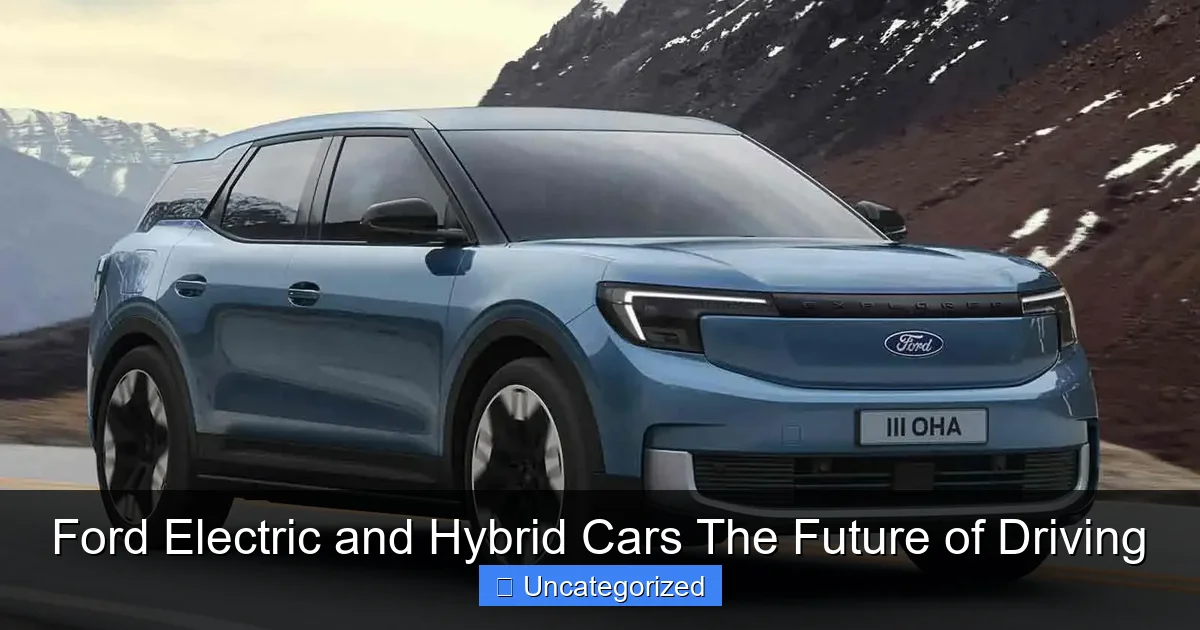
Featured image for ford electric and hybrid cars
Image source: media.whatcar.com
Ford electric and hybrid cars are revolutionizing the automotive industry with cutting-edge technology, impressive efficiency, and eco-friendly performance. From the best-selling F-150 Lightning to the fuel-sipping Escape Hybrid, Ford’s lineup delivers power, innovation, and sustainability for every driver. Experience the future of driving today with vehicles designed to outperform and outlast.
Key Takeaways
- Ford leads innovation with diverse electric and hybrid models for every driver.
- Save on fuel costs with hybrid efficiency and electric zero-emission driving.
- Charging infrastructure grows—Ford supports home and public charging solutions.
- Tax incentives apply for many Ford electric and hybrid vehicles—check eligibility.
- Performance meets sustainability—electric powertrains deliver instant torque and smooth acceleration.
- Tech-packed interiors feature SYNC 4, over-the-air updates, and smart driver aids.
📑 Table of Contents
- The Dawn of a New Era: Ford’s Electric and Hybrid Revolution
- Ford’s Electrified Lineup: What’s on the Market Today
- How Ford’s Hybrid and EV Technology Works
- The Benefits of Driving a Ford Electric or Hybrid
- Charging Made Easy: Ford’s Ecosystem and Tips
- What’s Next: Ford’s Electrification Roadmap
- The Future Is Electric—And Ford Is Leading the Charge
The Dawn of a New Era: Ford’s Electric and Hybrid Revolution
The automotive industry is undergoing a seismic shift, and Ford is at the forefront of this transformation. As the world moves toward a more sustainable future, Ford has made a bold commitment to electrification, aiming to deliver zero-emission vehicles without compromising on performance, style, or utility. With decades of engineering excellence and a deep understanding of American driving habits, Ford is reimagining what it means to drive electric and hybrid. From city commuters to off-road adventurers, Ford’s lineup is designed to meet the needs of every driver, blending innovation with the rugged reliability the brand is known for.
But why Ford? Unlike some automakers that entered the EV space late, Ford has been methodically building its electric and hybrid capabilities, investing billions in battery technology, charging infrastructure, and manufacturing retooling. The result? A growing fleet of vehicles that are not only eco-friendly but also practical, affordable, and packed with smart technology. Whether you’re considering your first hybrid or ready to go fully electric, Ford offers a compelling mix of range, power, and value. This blog dives deep into Ford’s electric and hybrid cars, exploring their technology, models, benefits, and what the future holds for this iconic American automaker.
Ford’s Electrified Lineup: What’s on the Market Today
Ford has rapidly expanded its electric and hybrid offerings, ensuring there’s a vehicle for every lifestyle and budget. From compact SUVs to powerful pickup trucks, Ford’s electrified models are redefining what drivers expect from sustainable transportation.
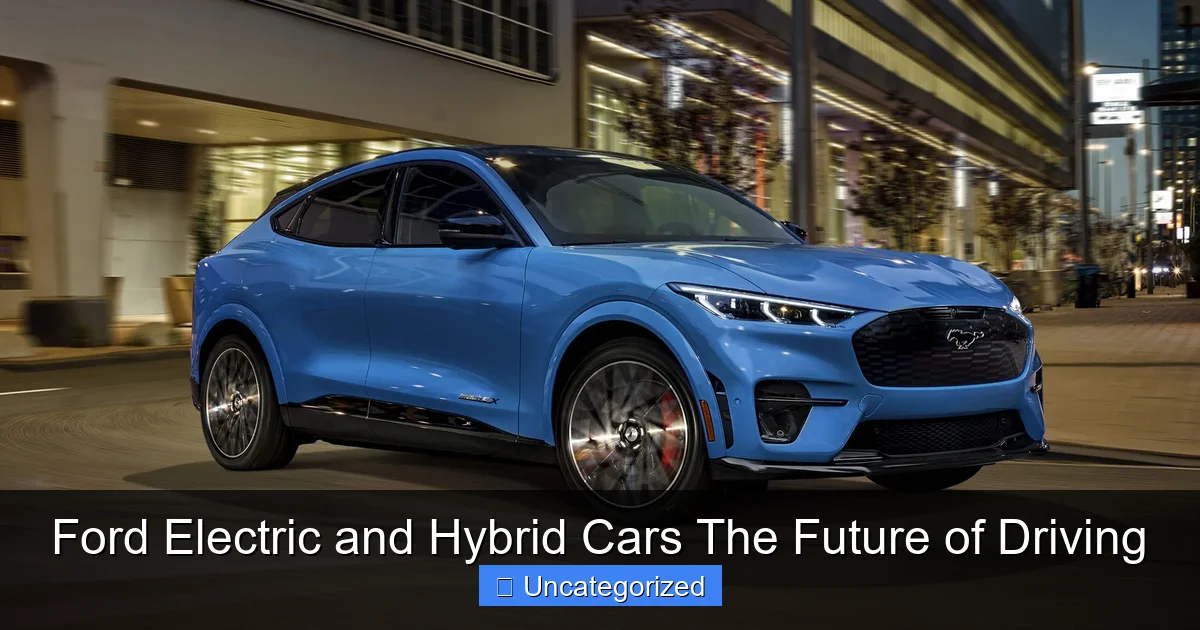
Visual guide about ford electric and hybrid cars
Image source: mediacloud.carbuyer.co.uk
1. Ford Mustang Mach-E: The Electric Muscle SUV
The Mustang Mach-E is Ford’s flagship electric vehicle, blending the iconic Mustang heritage with modern EV innovation. Available in rear-wheel drive (RWD) and all-wheel drive (AWD) configurations, the Mach-E offers up to 314 miles of EPA-estimated range (on the Extended Range RWD model). Performance enthusiasts can opt for the Mach-E GT, which delivers 480 horsepower and accelerates from 0 to 60 mph in just 3.5 seconds—rivaling many sports cars.
- Tech Highlights: 15.5-inch touchscreen with SYNC 4A, BlueCruise hands-free driving (on select trims), and over-the-air software updates.
- Real-World Tip: Use FordPass Power My Trip to plan long journeys with charging stops optimized for time and cost.
- Ideal For: Families, tech lovers, and drivers who want sporty performance in an SUV.
2. Ford F-150 Lightning: The Electric Workhorse
The F-150 Lightning is a game-changer for truck owners. As the electric version of America’s best-selling vehicle, it offers 240 to 320 miles of range, depending on the battery size. But it’s more than just a green pickup—it’s a mobile power station. With Pro Power Onboard, the Lightning can deliver up to 9.6 kW of electricity, powering tools, homes during outages, or even tailgating gear.
- Tech Highlights: Mega Power Frunk (32 cu. ft. of front trunk storage), Intelligent Backup Power, and Ford Intelligent Range for accurate trip planning.
- Real-World Tip: The Lightning can power a home for up to 3 days during an outage (with a 131-kWh battery and average usage).
- Ideal For: Contractors, outdoor enthusiasts, and anyone who needs a rugged, capable truck with zero tailpipe emissions.
3. Ford Escape Hybrid & Plug-In Hybrid: Efficiency Meets Versatility
The Escape Hybrid and Escape Plug-In Hybrid (PHEV) are perfect for drivers seeking fuel savings without the range anxiety of full EVs. The standard hybrid achieves up to 40 mpg combined, while the PHEV offers 37 miles of all-electric range before switching to hybrid mode. Both models are compact, agile, and packed with safety features.
- Tech Highlights: Ford Co-Pilot360 (blind-spot monitoring, lane-keeping assist), available 12.3-inch digital instrument cluster.
- Real-World Tip: Charge the PHEV overnight at home using a standard 120V outlet (10-12 hours) or a Level 2 charger (3.5 hours).
- Ideal For: Urban commuters, small families, and drivers transitioning from gas to hybrid.
4. Ford Explorer Hybrid: The Family SUV with Efficiency
The Explorer Hybrid is a full-size SUV that doesn’t sacrifice space for efficiency. With seating for seven and up to 27 mpg combined, it’s a smart choice for families who want to reduce their carbon footprint without giving up utility. The hybrid system pairs a 3.3L V6 engine with an electric motor, delivering smooth, quiet performance.
- Tech Highlights: Available Active Drive Assist, SYNC 3 infotainment, and a hands-free liftgate.
- Real-World Tip: Use the Hybrid mode selector to prioritize electric-only driving in city traffic.
- Ideal For: Large families, road-trippers, and drivers who need cargo space.
5. Ford E-Transit: Electrifying the Work Van
For commercial users, the E-Transit is a fully electric cargo van with a 126-mile range and a payload capacity of up to 3,800 lbs. It’s designed for last-mile delivery, tradespeople, and fleet operators looking to cut fuel and maintenance costs.
- Tech Highlights: Ford Telematics, Pro Power Onboard (2.4 kW), and a low step-in height for easy loading.
- Real-World Tip: Charge at depots using Level 2 chargers (80% in 2 hours) or DC fast chargers (80% in 34 minutes).
- Ideal For: Small businesses, delivery services, and mobile workshops.
How Ford’s Hybrid and EV Technology Works
Understanding the technology behind Ford’s electrified vehicles helps drivers make informed choices. Ford uses a combination of full hybrid (HEV), plug-in hybrid (PHEV), and battery-electric (BEV) systems, each with distinct advantages.
Full Hybrid (HEV): Seamless Efficiency
Full hybrids like the Escape and Explorer Hybrid use a gasoline engine and electric motor that work together. The car automatically switches between electric-only, gas-only, or combined power based on driving conditions. The battery recharges through regenerative braking and the gas engine—no plug-in required.
- Key Benefit: No charging infrastructure needed. Great for drivers who can’t charge at home.
- Example: The Escape Hybrid can drive up to 1.5 miles in electric-only mode at low speeds.
Plug-In Hybrid (PHEV): The Best of Both Worlds
PHEVs, like the Escape PHEV, have larger batteries that can be charged via an outlet or public charger. They offer a limited all-electric range (e.g., 37 miles) before switching to hybrid mode. This is ideal for short commutes or city driving.
- Key Benefit: Zero emissions for daily driving, with gas backup for longer trips.
- Example: A PHEV driver with a 30-mile round-trip commute can go weeks without using gas.
Battery-Electric (BEV): Zero Emissions, Full Performance
BEVs like the Mustang Mach-E and F-150 Lightning run solely on electricity. They use high-capacity lithium-ion batteries and electric motors, producing no tailpipe emissions. Ford uses advanced battery chemistries (e.g., nickel-cobalt-aluminum) for longer life and faster charging.
- Key Benefit: Lower operating costs (electricity is cheaper than gas), instant torque, and quiet operation.
- Example: The F-150 Lightning’s dual motors provide 580 lb-ft of torque instantly—no gear shifting needed.
Ford’s Charging and Energy Management
Ford addresses range anxiety with a robust charging ecosystem:
- FordPass Charging Network: Access to 19,500+ public chargers (including 2,000+ DC fast chargers).
- Ford Connected Charge Station: A home Level 2 charger (installation support available).
- Intelligent Range: Uses real-time data (weather, traffic, terrain) to predict battery usage.
The Benefits of Driving a Ford Electric or Hybrid
Switching to a Ford electric or hybrid vehicle isn’t just about being eco-conscious—it’s a practical decision with tangible benefits.
1. Lower Fuel and Maintenance Costs
Electric vehicles have fewer moving parts than gas engines, reducing maintenance needs. No oil changes, spark plugs, or exhaust systems. According to the U.S. Department of Energy, EVs cost half as much to operate per mile as gas cars. Hybrids offer similar savings, with the Escape Hybrid saving drivers up to $4,500 over 5 years compared to a gas model.
2. Environmental Impact
Ford’s electrified vehicles significantly reduce greenhouse gas emissions. A study by the Union of Concerned Scientists found that EVs produce 64% fewer emissions over their lifetime than gas cars, even when accounting for battery production. Hybrids are a great middle ground, cutting emissions by 30-50%.
3. Tax Incentives and Rebates
Many Ford EVs and PHEVs qualify for federal tax credits (up to $7,500 for new BEVs and PHEVs). States like California, Colorado, and New York offer additional rebates (up to $2,000). Always check current incentives at afdc.energy.gov.
4. Enhanced Driving Experience
Electric motors provide instant torque, resulting in smooth, quiet acceleration. Features like one-pedal driving (regenerative braking) and hands-free BlueCruise (on select models) make driving easier and safer.
5. Resale Value and Future-Proofing
EVs and hybrids are holding their value better than gas cars. The Mustang Mach-E, for example, has a 5-year resale value of 58% (per iSeeCars), compared to 50% for gas SUVs. As cities implement low-emission zones, owning an electrified vehicle ensures you’ll always have access.
Charging Made Easy: Ford’s Ecosystem and Tips
One of the biggest concerns for new EV owners is charging. Ford has built a user-friendly ecosystem to make it effortless.
Home Charging: The Foundation
Most EV charging happens at home. Ford offers:
- Level 1 (120V): Uses a standard outlet. Adds 3-5 miles of range per hour. Good for PHEVs.
- Level 2 (240V): Adds 25-30 miles per hour. Ford’s Connected Charge Station is $799 (installation extra).
- Tip: Charge overnight to take advantage of lower electricity rates.
Public Charging: FordPass to the Rescue
FordPass gives drivers access to the BlueOval Charge Network, with:
- DC Fast Chargers: 150 kW stations can charge a Mach-E from 10% to 80% in 45 minutes.
- Navigation Integration: SYNC 4A automatically routes to chargers with real-time availability.
- Tip: Use the FordPass app to filter chargers by speed, price, and amenities (e.g., restrooms).
Workplace and Community Charging
Many employers and apartment complexes offer charging stations. Ford partners with ChargePoint and others to expand access. Ask your employer or property manager about installing chargers.
Charging Etiquette and Best Practices
- Don’t hog the charger: Move your car once charged, especially at fast chargers.
- Precondition the battery: Use the app to warm/cool the battery before charging in extreme weather.
- Plan ahead: Use Ford’s Trip Planner to avoid range anxiety on road trips.
What’s Next: Ford’s Electrification Roadmap
Ford isn’t stopping with its current lineup. The company has committed to investing $50 billion in EVs through 2026 and plans to produce 2 million EVs annually by 2026. Here’s what’s coming:
1. Next-Gen Electric Trucks and Vans
Ford is developing a new electric pickup (codenamed “Project T3”) and a larger E-Transit van. These will use a new modular EV platform for improved range and performance.
2. Affordable EVs for the Masses
Ford aims to launch a $25,000 compact EV by 2026, targeting price-sensitive buyers. This could be a game-changer in markets like Europe and Asia.
3. Battery Breakthroughs
Ford is investing in solid-state batteries (through partnerships with SK On and Solid Power) for higher energy density, faster charging, and longer life. Expect a 50% increase in range by 2030.
4. Sustainable Manufacturing
Ford’s Rouge Electric Vehicle Center (F-150 Lightning) and BlueOval City (Tennessee) will use 100% renewable energy and recycled materials, reducing the carbon footprint of EV production.
5. Smart Grid Integration
Ford is exploring vehicle-to-grid (V2G) technology, allowing EVs to power homes and stabilize the grid during peak demand. The F-150 Lightning already offers vehicle-to-load (V2L) for home backup.
Data Table: Ford’s Current Electrified Models at a Glance
| Model | Type | Range (EPA) | MPG/MPGe | Starting MSRP | Tax Credit Eligible? |
|---|---|---|---|---|---|
| Mustang Mach-E | BEV | 224–314 mi | 90–100 MPGe | $42,995 | Yes (up to $7,500) |
| F-150 Lightning | BEV | 240–320 mi | 70–78 MPGe | $49,995 | Yes (up to $7,500) |
| Escape Hybrid | HEV | 550–600 mi | 40 mpg | $31,090 | No |
| Escape PHEV | PHEV | 37 mi (electric) + 500 mi (hybrid) | 100 MPGe | $38,500 | Yes (up to $3,750) |
| Explorer Hybrid | HEV | 500 mi | 27 mpg | $52,775 | No |
| E-Transit | BEV | 126 mi | 68 MPGe | $51,095 | Yes (up to $7,500) |
The Future Is Electric—And Ford Is Leading the Charge
Ford’s electric and hybrid cars represent more than just a shift in propulsion—they’re a reimagining of the entire driving experience. With vehicles that combine American ingenuity with cutting-edge technology, Ford is proving that sustainability doesn’t mean sacrificing performance, comfort, or capability. Whether you’re drawn to the Mustang Mach-E’s sporty elegance, the F-150 Lightning’s rugged versatility, or the Escape Hybrid’s practical efficiency, there’s a Ford electrified vehicle for every driver.
The road ahead is clear: electrification is not a trend—it’s the future. And Ford is not just keeping pace; it’s setting the standard. By investing in innovation, infrastructure, and sustainability, Ford is ensuring that the next generation of drivers will enjoy cleaner air, lower costs, and smarter technology. So, if you’re considering making the switch, there’s never been a better time to join the electric revolution. The future of driving is here—and it’s powered by Ford.
Frequently Asked Questions
What are the benefits of choosing Ford electric and hybrid cars?
Ford electric and hybrid cars offer lower fuel costs, reduced emissions, and access to incentives like tax credits. They also deliver a smooth, quiet driving experience with advanced tech features like regenerative braking and smart energy management.
Which Ford models are available as electric or hybrid vehicles?
Ford’s lineup includes the all-electric Mustang Mach-E, the F-150 Lightning, and hybrid versions of the Escape, Explorer, and F-150. These models combine performance, utility, and eco-friendly innovation.
How long does it take to charge a Ford electric car?
Charging time for Ford electric cars depends on the charger type: Level 2 (240V) can fully charge in 8–10 hours, while DC fast charging can reach 80% in about 40 minutes. The Mustang Mach-E and F-150 Lightning support fast charging for added convenience.
Are Ford electric and hybrid cars eligible for government incentives?
Yes, many Ford electric and hybrid cars qualify for federal tax credits (up to $7,500) and state-specific rebates or perks like HOV lane access. Incentives vary by location and vehicle model.
What is the driving range of Ford’s electric vehicles?
The Mustang Mach-E offers up to 314 miles per charge (depending on trim), while the F-150 Lightning ranges up to 320 miles. Real-world range varies based on driving conditions, terrain, and use of climate controls.
Do Ford hybrid cars require charging, or do they charge while driving?
Ford hybrid models like the Escape Hybrid use regenerative braking and the gas engine to recharge the battery, so no plug-in charging is needed. Plug-in hybrids (PHEVs), like the Explorer Hybrid, offer both electric-only range and gas backup.