Ford Electric Car Charger Recall What You Need to Know
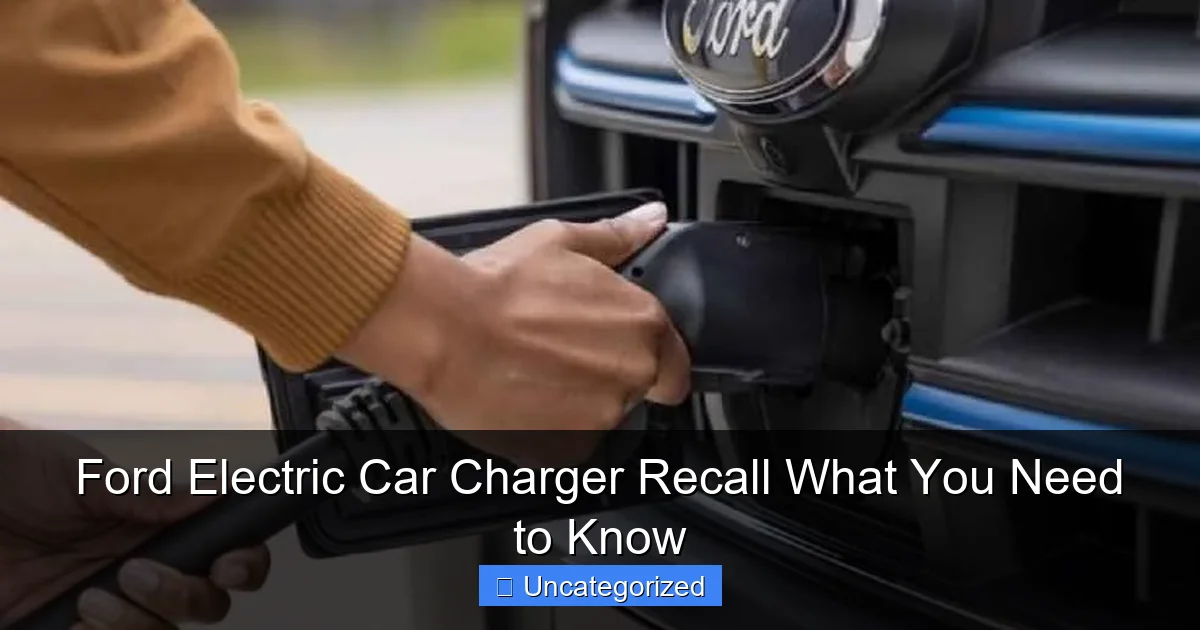
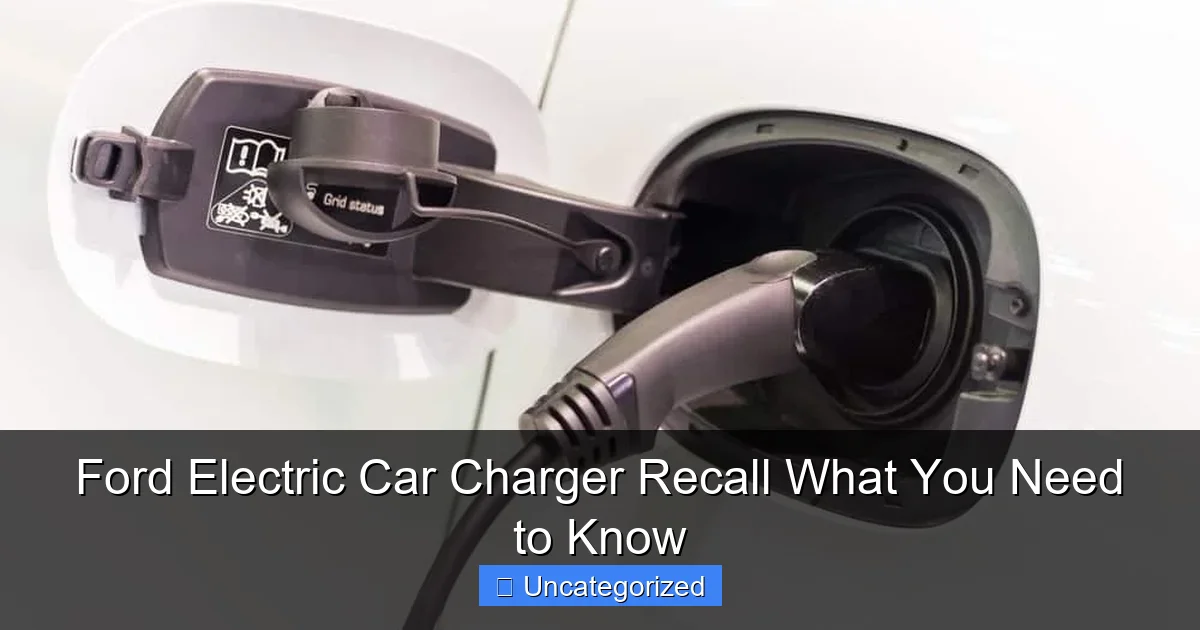
Featured image for ford electric car charger recall
Image source: autoworldjournal.com
Ford has issued a recall for certain electric car chargers due to a potential overheating risk that could lead to fire hazards, affecting select 2022–2023 model year vehicles. Owners are urged to stop using the affected 120-volt charging cords immediately and contact Ford for a free replacement or refund—visit Ford’s recall portal or call customer service for fast resolution.
Key Takeaways
- Check your charger: Verify if your Ford EV charger is part of the recall via VIN or model number.
- Stop using immediately: Discontinue use if recalled to prevent overheating or fire risks.
- Contact Ford: Call Ford’s customer service for a free replacement or repair.
- Update software: Ensure your vehicle’s software is current to avoid charging issues.
- Monitor alerts: Watch for official recall notices via mail or email from Ford.
- Alternative charging: Use public stations until your recalled charger is replaced.
📑 Table of Contents
- The Ford Electric Car Charger Recall: A Critical Safety Update
- What Prompted the Ford Electric Car Charger Recall?
- How to Check If Your Ford Charger Is Affected
- What to Do If Your Charger Is Recalled
- Impact on Ford EV Owners and the Broader EV Ecosystem
- Preventive Measures and Best Practices for EV Charging
- Conclusion: Staying Safe and Informed
The Ford Electric Car Charger Recall: A Critical Safety Update
In early 2023, Ford Motor Company issued a voluntary recall affecting thousands of its electric vehicle (EV) charging equipment units—specifically the Ford-branded Level 2 home chargers (also known as the Ford Connected Charge Station). This recall sent ripples through the EV community, raising concerns about safety, reliability, and the long-term viability of home charging infrastructure. For current and prospective Ford EV owners, understanding the details of this Ford electric car charger recall is not just about compliance—it’s about ensuring the safety of your home, vehicle, and family.
The recall, announced in collaboration with the U.S. Consumer Product Safety Commission (CPSC), involves over 200,000 charging units distributed across North America. These chargers were provided as standard or optional equipment with Ford’s all-electric models, including the Ford Mustang Mach-E and Ford F-150 Lightning. While no major injuries or fatalities have been reported, the potential for overheating, melting, or even fire has prompted Ford to take swift action. This blog post dives deep into the Ford electric car charger recall, covering what happened, why it matters, how to check if your charger is affected, and what steps to take next. Whether you’re a new EV owner or a seasoned driver, this information is essential for making informed, safe decisions about your charging setup.
What Prompted the Ford Electric Car Charger Recall?
Root Cause of the Defect
The primary issue behind the Ford electric car charger recall stems from a manufacturing defect in the internal components of the charging station. According to Ford and CPSC reports, a specific batch of chargers—produced between 2021 and 2022—contains a faulty thermal management system. This defect can lead to excessive heat buildup during charging cycles, particularly under high-load conditions or in warmer environments. Over time, this heat can degrade internal wiring, connectors, and the charging head (the plug that connects to the vehicle), increasing the risk of melting, arcing, or fire.
Visual guide about ford electric car charger recall
Image source: bergerandgreen.com
Ford’s internal investigation revealed that the issue is tied to a defective thermal fuse and inadequate heat dissipation design in certain units. The thermal fuse is designed to shut down the charger if temperatures exceed safe thresholds. However, in affected units, this fuse either fails to activate or degrades prematurely, allowing the charger to operate at dangerous temperatures. In extreme cases, the charging cable or connector can become hot to the touch, posing a burn hazard or fire risk.
Incidents and Near-Misses
While Ford has not disclosed the full number of reported incidents, the CPSC received over 100 complaints from consumers citing melting components, smoke, or burning smells during charging. One notable case in California involved a charger head melting onto the vehicle’s charging port, requiring professional intervention to remove. Another in Texas reported a small fire near the wall outlet after prolonged use. These incidents, though isolated, highlight the real-world dangers of a malfunctioning charging system.
Ford emphasized that the recall is preventive—meaning the company is acting before more serious incidents occur. “We take safety seriously, and this recall reflects our commitment to protecting our customers,” stated a Ford spokesperson during the announcement. The proactive nature of the recall underscores the importance of heeding official notices and not dismissing potential warning signs.
Scope of the Recall
The recall affects 221,000 units of the Ford Connected Charge Station (Model F-150-CHARGER-110/240), including:
- Units sold as part of the vehicle purchase package (2021–2023 Mustang Mach-E and F-150 Lightning)
- Standalone chargers purchased through Ford’s online store or dealerships
- Units installed through Ford’s “Charge at Home” program, which includes professional installation services
Importantly, only specific serial number ranges are affected. Ford has provided a lookup tool on its official website to help owners verify whether their charger is part of the recall. The recall does not impact Ford’s mobile cord set (the portable Level 1 charger that comes with every EV), nor does it affect public charging stations or third-party chargers used with Ford vehicles.
How to Check If Your Ford Charger Is Affected
Locating Your Charger’s Serial Number
The first step in determining if your charger is part of the Ford electric car charger recall is to find the serial number. This is typically located on a label on the back or side of the charging unit. The serial number is a 12-digit alphanumeric code, often starting with “FCH” or “FCS”. For example: FCH2205123456.
If you’ve already installed the charger on a wall or pedestal, you may need to temporarily remove it or use a flashlight to read the label. Alternatively, if you registered your charger through Ford’s FordPass app or website, your serial number may be stored in your account. Check under “My Vehicles” > “Charging Equipment” for details.
Using Ford’s Official Recall Lookup Tool
Ford has launched a dedicated recall portal at ford.com/recalls. Here’s how to use it:
- Navigate to the “Charging Equipment” section.
- Enter your charger’s serial number.
- Click “Check Recall Status.”
- The tool will indicate whether your unit is affected and provide next steps.
Alternatively, you can call Ford’s customer service at 1-866-436-7332 and provide your serial number over the phone. Customer service representatives can verify the status and guide you through the replacement process.
Signs of a Faulty Charger (Even If Not Officially Recalled)
Even if your serial number isn’t on the official list, be vigilant for these warning signs:
- Excessive heat on the charger body, cable, or connector during use.
- Burning smell or visible smoke during charging.
- Discoloration or melting of plastic components.
- Intermittent charging or error messages on the vehicle’s dashboard.
- Tripping of home circuit breakers during charging.
If you observe any of these symptoms, stop using the charger immediately and contact Ford. Do not attempt to repair the unit yourself—this could void warranties and increase safety risks.
What to Do If Your Charger Is Recalled
Immediate Safety Precautions
If your charger is confirmed to be part of the Ford electric car charger recall, take the following steps immediately:
- Unplug the charger from the wall outlet and disconnect it from your vehicle.
- Do not use the charger until a replacement is installed.
- Inspect the wall outlet and surrounding area for signs of scorching, melting, or damage. If damage is found, consult a licensed electrician before using any other device on that circuit.
- Store the recalled charger safely—preferably in a cool, dry place away from flammable materials—until Ford arranges pickup.
Ford recommends using Level 1 charging (120V) as a temporary alternative. While slower (adding ~3–5 miles of range per hour), it’s a safe option until your replacement arrives. You can also use public Level 2 chargers at shopping centers, workplaces, or via apps like PlugShare.
Requesting a Free Replacement
Ford is offering free replacements for all affected chargers. Here’s how to get yours:
- Visit ford.com/recalls and enter your serial number.
- If recalled, click “Request Replacement.”
- Fill out the form with your contact and shipping information.
- Ford will ship a new, updated charger (Model F-150-CHARGER-2) within 2–4 weeks.
- Ford will also schedule a free pickup of your old charger—no need to return it yourself.
The new charger features an improved thermal management system, reinforced connectors, and a redesigned housing to prevent overheating. It also includes a 5-year warranty, compared to the original 3-year coverage.
Professional Installation and Setup
Ford strongly recommends professional installation of the replacement charger. If you used Ford’s “Charge at Home” service initially, a technician will be scheduled to install the new unit at no cost. Even if you installed it yourself, Ford offers a one-time free installation visit for recalled units.
During installation, the technician will:
- Inspect your home’s electrical panel and wiring.
- Verify proper grounding and circuit capacity (minimum 240V/40A).
- Test the new charger for safety and functionality.
- Provide a brief tutorial on safe charging practices.
Tip: Take this opportunity to ask about energy monitoring and off-peak charging schedules—features available in the updated charger that can help reduce electricity costs.
Impact on Ford EV Owners and the Broader EV Ecosystem
Customer Trust and Brand Reputation
The Ford electric car charger recall has sparked debate about Ford’s quality control in its EV transition. While the recall itself is a responsible move, it has raised questions about Ford’s reliance on third-party suppliers. The defective chargers were manufactured by Webasto Group, a German automotive supplier, under contract with Ford. This highlights a broader challenge in the EV industry: as automakers rush to electrify their lineups, supply chain oversight can lag behind innovation.
However, Ford’s swift response—issuing the recall within weeks of identifying the issue—has been praised by consumer advocates. “Ford is doing the right thing by prioritizing safety over profits,” said a spokesperson from the National Highway Traffic Safety Administration (NHTSA). “This sets a precedent for other automakers.”
Financial and Logistical Considerations
For owners, the recall is largely cost-free due to Ford’s comprehensive support. However, there are indirect impacts:
- Downtime: Without a working Level 2 charger, owners may experience range anxiety, especially in colder months when charging efficiency drops.
- Public charging costs: Relying on paid public chargers during the wait for a replacement can add $20–$50 per week, depending on usage.
- Home electrical upgrades: Some owners may need to upgrade their home’s electrical panel (e.g., from 100A to 200A) to support faster charging. Ford does not cover these costs, but federal and state incentives may help offset them.
To minimize disruption, Ford has partnered with ChargePoint and EVgo to offer free charging credits (up to $100) for affected customers. Check your FordPass app for redemption details.
Lessons for the EV Industry
This recall underscores the importance of standardized safety testing for EV charging equipment. Unlike vehicles, which undergo rigorous crash and safety testing, charging stations are often treated as “accessories” with less oversight. The Ford incident may push regulators to implement stricter certification requirements, such as:
- Mandatory thermal runaway testing.
- Third-party certification for all OEM charging equipment.
- Real-time remote monitoring capabilities to detect anomalies.
As EVs become more common, ensuring the safety of all components—not just the vehicle itself—will be critical for public adoption.
Preventive Measures and Best Practices for EV Charging
Choosing a Safe Charging Setup
To avoid future issues, follow these best practices when setting up your EV charger:
- Use OEM or UL-certified chargers. Avoid off-brand or uncertified units, which may lack proper safety features.
- Install on a dedicated circuit (240V, 40A minimum) with proper grounding.
- Keep the charger away from flammable materials (e.g., curtains, furniture).
- Use weatherproof enclosures for outdoor installations.
- Label the breaker in your electrical panel for easy identification during emergencies.
Routine Maintenance and Monitoring
Regularly inspect your charger for:
- Cracks, discoloration, or swelling in the housing.
- Loose or damaged cables.
- Corrosion on connectors.
Use the FordPass app to monitor charging sessions. Set up notifications for interruptions or errors. If your charger supports it, enable temperature monitoring—some models can send alerts if internal temps rise abnormally.
Emergency Preparedness
Every EV owner should have an emergency plan:
- Keep a fire extinguisher (Class C for electrical fires) near your charging area.
- Know how to quickly shut off power to the charger (e.g., via the breaker or a remote switch).
- Have a portable charger (Level 1) as a backup.
- Register your vehicle and charger with Ford’s 24/7 roadside assistance for support during charging issues.
Data Table: Ford Charger Recall Key Facts
| Detail | Information |
|---|---|
| Recall Issued By | Ford Motor Company & U.S. CPSC |
| Affected Model | Ford Connected Charge Station (F-150-CHARGER-110/240) |
| Units Recalled | 221,000 |
| Production Years | 2021–2022 |
| Primary Defect | Faulty thermal management system causing overheating |
| Risk Level | Fire and burn hazards |
| Replacement Model | F-150-CHARGER-2 (enhanced safety features) |
| Replacement Cost | Free (including shipping and pickup) |
| Warranty on New Charger | 5 years |
| Customer Support | 1-866-436-7332 | ford.com/recalls |
Conclusion: Staying Safe and Informed
The Ford electric car charger recall is a stark reminder that the shift to electric vehicles brings new challenges—especially around charging infrastructure. While the defect is concerning, Ford’s transparent and customer-focused response sets a positive example for the industry. By acting quickly, offering free replacements, and providing robust support, Ford is reinforcing its commitment to safety and innovation.
For owners, the key takeaway is clear: verify your charger’s status today. Don’t wait for warning signs to appear. Use Ford’s tools, follow safety guidelines, and take advantage of the free replacement program. This recall isn’t just about fixing a faulty product—it’s about building trust in the EV revolution.
As electric vehicles become the norm, incidents like this will shape industry standards, consumer expectations, and regulatory frameworks. By staying informed, proactive, and safety-conscious, you’re not just protecting your home and vehicle—you’re contributing to a safer, more reliable electric future for everyone.
Frequently Asked Questions
What prompted the Ford electric car charger recall?
The recall was initiated due to a potential overheating issue in certain Ford-branded electric vehicle chargers, which could pose a fire hazard. Ford identified the problem during internal testing and notified the National Highway Traffic Safety Administration (NHTSA) to address it promptly.
Which Ford electric car charger models are affected by the recall?
The recall primarily impacts Ford Mobile Power Cord Chargers (models 2022-2023) included with select Mustang Mach-E and F-150 Lightning vehicles. Owners can verify if their charger is affected using the VIN or charger serial number on Ford’s recall website.
How do I know if my Ford electric car charger is recalled?
Ford will mail recall notices to affected vehicle owners, but you can also check online by entering your VIN or charger’s serial number on the Ford Recall Lookup tool. The tool will confirm if your Ford electric car charger is part of the recall.
What should I do if my charger is part of the recall?
Stop using the recalled charger immediately and contact Ford or a local dealership to schedule a free replacement. Ford recommends using public charging stations or alternative Level 1 chargers until the replacement arrives.
Is the Ford electric car charger recall free to fix?
Yes, Ford is providing a free replacement charger to all affected customers. Dealerships will also inspect and replace any damaged components caused by the faulty charger at no cost.
Can I continue driving my Ford EV during the charger recall?
Yes, you can still drive your vehicle, but avoid using the recalled Ford electric car charger. Use public charging networks, Level 2 stations, or the standard 120V outlet charger (if unaffected) until your replacement arrives.