Ford Electric Car Conversion Kit Upgrade Your Ride Today
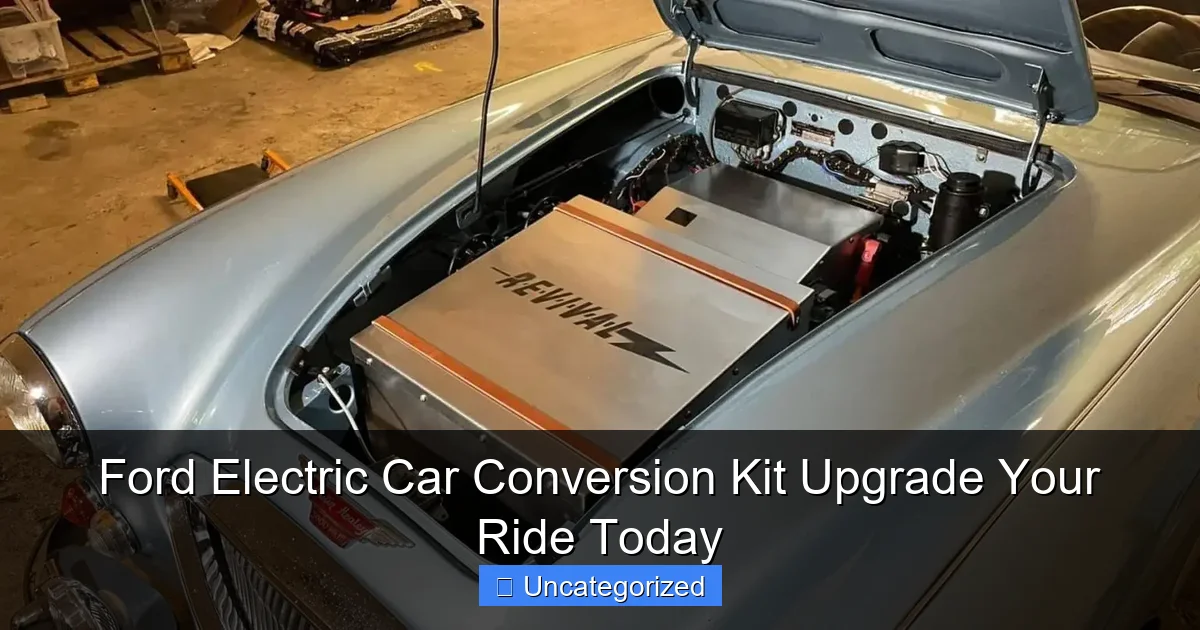
Featured image for ford electric car conversion kit
Image source: revival.autos
Transform your classic Ford into a high-performance electric vehicle with a Ford electric car conversion kit, offering seamless integration, modern efficiency, and eco-friendly power. These kits deliver instant torque, reduced emissions, and lower maintenance—all while preserving your ride’s iconic style. Upgrade today and drive the future without sacrificing heritage.
Key Takeaways
- Upgrade easily: Convert your Ford with a plug-and-play electric car conversion kit.
- Cost-effective: Save on fuel and maintenance with an affordable electric upgrade.
- Eco-friendly: Reduce emissions by switching to a zero-tailpipe-emission vehicle.
- Boost performance: Enjoy instant torque and smoother acceleration post-conversion.
- DIY-friendly: Most kits include step-by-step guides for home installation.
- Future-proof: Align your Ford with upcoming emissions regulations and trends.
📑 Table of Contents
- The Future of Driving Is Here: Upgrade Your Ford with an Electric Car Conversion Kit
- Why Convert Your Ford to Electric? The Benefits Explained
- Top Ford Electric Car Conversion Kits on the Market in 2024
- How to Choose the Right Kit for Your Ford Model
- Step-by-Step Guide: Installing a Ford Electric Conversion Kit
- Real-World Examples and Success Stories
- Upgrade Your Ride Today: The Time Is Now
The Future of Driving Is Here: Upgrade Your Ford with an Electric Car Conversion Kit
The automotive world is undergoing one of the most transformative shifts in history—the transition from internal combustion engines (ICE) to electric vehicles (EVs). While major automakers like Ford are investing heavily in new electric models like the F-150 Lightning and Mustang Mach-E, many classic and beloved Ford vehicles still rely on gasoline. For owners of vintage Mustangs, Broncos, F-Series trucks, or even modern Ford sedans, the dream of driving an electric-powered Ford doesn’t have to mean trading in a cherished vehicle. Thanks to the rise of Ford electric car conversion kits, drivers can now breathe new life into their existing rides—turning them into eco-friendly, high-performance electric machines without sacrificing their unique character.
Imagine cruising down the highway in your 1967 Ford Mustang, not with the roar of a V8, but with the near-silent hum of an electric motor, zero emissions, and instant torque. Or picture your 1990s Ford Bronco silently navigating off-road trails, powered entirely by electricity and equipped with modern regenerative braking and digital dashboards. This isn’t science fiction—it’s a reality made possible by advanced Ford electric car conversion kits. These kits allow DIY enthusiasts and professional mechanics alike to retrofit Ford vehicles with electric powertrains, offering a sustainable, cost-effective, and customizable alternative to buying a new EV. Whether you’re passionate about sustainability, performance upgrades, or preserving automotive history, converting your Ford to electric power is a smart, forward-thinking move.
Why Convert Your Ford to Electric? The Benefits Explained
Converting a Ford vehicle to electric isn’t just a trend—it’s a practical and environmentally responsible decision with a wide range of benefits. From reduced operating costs to improved performance, the advantages are compelling for both casual drivers and automotive enthusiasts.
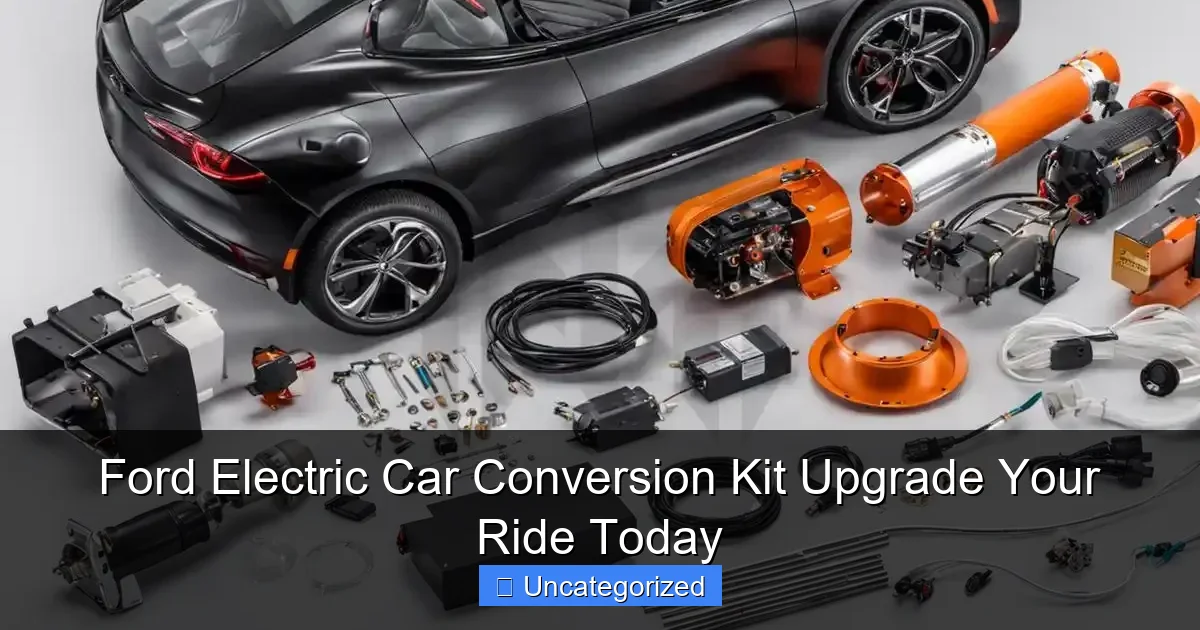
Visual guide about ford electric car conversion kit
Image source: engineeringmix.com
Environmental and Cost Savings
One of the most significant benefits of an electric conversion is the dramatic reduction in carbon emissions. By replacing a gas-powered engine with an electric motor, you eliminate tailpipe pollutants and significantly lower your carbon footprint. According to the U.S. Department of Energy, electric vehicles produce over 60% fewer greenhouse gas emissions over their lifetime compared to gasoline-powered cars, even when accounting for electricity generation.
Beyond environmental gains, electric conversions offer long-term cost savings. Electricity is cheaper than gasoline—on average, EV owners save $600–$1,200 per year on fuel costs. Maintenance is also simplified: no oil changes, fewer moving parts, no exhaust systems, and reduced brake wear due to regenerative braking. For Ford owners, this means lower annual upkeep and more time enjoying the drive.
Performance and Driving Experience
Electric motors deliver instant torque, providing faster acceleration than most ICE engines. A converted Ford Mustang with a 200 kW motor can go from 0 to 60 mph in under 5 seconds—rivaling modern sports cars. Unlike gasoline engines, which build power over time, electric motors deliver maximum torque at zero RPM, giving you a thrilling, responsive driving experience.
Additionally, electric conversions often result in better weight distribution. With batteries typically mounted low in the chassis and the motor replacing the engine, the center of gravity drops, improving handling and cornering—especially in vehicles like the Ford F-150 or Bronco, which benefit from improved balance off-road.
Preserving Automotive Heritage
For collectors and restorers, an electric conversion is a way to preserve classic Ford vehicles while making them usable in today’s world. Cities are increasingly implementing low-emission zones and restrictions on older, high-polluting vehicles. By converting a classic Ford to electric, you keep it road-legal, reduce noise pollution, and extend its lifespan without altering its iconic appearance.
Take, for example, a 1972 Ford F-250 that once served as a farm truck. With a conversion kit, it can become a silent, emission-free utility vehicle—perfect for modern rural life or urban deliveries—while retaining its rugged, vintage charm.
Top Ford Electric Car Conversion Kits on the Market in 2024
The market for Ford electric car conversion kits has grown rapidly, with several reputable manufacturers offering plug-and-play solutions tailored to Ford platforms. These kits vary in complexity, power output, and compatibility, so choosing the right one depends on your vehicle type, budget, and performance goals.
1. EV West Ford-Specific Kits
EV West is a leader in EV conversions and offers a range of Ford electric car conversion kits designed for popular models like the Mustang, Bronco, and F-Series. Their kits include:
- High-efficiency AC motors (150–300 kW)
- Modular battery packs (35–75 kWh)
- Custom motor mounts and transmission adapters
- EV-specific cooling systems
- Digital dash and CAN bus integration
EV West’s Mustang conversion kit, for example, is designed to fit seamlessly into the engine bay, using the stock transmission tunnel and preserving the car’s original look. Their kits are ideal for DIYers with mechanical experience or those working with a shop.
2. Zelectric Motors Classic Ford Conversion
Specializing in vintage conversions, Zelectric Motors offers turnkey kits for classic Ford models (1960s–1980s). Their kits focus on:
- Preserving original body lines and interiors
- Using lightweight, high-density lithium-ion batteries
- Integrating modern infotainment and climate control
- Offering a “stealth” conversion—no visible modifications
Zelectric’s 1965 Mustang conversion, for instance, retains the original steering wheel and gauges but replaces the engine with a 200-hp electric motor and 48 kWh battery, offering a 150-mile range. Their kits are perfect for purists who want modern performance without compromising authenticity.
3. Electric GT Ford F-150 Conversion Kit
Electric GT targets pickup truck owners with robust, high-torque kits designed for the Ford F-150. Key features include:
- 400+ horsepower electric motors
- Dual battery packs (60 kWh total) for extended range
- 4WD compatibility with transfer case retention
- Enhanced towing capacity (up to 5,000 lbs)
- Regenerative braking with adjustable levels
This kit is ideal for contractors, off-roaders, or anyone who needs a powerful, silent workhorse. Electric GT also offers remote monitoring via a smartphone app, allowing owners to track battery health, charging status, and energy usage.
4. Thunderstruck Motors Ford Bronco Kit
Thunderstruck Motors offers a rugged conversion kit specifically for the Ford Bronco, emphasizing off-road capability. The kit includes:
- Water-resistant motor and battery enclosures
- Skid plates and reinforced mounting brackets
- Adjustable suspension compatibility
- 12V auxiliary system for camping gear and winches
With a 180-mile range and 250 lb-ft of torque, this kit transforms the Bronco into an eco-friendly trailblazer—ideal for overlanding and eco-tourism.
How to Choose the Right Kit for Your Ford Model
Selecting the best Ford electric car conversion kit requires careful consideration of several factors. Not all kits are universal, and compatibility depends on your vehicle’s year, model, drivetrain, and intended use.
Assess Your Vehicle’s Compatibility
Start by identifying your Ford model and year. Some kits are model-specific (e.g., 1964–1973 Mustang), while others are platform-based (e.g., 1980–1996 F-Series). Check the manufacturer’s compatibility list. For example, EV West provides a detailed fitment guide, while Zelectric Motors specializes in pre-1975 vehicles.
Pro Tip: Measure your engine bay and transmission tunnel before ordering. Some kits require minor modifications to the firewall or floor pan, especially in older models with tight clearances.
Determine Your Power and Range Needs
Ask yourself: What will you use the vehicle for?
- Daily commuter: 30–50 kWh battery, 100–150 mile range, 150–200 hp
- Weekend cruiser / classic car: 40–60 kWh, 150–200 miles, 200–300 hp
- Work truck / off-roader: 60+ kWh, 200+ miles, 300+ hp, dual motors for AWD
Higher power means more speed and towing capacity but also increases cost and battery weight. Balance performance with practicality.
Consider Installation Complexity and Support
Some kits are designed for DIY installation, while others require professional help. Look for:
- Comprehensive wiring diagrams and manuals
- Customer support (phone, email, forums)
- Video tutorials or in-person workshops
- Warranty coverage (typically 2–5 years on motors and batteries)
For first-time converters, kits with plug-and-play harnesses and pre-programmed controllers (like those from Electric GT) reduce the risk of errors. If you’re unsure, consider hiring a certified EV conversion shop—many specialize in Ford platforms.
Budget and Total Cost of Ownership
Conversion kits range from $15,000 to $35,000, depending on power, battery size, and included components. Additional costs may include:
- Labor (if not DIY): $5,000–$15,000
- Custom fabrication (motor mounts, battery trays): $1,000–$3,000
- Upgraded suspension or brakes: $1,500+
- Charging infrastructure: Level 2 charger ($500–$1,200)
While the upfront cost is significant, remember that EVs have lower fuel and maintenance costs, potentially saving thousands over 5–10 years.
Step-by-Step Guide: Installing a Ford Electric Conversion Kit
Installing a Ford electric car conversion kit is a rewarding project that combines mechanical skill with modern technology. While the process varies by kit, here’s a general step-by-step guide to help you plan your conversion.
1. Preparation and Safety
Before starting, ensure you have a clean, well-lit workspace with proper tools (wrenches, jacks, multimeters). Disconnect the 12V battery and drain all fluids (oil, coolant, fuel). Remove the gas tank, exhaust system, and emissions components. Wear protective gear and follow all safety protocols.
Tip: Label all wires and take photos during disassembly to aid reassembly.
2. Remove the Gasoline Engine and Components
Use an engine hoist to remove the engine, transmission, and associated parts (radiator, fuel lines, air intake). Clean the engine bay thoroughly. Some kits allow you to keep the transmission (especially in manual vehicles), while others replace it with a direct-drive motor.
3. Install Motor Mounts and Electric Motor
Follow the kit’s instructions to install custom motor mounts. Secure the electric motor to the mounts, ensuring alignment with the transmission (if retained). Connect the motor to the drivetrain using the provided adapter plate and coupler.
Pro Tip: Use alignment tools to avoid vibration and driveline stress.
4. Mount Battery Packs
Batteries are typically installed in the engine bay, trunk, or under the chassis. Secure them with custom trays or brackets, ensuring they’re protected from impacts and moisture. Use insulated cables and proper fusing. For weight distribution, aim for a 50/50 front-rear balance.
5. Wire the Electrical System
Connect the battery to the motor controller, DC-DC converter, and onboard charger. Run high-voltage cables through protective conduit. Install the battery management system (BMS) and connect it to the main battery pack. Test all connections with a multimeter before powering on.
Warning: High-voltage systems can be deadly. Double-check all connections and use insulated tools.
6. Integrate Controls and Gauges
Install the digital dashboard, charge port, and key switch. Program the motor controller for your desired performance profile (acceleration, regenerative braking). Connect the 12V auxiliary system for lights, wipers, and accessories.
Example: In a Mustang conversion, the original speedometer can be retained using a GPS-based sender unit, preserving the classic look while providing accurate readings.
7. Test and Tune
Perform a low-voltage check first, then gradually power up the system. Test the motor, brakes, and charging. Take a short test drive and monitor for unusual noises or errors. Fine-tune settings using the controller’s software interface.
Real-World Examples and Success Stories
To inspire your conversion journey, here are real-world examples of Ford owners who transformed their vehicles with electric kits.
Case Study 1: 1968 Ford Mustang “Silent Stallion”
Owner: Mark T., California
Kit: EV West 200 kW AC Motor + 50 kWh Battery
Result: 0–60 mph in 4.8 seconds, 180-mile range, silent operation. Mark retained the original interior and added a touchscreen infotainment system. He now uses the car for weekend drives and EV meetups, where it’s a crowd favorite.
Case Study 2: 1986 Ford Bronco “Eco-Crawler”
Owner: Sarah L., Colorado
Kit: Thunderstruck Motors Off-Road Kit
Result: 250 hp, 200-mile range, water fording up to 30 inches. Sarah converted the Bronco for overlanding trips, using solar panels to extend range. The silent operation allows her to enjoy nature without disturbing wildlife.
Case Study 3: 2003 Ford F-150 “Workhorse EV”
Owner: James R., Texas
Kit: Electric GT F-150 Conversion
Result: 400 hp, 5,000 lb towing capacity, Level 2 charging. James uses the truck for his landscaping business, saving $1,000/month on fuel. The truck now features a bed-mounted solar canopy for charging on the job.
Data Table: Ford Electric Conversion Kit Comparison (2024)
| Kit Manufacturer | Best For | Power Range | Battery Options | Range (Est.) | Price Range | DIY Friendly? |
|---|---|---|---|---|---|---|
| EV West | Mustang, F-Series | 150–300 kW | 35–75 kWh | 120–250 miles | $18,000–$32,000 | Yes (Intermediate) |
| Zelectric Motors | Classic Mustangs, Broncos | 150–200 hp | 40–50 kWh | 130–170 miles | $25,000–$35,000 | No (Pro Install) |
| Electric GT | F-150, Work Trucks | 300–400 hp | 60 kWh (Dual) | 200+ miles | $22,000–$30,000 | Yes (With Support) |
| Thunderstruck Motors | Bronco, Off-Road | 200–300 hp | 50–60 kWh | 180–220 miles | $20,000–$28,000 | Yes (Advanced) |
Upgrade Your Ride Today: The Time Is Now
The era of electric mobility is no longer a distant future—it’s here, and it’s accessible. With a Ford electric car conversion kit, you can transform your beloved Ford into a cutting-edge, eco-friendly machine without sacrificing its soul. Whether you drive a classic Mustang, a rugged Bronco, or a dependable F-150, the power to upgrade is in your hands.
Beyond the environmental and economic benefits, converting your Ford to electric is a statement. It says you value innovation, sustainability, and the timeless appeal of American automotive design. It’s a way to honor the past while embracing the future. And with the growing availability of high-quality kits, expert support, and real-world success stories, there’s never been a better time to make the switch.
So why wait? Start researching kits, connect with conversion communities, and plan your project. Whether you’re a DIY enthusiast or prefer a professional install, the journey to an electric Ford begins today. Upgrade your ride, reduce your carbon footprint, and experience the thrill of silent, instant power. The road ahead is electric—and it’s waiting for you.
Frequently Asked Questions
What is a Ford electric car conversion kit?
A Ford electric car conversion kit is a complete set of components designed to transform a gas-powered Ford vehicle into an electric vehicle (EV). These kits typically include a motor, battery pack, controller, and wiring harness, allowing for a seamless transition to zero-emission driving.
Can I install a Ford electric car conversion kit myself?
Yes, many Ford electric car conversion kits are designed for DIY installation, but basic automotive and electrical skills are essential. For safety and optimal performance, professional installation is recommended, especially for complex wiring and battery integration.
Which Ford models are compatible with electric conversion kits?
Most Ford electric car conversion kits support classic and modern models like the F-150, Mustang, Ranger, and Crown Victoria. Always verify compatibility with the kit manufacturer to ensure your specific year and model are supported.
How much does a Ford electric car conversion kit cost?
Prices for a Ford electric car conversion kit range from $8,000 to $20,000+, depending on battery capacity, motor power, and included components. Additional costs for labor or upgrades may apply if you opt for professional installation.
How long does it take to convert a Ford car to electric?
The conversion process typically takes 40–100 hours, depending on the kit complexity and your experience level. DIYers may spread the project over several weekends, while professionals can often complete it in 1–2 weeks.
Are Ford electric car conversion kits street-legal?
Yes, most Ford electric car conversion kits meet U.S. safety and emissions standards when installed correctly. However, you must register your converted vehicle with your local DMV and ensure it passes any required inspections for EV compliance.