Ford Electric Car Miles Per Charge How Far Can It Go
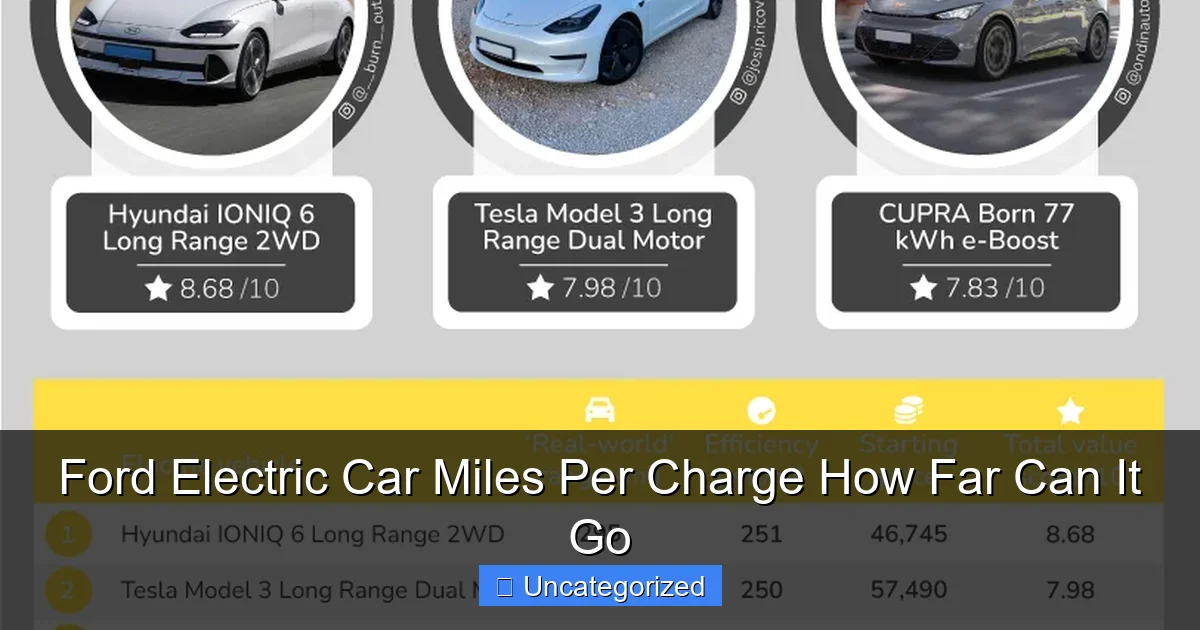
Featured image for ford electric car miles per charge
Image source: prismic-io.s3.amazonaws.com
Ford electric cars deliver impressive range, with models like the Mustang Mach-E offering up to 314 miles per charge and the F-150 Lightning reaching up to 320 miles. Actual miles per charge vary by model, driving habits, terrain, and weather, but Ford continues to push boundaries with fast-charging capabilities and efficient battery tech. Whether you’re commuting or road-tripping, Ford’s EVs balance power, practicality, and long-range confidence.
Key Takeaways
- Ford EVs offer 200–300+ miles per charge depending on model and driving conditions.
- Maximize range with efficient driving habits like smooth acceleration and regenerative braking.
- Use Ford’s trip planner to optimize routes and locate nearby charging stations.
- Cold weather reduces range by up to 30%—precondition while plugged in to save energy.
- Charge to 80% daily for battery health and longevity, reserving 100% for long trips.
- Compare models: F-150 Lightning leads with 320-mile range in ideal conditions.
📑 Table of Contents
- Ford Electric Car Miles Per Charge: How Far Can It Go?
- Ford’s Current Electric Vehicle Lineup and Range
- Factors Affecting Ford Electric Car Miles Per Charge
- Technology Behind Ford EV Range: Battery and Efficiency
- Maximizing Your Ford EV’s Range: Practical Tips
- Comparing Ford EV Range to Competitors
- Future of Ford EV Range: Upcoming Models and Innovations
Ford Electric Car Miles Per Charge: How Far Can It Go?
The electric vehicle (EV) revolution is accelerating, and Ford electric car miles per charge have become a critical metric for buyers seeking reliable, long-range performance. As Ford expands its electrified lineup, the question on everyone’s mind is: *How far can a Ford EV go on a single charge?* Whether you’re a daily commuter, a road-trip enthusiast, or an eco-conscious driver, understanding the range capabilities of Ford’s electric vehicles is essential. With advancements in battery technology, aerodynamics, and energy efficiency, Ford is pushing the boundaries of what’s possible in the EV space.
From the iconic Mustang Mach-E to the game-changing F-150 Lightning, Ford’s electric cars are redefining expectations. But range isn’t just about numbers—it’s about real-world usability. Factors like weather, driving habits, and terrain can all impact how far your Ford EV will travel. In this guide, we’ll dive deep into the miles per charge for Ford’s current electric models, explore the technologies behind their impressive range, and provide practical tips to maximize your EV’s efficiency. Whether you’re considering a Ford EV for the first time or already own one, this article will help you get the most out of every charge.
Ford’s Current Electric Vehicle Lineup and Range
Mustang Mach-E: Sporty Performance Meets Practical Range
The Mustang Mach-E is Ford’s first all-electric SUV, blending the legacy of the Mustang with modern EV innovation. Its range varies significantly based on the battery and drivetrain configuration:
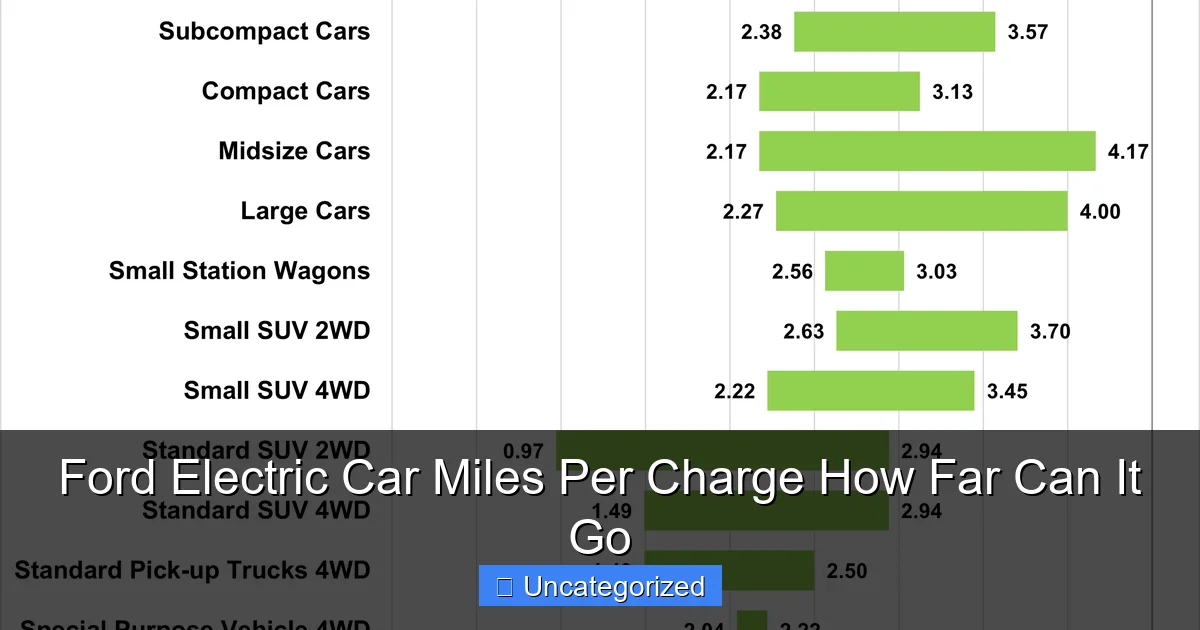
Visual guide about ford electric car miles per charge
Image source: energy.gov
- Standard Range (RWD): 247 miles per charge (EPA estimate)
- Standard Range (AWD): 224 miles per charge
- Extended Range (RWD): 314 miles per charge (highest in the Mach-E lineup)
- Extended Range (AWD): 270 miles per charge
For example, the Mach-E GT Performance Edition (AWD, extended range) delivers 260 miles—perfect for a weekend getaway or a week of city driving. The Mach-E’s range is competitive with rivals like the Tesla Model Y, though real-world results may vary slightly due to driving conditions.
F-150 Lightning: The Electric Pickup with Workhorse Range
The F-150 Lightning is Ford’s electric answer to the best-selling pickup truck in America. Its range is tailored to both work and play:
- Standard Range: 240 miles per charge
- Extended Range: 320 miles per charge (highest for any Ford EV)
The Lightning’s range is impressive for a pickup, especially when towing (which can reduce range by 20-30%). For instance, a fully charged extended-range Lightning could handle a round trip from Dallas to Houston (approx. 240 miles) with room to spare. Ford’s Pro Power Onboard system also lets you use the truck as a mobile power station, adding practicality without sacrificing range.
E-Transit: Ford’s Electric Van for Business
The E-Transit is Ford’s electric cargo van, designed for fleet operators and small businesses. Its range is optimized for urban deliveries:
- All configurations: 126 miles per charge (EPA estimate)
While this may seem modest compared to the Mach-E or Lightning, the E-Transit’s range is ideal for last-mile deliveries. A delivery driver covering 80 miles daily can easily recharge overnight and avoid range anxiety.
Factors Affecting Ford Electric Car Miles Per Charge
Weather and Climate Impact
Temperature plays a significant role in EV range. Cold weather (below 40°F/4°C) can reduce battery efficiency by up to 30%, while extreme heat (above 95°F/35°C) can also degrade performance. For example, a Mach-E with a 314-mile range might only achieve 220 miles in freezing conditions.
- Winter Tip: Precondition your Ford EV while plugged in to warm the cabin and battery.
- Summer Tip: Park in the shade or use a sunshade to reduce cabin heat buildup.
Driving Habits and Terrain
Your driving style has a direct impact on range. Aggressive acceleration, high speeds (over 70 mph), and frequent stops can drain the battery faster. Conversely, smooth acceleration and coasting can extend range.
- Highway vs. City: Highway driving at 75 mph can reduce range by 15-20% compared to city driving.
- Elevation Changes: Climbing steep hills consumes more energy, while regenerative braking helps recover some power on descents.
For example, a Lightning driving 60 miles in hilly terrain might use 25% more energy than the same distance on flat roads.
Payload and Towing
Towing a trailer or carrying heavy cargo significantly reduces range. The F-150 Lightning’s range drops to ~200 miles when towing a 10,000-pound trailer, while the Mach-E’s range decreases by 10-15% with a full load of passengers and cargo.
- Tip: Use Ford’s Intelligent Range feature to calculate real-time range based on current load and conditions.
Technology Behind Ford EV Range: Battery and Efficiency
Battery Chemistry and Capacity
Ford uses advanced lithium-ion batteries in its EVs, with varying capacities to balance range and cost:
- Mustang Mach-E: 70 kWh (Standard Range), 91 kWh (Extended Range)
- F-150 Lightning: 98 kWh (Standard Range), 131 kWh (Extended Range)
- E-Transit: 68 kWh
Larger batteries store more energy, but Ford also optimizes chemistry for longevity. The Lightning’s battery pack uses nickel-cobalt-aluminum (NCA) cells for high energy density, while the Mach-E employs a modular design for easier repairs.
Regenerative Braking and Efficiency
Ford EVs use regenerative braking to recover energy during deceleration. The Mach-E and Lightning allow drivers to customize regen levels, with One-Pedal Driving mode maximizing energy recovery.
- Example: A Mach-E driver in stop-and-go traffic can recover 10-15% of their battery’s capacity daily.
Aerodynamics and Lightweight Design
Ford prioritizes aerodynamics to reduce drag. The Mach-E’s sleek profile (Cd of 0.30) and the Lightning’s active grille shutters improve efficiency at highway speeds. Lightweight materials like aluminum in the Lightning’s frame also help conserve energy.
Maximizing Your Ford EV’s Range: Practical Tips
Smart Charging Practices
How and when you charge your Ford EV can extend battery life and range:
- Charge to 80%: Avoid charging to 100% regularly, as it stresses the battery. Ford’s Charge Settings let you set a max charge level.
- Use Off-Peak Electricity: Charging during off-peak hours (e.g., overnight) is cheaper and reduces grid strain.
- Precondition Before Unplugging: Heat or cool the cabin while the car is still charging to avoid draining the battery.
Energy-Saving Driving Techniques
Small changes in driving style can add up:
- Smooth Acceleration: Gradually press the accelerator to reduce energy waste.
- Use Eco Mode: Ford’s Eco Mode softens throttle response and reduces HVAC usage.
- Plan Routes with FordPass App: The app identifies charging stations and adjusts range predictions based on terrain.
For example, a Mach-E driver using Eco Mode and regenerative braking can gain 10-20 extra miles per charge.
Maintenance and Tire Care
Proper maintenance is crucial for efficiency:
- Tire Pressure: Underinflated tires increase rolling resistance. Check pressure monthly (recommended: 35-40 PSI).
- Wheel Alignment: Misaligned wheels create drag. Schedule alignments annually.
- HVAC Usage: Use seat heaters instead of cabin heating to save energy.
Comparing Ford EV Range to Competitors
Data Table: Ford vs. Key Competitors
| Model | Battery Capacity (kWh) | EPA Range (Miles) | Real-World Range (Est.) |
|---|---|---|---|
| Mustang Mach-E (Extended Range RWD) | 91 | 314 | 280-300 |
| Tesla Model Y (Long Range) | 75 | 330 | 300-320 |
| F-150 Lightning (Extended Range) | 131 | 320 | 280-310 |
| Rivian R1T (Large Pack) | 135 | 314 | 270-300 |
| E-Transit | 68 | 126 | 110-120 |
Key Takeaways
- Ford’s extended-range models (Mach-E, Lightning) compete closely with Tesla and Rivian in real-world range.
- The Mach-E’s 314-mile EPA range is slightly below the Model Y but offers more cargo space.
- The Lightning’s 320-mile range is the highest among electric pickups, though Rivian’s off-road capability gives it an edge.
Future of Ford EV Range: Upcoming Models and Innovations
Next-Gen Battery Technology
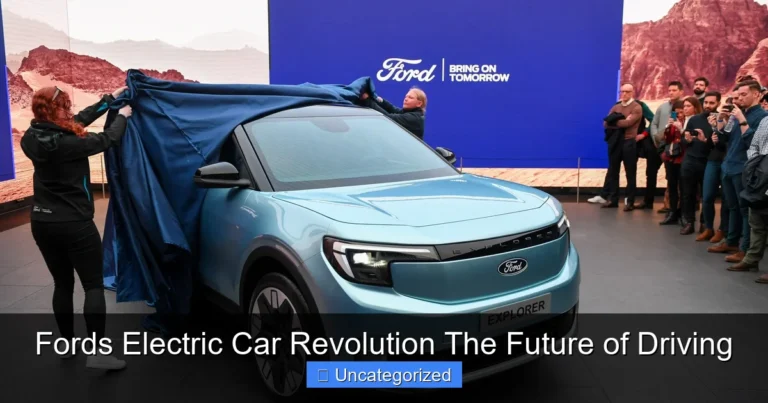
Ford is investing in solid-state batteries and cobalt-free chemistry to boost range and reduce costs. The 2025 Ford Explorer EV (rumored) may feature a 100 kWh+ battery, targeting 350+ miles per charge.
Expanded Charging Infrastructure
Ford’s partnership with Tesla Superchargers (starting in 2024) will give Ford EV owners access to 12,000+ fast chargers, reducing range anxiety on long trips.
Autonomous Efficiency
Future Ford EVs may use AI-driven route planning to optimize speed, charging stops, and energy use. Imagine a Lightning that automatically adjusts speed to maximize range on a cross-country trip.
Ford’s commitment to electrification is clear. With each new model, the Ford electric car miles per charge will continue to rise, making EVs a viable option for every driver. Whether you’re chasing adventure in a Mach-E or hauling cargo in a Lightning, Ford’s range innovations ensure you’ll go farther than ever before.
Frequently Asked Questions
How many miles per charge does a Ford electric car get on average?
Most Ford electric cars, like the Mustang Mach-E and F-150 Lightning, offer between 230 to 320 miles per charge, depending on the model and battery configuration. Real-world range may vary based on driving habits and conditions.
What factors affect Ford electric car miles per charge?
Factors like driving speed, weather, terrain, use of climate control, and tire pressure can significantly impact the Ford electric car miles per charge. Cold weather, in particular, may reduce range by up to 30-40%.
Can the Ford F-150 Lightning go 300 miles on a single charge?
Yes, the extended-range battery version of the Ford F-150 Lightning is EPA-rated for up to 320 miles per charge under ideal conditions. Standard-range models deliver around 240 miles.
How does the Mustang Mach-E’s range compare to other electric SUVs?
The Mustang Mach-E offers competitive range, with select trims achieving up to 310 miles per charge, placing it on par with rivals like the Tesla Model Y and Hyundai Ioniq 5.
Does Ford offer a tool to estimate electric car miles per charge for my commute?
Yes, Ford’s online range calculator lets you input your driving habits, terrain, and climate to estimate Ford electric car miles per charge tailored to your daily needs.
How does charging speed impact the total miles I can drive in a day?
With DC fast charging, Ford EVs can regain up to 50-60 miles of range in 10 minutes, making long trips feasible. Frequent fast charging may slightly reduce long-term battery efficiency.