Ford Electric Car Program What You Need to Know in 2024
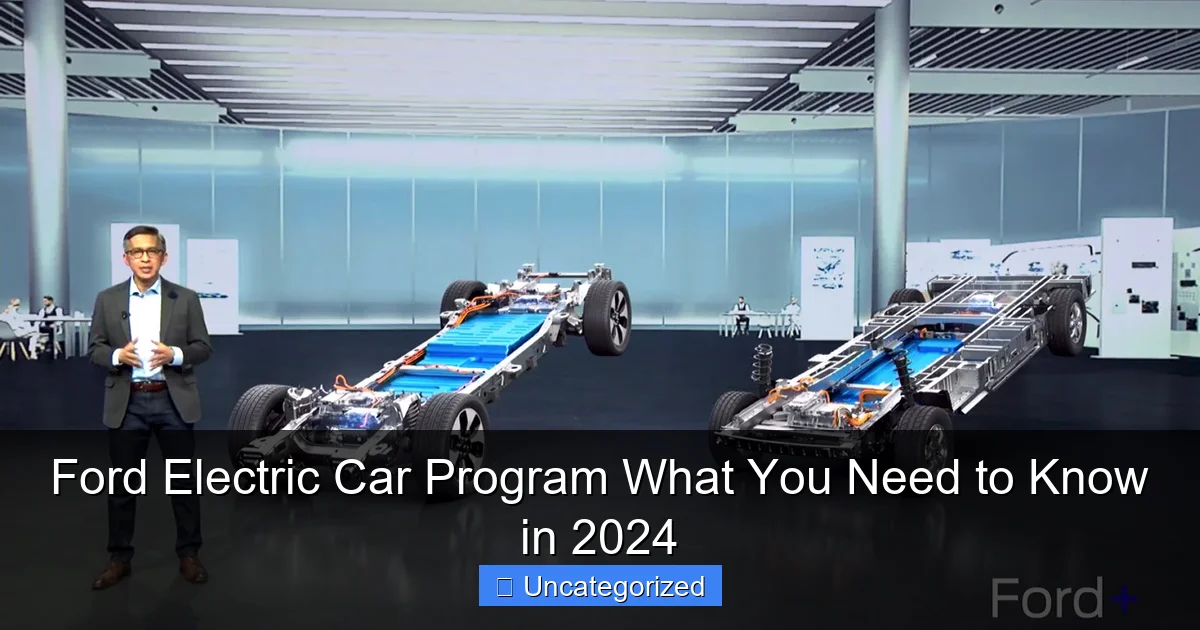
Featured image for ford electric car program
Image source: images.hgmsites.net
Ford’s 2024 electric car program accelerates with a $50 billion investment, aiming to deliver 2 million EVs annually by 2026. New models like the F-150 Lightning Pro and refreshed Mustang Mach-E highlight Ford’s push into affordable, high-performance electric vehicles, backed by expanded U.S. battery production and charging partnerships for seamless ownership.
Key Takeaways
- Ford invests $50B+ in EVs through 2026, accelerating electrification.
- Mustang Mach-E leads with 300-mile range and fast-charging tech.
- F-150 Lightning offers pro power on the go with 10,000-lb towing.
- BlueOval Charging Network ensures seamless long-distance travel nationwide.
- Ford Pro simplifies fleet electrification with tailored charging solutions.
- New EVs launching in 2024 target affordability and longer range.
- Trade-in incentives available to ease the switch to electric driving.
📑 Table of Contents
- The Electric Revolution: Ford’s Bold Move into 2024
- Ford’s Electrification Strategy: From Vision to Reality
- 2024 Ford Electric Vehicle Lineup: Models, Specs, and Features
- Charging Infrastructure and Ford Pro Solutions
- Battery Technology and Sustainability Efforts
- Challenges and Competitive Landscape
- Data Table: 2024 Ford Electric Vehicle Comparison
- Conclusion: Ford’s Electric Future Is Now
The Electric Revolution: Ford’s Bold Move into 2024
The automotive industry is undergoing a seismic shift, and Ford Motor Company is not just keeping pace—it’s leading the charge. As the world embraces sustainability, decarbonization, and technological innovation, Ford has doubled down on its commitment to electrification. In 2024, the Ford electric car program stands as one of the most ambitious and well-funded initiatives in the company’s 120-year history. With a clear roadmap, massive investments, and a lineup of electric vehicles (EVs) designed for American drivers, Ford is redefining what it means to be a legacy automaker in the age of electric mobility.
From the rugged F-150 Lightning pickup to the sleek Mustang Mach-E SUV and the upcoming all-electric Transit van, Ford is transforming its iconic nameplates into zero-emission powerhouses. But this isn’t just about new car models. The Ford electric car program encompasses a holistic ecosystem: battery technology, charging infrastructure, software integration, and workforce retraining. With $50 billion earmarked for electrification between 2022 and 2026, Ford is investing more in EVs than in its traditional internal combustion engine (ICE) vehicles. This pivot signals not just a change in product offerings, but a cultural and strategic transformation. Whether you’re a current Ford owner, an EV enthusiast, or a skeptical traditionalist, understanding Ford’s electric future is essential in 2024.
Ford’s Electrification Strategy: From Vision to Reality
A Multi-Billion Dollar Commitment
Ford’s electric car program is backed by an unprecedented financial commitment. The company has pledged over $50 billion toward electrification through 2026, with more than $10 billion invested in 2023 alone. This funding supports not only vehicle development but also battery production, software platforms, and charging solutions. Unlike some competitors who rely heavily on third-party suppliers, Ford is building vertical integration—owning more of the supply chain to control quality, cost, and delivery timelines.
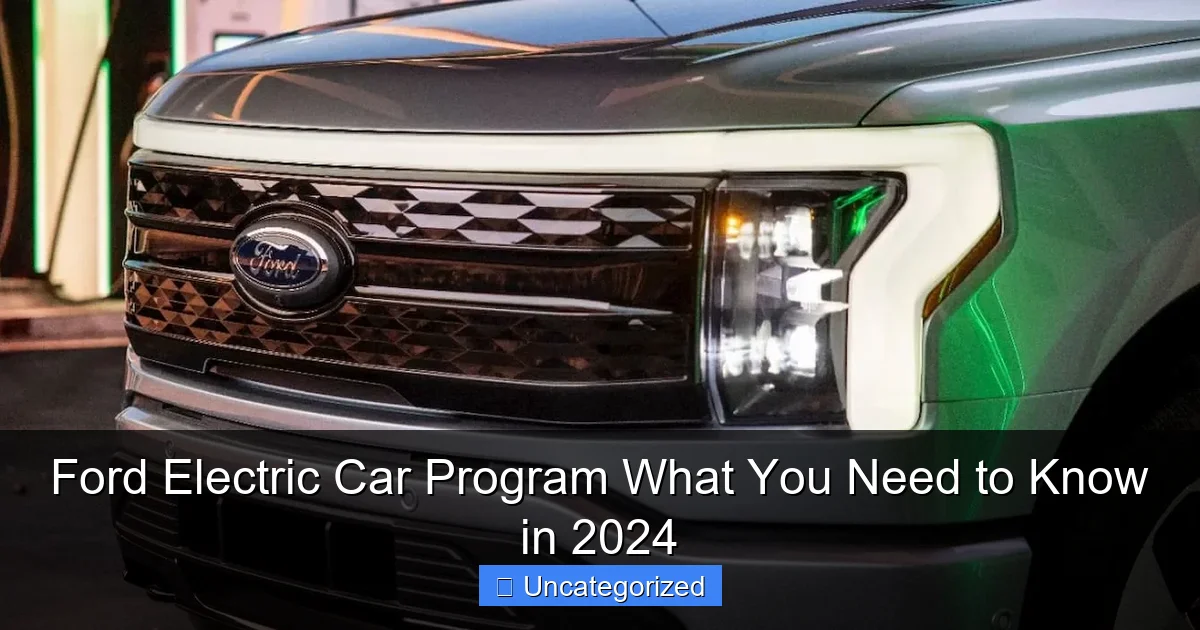
Visual guide about ford electric car program
Image source: electrek.co
For example, the BlueOval SK joint venture with South Korea’s SK On is constructing three massive battery plants—two in Tennessee and one in Kentucky—with a combined capacity of 129 GWh annually. This is enough to power over 1.2 million EVs per year. By 2026, Ford aims to produce 2 million electric vehicles annually, positioning itself as a top-three EV manufacturer globally.
Vertical Integration and Supply Chain Control
One of the most significant aspects of Ford’s strategy is its push for vertical integration. The company is not just designing EVs; it’s building the batteries, securing raw materials, and even investing in lithium mining. In 2023, Ford signed long-term agreements with lithium producers in Canada and Australia, ensuring a stable supply of critical battery minerals. This move reduces reliance on China and mitigates geopolitical risks.
Additionally, Ford is developing its own battery management software (BMS) and thermal systems, which improve efficiency, longevity, and safety. For instance, the F-150 Lightning uses a proprietary BMS that optimizes charging speed based on battery temperature and usage patterns—extending battery life by up to 20% compared to early-generation EVs.
Workforce Transformation and Plant Retooling
Electrification isn’t just about technology—it’s about people. Ford is investing $2 billion to retrain 25,000 factory workers for EV production. The Rouge Electric Vehicle Center in Dearborn, Michigan, where the F-150 Lightning is built, is a prime example. This historic plant, once the heart of Ford’s Model A production, has been transformed into a high-tech EV assembly line.
Workers are being upskilled in battery handling, high-voltage safety protocols, and software integration. Ford’s “Future Ready” program includes partnerships with community colleges and unions to ensure a smooth transition. This human-centered approach not only future-proofs the workforce but also strengthens employee loyalty during a time of rapid change.
2024 Ford Electric Vehicle Lineup: Models, Specs, and Features
F-150 Lightning: The Electric Workhorse
The F-150 Lightning is Ford’s flagship EV and the best-selling electric pickup in the U.S. since its launch in 2022. In 2024, it returns with significant upgrades: a longer-range extended battery (up to 320 miles), improved towing capacity (10,000 lbs), and enhanced Pro Power Onboard (up to 9.6 kW of exportable power).
One standout feature is Intelligent Backup Power, which allows the Lightning to power a home during outages—up to 3 days for an average household. This “vehicle-to-home” (V2H) capability is a game-changer for homeowners in areas prone to blackouts. Ford also offers a Mobile Power Cord that lets owners charge the Lightning using a standard 120V outlet, ideal for off-grid adventures.
Pro Tip: If you’re a contractor or outdoor enthusiast, consider the F-150 Lightning Platinum with the 14.4-inch SYNC 4A touchscreen and BlueCruise 1.2 hands-free driving—perfect for long commutes or remote job sites.
Mustang Mach-E: Sporty, Stylish, and Smart
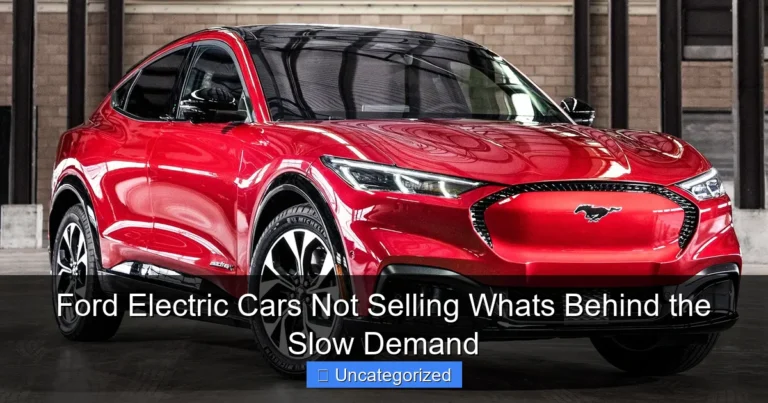
The Mustang Mach-E blends the iconic Mustang heritage with modern electric performance. The 2024 model introduces a new GT Performance Edition with 480 horsepower, a 0–60 mph time of 3.5 seconds, and a range of 270 miles. The Mach-E also features Ford’s next-gen SYNC 4A infotainment system, with over-the-air (OTA) updates, a 15.5-inch vertical touchscreen, and built-in Amazon Alexa.
For families, the Mach-E offers a spacious interior, rear-wheel-drive or all-wheel-drive options, and a frunk (front trunk) that adds 4.8 cubic feet of storage. The Active Park Assist 2.0 system makes parallel and perpendicular parking effortless—ideal for urban drivers.
Example: A family in Denver, Colorado, uses their Mach-E for weekend ski trips. With AWD, heated seats, and a 250-mile range (on the extended battery), they can reach mountain resorts without range anxiety—even in sub-zero temperatures.
E-Transit: Electrifying the Work Van
Ford’s E-Transit is the first all-electric full-size van from a U.S. automaker. With 126 miles of range (ideal for urban deliveries) and 317 lb-ft of torque, it’s designed for commercial fleets. In 2024, Ford expanded the E-Transit lineup with new configurations: cargo, cutaway, and passenger models.
Key features include Ford Pro Telematics, which provides real-time vehicle tracking, charging status, and maintenance alerts—helping businesses optimize fleet operations. The E-Transit also supports Pro Power Onboard (2.4 kW), allowing tradespeople to power tools directly from the van.
Tip: Small business owners can apply for federal and state incentives (up to $7,500) when purchasing the E-Transit through the Commercial Clean Vehicle Credit under the Inflation Reduction Act.
Upcoming Models: The Ford Explorer EV and More
While not yet released, Ford has confirmed the Explorer EV for a 2025 launch. Expected to offer three rows of seating, 300+ miles of range, and advanced driver-assist features, it will compete with the Tesla Model Y and Hyundai Ioniq 7. Ford is also developing an electric F-Series Super Duty and a new compact EV under $30,000—targeting budget-conscious buyers.
Insider Insight: Ford’s “Project T3” (Trust, Transparency, and Technology) aims to build an affordable, modular EV platform that can underpin multiple models, reducing development costs and time-to-market.
Charging Infrastructure and Ford Pro Solutions
FordPass Charging Network: Seamless Access
One of the biggest barriers to EV adoption is charging anxiety. Ford addresses this with the FordPass Charging Network, which provides access to over 100,000 public charging stations across North America—including 13,000+ DC fast chargers from partners like Electrify America, EVgo, and ChargePoint.
Through the FordPass app, drivers can locate stations, check availability, start charging, and pay—all in one place. The app also offers Plug & Charge compatibility, so you simply plug in, and the session begins automatically.
Example: A Mach-E owner traveling from Chicago to Indianapolis uses the FordPass app to pre-plan their route, reserve a fast charger in Lafayette, and monitor charging speed in real time—arriving with 80% battery.
Ford Pro Charging: Powering Fleets and Businesses
For commercial customers, Ford offers Ford Pro Charging, a turnkey solution for installing EV chargers at depots, warehouses, and job sites. The service includes site assessment, hardware installation, software integration, and 24/7 support.
Ford Pro Charging supports Level 2 (7.2–11.5 kW) and DC Fast (50–350 kW) chargers. Businesses can choose from single-unit installations to large-scale depot charging with load management to avoid peak demand charges.
Pro Tip: Companies with fleets of 10+ vehicles can qualify for Ford Pro Energy, which provides solar canopies, battery storage, and grid-balancing services—reducing energy costs by up to 30%.
Home Charging Made Easy
Ford partners with Sunrun to offer home charging solutions. Buyers can purchase a Ford Connected Charge Station (Level 2, 11.5 kW) with professional installation. The charger integrates with the FordPass app, allowing users to schedule charging during off-peak hours to save on electricity bills.
For renters or those without garage access, Ford offers a Mobile Charger that works with standard 120V and 240V outlets. While slower (up to 15 miles of range per hour), it’s a practical backup option.
Battery Technology and Sustainability Efforts
Next-Gen Batteries: LFP and Solid-State
Ford is diversifying its battery portfolio to improve affordability and sustainability. In 2024, the F-150 Lightning and E-Transit will offer Lithium Iron Phosphate (LFP) battery options. LFP batteries are cheaper, more durable, and cobalt-free—reducing reliance on conflict minerals.
Looking ahead, Ford is investing in solid-state battery technology through a partnership with Solid Power. These next-gen batteries promise higher energy density (up to 500 Wh/kg), faster charging (10–15 minutes for 80%), and improved safety (no liquid electrolyte).
Data Point: By 2026, Ford aims for 40% of its EVs to use LFP batteries, reducing battery costs by $1,500 per vehicle.
Recycling and Circular Economy
Ford is committed to a circular economy. The company has launched a battery recycling program in partnership with Redwood Materials, a startup founded by Tesla co-founder JB Straubel. Used EV batteries are collected, disassembled, and refined to recover over 95% of lithium, nickel, and cobalt—materials that can be reused in new batteries.
Additionally, Ford is exploring second-life applications for retired EV batteries, such as grid storage units for solar farms. A pilot project in California uses repurposed F-150 Lightning batteries to power a community center during peak demand.
Carbon Footprint Reduction
Ford’s “Carbon Neutral by 2050” goal includes electrifying its entire light-duty lineup by 2030. The company has reduced manufacturing emissions by 30% since 2017 and aims for 100% renewable energy in all global operations by 2035.
Example: The BlueOval SK battery plants in Kentucky and Tennessee will be powered entirely by wind and solar energy—cutting CO2 emissions by 1.2 million tons annually.
Challenges and Competitive Landscape
Supply Chain and Production Hurdles
Despite its ambitions, Ford faces challenges. The global semiconductor shortage has delayed some EV deliveries, while high demand for the F-150 Lightning has led to long wait times. In 2023, Ford paused Mach-E production for two months to address software glitches in the SYNC system.
To mitigate risks, Ford is diversifying its supplier base and increasing domestic content. For example, the 2024 Mach-E uses 85% North American-sourced components, up from 60% in 2022.
Competition from Tesla, GM, and Rivian
Ford’s electric car program competes with industry leaders:
- Tesla: Leads in battery tech and charging network (Supercharger).
- GM: Offers a broader EV lineup (Chevy Silverado EV, Cadillac LYRIQ).
- Rivian: Targets adventure-focused buyers with the R1T and R1S.
Ford differentiates itself through truck and van expertise, Pro services for businesses, and affordable pricing. The F-150 Lightning starts at $49,995 (before incentives), undercutting the Rivian R1T ($73,000).
Consumer Perception and Education
Many consumers still associate Ford with gas-powered trucks. To change this, Ford launched the “Built to Electrify” ad campaign, showcasing real-world EV use cases—from farmers using the Lightning to power irrigation systems to delivery drivers relying on the E-Transit.
Dealerships are also being trained in EV education. Ford’s “EV Ready” certification ensures sales staff can answer questions about range, charging, and incentives—building trust with buyers.
Data Table: 2024 Ford Electric Vehicle Comparison
| Model | Starting MSRP | Range (EPA) | Horsepower | Key Feature |
|---|---|---|---|---|
| F-150 Lightning Pro | $49,995 | 240 miles | 452 hp | Pro Power Onboard (9.6 kW) |
| F-150 Lightning Platinum | $92,995 | 320 miles | 580 hp | BlueCruise 1.2 hands-free driving |
| Mustang Mach-E Premium | $46,995 | 250 miles | 310 hp | SYNC 4A with Alexa |
| Mustang Mach-E GT | $63,995 | 270 miles | 480 hp | 0–60 mph in 3.5 sec |
| E-Transit 350 | $51,095 | 126 miles | 266 hp | Ford Pro Telematics |
Conclusion: Ford’s Electric Future Is Now
The Ford electric car program in 2024 is more than a lineup of new vehicles—it’s a comprehensive transformation of a century-old automaker into a leader in sustainable mobility. From the rugged F-150 Lightning to the innovative E-Transit, Ford is proving that electric vehicles can be powerful, practical, and profitable. Its investments in battery technology, charging infrastructure, and workforce development set a new standard for the industry.
While challenges remain—supply chain constraints, competition, and consumer education—Ford’s holistic approach gives it a competitive edge. By focusing on vertical integration, commercial solutions, and affordability, Ford is not just catching up to Tesla; it’s redefining what an American EV brand can be. Whether you’re a homeowner looking for a reliable electric pickup, a business owner modernizing your fleet, or an eco-conscious driver ready to go green, Ford’s electric future offers something for everyone.
As we look ahead, one thing is clear: Ford isn’t just building electric cars—it’s building the future of transportation. The road ahead is electric, and Ford is driving it.
Frequently Asked Questions
What is the Ford Electric Car Program?
The Ford Electric Car Program is Ford’s strategic initiative to expand its lineup of electric vehicles (EVs), including models like the Mustang Mach-E, F-150 Lightning, and E-Transit. The program focuses on innovation, sustainability, and offering diverse EV options to meet growing consumer demand in 2024.
Which new electric models does Ford offer in 2024?
In 2024, Ford’s electric car program includes the Mustang Mach-E, F-150 Lightning, E-Transit van, and the all-new Explorer Electric. These models cater to SUV, truck, and commercial vehicle markets, emphasizing performance and advanced technology.
Does the Ford Electric Car Program include charging solutions?
Yes, the Ford electric car program provides access to the BlueOval™ Charge Network, which includes over 84,000 charging stations across North America. Ford also offers home charging installations and partnerships with fast-charging providers for added convenience.
What incentives are available for Ford EV buyers in 2024?
Buyers of Ford electric cars may qualify for federal tax credits (up to $7,500) and state-level incentives, depending on location. The Ford electric car program also offers special financing and lease deals to make EVs more affordable.
How does Ford support battery recycling and sustainability?
Ford’s electric car program includes a closed-loop battery recycling initiative, reclaiming materials like lithium and cobalt for reuse. The company also uses recycled content in new batteries and partners with Redwood Materials to reduce environmental impact.
Can I track my Ford EV’s charging and battery status remotely?
Yes, Ford’s mobile app and SYNC 4A infotainment system let owners monitor charging status, battery levels, and climate control remotely. The Ford electric car program integrates smart features for seamless EV management and real-time updates.