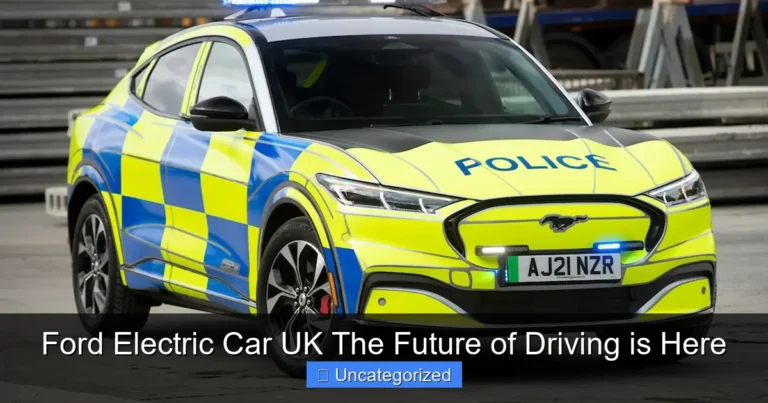
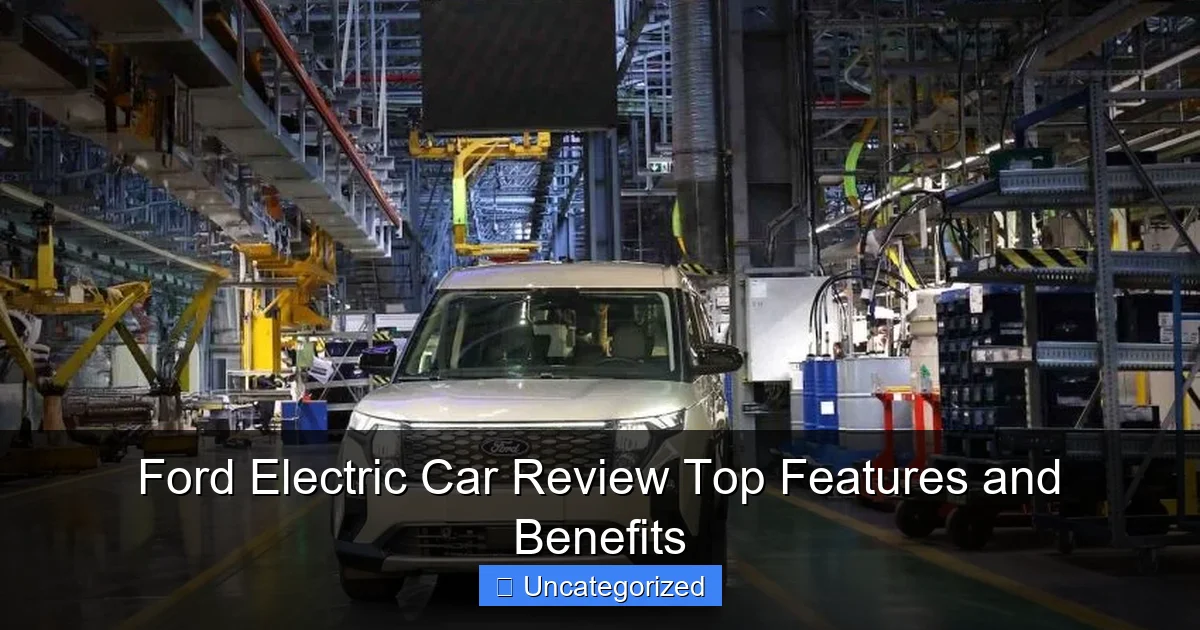
Ford Electric Car Review Top Features and Benefits

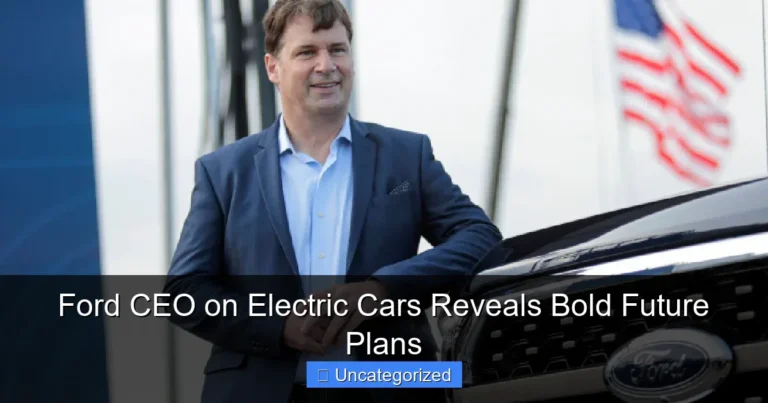
Featured image for electric car from ford
Image source: cdn.al-ain.com
Ford’s electric cars combine cutting-edge technology with rugged reliability, offering impressive range, fast charging, and seamless connectivity across models like the Mustang Mach-E and F-150 Lightning. With advanced driver-assist features and a commitment to sustainable performance, Ford delivers a powerful, eco-friendly driving experience without sacrificing comfort or capability.
Key Takeaways
- Long-range capability: Drive up to 300+ miles on a single charge.
- Fast charging: Recharge 80% in under 40 minutes with DC fast charging.
- Advanced tech: Enjoy SYNC 4A with seamless smartphone and navigation integration.
- Powerful performance: Instant torque delivers thrilling acceleration and responsive handling.
- Eco-friendly savings: Lower maintenance and fuel costs than gas-powered vehicles.
- Smart features: FordPass app enables remote start, lock, and charge monitoring.
- Spacious design: Maximized interior space thanks to efficient electric platform layout.
📑 Table of Contents
- Ford Electric Car Review: Top Features and Benefits
- 1. Ford’s Electric Vehicle Lineup: Models That Define Innovation
- 2. Cutting-Edge Technology and Smart Features
- 3. Performance, Range, and Charging Infrastructure
- 4. Sustainability and Environmental Impact
- 5. Ownership Experience and Cost Benefits
- 6. Real-World Advantages and User Testimonials
Ford Electric Car Review: Top Features and Benefits
The electric vehicle (EV) revolution is accelerating at an unprecedented pace, and Ford electric car models are leading the charge in North America. As one of the most iconic American automakers, Ford is not just adapting to the shift toward sustainable transportation—it’s driving it. With a legacy rooted in innovation, from the Model T to the F-150 Lightning, Ford is reimagining mobility for the 21st century. The company’s bold commitment to electrification, including a $50 billion investment in EVs by 2026, signals a transformative era for both the brand and its customers.
Ford’s entry into the electric vehicle market is more than a technological pivot—it’s a strategic response to growing consumer demand for cleaner, smarter, and more powerful vehicles. Whether you’re an eco-conscious driver, a tech-savvy commuter, or a truck enthusiast looking to go electric, Ford’s lineup offers something compelling. From the sleek Mustang Mach-E to the groundbreaking F-150 Lightning, Ford is proving that electric doesn’t mean sacrificing performance, utility, or style. In this comprehensive review, we’ll explore the top features, benefits, and real-world advantages of Ford electric car models, helping you understand why they’re becoming a top choice in the competitive EV landscape.
1. Ford’s Electric Vehicle Lineup: Models That Define Innovation
Mustang Mach-E: The Electric Icon Reimagined
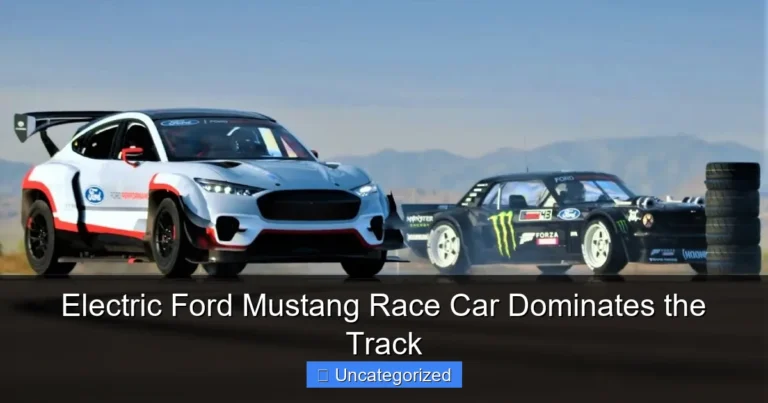
The Mustang Mach-E is Ford’s bold reinterpretation of its legendary Mustang brand—now with zero emissions. Launched in 2020, the Mach-E quickly gained acclaim for blending performance, design, and practicality. Unlike traditional muscle cars, this all-electric SUV offers instant torque, whisper-quiet operation, and a modern interior packed with tech. The Mach-E comes in several trims, including the standard-range, extended-range, and high-performance GT variant.
Visual guide about electric car from ford
Image source: fordauthority.com
For example, the Mach-E GT Performance Edition delivers 480 horsepower and can accelerate from 0 to 60 mph in just 3.5 seconds—rivaling many luxury EVs. With a range of up to 312 miles (EPA-estimated) on the extended-range RWD model, it’s ideal for both city commutes and weekend road trips. The vehicle’s design retains the Mustang’s aggressive stance, with signature tri-bar taillights and a sloping roofline, making it instantly recognizable.
F-150 Lightning: The Electric Workhorse
Perhaps the most revolutionary Ford electric car is the F-150 Lightning, the first all-electric version of America’s best-selling pickup truck. The Lightning retains the ruggedness and towing capability of its gas-powered sibling while adding EV-specific advantages. With dual electric motors on the AWD models, it produces up to 580 horsepower and 775 lb-ft of torque—more than any F-150 in history.
The Lightning’s 131 kWh extended-range battery delivers up to 320 miles of range (EPA-estimated), while the standard-range version offers 240 miles. It can tow up to 10,000 pounds and carry a payload of 2,235 pounds, making it a viable option for contractors, adventurers, and fleet operators. Ford also introduced the innovative Pro Power Onboard system, which turns the truck into a mobile generator with up to 9.6 kW of exportable power—perfect for job sites or emergency backup.
E-Transit: Electrifying the Commercial Fleet
Ford isn’t just targeting individual consumers; it’s revolutionizing commercial transport with the E-Transit electric van. Designed for delivery services, tradespeople, and small businesses, the E-Transit offers up to 126 miles of range and a maximum payload of 3,800 pounds. It’s available in multiple configurations: cargo van, cutaway, and chassis cab, with roof heights and wheelbases tailored to specific needs.
One standout feature is Ford’s Ford Pro Intelligence suite, which includes fleet management tools, remote diagnostics, and charging optimization. For instance, a delivery company using E-Transit vans can monitor vehicle health, optimize routes, and schedule charging during off-peak hours to reduce electricity costs. This makes the E-Transit not just an eco-friendly option, but a cost-effective one for business owners.
Future Models: The Road Ahead
Ford’s EV roadmap includes several upcoming models, such as the Explorer EV and Lincoln Aviator EV, set to debut in 2025. These vehicles will leverage Ford’s next-generation BlueOval SK battery technology and the GE1 platform, which promises longer range, faster charging, and improved energy efficiency. Additionally, Ford is investing in a new EV manufacturing hub in Tennessee, dubbed “BlueOval City,” which will produce next-gen electric trucks and batteries at scale.
2. Cutting-Edge Technology and Smart Features
SYNC 4A Infotainment System: The Digital Command Center
All Ford electric car models come equipped with the SYNC 4A infotainment system, a major upgrade over previous versions. This 15.5-inch vertical touchscreen (in Mach-E and Lightning) serves as the vehicle’s digital command center, offering intuitive navigation, voice commands, and seamless smartphone integration via Apple CarPlay and Android Auto.
The system supports over-the-air (OTA) updates, meaning your car gets smarter over time. For example, Ford recently pushed an update that improved battery preconditioning, enhancing charging speed and efficiency in cold weather. The Mach-E also features a customizable 10.2-inch digital instrument cluster that displays real-time energy usage, driving efficiency, and navigation prompts.
Ford Power-Up: Over-the-Air Software Updates
One of the most significant advantages of Ford electric car models is the Ford Power-Up technology, which delivers OTA software updates directly to the vehicle. These updates can enhance performance, add new features, or fix bugs—without requiring a dealership visit.
For instance, in 2023, Ford rolled out a Power-Up update to the F-150 Lightning that improved the truck’s towing range by up to 15% through optimized battery management and regenerative braking. Another update added new driver-assist features, such as enhanced blind-spot monitoring and trailer backup assist. This “living car” approach ensures your vehicle stays current and competitive for years after purchase.
Ford BlueCruise: Hands-Free Driving on Highways
Ford’s BlueCruise is a Level 2+ driver-assistance system that enables hands-free driving on over 130,000 miles of pre-mapped highways in North America. Available on select Mach-E and Lightning trims, BlueCruise uses a combination of radar, cameras, and GPS to maintain lane position, adjust speed, and respond to traffic.
During a test drive on the I-95 corridor, a Mach-E equipped with BlueCruise seamlessly handled stop-and-go traffic and highway merging, reducing driver fatigue on long commutes. The system includes a driver-facing camera to ensure attentiveness—if the driver looks away for more than a few seconds, the vehicle will issue alerts and eventually disengage. This feature is especially beneficial for professionals who spend hours on the road.
Mobile App Integration and Remote Control
The FordPass app allows owners to control and monitor their Ford electric car from anywhere. Key features include:
- Remote start and climate control
- Charge scheduling and status monitoring
- Vehicle locator and lock/unlock
- Energy usage reports and driving history
- Integration with smart home devices (e.g., Alexa, Google Assistant)
For example, a user can pre-condition the cabin to 72°F using the app before leaving work, ensuring comfort upon arrival. The app also sends real-time alerts if the vehicle is unplugged or charging is interrupted—a useful tool for apartment dwellers without dedicated charging stations.
3. Performance, Range, and Charging Infrastructure
Impressive Range Across the Lineup
Range anxiety remains a top concern for EV buyers, but Ford electric car models offer competitive EPA-estimated ranges that meet or exceed industry averages. Here’s a breakdown of key models:
| Model | Trim | Battery Size | EPA Range | 0-60 mph |
|---|---|---|---|---|
| Mustang Mach-E | Select (RWD) | 70 kWh | 247 miles | 6.1 seconds |
| Mustang Mach-E | California Route 1 (AWD) | 91 kWh | 314 miles | 4.8 seconds |
| Mustang Mach-E | GT Performance | 91 kWh | 260 miles | 3.5 seconds |
| F-150 Lightning | Pro (Standard Range) | 98 kWh | 240 miles | 4.5 seconds |
| F-150 Lightning | Lariat (Extended Range) | 131 kWh | 320 miles | 4.4 seconds |
| E-Transit | 350HD (Cargo Van) | 68 kWh | 126 miles | 6.8 seconds |
Note: Range varies based on driving conditions, terrain, and accessories used (e.g., towing, HVAC). The Mach-E and Lightning offer regenerative braking with one-pedal driving mode, which can extend range in stop-and-go traffic by recovering energy during deceleration.
Charging Options and Speed
Ford supports multiple charging levels:
- Level 1 (120V): Adds 3–5 miles of range per hour—ideal for overnight charging at home.
- Level 2 (240V): Adds 20–30 miles per hour. Ford offers a Connected Charger for home installation, which integrates with the FordPass app for scheduling and monitoring.
- DC Fast Charging (150 kW+): Recharges from 10% to 80% in as little as 38 minutes (Mach-E) or 41 minutes (Lightning). Ford is expanding its network of FordPass Charging Network stations, which include partnerships with Electrify America, ChargePoint, and EVgo.
Tip: Use the FordPass app to locate nearby fast chargers, check availability, and even pay for charging—no need to carry multiple membership cards.
Pro Power Onboard: Power Where You Need It
The F-150 Lightning’s Pro Power Onboard system is a game-changer. With 9.6 kW of power (2.4 kW on standard-range models), it can run:
- Power tools at a construction site
- Refrigerators and lights during a power outage
- Campers and tailgating setups
- Medical equipment in emergencies
During Hurricane Ian in 2022, Florida homeowners used their Lightning trucks to power homes for days—demonstrating the vehicle’s potential as a mobile energy source. Ford even offers a Home Integration System that allows the truck to power an entire home during outages when paired with a solar battery.
4. Sustainability and Environmental Impact
Reduced Carbon Footprint
Switching to a Ford electric car significantly reduces your carbon footprint. According to the EPA, the average gasoline car emits about 4.6 metric tons of CO2 annually. In contrast, the Mach-E and Lightning produce zero tailpipe emissions. Over an 8-year ownership period, a Lightning can prevent up to 37 tons of CO2 emissions compared to a gas-powered F-150.
Ford is also committed to using renewable energy in its manufacturing. The Rouge Electric Vehicle Center, where the Lightning is built, is powered by 100% renewable energy, including a 1.2 MW solar array on the roof.
Recycled and Sustainable Materials
Ford incorporates eco-friendly materials into its EVs:
- Recycled plastics in interior trim and carpeting
- Soy-based foam in seats and armrests
- Recycled aluminum in body panels
- Forest Stewardship Council (FSC)-certified wood accents in higher trims
The Mach-E’s interior features a vegan-friendly design, with no animal-based materials—appealing to environmentally conscious consumers.
Battery Recycling and Second-Life Programs
Ford has partnered with Redwood Materials to develop a closed-loop battery recycling system. Used EV batteries are collected, broken down, and the materials (lithium, cobalt, nickel) are reused in new batteries. This reduces reliance on mining and lowers production costs.
Additionally, Ford is exploring “second-life” applications for retired batteries, such as energy storage for solar farms or backup power for buildings. This circular economy approach ensures sustainability throughout the battery’s lifecycle.
5. Ownership Experience and Cost Benefits
Lower Operating Costs
EVs are cheaper to run than gas vehicles. The average cost to charge a Ford electric car at home is $0.13–$0.17 per kWh, translating to about $0.03–$0.05 per mile. Compare that to $0.15–$0.20 per mile for a gas-powered truck, and the savings add up quickly.
Maintenance is also simplified: no oil changes, spark plugs, or exhaust systems. Ford estimates that Lightning owners save up to $1,000 per year in maintenance compared to a gas F-150.
Federal and State Incentives
As of 2024, the Ford electric car lineup qualifies for the federal EV tax credit of up to $7,500 (subject to income and vehicle MSRP limits). Many states and utilities offer additional rebates:
- California: Up to $2,000 Clean Vehicle Rebate Project (CVRP)
- New York: $2,000 Drive Clean Rebate
- Colorado: $5,000 state tax credit
- Utility programs: Free Level 2 chargers or discounted electricity rates
Tip: Use the PlugStar tool to find incentives in your zip code.
Resale Value and Depreciation
While EVs historically depreciated faster than gas cars, Ford electric car models are holding value better than expected. The Mach-E retains about 65% of its value after three years, while the Lightning maintains 70%—outperforming many competitors. This is due to strong demand, Ford’s brand reputation, and OTA updates that keep vehicles feeling new.
6. Real-World Advantages and User Testimonials
Everyday Practicality
Owners praise the Ford electric car lineup for its versatility. The Mach-E’s 29.7 cu ft of cargo space (expandable to 59.7 cu ft) rivals many compact SUVs. The Lightning offers a massive 14.1 cu ft front trunk (frunk), perfect for groceries, gear, or even a cooler.
One owner, a teacher from Ohio, shared: “I charge my Mach-E overnight at home, and it’s always ready for my 45-mile commute. The quiet ride and instant acceleration make traffic less stressful.”
Emergency and Off-Grid Use
The Lightning’s Pro Power Onboard has been a lifesaver for many. A contractor in Texas used his truck to power a generator-free job site during a winter storm. “I ran my tools, lights, and even a coffee maker—all from the truck,” he said. “It paid for itself in one week.”
Community and Support
Ford has built a strong EV owner community through the FordPass Rewards program, which offers points for charging, referrals, and feedback. Owners can redeem points for accessories, charging credits, or even free maintenance.
Ford also provides 24/7 roadside assistance, including mobile charging units that can deliver emergency power to stranded EVs—ensuring peace of mind on long trips.
In conclusion, the Ford electric car lineup represents a powerful fusion of innovation, performance, and practicality. From the sporty Mach-E to the rugged Lightning and the work-ready E-Transit, Ford is proving that electrification doesn’t mean compromise. With cutting-edge tech, impressive range, sustainable practices, and real-world benefits like lower costs and emergency power, these vehicles are setting a new standard in the EV market. Whether you’re upgrading from a gas car or joining the EV revolution for the first time, a Ford electric car offers a compelling, future-ready driving experience.
Frequently Asked Questions
What are the top features of the Ford electric car lineup?
The Ford electric car range, including the Mustang Mach-E and F-150 Lightning, offers standout features like extended battery range (up to 320 miles), fast-charging capability, and Ford’s SYNC 4A infotainment system. Many models also include advanced driver aids like BlueCruise hands-free driving technology.
How does the Ford electric car compare to other EVs on the market?
Ford electric vehicles compete strongly with rivals by offering rugged design, high towing capacity (especially the F-150 Lightning), and seamless integration with the FordPass app for remote control and charging station navigation. Their competitive pricing and proven reliability make them a top choice in the EV segment.
What is the charging time for a Ford electric car?
Using a DC fast charger, most Ford EVs can recharge from 10% to 80% in about 40 minutes. With a Level 2 home charger, a full charge typically takes 8–10 hours, making overnight charging convenient.
Are Ford electric cars eligible for government incentives?
Yes, many Ford electric car models qualify for federal tax credits (up to $7,500) and additional state/local incentives, depending on your location. Always check current eligibility requirements, as they can vary by model and battery origin.
What is the warranty coverage for a Ford electric car?
Ford offers an 8-year/100,000-mile warranty on the battery and electric components, plus a 3-year/36,000-mile bumper-to-bumper warranty. This coverage provides peace of mind for long-term ownership and reflects Ford’s confidence in their EV technology.
Can the Ford electric car handle off-road or rugged terrain?
Absolutely! The Ford F-150 Lightning and Mustang Mach-E GT models feature all-wheel drive and adaptive suspension systems designed for off-road capability. Their instant torque and low center of gravity enhance stability on uneven terrain, making them versatile for both city and adventure driving.