Ford Electric Cars 2020 The Future of Driving is Here

Featured image for ford electric cars 2020
Ford’s 2020 electric lineup, led by the groundbreaking Mustang Mach-E, signals a bold leap into the future of driving, combining iconic performance with zero-emission innovation. With advanced tech, competitive range, and fast-charging capabilities, these vehicles prove Ford is ready to rival Tesla and reshape the EV market.
Key Takeaways
- Ford’s 2020 EVs mark a bold shift toward sustainable, high-performance driving.
- Mustang Mach-E delivers thrilling acceleration with zero emissions and cutting-edge tech.
- Charging infrastructure partnerships make long-distance EV travel more practical than ever.
- Smart features like over-the-air updates enhance safety and performance seamlessly.
- Competitive pricing positions Ford as a top contender in the affordable EV market.
- Eco-conscious materials used in interiors align with modern sustainability expectations.
📑 Table of Contents
- The Dawn of a New Era: Ford Electric Cars 2020
- Ford’s Electrification Strategy: More Than Just a Marketing Pledge
- The Star of the Show: 2020 Mustang Mach-E
- Beyond the Mach-E: Ford’s Hybrid and PHEV Lineup
- The Infrastructure Backbone: Charging and Support
- Comparing Ford’s 2020 Electric Cars: A Data-Driven Look
- Why Ford’s 2020 Electric Cars Matter: The Bigger Picture
The Dawn of a New Era: Ford Electric Cars 2020
The automotive landscape has undergone a seismic shift in the 21st century, with electric vehicles (EVs) emerging as the vanguard of a sustainable transportation revolution. Among the legacy automakers embracing this transformation, Ford has made a resounding statement with its 2020 electric car lineup. No longer content with merely dipping its toes into the EV market, Ford has launched a full-scale offensive with innovative designs, cutting-edge technology, and a bold commitment to electrification. The year 2020 marked a turning point for the Blue Oval, signaling that the future of driving isn’t just approaching—it’s already here.
For decades, Ford built its reputation on rugged trucks, muscle cars, and family-friendly SUVs powered by internal combustion engines. However, the 2020 electric vehicle lineup represents a paradigm shift, blending the brand’s heritage with a forward-thinking vision. With rising consumer demand for cleaner, more efficient transportation, stricter emissions regulations worldwide, and rapid advancements in battery technology, Ford’s pivot to electrification is both timely and strategic. The Ford Electric Cars 2020 initiative isn’t just about replacing gasoline with electricity; it’s about redefining what a Ford can be—smart, connected, powerful, and environmentally responsible.
Ford’s Electrification Strategy: More Than Just a Marketing Pledge
A $11.5 Billion Commitment to the Future
In 2018, Ford announced a staggering $11.5 billion investment in electrification, with plans to launch 40 hybrid and fully electric vehicles globally by 2022. The Ford Electric Cars 2020 lineup is the first major wave of this ambitious strategy. This isn’t a superficial attempt to keep up with competitors; it’s a comprehensive overhaul of Ford’s engineering, manufacturing, and supply chain to support a sustainable EV ecosystem. The company has restructured its global facilities, including retooling factories in Michigan and Mexico, to accommodate battery production and EV assembly.
From Hybrids to Full Electrics: A Phased Approach
Ford’s electrification roadmap follows a phased approach. While the 2020 lineup includes several hybrid and plug-in hybrid models (PHEVs), the crown jewel is the Mustang Mach-E, Ford’s first all-electric SUV and a direct challenge to Tesla’s Model Y. This strategic rollout allows Ford to cater to different consumer segments:
- Hybrid models like the Ford Escape Hybrid and Explorer Hybrid target cost-conscious buyers seeking fuel savings without range anxiety.
- Plug-in hybrids (PHEVs) such as the Escape PHEV offer limited all-electric range (up to 37 miles) for daily commutes, with a gasoline engine for longer trips.
- All-electric vehicles (BEVs) like the Mustang Mach-E represent Ford’s long-term vision—zero emissions, high performance, and advanced technology.
This tiered approach ensures that Ford meets consumers where they are in their EV journey, from skeptics to early adopters.
Partnerships and Innovation
Ford’s electrification strategy isn’t happening in a vacuum. The company has forged key partnerships to accelerate innovation:
- SK Innovation: A $1.2 billion joint venture to build battery plants in the U.S., ensuring a stable supply of lithium-ion cells.
- Argo AI: Investment in autonomous driving technology, integrating self-driving capabilities into future EVs.
- ChargePoint and Electrify America: Collaborations to expand public charging infrastructure, addressing one of the biggest barriers to EV adoption.
These alliances demonstrate Ford’s holistic approach—not just building electric cars, but creating an ecosystem that supports them.
The Star of the Show: 2020 Mustang Mach-E
Design: A Bold New Chapter for the Mustang Legacy
The 2020 Mustang Mach-E is Ford’s most daring EV to date. It carries the iconic Mustang name, but it’s not a muscle car—it’s a sleek, modern SUV with coupe-like styling. The Mach-E features:
- A sloping roofline, aggressive front fascia, and signature tri-bar taillights reminiscent of the Mustang GT.
- Hidden door handles and a minimalist grille (since EVs don’t need traditional radiators).
- Interior space for five passengers and 29 cubic feet of cargo behind the rear seats.
Ford’s design team faced a delicate challenge: how to honor the Mustang’s legacy while creating a vehicle that feels fresh and futuristic. The Mach-E succeeds by blending retro cues (like the pony logo and racing stripes) with modern touches (a 15.5-inch touchscreen and digital instrument cluster).
Performance and Range: Power Meets Practicality
The Mustang Mach-E comes in multiple trims, each with different powertrains and battery options:
- Standard Range (75.7 kWh): 266 hp, 211–230 miles of EPA-estimated range.
- Extended Range (98.8 kWh): 290–346 hp, 270–305 miles of range (depending on drivetrain).
- All-Wheel Drive (AWD): Available on Extended Range models, adding 10–15% more torque.
- GT Performance Edition: 480 hp, 634 lb-ft of torque, 0–60 mph in 3.5 seconds, 270 miles of range.
For context, the Mach-E’s range competes with the Tesla Model Y Long Range (326 miles) and the Volkswagen ID.4 (260 miles). The GT model’s acceleration rivals the Porsche Cayenne Turbo, proving that electric SUVs can be both practical and exhilarating.
Technology and Connectivity: A Digital Cockpit
The Mach-E’s interior is a tech lover’s paradise. Key features include:
- Sync 4A: An AI-powered infotainment system with natural voice recognition, over-the-air updates, and cloud connectivity.
- FordPass App: Remote start, battery monitoring, charging station navigation, and vehicle diagnostics via smartphone.
- Wireless Apple CarPlay and Android Auto: Seamless smartphone integration.
- BlueCruise: Ford’s hands-free driver-assist system (available on select trims), enabling highway driving with minimal input.
One standout feature is the “Phone as a Key” technology, which uses Bluetooth to lock/unlock the car and start the engine—no physical key fob needed.
Real-World Ownership: Charging and Maintenance
Ford addresses common EV concerns with practical solutions:
- Charging: The Mach-E can gain 61 miles of range in 10 minutes on a DC fast charger (150 kW). At home, a Level 2 charger (240V) fully recharges the battery in 8–10 hours.
- Warranty: 8-year/100,000-mile battery coverage, with roadside assistance for charging emergencies.
- Maintenance: Fewer moving parts than gas cars mean lower costs—no oil changes, spark plugs, or exhaust systems to maintain.
Tip: Use the FordPass app to pre-condition the cabin while the car is charging—this maximizes efficiency and comfort, especially in extreme weather.
Beyond the Mach-E: Ford’s Hybrid and PHEV Lineup
Ford Escape PHEV: The Practical Plug-In Hybrid
The 2020 Ford Escape PHEV is a standout in the compact SUV segment, offering:
- 37 miles of all-electric range (EPA-estimated).
- Combined 40 MPG when the gasoline engine kicks in.
- 1.5L EcoBoost engine paired with an 11.2 kWh battery.
Ideal for urban drivers with short commutes, the Escape PHEV lets you drive gas-free for daily errands while retaining the flexibility of a gas engine for road trips. It’s also eligible for federal tax credits (up to $6,843), making it one of the most affordable PHEVs on the market.
Ford Explorer Hybrid: Power and Efficiency Combined
The 2020 Ford Explorer Hybrid targets families who need space and capability without sacrificing efficiency:
- 3.3L V6 engine + electric motor = 318 hp.
- EPA-estimated 27 MPG combined (vs. 21 MPG for the gas-only Explorer).
- Available with rear-wheel drive or intelligent 4WD.
Unlike many hybrids, the Explorer Hybrid doesn’t compromise on towing capacity—it can still haul up to 5,000 pounds. This makes it a versatile choice for outdoor enthusiasts.
Ford Fusion Energi: The Underrated Sedan
Though discontinued after 2020, the Ford Fusion Energi deserves recognition for its role in Ford’s electrification journey:
- 26 miles of electric range (EPA).
- 97 MPGe (Miles Per Gallon Equivalent).
- Spacious interior with leather seats and premium sound systems.
While the Fusion Energi is no longer in production, it laid the groundwork for Ford’s future PHEVs, proving that sedans can be both efficient and luxurious.
The Infrastructure Backbone: Charging and Support
FordPass Charging Network: Access to 13,500+ Stations
One of the biggest hurdles for EV adoption is charging infrastructure. Ford tackles this head-on with the FordPass Charging Network, a partnership with ChargePoint, Electrify America, and Greenlots. Key benefits:
- Over 13,500 public charging stations across the U.S.
- DC fast chargers capable of 150 kW (Mach-E) or 115 kW (Escape PHEV).
- Integrated navigation in Ford vehicles shows real-time charger availability and pricing.
Tip: Use the “Charge Assist” feature in the FordPass app to filter chargers by speed, cost, and compatibility—saving time and frustration.
Home Charging Made Easy
Ford offers the Ford Connected Charge Station for home installation:
- 240V Level 2 charger (up to 48 amps).
- Smart features: Schedule charging during off-peak hours to save on electricity bills.
- Professional installation included (for a fee).
Cost: $799 for the charger, with installation averaging $500–$1,500 depending on home electrical setup.
Roadside Assistance for EVs
Ford’s Roadside Assistance program now includes EV-specific services:
- Free towing to the nearest charging station if the battery runs out.
- Mobile charging units in select areas.
- 24/7 support via the FordPass app.
This addresses the “range anxiety” concern, giving new EV owners peace of mind.
Comparing Ford’s 2020 Electric Cars: A Data-Driven Look
Performance, Range, and Pricing Overview
Here’s how Ford’s 2020 electric and electrified models stack up against key competitors:
| Model | Type | Electric Range (mi) | Total Range (mi) | HP | 0–60 mph (sec) | Starting MSRP | Tax Credit Eligible? |
|---|---|---|---|---|---|---|---|
| Ford Mustang Mach-E SR RWD | BEV | 230 | 230 | 266 | 6.1 | $42,895 | Yes |
| Ford Mustang Mach-E ER AWD | BEV | 270 | 270 | 346 | 4.8 | $50,800 | Yes |
| Ford Mustang Mach-E GT | BEV | 270 | 270 | 480 | 3.5 | $59,900 | Yes |
| Ford Escape PHEV | PHEV | 37 | 530 | 200 | 7.2 | $33,075 | Yes |
| Ford Explorer Hybrid | Hybrid | 0 | 580 | 318 | 7.7 | $35,785 | No |
| Tesla Model Y LR AWD | BEV | 326 | 326 | 384 | 4.8 | $51,190 | No |
| Volkswagen ID.4 | BEV | 260 | 260 | 201 | 7.6 | $39,995 | Yes |
Key Takeaways from the Data
- The Mustang Mach-E offers competitive range and performance, especially in the GT trim, but lags slightly behind the Tesla Model Y in efficiency.
- The Escape PHEV is a budget-friendly option with a generous tax credit, though its electric range is modest compared to rivals like the Toyota RAV4 Prime (42 miles).
- Ford’s hybrid models provide a “gateway” to electrification, with no charging required but improved fuel economy.
- All Ford BEVs and PHEVs qualify for federal tax credits (up to $7,500 for BEVs, $6,843 for PHEVs), making them more affordable than Tesla’s post-credit models.
Why Ford’s 2020 Electric Cars Matter: The Bigger Picture
Environmental Impact: Reducing Carbon Footprints
Transportation accounts for nearly 30% of U.S. greenhouse gas emissions. By shifting to electric power, Ford’s 2020 lineup helps reduce:
- Tailpipe emissions (zero for BEVs, reduced for hybrids).
- Oil dependency (EVs use 54% less energy per mile than gas cars).
- Noise pollution (electric motors are significantly quieter).
Over its lifetime, a Mustang Mach-E emits 50% less CO2 than a comparable gas-powered SUV, according to the EPA’s Beyond Tailpipe Emissions calculator.
Economic Benefits for Consumers
EV ownership isn’t just good for the planet—it’s good for your wallet:
- Lower fuel costs: Charging at home costs ~$500/year vs. $1,500+ for gas.
- Reduced maintenance: Fewer parts to replace (e.g., no transmission fluid changes).
- Tax incentives: Federal, state, and local credits can save thousands at purchase.
Tip: Check your state’s DMV website for additional EV incentives—some states offer rebates up to $2,500 or free parking.
Ford’s Role in the EV Revolution
The Ford Electric Cars 2020 initiative is more than a product launch—it’s a cultural shift. By leveraging its legacy of innovation and mass production, Ford has the potential to:
- Democratize EVs (making them accessible to mainstream buyers).
- Drive down battery costs through scale.
- Inspire other automakers to accelerate their electrification plans.
As Ford’s CEO Jim Farley stated, “We’re not just building electric vehicles—we’re building a movement.”
The future of driving isn’t a distant dream; it’s unfolding now. With the Ford Electric Cars 2020 lineup, the Blue Oval has proven that performance, practicality, and sustainability can coexist. Whether you’re drawn to the Mustang Mach-E’s adrenaline rush, the Escape PHEV’s frugal efficiency, or the Explorer Hybrid’s family-friendly versatility, Ford offers a compelling vision of what’s next. The road ahead is electric—and Ford is leading the charge.
Frequently Asked Questions
What Ford electric cars were available in 2020?
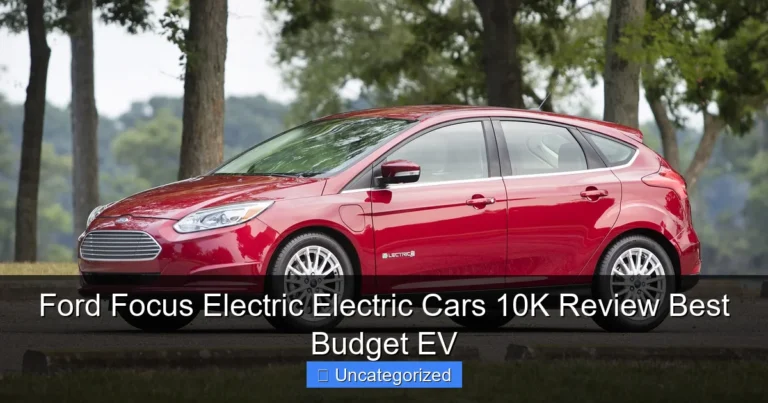
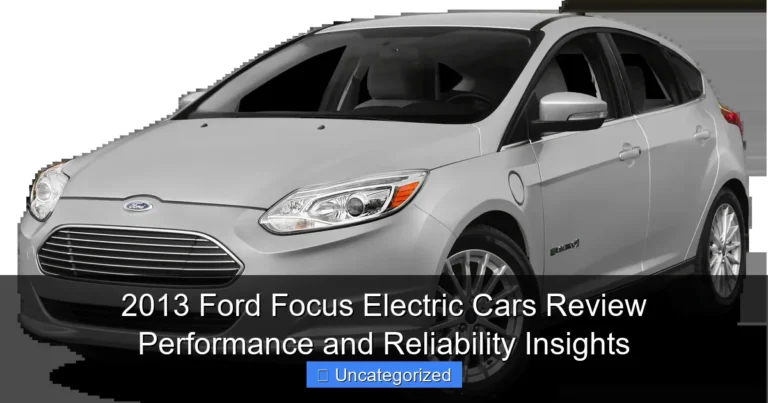
In 2020, Ford launched the Mustang Mach-E, its first all-electric SUV and a major step into the EV market. The Ford Focus Electric was also available in select regions, though it was discontinued later in the year.
How does the 2020 Mustang Mach-E compare to other electric SUVs?
The 2020 Ford electric cars lineup, led by the Mustang Mach-E, offered competitive range (up to 300 miles), sleek design, and advanced tech like SYNC 4. It stood out among rivals like the Tesla Model Y and Hyundai Kona Electric with its sporty handling and iconic branding.
What is the charging time for Ford electric cars 2020 models?
The 2020 Mustang Mach-E can charge from 10% to 80% in about 45 minutes using a DC fast charger. Level 2 (240V) home charging adds roughly 22 miles of range per hour, ideal for overnight use.
Do Ford electric cars 2020 come with tax incentives?
Yes, 2020 Ford electric cars like the Mustang Mach-E qualified for the U.S. federal tax credit of up to $7,500, depending on battery size and eligibility. State-specific incentives may also apply, making them more affordable.
What safety features do 2020 Ford electric cars offer?
The 2020 Ford electric cars, including the Mustang Mach-E, featured advanced safety tech like Ford Co-Pilot360, adaptive cruise control, lane-keeping assist, and automated emergency braking. These systems ensured a secure and confident driving experience.
Can I use the FordPass app with 2020 Ford electric cars?
Yes, the FordPass app allows 2020 Ford electric car owners to remotely start, lock/unlock, and monitor charging status. It also provides access to over 13,000 public charging stations across the U.S. via the FordPass Charging Network.