Ford Electric Cars for 2020 A Complete Review of Models and Features

Featured image for ford electric cars for 2020
Ford’s 2020 electric car lineup marks a bold step into the future with the all-new Mustang Mach-E, the brand’s first dedicated EV, blending iconic performance with zero-emission driving. Packed with cutting-edge tech, including a 300-mile range option and SYNC 4 infotainment, Ford electric cars for 2020 deliver both innovation and practicality. With competitive pricing and versatile trims, Ford challenges rivals while making electric mobility more accessible than ever.
Key Takeaways
- Ford’s 2020 EVs offer competitive range and fast-charging capabilities.
- Mustang Mach-E blends performance with practical SUV versatility.
- Advanced tech includes SYNC 4A and Ford Co-Pilot360 safety suite.
- Home charging solutions simplify daily EV ownership and costs.
- Affordable pricing with federal tax credits boosts value proposition.
- All-wheel drive available for enhanced traction and performance.
- FordPass app enables remote monitoring and charging control.
📑 Table of Contents
- Ford Electric Cars for 2020: A New Era of Electrification
- The Ford Mustang Mach-E: The Flagship Electric SUV
- Technology and Infotainment: The SYNC 4A Experience
- Interior Comfort, Materials, and Practicality
- Charging Infrastructure and Ownership Experience
- Comparison with Competitors and Market Position
- Conclusion: Ford’s Electric Future is Now
Ford Electric Cars for 2020: A New Era of Electrification
The year 2020 marked a pivotal shift in Ford’s automotive strategy, as the American automaker boldly stepped into the electric vehicle (EV) market with a renewed sense of urgency and innovation. After decades of dominance in internal combustion engines, Ford recognized the global trend toward sustainability, zero-emission transportation, and advanced technology. The launch of their first all-electric SUV, the Ford Mustang Mach-E, signaled not just an addition to the lineup but a full-scale redefinition of what a Ford could be. With Tesla leading the EV charge and legacy automakers scrambling to catch up, Ford’s 2020 electric vehicles weren’t just about competing—they were about reclaiming leadership through American ingenuity and performance heritage.
For decades, Ford’s identity has been rooted in trucks, muscle cars, and the iconic Mustang. The introduction of Ford electric cars for 2020 represented a daring fusion of tradition and futurism. These vehicles weren’t merely electrified versions of existing models; they were designed from the ground up as EVs, leveraging cutting-edge battery technology, intelligent software, and a reimagined user experience. Whether it was the Mach-E’s Mustang-inspired design, the promise of over-the-air updates, or the commitment to fast-charging infrastructure, Ford aimed to deliver EVs that were not only environmentally responsible but also thrilling to drive. This comprehensive review explores the 2020 Ford electric lineup, diving into performance, design, technology, and real-world usability to help buyers understand what made these vehicles stand out in a rapidly evolving market.
The Ford Mustang Mach-E: The Flagship Electric SUV
The Ford Mustang Mach-E was the crown jewel of Ford’s 2020 electric offerings, representing the company’s most ambitious EV to date. Unveiled in late 2019 and hitting showrooms in late 2020, the Mach-E was a bold reimagining of the Mustang brand, extending its legacy into the electric SUV segment. Unlike previous “Mustang” badges applied to unrelated models, the Mach-E embraced the spirit of the pony car—aggressive styling, exhilarating performance, and a driver-focused experience—while delivering the practicality and space of a modern SUV.
Design and Styling: Mustang DNA Meets SUV Utility
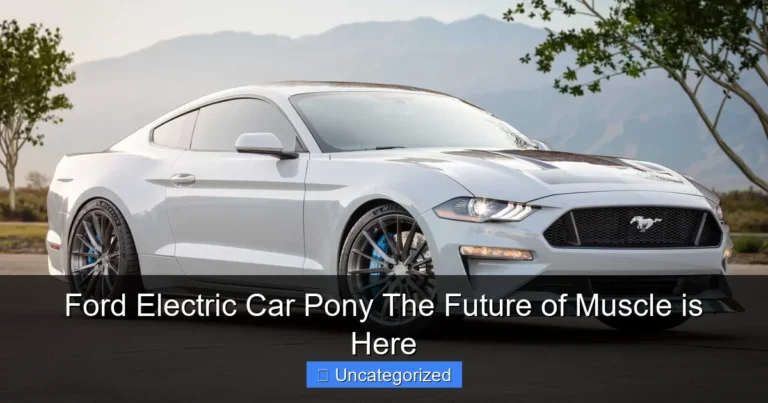
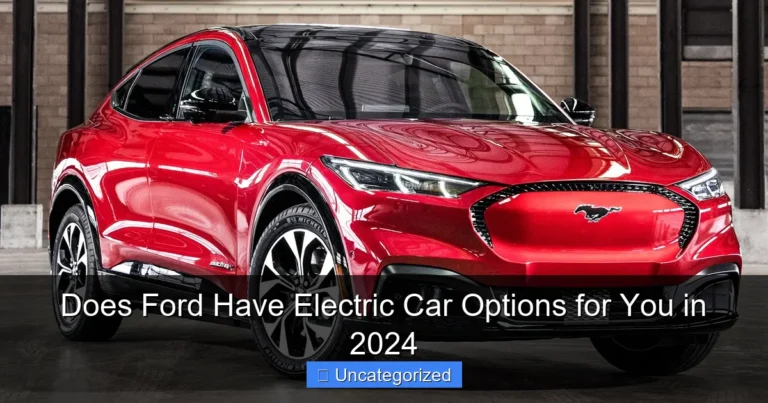
From the front fascia, the Mach-E unmistakably draws from the Mustang lineage with its tri-bar LED headlights, wide stance, and muscular hood. The sloping roofline, fastback silhouette, and frameless doors give it a coupe-like profile, while the elevated ride height and SUV proportions offer real-world versatility. Ford cleverly used design cues like the signature “Mustang” grille—now closed off due to the EV’s lack of a radiator—and the iconic pony emblem to maintain brand continuity.
- Exterior Highlights: LED lighting, active grille shutters, flush door handles, and a choice of 19- or 20-inch wheels.
- Interior Layout: Spacious cabin with a floating center console, panoramic fixed-glass roof, and available leather-trimmed seats.
- Cargo Space: 29.7 cubic feet behind the rear seats, expanding to 59.7 cubic feet with seats folded—comparable to rivals like the Tesla Model Y.
One standout feature is the “frunk” (front trunk), which offers 4.8 cubic feet of dry, lockable storage—ideal for wet gear or charging cables—thanks to the absence of an engine.
Performance and Powertrains
The 2020 Mach-E came in multiple configurations, each tailored to different buyer needs. The lineup included rear-wheel drive (RWD) and all-wheel drive (AWD) options, with battery capacities ranging from 68 kWh (Standard Range) to 88 kWh (Extended Range).
- Standard Range RWD: 266 hp, 317 lb-ft torque, 230-mile EPA range.
- Extended Range RWD: 290 hp, 317 lb-ft torque, 300-mile EPA range.
- Extended Range AWD: 346 hp, 428 lb-ft torque, 270-mile EPA range.
- Mach-E GT (available late 2020): 480 hp, 600 lb-ft torque, 0-60 mph in 3.5 seconds, 250-mile range.
The GT variant, in particular, demonstrated Ford’s commitment to performance EVs, offering track-ready acceleration and adaptive suspension. Real-world testing by *Car and Driver* showed the Extended Range AWD model achieving 0-60 mph in 4.8 seconds—impressive for a 4,500-pound SUV.
Charging and Range Realities
Ford partnered with Electrify America to provide Mach-E owners with 250 kWh of free fast charging over two years. The vehicle supports DC fast charging up to 150 kW, allowing a 10% to 80% charge in approximately 45 minutes. Level 2 charging (240V) takes about 8–10 hours for a full charge with the 11.5 kW onboard charger.
Tip: For daily commutes under 40 miles, a standard 120V outlet (Level 1) can suffice, but investing in a Level 2 home charger (around $600–$800 installed) dramatically improves convenience and battery longevity.
Technology and Infotainment: The SYNC 4A Experience
Ford’s 2020 electric vehicles debuted the SYNC 4A infotainment system, a quantum leap from previous generations. Designed specifically for EVs, SYNC 4A integrates navigation, climate control, charging management, and driver assistance into a seamless, cloud-connected platform.
SYNC 4A: A Touchscreen-Centric Interface
The centerpiece of the Mach-E’s interior is a 15.5-inch vertical touchscreen, reminiscent of Tesla’s interface but with Ford’s user-centric design. Unlike Tesla’s minimalist approach, Ford retained physical controls for critical functions like HVAC and volume, reducing distraction while driving.
- Features: Over-the-air (OTA) updates, voice-activated navigation via Alexa, wireless Apple CarPlay and Android Auto, and a built-in 4G LTE hotspot.
- Navigation: Real-time traffic, weather, and charging station availability, with automatic route planning that factors in battery level and charging speed.
- Digital Instrument Cluster: A 10.2-inch screen behind the steering wheel displays speed, battery status, range estimates, and driver-assist alerts.
One unique feature is the “Phone as a Key” system, which allows owners to unlock and start the vehicle using their smartphone—no physical key required. This proved especially useful during the pandemic, when contactless interactions were prioritized.
Advanced Driver Assistance: Ford Co-Pilot360 2.0
The Mach-E came standard with Ford Co-Pilot360 2.0, a suite of safety and convenience features:
- Pre-Collision Assist with Automatic Emergency Braking (including pedestrian detection).
- Blind Spot Information System (BLIS) with cross-traffic alert.
- Lane-Keeping System with lane departure warning and steering assist.
- Adaptive Cruise Control with Stop-and-Go and Speed Sign Recognition.
- Active Park Assist 2.0 for hands-free parallel and perpendicular parking.
The system also included Intelligent Adaptive Cruise Control, which uses navigation data to adjust speed for curves and speed limits—a feature typically found in premium EVs like the Audi e-tron or BMW iX.
Software and Updates
Ford’s OTA update capability meant the Mach-E could receive new features, performance tweaks, and bug fixes without visiting a dealership. For example, a late-2020 update improved regenerative braking logic and added a “One-Pedal Drive” mode, allowing drivers to accelerate and decelerate using only the accelerator pedal—ideal for city driving.
Practical Tip: Enable automatic updates in the vehicle settings to ensure you’re always running the latest software. Check Ford’s support website for release notes to understand what’s new.
Interior Comfort, Materials, and Practicality
Beyond performance and tech, the Mach-E prioritized comfort and daily usability. As a family-oriented SUV, it needed to balance sporty appeal with real-world practicality.
Cabin Materials and Build Quality
Higher trims (Premium and GT) featured soft-touch materials, ambient lighting, and optional ActiveX synthetic leather—a vegan-friendly alternative to traditional leather. The seats offered 8-way power adjustment with heating and ventilation in top models. While not on par with luxury EVs like the Tesla Model Y or Polestar 2, the interior felt modern and well-assembled, with minimal panel gaps and consistent stitching.
One critique: the rear seats, while spacious for adults, had a slightly upright seating position. Taller passengers might find headroom tight under the panoramic roof, though legroom was generous at 38.1 inches.
Storage and Flexibility
The Mach-E’s interior storage was thoughtfully designed:
- Center Console: Large bin with wireless charging pad, USB-C and USB-A ports, and a sliding tray.
- Door Pockets: Deep and lined with fabric to prevent rattling.
- Rear Cargo: Power liftgate with hands-free operation, under-floor storage for cables, and a 12V outlet.
- Frunk: Waterproof, lockable, and equipped with a drain plug—perfect for camping gear or groceries.
For families, the rear seats fold 60/40 and include child seat anchors. The flat floor (thanks to the EV platform) made it easy to load bulky items like strollers or bicycles.
Noise and Ride Quality
Electric vehicles are naturally quiet, but Ford went further by using acoustic glass and active noise cancellation. At highway speeds, wind and tire noise were well-managed, though some road noise from the low-profile tires on 20-inch wheels was noticeable. The suspension tuned for a sporty feel, offering firm but compliant ride quality—ideal for spirited driving without sacrificing comfort.
Tip: Opt for the 19-inch wheels with taller tires if comfort is a priority; they absorb bumps better than the 20-inch performance wheels.
Charging Infrastructure and Ownership Experience
One of the biggest hurdles for EV adoption is charging anxiety. Ford addressed this with a multi-pronged strategy, focusing on convenience, accessibility, and cost.
FordPass Charging Network
Ford partnered with Electrify America, EVgo, and ChargePoint to create the FordPass Charging Network. Mach-E owners could access over 13,500 charging stations across the U.S., including 2,000+ DC fast chargers. The FordPass app provided real-time availability, pricing, and remote charging initiation.
- Free Charging: 250 kWh of free fast charging at Electrify America stations for the first two years (approx. 750 miles of range).
- Plug & Charge: Enabled automatic billing—no app or card needed at compatible stations.
- Home Charging: Ford offered a $500 rebate for installing a Level 2 charger through its partner, Qmerit.
Home Charging Setup
For most owners, home charging is the primary method. The Mach-E supports:
- Level 1 (120V): Adds 3–5 miles of range per hour—suitable for overnight charging.
- Level 2 (240V): Adds 20–30 miles per hour—ideal for full recharges in 8–10 hours.
Tip: Schedule charging during off-peak hours (e.g., 11 PM–7 AM) to save on electricity bills and reduce strain on the grid. Use the FordPass app to set charging schedules remotely.
Warranty and Maintenance
Ford offered a competitive warranty package:
- 8-year/100,000-mile battery and electric motor coverage.
- 3-year/36,000-mile bumper-to-bumper warranty.
- 5-year/60,000-mile powertrain warranty.
EVs require less maintenance than ICE vehicles—no oil changes, spark plugs, or exhaust systems. However, regular checks of the high-voltage system, cooling lines, and software updates are recommended every 12 months or 10,000 miles.
Comparison with Competitors and Market Position
The 2020 Ford electric car lineup faced stiff competition from Tesla, Volkswagen, and Hyundai. The Mach-E entered a crowded segment, but Ford differentiated itself through performance, design, and brand trust.
Head-to-Head: Mach-E vs. Tesla Model Y
The Model Y was the Mach-E’s closest rival, with similar pricing and range. Key differences:
- Range: Model Y Long Range: 326 miles; Mach-E Extended Range RWD: 300 miles.
- Charging: Tesla’s Supercharger network (2,000+ stations) is faster and more reliable than Ford’s third-party network.
- Interior: Model Y has a minimalist cabin; Mach-E offers more physical controls and storage.
- Price: Base Mach-E Select: $42,895; Model Y Long Range: $51,990 (before incentives).
While the Model Y offered slightly more range and a superior charging network, the Mach-E provided better value, more intuitive tech, and a more engaging driving experience.
Other Competitors: Volkswagen ID.4 and Hyundai Kona Electric
The Volkswagen ID.4 (250-mile range) was more affordable but lacked the Mach-E’s performance and tech polish. The Hyundai Kona Electric (258-mile range) was compact and efficient but felt underpowered compared to the Mach-E’s GT variant.
Ford’s advantage lay in its brand recognition, dealer network, and Mustang heritage—elements that resonated with traditional car buyers transitioning to EVs.
Market Reception and Sales
Despite pandemic-related delays, Ford delivered over 6,600 Mach-Es in 2020, with strong demand for the Premium and GT trims. Consumer Reports rated it among the top EVs for driving dynamics, while J.D. Power praised its infotainment system.
| Model | Starting Price (2020) | EPA Range | 0-60 mph | Fast Charging Speed |
|---|---|---|---|---|
| Ford Mustang Mach-E Select (SR RWD) | $42,895 | 230 miles | 6.1 seconds | 115 kW |
| Ford Mustang Mach-E Premium (ER RWD) | $47,000 | 300 miles | 5.8 seconds | 150 kW |
| Ford Mustang Mach-E GT (ER AWD) | $59,900 | 250 miles | 3.5 seconds | 150 kW |
| Tesla Model Y Long Range | $51,990 | 326 miles | 4.8 seconds | 250 kW |
| Volkswagen ID.4 Pro | $39,995 | 250 miles | 7.6 seconds | 125 kW |
Conclusion: Ford’s Electric Future is Now
The 2020 Ford electric car lineup, anchored by the Mustang Mach-E, represented a watershed moment in the company’s history. It wasn’t just about entering the EV market—it was about doing so with confidence, innovation, and a clear vision. The Mach-E succeeded by blending the emotional appeal of the Mustang brand with the practicality, technology, and sustainability that modern drivers demand. From its striking design and exhilarating performance to its intuitive SYNC 4A system and robust charging partnerships, the Mach-E proved that Ford could compete—and even lead—in the electric era.
For buyers in 2020, choosing a Ford electric car meant getting more than just a zero-emission vehicle; it meant joining a legacy of American engineering, supported by a vast dealer network, comprehensive warranty, and a commitment to continuous improvement through OTA updates. While challenges remained—such as charging infrastructure reliability and range limitations in cold weather—Ford addressed them with practical solutions, from free fast charging to intelligent route planning.
Looking ahead, the Mach-E set the stage for Ford’s broader electrification strategy, including the F-150 Lightning and E-Transit van. The 2020 models weren’t just a starting point—they were a statement of intent. As the automotive world accelerates toward an all-electric future, Ford’s 2020 EVs demonstrated that performance, practicality, and progress can coexist. For anyone considering an electric SUV, the Ford Mustang Mach-E remains a compelling choice, embodying the best of what Ford electric cars for 2020 had to offer: innovation rooted in tradition, power without pollution, and a driving experience that’s as thrilling as it is responsible.
Frequently Asked Questions
What Ford electric cars were available in 2020?
In 2020, Ford launched the Mustang Mach-E, its first all-electric SUV, marking a major entry into the EV market. This was the only fully electric model from Ford that year, alongside plug-in hybrid versions like the Escape PHEV and Explorer PHEV.
How does the 2020 Mustang Mach-E perform compared to other electric SUVs?
The 2020 Mustang Mach-E delivers competitive performance with up to 300+ miles of range (Extended Range RWD) and 0-60 mph times as quick as 3.5 seconds (GT Performance model). It rivals the Tesla Model Y and Audi e-tron in both range and tech features, while offering a more traditional SUV design.
What are the key features of Ford electric cars for 2020, specifically the Mach-E?
The 2020 Mustang Mach-E boasts Ford’s SYNC 4 infotainment system, over-the-air updates, and advanced driver aids like Co-Pilot360. It also includes fast-charging capability (adding 61 miles in 10 minutes) and optional all-wheel drive across multiple trims.
How much does the 2020 Ford Mustang Mach-E cost, and are there tax incentives?
The 2020 Mustang Mach-E started at $42,895 (Select trim) before federal/state EV tax credits, which could reduce the effective price by up to $7,500. Pricing varied by trim and battery option, with the GT Performance model exceeding $60,000.
What is the charging infrastructure like for 2020 Ford electric cars?
Ford partnered with Electrify America to provide Mach-E owners with 250 kWh of free fast charging (over 1 year). The vehicle supports Level 2 home charging and DC fast charging via the CCS standard, compatible with most public networks.
Are 2020 Ford electric cars reliable, and what warranty do they offer?
The 2020 Mustang Mach-E comes with an 8-year/100,000-mile battery warranty and a 3-year/36,000-mile bumper-to-bumper warranty. Early reliability reports were positive, with Ford’s strong dealer network adding peace of mind for maintenance.