Ford Electric or Hybrid Car Which One Fits Your Lifestyle Best
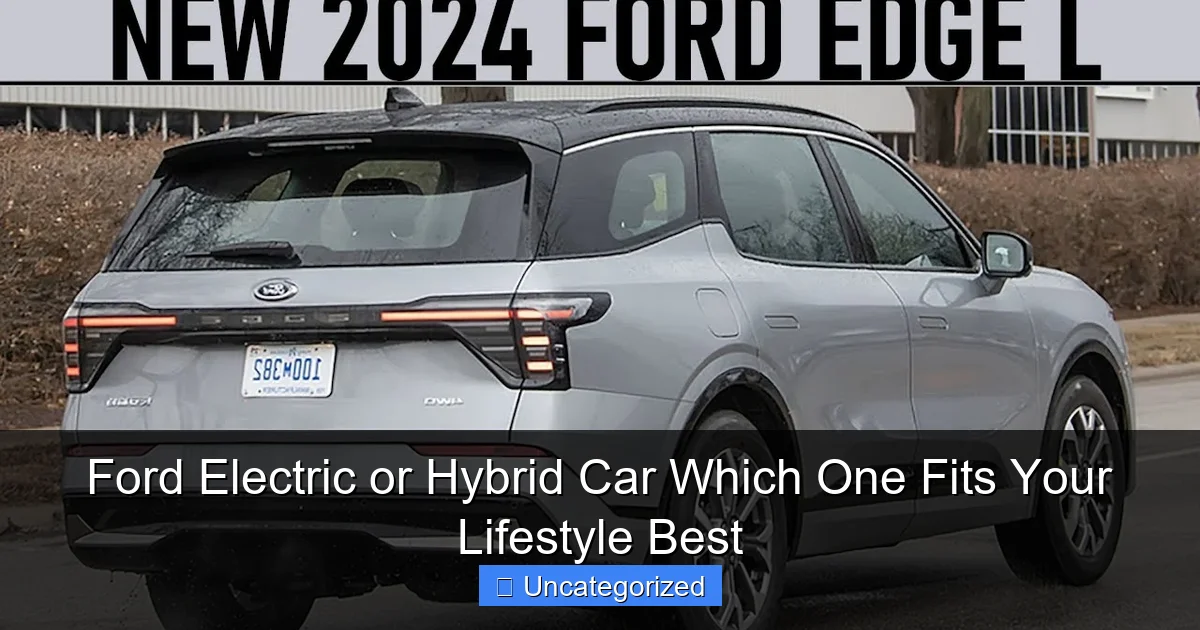
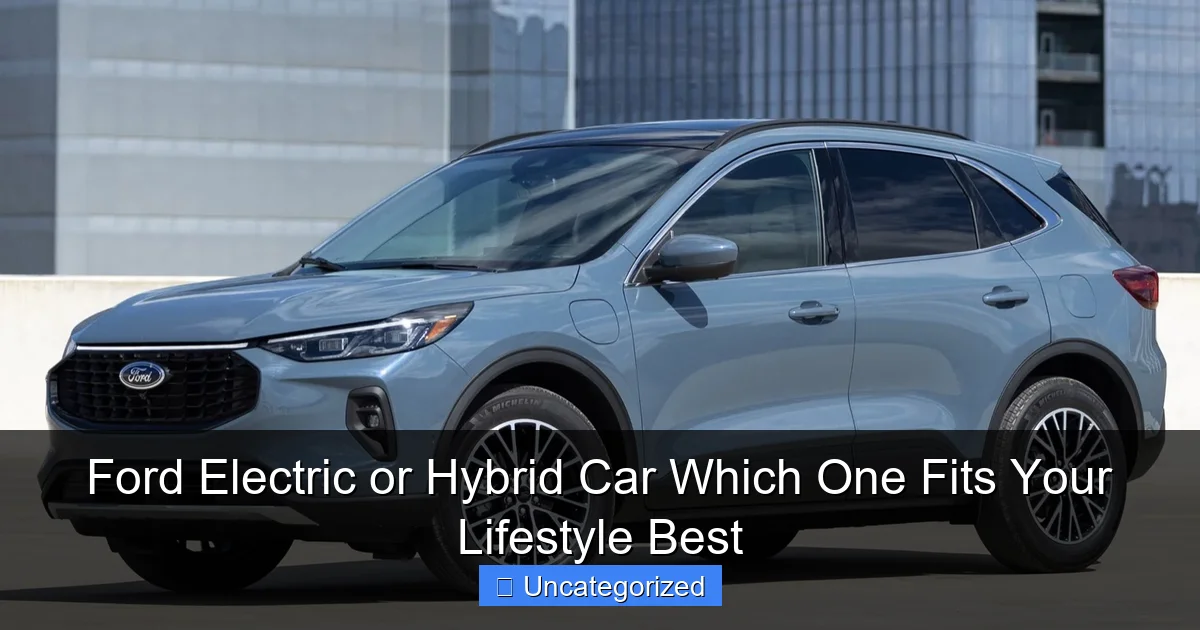
Featured image for ford electric or hybrid car
Image source: i.ytimg.com
Choosing between a Ford electric or hybrid car depends on your driving habits and access to charging—fully electric models like the Mustang Mach-E deliver zero-emission performance and lower long-term costs, ideal for daily commuters with home charging. If you frequently travel long distances or lack consistent charging access, a hybrid like the Ford Escape Hybrid offers superior flexibility, combining gas and electric power for improved fuel economy without range anxiety.
Key Takeaways
- Choose electric for zero emissions and lower long-term fuel costs.
- Hybrid models offer flexibility with gas and electric power combined.
- Consider charging access—electric requires reliable home or public stations.
- Evaluate driving habits—long commutes favor hybrids, short trips suit electric.
- Tax incentives may apply—electric vehicles often qualify for more savings.
- Maintenance differs—electric has fewer parts, hybrids need engine upkeep.
- Test drive both to compare performance, comfort, and tech features.
📑 Table of Contents
- Ford Electric or Hybrid Car: Which One Fits Your Lifestyle Best?
- Understanding Ford’s Electric and Hybrid Lineup
- Cost Comparison: Upfront Price, Incentives, and Long-Term Savings
- Charging Infrastructure and Range: What You Need to Know
- Driving Experience: Performance, Comfort, and Technology
- Which Ford Is Right for Your Lifestyle? A Practical Guide
- Data Table: Ford Electric vs. Hybrid Comparison
- Final Thoughts: Making the Right Choice for You
Ford Electric or Hybrid Car: Which One Fits Your Lifestyle Best?
As the automotive industry accelerates toward a more sustainable future, Ford has emerged as a frontrunner in the electric and hybrid vehicle revolution. With bold commitments to electrification—including a $50 billion investment by 2026 and plans to produce 2 million electric vehicles (EVs) annually by 2026—Ford is redefining what it means to drive green without sacrificing performance, comfort, or innovation. Whether you’re a city commuter, a long-distance road-tripper, or a family seeking eco-friendly transportation, Ford’s lineup of electric and hybrid vehicles offers compelling choices for every lifestyle. But with options ranging from the all-electric Ford F-150 Lightning to the fuel-efficient Ford Escape Hybrid, how do you decide which one best aligns with your needs?
The decision between a Ford electric car and a Ford hybrid car isn’t just about environmental impact—it’s about practicality, cost, driving experience, and long-term ownership. Electric vehicles promise zero tailpipe emissions and lower operating costs, but they require access to charging infrastructure. Hybrid vehicles offer the best of both worlds: electric efficiency for city driving and a gasoline engine for extended range. In this comprehensive guide, we’ll dive deep into Ford’s electric and hybrid offerings, compare their performance, cost, charging needs, and ideal use cases, and help you determine which model—or powertrain—fits your lifestyle best. Whether you’re considering your first eco-conscious car or upgrading from a traditional gasoline vehicle, this guide will equip you with the insights to make an informed choice.
Understanding Ford’s Electric and Hybrid Lineup
Ford’s Electric Vehicles (EVs): Pure Power, Zero Emissions
Ford’s electric vehicle lineup is built on innovation, performance, and practicality. As of 2024, the company offers three core all-electric models: the Mustang Mach-E, the F-150 Lightning, and the E-Transit commercial van. Each model is designed with a distinct audience in mind, but all share Ford’s commitment to cutting-edge battery technology, smart connectivity, and American-made quality.
Visual guide about ford electric or hybrid car
Image source: fordauthority.com
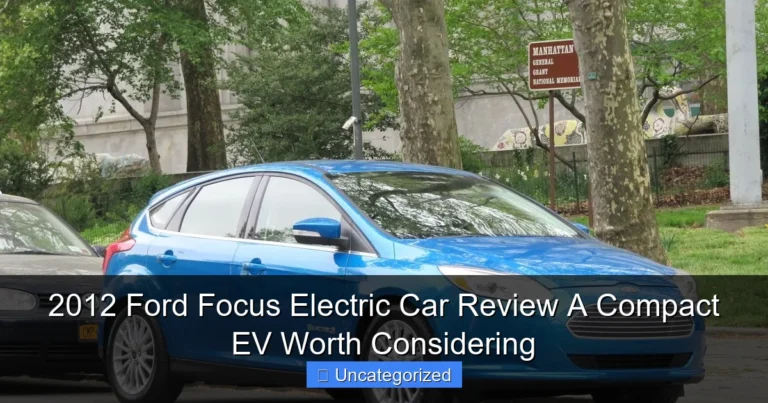
The Mustang Mach-E is Ford’s first all-electric SUV, blending the iconic Mustang brand with modern EV capabilities. Available in rear-wheel and all-wheel drive configurations, it offers up to 314 miles of range (Extended Range RWD), 480 horsepower (GT model), and a sleek, tech-forward interior. With a 0-60 mph time as quick as 3.5 seconds in the GT Performance Edition, it proves that electric vehicles can be both eco-friendly and exhilarating.
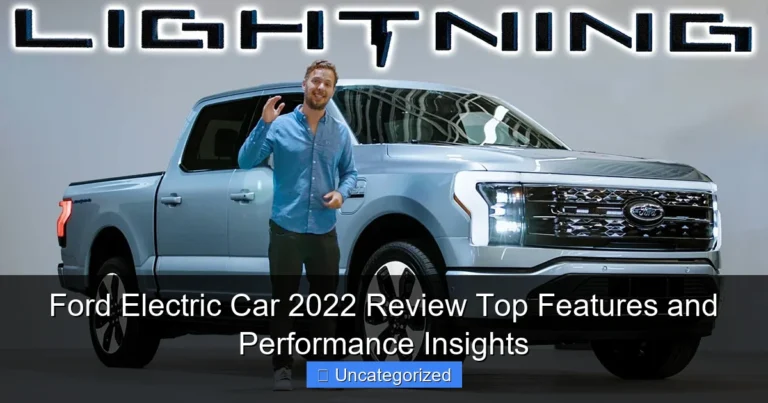
The F-150 Lightning reimagines America’s best-selling vehicle as a fully electric powerhouse. With up to 320 miles of range (Extended Range model), 580 horsepower, and 775 lb-ft of torque, it’s not just a workhorse—it’s a technological marvel. Features like Pro Power Onboard (up to 9.6 kW of exportable power) and Intelligent Backup Power (capable of powering a home during outages) make it ideal for homeowners, contractors, and outdoor enthusiasts.
The E-Transit, meanwhile, targets commercial users with a 126-mile range, 265 horsepower, and a cargo capacity of up to 487.3 cubic feet. It’s Ford’s answer to the growing demand for zero-emission delivery and service vehicles.
Ford’s Hybrid Vehicles: Bridging the Gap with Efficiency
For drivers not yet ready to go fully electric, Ford’s hybrid lineup offers a seamless transition. Hybrids use a combination of a gasoline engine and an electric motor to maximize fuel efficiency while eliminating range anxiety. Ford currently offers several hybrid models, including the Ford Escape Hybrid, Ford Explorer Hybrid, and Ford Maverick Hybrid.
The Ford Escape Hybrid is a compact SUV that achieves up to 40 mpg combined (city/highway), making it one of the most fuel-efficient non-plug-in SUVs on the market. With a 2.5L Atkinson-cycle engine and electric motor, it delivers smooth acceleration and quiet operation, especially in stop-and-go traffic.
The Ford Explorer Hybrid brings hybrid efficiency to the midsize SUV segment. With a 3.3L V6 hybrid engine producing 318 horsepower and 322 lb-ft of torque, it offers a 500-mile driving range and up to 27 mpg combined. It’s ideal for families who need space, power, and long-distance capability without frequent fuel stops.
The Ford Maverick Hybrid is a game-changer: a compact pickup truck with a standard hybrid powertrain. With a 2.5L hybrid engine and front-wheel drive, it delivers 42 mpg city and 33 mpg highway—unheard of in the pickup segment. Priced under $25,000 (before incentives), it’s an affordable entry point into hybrid ownership.
Key Differences in Technology and Powertrains
Understanding the technology behind each powertrain is crucial. Ford electric cars use lithium-ion battery packs and electric motors to drive the wheels. They require charging via Level 1 (120V), Level 2 (240V), or DC fast charging. Regenerative braking helps recharge the battery during deceleration.
Ford hybrid cars use a smaller battery that is charged through regenerative braking and the gasoline engine. There’s no need for external charging in standard hybrids (though plug-in hybrids like the Escape PHEV do exist). The system automatically switches between electric, gas, or a combination depending on driving conditions.
For example, the Escape Hybrid can drive up to 1 mile on electric power alone at low speeds, while the F-150 Lightning can drive over 300 miles on a single charge. The choice depends on your daily commute, access to charging, and willingness to adapt to new routines.
Cost Comparison: Upfront Price, Incentives, and Long-Term Savings
Upfront Purchase Price
One of the first considerations for most buyers is the initial cost. Generally, Ford electric cars have a higher sticker price than their hybrid counterparts due to advanced battery technology and larger motors. For example:
- Ford Escape Hybrid: Starting at $28,000
- Ford Maverick Hybrid: Starting at $23,400
- Ford Escape PHEV: Starting at $35,000
- Ford Mustang Mach-E: Starting at $43,000
- Ford F-150 Lightning: Starting at $50,000 (before incentives)
However, it’s important to look beyond the MSRP. Federal, state, and local incentives can significantly reduce the effective cost of electric vehicles.
Federal and State Incentives
As of 2024, the Inflation Reduction Act (IRA) provides a federal tax credit of up to $7,500 for qualifying new electric vehicles. To qualify, the vehicle must be assembled in North America, have a battery made with a certain percentage of critical minerals sourced from the U.S. or free-trade partners, and meet MSRP caps ($80,000 for SUVs and trucks, $55,000 for sedans).
As of this writing, the F-150 Lightning and Mustang Mach-E qualify for the full $7,500 credit. The E-Transit may qualify under commercial incentives. Hybrids, including the Escape Hybrid and Maverick Hybrid, do not currently qualify for the federal tax credit under the new rules, though some states (like California and New York) offer separate hybrid incentives.
For example, California’s Clean Vehicle Rebate Project (CVRP) offers up to $2,000 for EVs and $1,000 for PHEVs. New York’s Drive Clean Rebate provides up to $2,000 for EVs. Always check your state’s DMV or energy department website for current programs.
Fuel and Maintenance Savings
Over time, Ford electric cars offer substantial savings in fuel and maintenance costs. Electricity is cheaper than gasoline—on average, $0.15 per kWh vs. $3.50 per gallon. For a 15,000-mile annual drive, an EV like the Mach-E (27 kWh/100 miles) would cost about $607 in electricity, while an Escape Hybrid (40 mpg) would cost about $1,312 in gasoline.
Maintenance is also simpler for EVs: no oil changes, fewer moving parts, and no exhaust or transmission systems. Ford estimates that EV owners save up to $6,000 in maintenance over five years compared to gasoline vehicles. Hybrids fall in between, with savings on fuel but still requiring engine maintenance.
Tip: Use Ford’s Fuel & Electric Cost Calculator on their website to compare your specific driving habits and local energy prices.
Charging Infrastructure and Range: What You Need to Know
Charging Options for Ford Electric Cars
Charging is the biggest lifestyle consideration for Ford electric cars. Unlike hybrids, which refuel at any gas station, EVs require planning and access to charging. Ford offers several charging solutions:
- Level 1 (120V): Standard household outlet. Adds 2-5 miles of range per hour. Best for overnight charging or low daily use.
- Level 2 (240V): Home charging stations (e.g., Ford Connected Charge Station). Adds 10-25 miles per hour. Recommended for daily drivers.
- DC Fast Charging: Public stations (e.g., Electrify America, EVgo). Adds 60-80 miles in 10 minutes. Ideal for road trips.
Ford includes two years of complimentary charging at Electrify America stations for Mach-E and Lightning buyers—a major perk for long-distance travelers.
Range Realities: How Far Can You Go?
Range varies significantly between models:
- Ford Mustang Mach-E: 224–314 miles (Standard to Extended Range)
- Ford F-150 Lightning: 240–320 miles (Standard to Extended Range)
- Ford E-Transit: 126 miles (ideal for urban delivery routes)
Hybrids, on the other hand, offer much greater range:
- Ford Escape Hybrid: Up to 582 miles
- Ford Explorer Hybrid: Up to 500 miles
- Ford Maverick Hybrid: Up to 511 miles
Real-world example: If you commute 60 miles round-trip daily, a Mach-E Extended Range could handle it on a single charge with room to spare. But if you frequently drive 200+ miles on weekends, a hybrid or PHEV might be more practical unless you have access to fast charging.
Home Charging Installation Tips
Installing a Level 2 charger at home is the best way to maximize convenience. Ford partners with Qmerit to offer turnkey installation services. Average cost: $700–$1,500, depending on electrical panel upgrades.
- Check your electrical panel capacity (minimum 200-amp service recommended).
- Install the charger near your parking spot.
- Use FordPass app to schedule off-peak charging (saves money on time-of-use rates).
Pro tip: If you rent, look into portable Level 2 chargers (like the Ford Mobile Power Cord) that work with 240V outlets (e.g., laundry rooms, RV parks).
Driving Experience: Performance, Comfort, and Technology
Performance: Instant Torque vs. Smooth Efficiency
One of the most noticeable differences is driving feel. Ford electric cars deliver instant torque—the moment you press the accelerator, the car surges forward with near-silent power. The F-150 Lightning, for example, feels like a sports car off the line, with 0-60 mph in 4.5 seconds (Standard Range).
Ford hybrid cars offer a more traditional driving experience. The transition between electric and gas modes is seamless, but acceleration is more gradual. The Escape Hybrid is nimble in city traffic, while the Explorer Hybrid provides confident highway passing power.
Real-world test: Try a test drive of both a Mach-E and an Escape Hybrid. You’ll notice the Mach-E’s responsiveness and quiet cabin, while the hybrid feels familiar and composed.
Interior Space and Comfort
Both electric and hybrid Fords offer spacious, tech-rich interiors. The Mach-E features a minimalist design with a 15.5-inch touchscreen and available panoramic glass roof. The Lightning includes a 12-inch digital instrument cluster and available Max Recline front seats.
Hybrids like the Explorer Hybrid offer three-row seating and up to 85.3 cubic feet of cargo space. The Maverick Hybrid has a 4.5-foot bed with a 1,500-pound payload—perfect for weekend projects.
Tip: If you have a large family or frequently haul gear, the Explorer Hybrid or F-150 Lightning offer more flexibility than the compact Escape or Maverick.
Technology and Connectivity
All Ford EVs and hybrids come with Ford SYNC 4 infotainment, wireless Apple CarPlay/Android Auto, and over-the-air software updates. EVs go further with features like:
- BlueCruise: Hands-free driving on 130,000+ miles of pre-mapped highways (available on Mach-E and Lightning).
- FordPass: Remote start, charge scheduling, and vehicle status monitoring.
- Pro Power Onboard: Power tools, lights, or even a home during outages (Lightning only).
Hybrids also include many of these features, but lack the full suite of EV-exclusive tech like bidirectional charging.
Which Ford Is Right for Your Lifestyle? A Practical Guide
Urban Commuters and City Dwellers
If you live in a city with access to charging (home, workplace, public), a Ford Mustang Mach-E or Ford Escape PHEV is ideal. The Mach-E offers long range, sporty handling, and fast charging. The Escape PHEV can drive up to 37 miles on electricity alone—perfect for a 10-mile commute.
Tip: Use public fast chargers during errands to extend range without home charging.
Suburban Families
For families needing space, safety, and long-range capability, the Ford Explorer Hybrid or F-150 Lightning are top choices. The Explorer Hybrid offers three rows and 500-mile range—great for road trips. The Lightning provides 320 miles of range, Pro Power Onboard for camping, and towing up to 10,000 lbs.
Truck Enthusiasts and Contractors
The Ford F-150 Lightning is a no-brainer for truck lovers. It combines the utility of an F-150 with zero emissions, lower operating costs, and home power backup. For those not ready to go electric, the Ford Maverick Hybrid offers a compact, affordable, and fuel-efficient pickup option.
Long-Distance Travelers
If you frequently drive 300+ miles between stops, a hybrid like the Explorer Hybrid or Escape Hybrid is more practical. While the Lightning can handle long trips, you’ll need to plan charging stops carefully. With Ford’s Electrify America partnership, it’s doable—but requires more planning.
Commercial and Fleet Operators
The Ford E-Transit is perfect for delivery services, tradespeople, and fleets. With low operating costs, zero emissions, and 126-mile range, it’s ideal for urban routes. Pair it with the Maverick Hybrid for a mixed fleet strategy.
Data Table: Ford Electric vs. Hybrid Comparison
| Model | Powertrain | Range (Miles) | MPG / MPGe | Starting MSRP | Federal Tax Credit | Best For |
|---|---|---|---|---|---|---|
| Ford Maverick Hybrid | Hybrid (2.5L I4 + Electric) | 511 | 42 city / 33 hwy | $23,400 | No | Compact pickup, city drivers |
| Ford Escape Hybrid | Hybrid (2.5L I4 + Electric) | 582 | 40 combined | $28,000 | No | Urban/suburban commuters |
| Ford Escape PHEV | Plug-in Hybrid | 37 (electric), 515 (total) | 100 MPGe / 40 MPG | $35,000 | Yes (up to $7,500) | Short commutes with charging access |
| Ford Mustang Mach-E | Electric | 224–314 | 100–110 MPGe | $43,000 | Yes (up to $7,500) | Performance, tech, city driving |
| Ford F-150 Lightning | Electric | 240–320 | 70–78 MPGe | $50,000 | Yes (up to $7,500) | Truck lovers, contractors, families |
| Ford Explorer Hybrid | Hybrid (3.3L V6 + Electric) | 500 | 27 combined | $55,000 | No | Large families, long trips |
Final Thoughts: Making the Right Choice for You
Choosing between a Ford electric car and a Ford hybrid car ultimately comes down to your lifestyle, driving habits, and infrastructure access. If you have home charging, drive mostly within 200 miles, and want the thrill of instant torque and lower long-term costs, an EV like the Mustang Mach-E or F-150 Lightning is a fantastic investment. The federal tax credit, free public charging, and advanced tech features make it a compelling choice for forward-thinking drivers.
On the other hand, if you’re not ready to rely solely on electricity, frequently take long road trips, or live in an area with limited charging infrastructure, a hybrid like the Escape Hybrid, Maverick Hybrid, or Explorer Hybrid offers the perfect balance. You’ll enjoy improved fuel economy, reduced emissions, and the freedom of a gas tank—without the range anxiety of a full EV.
Ford’s commitment to both technologies ensures that no matter which path you choose, you’re getting a well-built, innovative, and American-made vehicle. Take the time to test drive multiple models, calculate your total cost of ownership (including incentives and fuel savings), and consider your charging options. Whether you’re drawn to the silent power of an electric Mustang or the practical efficiency of a hybrid pickup, Ford has a green vehicle that fits your life—today and in the years to come.
Frequently Asked Questions
What’s the difference between a Ford electric and hybrid car?
A Ford electric car runs solely on battery power with zero emissions, while a hybrid combines a gas engine with an electric motor for improved efficiency. Electric models like the Mustang Mach-E require charging, whereas hybrids like the Escape Hybrid switch automatically between gas and electric power.
Which Ford electric or hybrid car has the longest range?
The Ford F-150 Lightning offers the longest electric range (up to 320 miles), while the Escape Plug-in Hybrid delivers up to 37 miles of electric-only driving before switching to gas. Range depends on driving conditions and battery size.
Do Ford hybrid cars need to be plugged in?
Most Ford hybrids (like the Escape Hybrid) don’t require plugging in—they recharge via regenerative braking and the gas engine. Only plug-in hybrids (PHEVs), like the Escape Plug-in Hybrid, need charging to maximize electric-only range.
Are Ford electric cars more expensive than hybrids?
Generally, yes—Ford electric cars (e.g., F-150 Lightning) have a higher upfront cost than hybrids (e.g., Explorer Hybrid), but federal tax credits and lower fuel/maintenance costs can offset the price difference over time.
Which Ford hybrid or electric car is best for city driving?
For city driving, the Escape Plug-in Hybrid or Mustang Mach-E are ideal. Their electric modes excel in stop-and-go traffic, reducing fuel use and emissions while offering smooth acceleration.
How long does it take to charge a Ford electric car?
Charging time varies: using a Level 2 charger, the Mustang Mach-E can go from 10% to 80% in about 40 minutes. Overnight charging at home (Level 1) works for daily commutes, while DC fast chargers provide quicker top-ups on the go.