Ford Focus Electric Car Maintenance Tips for Long Lasting Performance
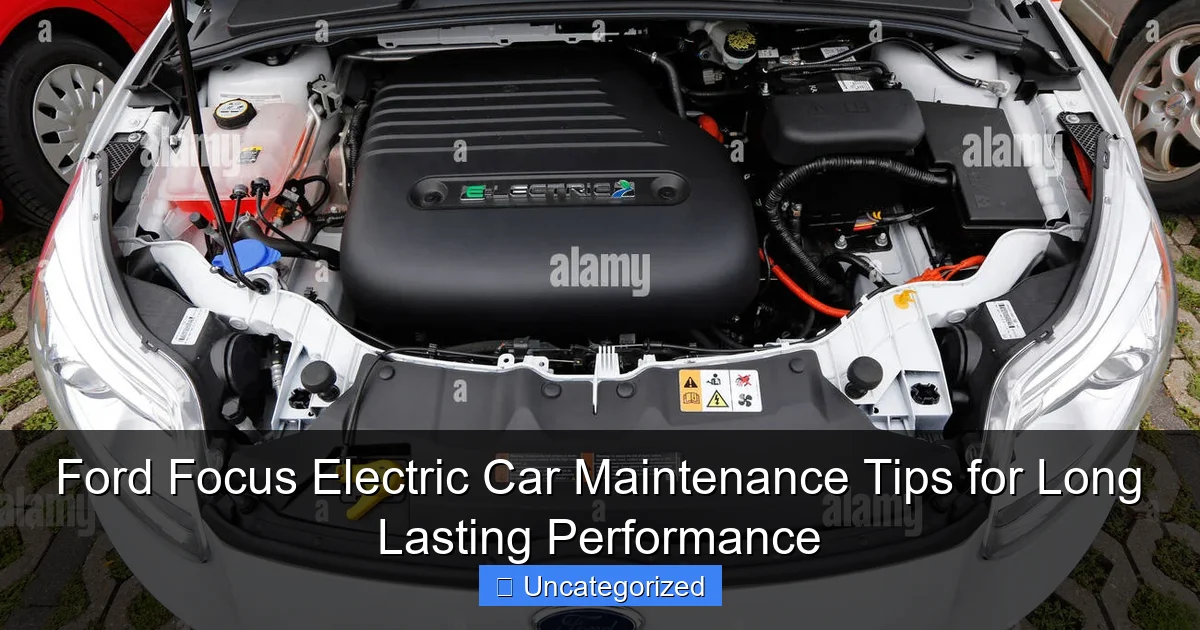
Featured image for ford focus electric car maintenance
Image source: c8.alamy.com
Regular battery care and software updates are essential to maximize the performance and lifespan of your Ford Focus Electric. Follow scheduled maintenance for the cooling system, brakes, and tires to ensure efficiency, safety, and long-term reliability. Simple, proactive steps today prevent costly repairs and keep your electric ride running smoothly for years.
Key Takeaways
- Regularly check tire pressure to ensure optimal efficiency and extend tire life.
- Schedule annual brake inspections since regenerative braking wears components differently.
- Keep software updated for improved performance and new feature access.
- Monitor battery health using Ford’s diagnostic tools to prevent degradation.
- Use certified charging stations to maintain battery longevity and safety.
- Clean cooling systems to prevent overheating and ensure battery efficiency.
- Store at moderate charge (40–60%) during long periods of inactivity.
📑 Table of Contents
- The Future of Driving: Maintaining Your Ford Focus Electric for Peak Performance
- Understanding the Unique Maintenance Needs of the Ford Focus Electric
- Battery Care and Management: The Heart of Your EV
- Braking, Tires, and Suspension: Adapting to EV Dynamics
- Electrical Systems and Software Updates: Keeping the Brain Healthy
- Seasonal Maintenance and Long-Term Storage Tips
- Maintenance Schedule and Cost Comparison: What to Expect
- Conclusion: Empowering Your EV Journey with Smart Maintenance
The Future of Driving: Maintaining Your Ford Focus Electric for Peak Performance
The Ford Focus Electric represents a pivotal shift in automotive innovation—a vehicle that blends eco-conscious engineering with the practicality of a compact sedan. As electric vehicles (EVs) surge in popularity, owners of the Focus Electric are at the forefront of a cleaner, quieter, and more efficient driving experience. However, while EVs require less maintenance than their internal combustion engine (ICE) counterparts, they are not maintenance-free. Proper care is essential to ensure your Focus Electric delivers long-lasting performance, retains its value, and maximizes its range over time.
Unlike traditional vehicles, the Ford Focus Electric eliminates oil changes, exhaust system repairs, and spark plug replacements. But this doesn’t mean you can set it and forget it. From the high-voltage battery system to regenerative braking, the unique components of an EV demand a tailored maintenance approach. In this comprehensive guide, we’ll explore the most critical aspects of Ford Focus Electric car maintenance, offering actionable tips, expert insights, and data-driven recommendations to help you keep your EV running smoothly for years to come. Whether you’re a new owner or a seasoned EV enthusiast, these strategies will empower you to get the most out of your electric driving experience.
Understanding the Unique Maintenance Needs of the Ford Focus Electric
The Ford Focus Electric operates on a fundamentally different architecture than conventional vehicles. Its electric motor, high-capacity lithium-ion battery pack, and regenerative braking system are engineered for efficiency and durability—but they require specific care to maintain optimal function. Understanding these differences is the first step toward effective maintenance.

Visual guide about ford focus electric car maintenance
Image source: evmechanica.com
How the Electric Powertrain Changes the Maintenance Game
Traditional ICE vehicles have over 2,000 moving parts, many of which are subject to wear and tear. The Focus Electric, by contrast, has far fewer—its electric motor has just a few moving components, significantly reducing mechanical complexity. This translates to fewer routine services like oil changes, timing belt replacements, and exhaust system repairs. However, the absence of these services doesn’t eliminate the need for attention. Instead, maintenance shifts focus to the high-voltage battery system, thermal management, and electrical components.
- No Engine Oil: The electric motor doesn’t require lubrication in the same way an ICE does. However, the motor bearings and gearbox may still need periodic inspection and lubrication—especially in high-mileage vehicles.
- Coolant System: The battery pack and power electronics rely on a dedicated coolant loop. Unlike engine coolant, this fluid is specially formulated to handle high-voltage components and must be replaced at manufacturer-recommended intervals (typically every 5 years or 60,000 miles).
- Regenerative Braking: This system reduces wear on the friction brakes, but it also means the brake fluid and calipers still require regular inspection for corrosion and moisture buildup.
Key Components That Require Special Attention
While the Focus Electric has fewer mechanical parts, several critical systems demand proactive maintenance:
- Battery Thermal Management System: The battery pack is sensitive to temperature extremes. Overheating or deep cold can degrade capacity. The car uses active liquid cooling and heating to regulate battery temperature, and the coolant and sensors must be maintained.
- High-Voltage Cables and Connectors: These components carry up to 300 volts. Any damage or corrosion can pose safety risks and reduce efficiency. Visual inspections during service are crucial.
- Onboard Charger and Charging Port: The charging system converts AC power from the grid to DC for the battery. Keeping the charging port clean and checking for wear on the cable is essential for reliable charging.
Pro Tip: Always use Ford-approved service centers or technicians certified in high-voltage systems. Attempting DIY repairs on the high-voltage system can be dangerous and void your warranty.
Battery Care and Management: The Heart of Your EV
The lithium-ion battery pack is the most expensive and critical component of the Ford Focus Electric. With a capacity of 23 kWh (in the 2017–2018 model), it determines your range, acceleration, and long-term value. Proper battery maintenance can extend its life by thousands of miles and preserve up to 80–90% of its original capacity over a decade.
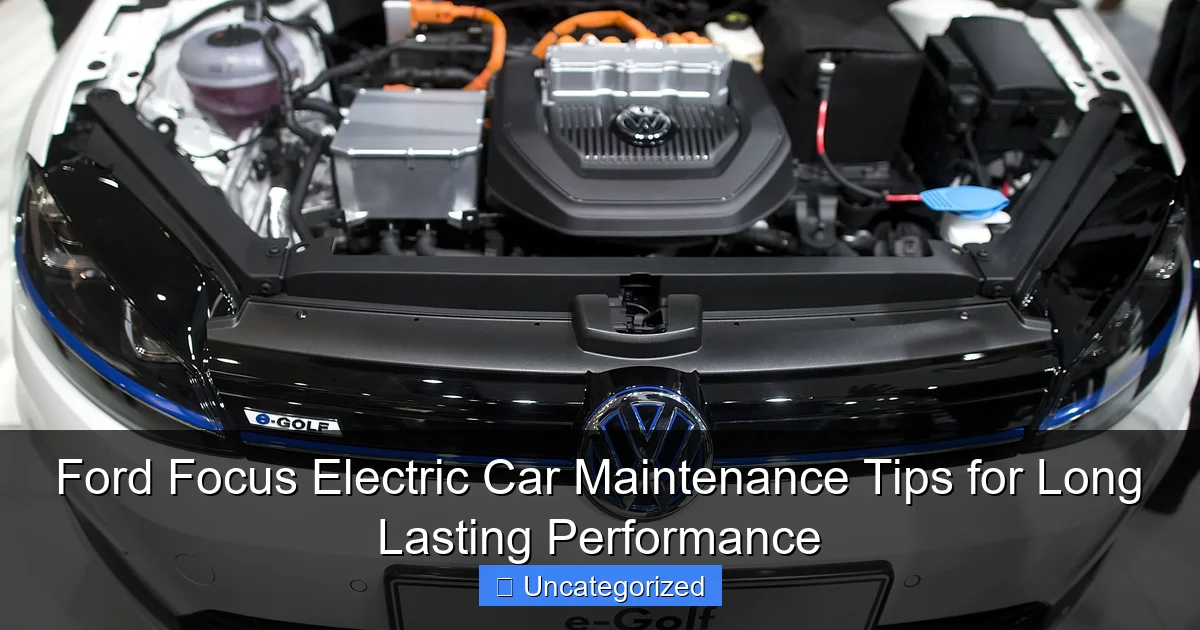
Visual guide about ford focus electric car maintenance
Image source: treehugger.com
Charging Best Practices to Maximize Battery Longevity
How you charge your Focus Electric has a direct impact on battery health. Here are science-backed strategies:
- Avoid Frequent 100% Charging: Charging to 100% stresses the battery. Ford recommends charging to 80–90% for daily use. Use the FordPass app or in-car settings to set a charging limit. Reserve 100% charges for long trips.
- Minimize DC Fast Charging: While convenient, Level 3 (DC fast) charging generates heat and accelerates battery degradation. Use it sparingly—ideally less than 10% of your total charging sessions. Opt for Level 2 (240V) charging at home.
- Charge in Moderate Temperatures: Charging in extreme heat or cold reduces efficiency and can trigger the thermal management system to work harder. Park in a garage or shaded area when possible.
- Use Scheduled Charging: Charge during off-peak hours (e.g., overnight) to avoid high electricity rates and reduce strain on the grid. The Focus Electric allows you to set charging times via the touchscreen.
Monitoring Battery Health and Degradation
Battery degradation is inevitable but manageable. Ford’s onboard diagnostics track battery state of health (SOH), but you can also monitor it through third-party tools or the FordPass app.
- Track Range Over Time: A new Focus Electric offers ~76 miles of EPA-rated range. If your range drops below 60 miles after 5 years, it may indicate significant degradation.
- Check for Error Messages: Warnings like “Check Electric System” or “Reduced Power” may signal battery or inverter issues. Address them promptly.
- Annual Battery Health Check: Schedule a diagnostic scan at a Ford dealership every 12 months. Technicians can assess cell balance, voltage consistency, and cooling system performance.
Real-World Example: A 2017 Focus Electric owner in California followed a strict charging routine (80% daily, no fast charging) and reported only 8% range loss after 60,000 miles—well below the industry average of 15–20%.
Thermal Management: Keeping Your Battery Cool (and Warm)
The Focus Electric uses a liquid cooling/heating system to maintain battery temperature between 68°F and 77°F (20–25°C)—the ideal range for lithium-ion cells.
- In Hot Climates: Park in the shade, use sunshades, and enable pre-conditioning while plugged in. This cools the battery before driving.
- In Cold Climates: Pre-heat the cabin and battery while charging. The car uses grid power to warm the battery, preserving range.
- Coolant Replacement: Ford recommends replacing the battery coolant every 5 years or 60,000 miles. Neglecting this can lead to overheating and premature degradation.
Braking, Tires, and Suspension: Adapting to EV Dynamics
The Ford Focus Electric’s regenerative braking system and increased weight (due to the battery) create unique demands on brakes, tires, and suspension components. Proactive maintenance in these areas ensures safety, efficiency, and comfort.
Regenerative Braking: Reducing Wear, Not Eliminating It
Regenerative braking captures energy during deceleration, reducing reliance on friction brakes. As a result, brake pads and rotors last longer—often 2–3 times longer than in ICE vehicles. However, they’re not immune to wear.
- Inspect Brake Fluid Annually: Moisture in brake fluid lowers boiling points and increases corrosion risk. Replace every 2 years.
- Check for Corrosion: Infrequent use of friction brakes can cause rust on rotors. Test drive occasionally to engage them.
- Monitor Regen Performance: If regenerative braking feels weak, it may indicate a fault in the motor-generator or inverter. Diagnose early.
Tip: Use “Low” or “Medium” regen settings in city driving to maximize energy recovery. Save “High” for hilly terrain or when you need stronger deceleration.
Tire Care: Weight and Efficiency Matter
The Focus Electric weighs ~3,600 lbs—over 500 lbs more than the gas model. This added mass increases tire wear and rolling resistance, directly impacting range.
- Use Low-Rolling-Resistance (LRR) Tires: Ford equips the Focus Electric with LRR tires. Replace them with the same type (e.g., Michelin Energy Saver) to maintain efficiency.
- Check Tire Pressure Monthly: Underinflated tires reduce range by up to 3%. Use the recommended pressure (36 psi front, 34 psi rear) found on the driver’s door jamb.
- Rotate Tires Every 7,500 Miles: Even wear prevents uneven tread patterns, which can reduce grip and increase noise.
- Align Wheels Annually: Misalignment causes uneven wear and reduces efficiency. Schedule an alignment check with every tire rotation.
Data Point: Properly inflated LRR tires can improve range by 5–7% compared to standard tires.
Suspension and Steering: Handling the Weight
The extra weight stresses suspension components like control arms, bushings, and struts.
- Inspect Suspension Components Every 15,000 Miles: Look for cracked bushings, leaking struts, or loose ball joints.
- Replace Struts at 60,000–80,000 Miles: Even with low mileage, age-related wear can affect ride quality.
- Steering System: The electric power steering (EPS) system has no fluid but requires periodic software updates to ensure smooth operation.
Electrical Systems and Software Updates: Keeping the Brain Healthy
The Ford Focus Electric relies on a complex network of computers, sensors, and software to manage everything from battery output to climate control. Neglecting the “software side” can lead to performance issues and safety risks.
Regular Software Updates and Diagnostics
Ford periodically releases over-the-air (OTA) updates to improve performance, fix bugs, and enhance features.
- Enable Automatic Updates: Go to Settings > Vehicle > Software Updates and enable auto-download.
- Manual Check: If OTA is unavailable, visit a Ford dealer every 6 months for a diagnostic scan. Technicians can install updates and check for fault codes.
- Climate Control Optimization: Updates often improve HVAC efficiency. For example, 2018 models received an update to reduce cabin heating energy use by 15%.
12V Battery Maintenance: The Forgotten Component
Despite being an EV, the Focus Electric still uses a 12V lead-acid battery to power lights, infotainment, and the high-voltage system’s control modules.
- Replace Every 3–5 Years: The 12V battery is not charged by the main battery but by a DC-DC converter. If it fails, you may not be able to start the car.
- Check for Corrosion: Clean terminals with a baking soda/water mix and apply dielectric grease.
- Use a Battery Maintainer: If the car sits for weeks, use a smart charger to prevent deep discharge.
Charging Equipment and Port Care
Your charging habits extend beyond the car itself.
- Inspect Charging Cable Monthly: Look for fraying, melted insulation, or loose connectors. Replace damaged cables immediately.
- Clean the Charging Port: Use a dry, lint-free cloth to remove dirt. Avoid metal tools—they can damage the pins.
- Use a Surge Protector: Protect your home charger from voltage spikes, especially in areas with unreliable power.
Seasonal Maintenance and Long-Term Storage Tips
EVs face unique challenges in extreme weather and during long periods of inactivity. Proper seasonal care and storage protocols protect your investment.
Winter Maintenance: Cold Weather Challenges
Cold temperatures reduce battery efficiency by 20–30%. Here’s how to mitigate the impact:
- Pre-Condition While Plugged In: Use the FordPass app to heat the cabin and battery 15–30 minutes before driving. This uses grid power, not battery power.
- Use Seat Heaters: They consume less energy than cabin heating. Combine with a steering wheel cover for comfort.
- Keep Tires Properly Inflated: Cold air reduces tire pressure. Check weekly in winter.
- Clean Snow from Sensors: The rear camera, parking sensors, and radar (if equipped) must be free of snow for safety systems to work.
Summer Maintenance: Heat and Efficiency
High temperatures can overheat the battery and reduce range.
- Park in the Shade or Garage: Use sunshades and reflective window covers.
- Pre-Cool While Plugged In: Set the climate control to start cooling 10 minutes before departure.
- Check Coolant Levels: Ensure the battery coolant reservoir is full and free of leaks.
Long-Term Storage: Preserving Battery and Components
If you won’t drive your Focus Electric for a month or more:
- Charge to 50–70%: This minimizes stress on the battery. Avoid storing at 100% or near 0%.
- Use a Battery Maintainer: Keep the 12V battery charged.
- Inflate Tires to 40 psi: Prevents flat spots. Place the car on jack stands if storing for >3 months.
- Cover the Car: Use a breathable car cover to protect against dust and UV damage.
Example: A Focus Electric stored for 6 months at 60% charge retained 98% of its capacity, while one stored at 100% lost 12%.
Maintenance Schedule and Cost Comparison: What to Expect
Below is a simplified maintenance schedule for the Ford Focus Electric (based on Ford’s recommendations and real-world data). Costs are approximate and vary by region and service provider.
| Mileage Interval | Service | Estimated Cost (USD) | Notes |
|---|---|---|---|
| Every 7,500 miles | Tire rotation, cabin air filter, brake inspection | $50–$100 | Rotate tires to even wear; replace filter every 2nd rotation |
| Every 15,000 miles | Brake fluid replacement, suspension check | $100–$150 | Prevents corrosion in brake lines |
| Every 30,000 miles | HVAC filter, wheel alignment, software update | $75–$200 | Alignment prevents uneven tire wear |
| Every 60,000 miles | Battery coolant replacement, 12V battery check | $200–$300 | Critical for battery thermal management |
| Every 100,000 miles | High-voltage cable inspection, motor bearing check | $150–$250 | Prevents electrical faults |
Compared to a gas-powered Focus, EV maintenance costs are typically 30–50% lower over 5 years. No oil changes, spark plugs, or exhaust repairs offset the cost of specialized services like coolant replacement.
Conclusion: Empowering Your EV Journey with Smart Maintenance
The Ford Focus Electric is more than a car—it’s a statement about the future of sustainable transportation. With fewer moving parts and lower operating costs, it offers a compelling alternative to traditional vehicles. But to truly unlock its potential, owners must embrace a proactive, informed approach to maintenance. By focusing on battery health, regenerative braking, tire efficiency, software updates, and seasonal care, you can extend the life of your Focus Electric, preserve its range, and enjoy a seamless driving experience for years.
Remember, Ford Focus Electric car maintenance isn’t about complexity—it’s about precision. Small, consistent actions—like charging to 80%, checking tire pressure, and scheduling software updates—add up to big savings in time, money, and peace of mind. Whether you’re navigating city streets or planning a cross-country road trip, your EV is ready to deliver. With the right care, your Focus Electric won’t just last—it will thrive. So charge up, stay informed, and drive forward into the electric future with confidence.
Frequently Asked Questions
How often should I service my Ford Focus Electric car?
Regular maintenance for your Ford Focus Electric should follow the manufacturer’s schedule, typically every 12 months or 10,000 miles. This includes checking the battery, brakes, and cabin air filter to ensure optimal performance.
What are the key Ford Focus Electric car maintenance tasks I shouldn’t skip?
Essential tasks include inspecting the high-voltage battery cooling system, brake fluid, and tire pressure. Don’t forget software updates, as they can improve efficiency and fix potential bugs.
Can I use a regular car charger for my Ford Focus Electric?
No, always use a Level 2 (240V) charger or Ford-approved charging equipment to avoid damaging the battery. Regular chargers may not deliver the right voltage or safety features for electric vehicles.
How do I maximize my Ford Focus Electric’s battery lifespan?
Avoid frequent deep discharges and keep the battery between 20%-80% charge when possible. Park in shaded or cool areas to prevent overheating, which can degrade battery health over time.
Does the Ford Focus Electric require oil changes?
No, since it’s fully electric, there’s no internal combustion engine or oil to change. However, you’ll still need to replace the cabin air filter and maintain other fluids like brake fluid.
Are there special tire considerations for the Ford Focus Electric car maintenance routine?
Yes, electric cars are heavier due to the battery, so tire wear may be faster. Rotate tires every 5,000-7,000 miles and ensure proper inflation to improve efficiency and extend tire life.