Ford Future Electric Cars What to Expect in 2025 and Beyond
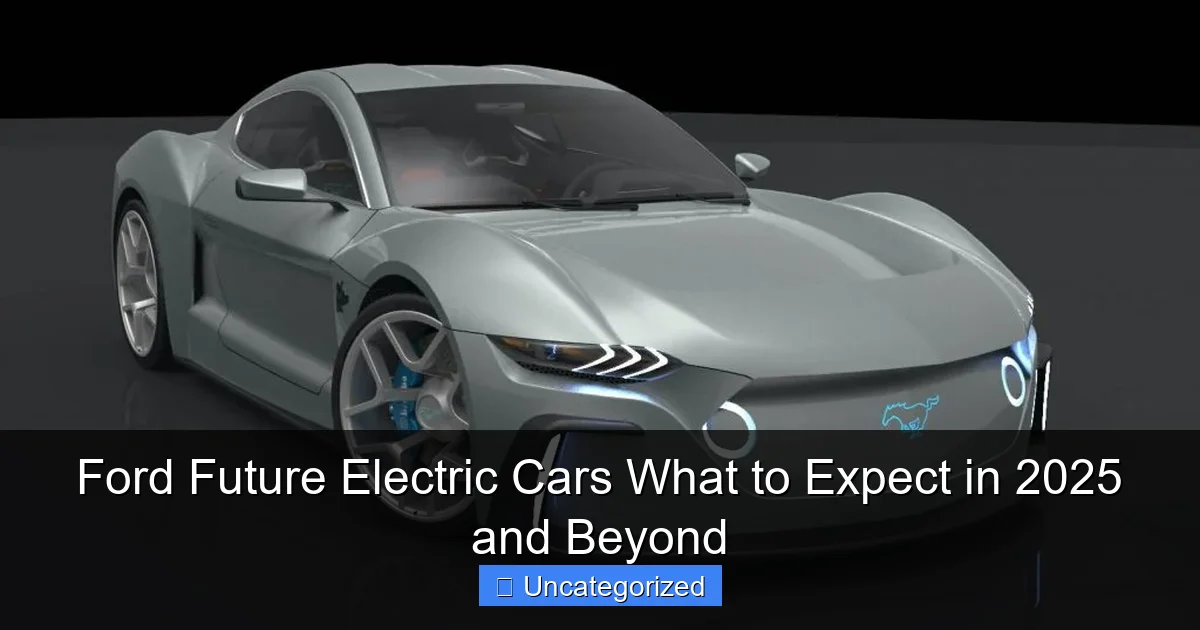
Featured image for ford future electric cars
Image source: carscoops.com
Ford is accelerating its electric vehicle revolution with a bold $50 billion investment aimed at dominating the EV market by 2025 and beyond. Expect a wave of innovative models, including next-gen F-Series EVs, advanced battery technology, and fully connected driving experiences that redefine performance and sustainability. With plans for over 2 million annual EV production by 2026, Ford is positioning itself as a serious challenger to Tesla and other EV leaders.
Key Takeaways
- New EV platforms: Ford will launch next-gen scalable EV architectures for faster innovation.
- Expanded lineup: Expect affordable EVs, including a $25K compact SUV by 2026.
- Solid-state batteries: Ford invests in breakthrough tech for longer range and faster charging.
- BlueOval charging network: 10,000+ fast chargers to boost EV ownership convenience.
- Software-driven features: Over-the-air updates will enhance performance and add new capabilities.
- North America focus: Most new EVs will target U.S. and Canada first, with global rollouts later.
📑 Table of Contents
- The Electric Revolution: Ford’s Bold Leap into the Future
- Ford’s Electrification Strategy: A $50 Billion Commitment
- Confirmed and Upcoming Ford Electric Vehicles (2025–2030)
- Technology and Innovation: What Powers Ford’s EVs
- Charging Infrastructure and Ownership Experience
- Challenges and Opportunities Ahead
- Data Snapshot: Ford’s EV Roadmap (2024–2030)
- Conclusion: The Road Ahead is Electric and Exciting
The Electric Revolution: Ford’s Bold Leap into the Future
As the automotive world accelerates toward an electric future, one name stands out with a legacy of innovation and resilience: Ford. For over a century, the blue oval has shaped the way we drive, from the Model T to the F-150 Lightning. Now, Ford is reinventing itself once again—this time, with an aggressive push into electric vehicles (EVs). With global emissions regulations tightening and consumer demand for cleaner transportation rising, Ford has committed over $50 billion to electrification through 2026, signaling a transformative era for the American automaker.
The road ahead is electric, and Ford is not just participating—it’s leading. From reimagined classics to all-new purpose-built EVs, Ford’s future lineup promises performance, affordability, and cutting-edge technology. As we look toward 2025 and beyond, the company is poised to deliver a diverse portfolio of electric vehicles that cater to truck lovers, SUV enthusiasts, and eco-conscious urban drivers alike. This blog post explores Ford future electric cars: what’s confirmed, what’s rumored, and what we can realistically expect in the coming years.
Ford’s Electrification Strategy: A $50 Billion Commitment
BlueOval: The Foundation of Ford’s EV Future
At the heart of Ford’s electrification strategy is BlueOval, a comprehensive initiative encompassing battery production, EV manufacturing, software integration, and charging infrastructure. Launched in 2021, BlueOval represents Ford’s most ambitious transformation since the introduction of the moving assembly line. The company has already invested in three battery plants in the U.S. (two in Kentucky, one in Tennessee) through its joint venture with SK On, forming BlueOval SK. These facilities will produce lithium-ion batteries with a combined annual capacity of 129 GWh—enough to power over 1 million EVs per year.

Visual guide about ford future electric cars
Image source: 2025ford.com
This vertical integration is key to Ford’s long-term success. By controlling its supply chain, Ford aims to reduce battery costs, shorten delivery times, and ensure consistent quality. For consumers, this means more affordable EVs and fewer supply chain disruptions—a critical advantage in a market plagued by semiconductor shortages and raw material volatility.
Ford Pro: Electrifying the Workplace
Beyond passenger vehicles, Ford is aggressively targeting the commercial sector through Ford Pro, its dedicated EV and digital services arm. With products like the E-Transit (the electric version of America’s best-selling van) and the upcoming F-150 Lightning Pro, Ford Pro is electrifying fleets across construction, delivery, and municipal services. In 2023, Ford Pro reported over 250,000 commercial EV orders globally, a testament to its early market traction.
Ford Pro also offers integrated software solutions, such as Ford Pro Telematics, which helps businesses optimize EV charging schedules, monitor vehicle health, and reduce operating costs. This B2B focus is a strategic differentiator—while other automakers focus on retail consumers, Ford is building a loyal base of commercial customers who will drive long-term adoption and brand loyalty.
Global Expansion and Localized Production
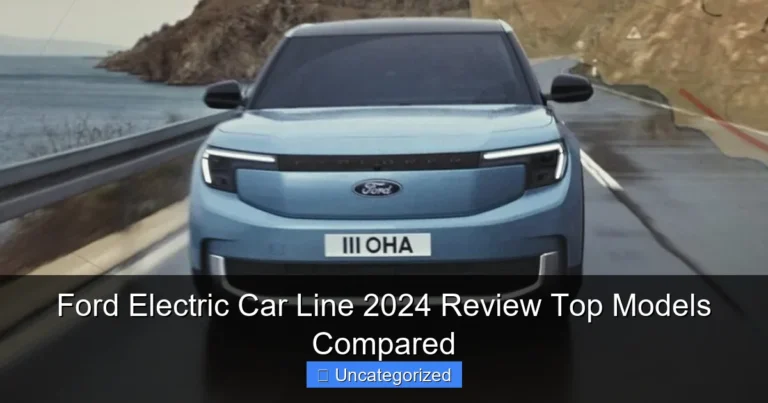
Ford isn’t limiting its EV ambitions to North America. The company is expanding its electric footprint in Europe and China with localized production. In Europe, Ford plans to sell only EVs by 2030, starting with the Explorer Electric (a European-market SUV based on Volkswagen’s MEB platform) and the Capri Electric, a sporty crossover set to launch in 2024. Both vehicles will be built in Cologne, Germany, with batteries supplied from Ford’s new plant in Romania.
In China, Ford is partnering with local manufacturers to develop EVs tailored to Chinese consumer preferences, including longer ranges, advanced infotainment, and AI-powered voice assistants. This dual-market strategy ensures that Ford future electric cars will be globally relevant, not just regionally popular.
Confirmed and Upcoming Ford Electric Vehicles (2025–2030)
2025: The Year of the Next-Gen EVs
Ford has confirmed that 2025 will mark the arrival of its next-generation electric vehicles, built on a new scalable platform codenamed GE1 (Global Electric 1). These vehicles will feature improved battery technology, faster charging, and lower production costs. Here are the key models expected:
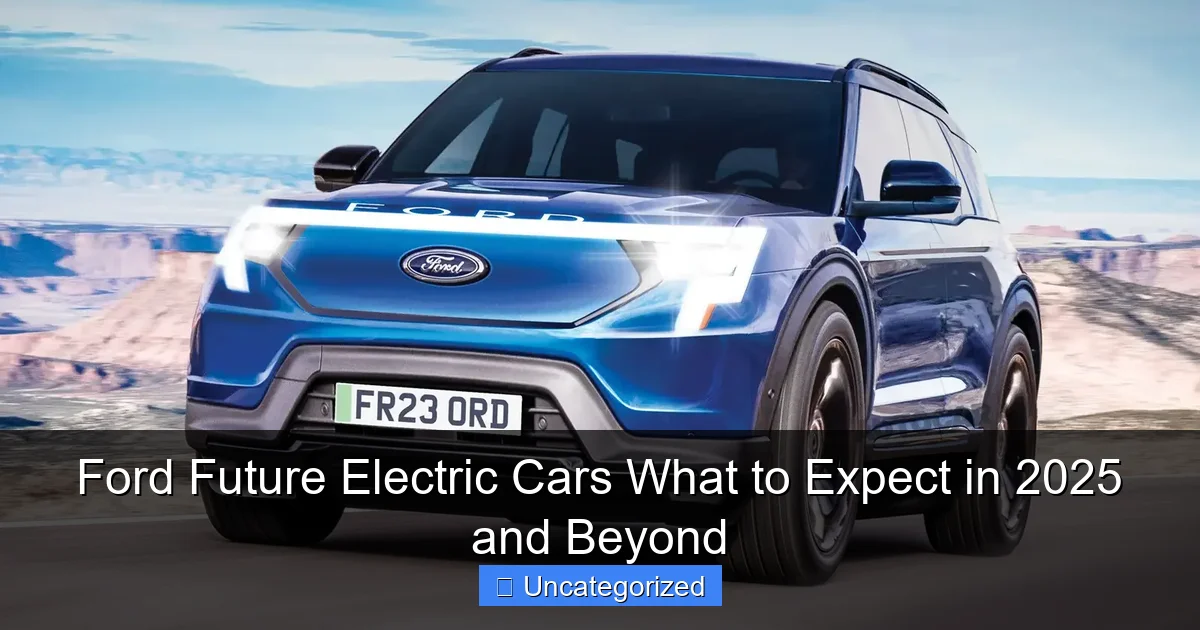
Visual guide about ford future electric cars
Image source: autocar.co.uk
- Electric Explorer (U.S. Market): A larger, Americanized version of the European Explorer EV, featuring a 12-inch touchscreen, BlueCruise 2.0 (hands-free driving on highways), and up to 350 miles of range.
- Electric Capri: A sporty crossover with a coupe-like roofline, targeting younger buyers with 0–60 mph in under 6 seconds and a 150 kW fast-charging capability (10–80% in 20 minutes).
- Next-Gen F-150 Lightning: An updated version of Ford’s best-selling electric pickup, with a new solid-state battery option (in select trims), extended range (up to 400 miles), and enhanced Pro Power Onboard capabilities.
These vehicles will be built at Ford’s BlueOval City in Tennessee, a $5.6 billion megasite designed to produce 500,000 EVs annually. The factory will use 100% renewable energy and incorporate advanced automation, including AI-driven quality control and robotic welding systems.
2026–2027: The Electric SUV and Crossover Wave
Following the 2025 launches, Ford will introduce a wave of electric SUVs and crossovers, targeting the fastest-growing segment in the automotive market. Key models include:
- Electric Expedition: A full-size, three-row electric SUV with seating for up to eight, a 300+ mile range, and a 2,000-pound towing capacity. It will feature Ford’s new FlexCharge system, allowing bidirectional charging (vehicle-to-grid and vehicle-to-home).
- Electric Bronco: A rugged, off-road capable EV based on the GE1 platform. Expect a removable roof, 35-inch all-terrain tires, and a 1,000 lb-ft torque motor. Ford has hinted at a Bronco EV Sport trim with a 0–60 time under 5 seconds.
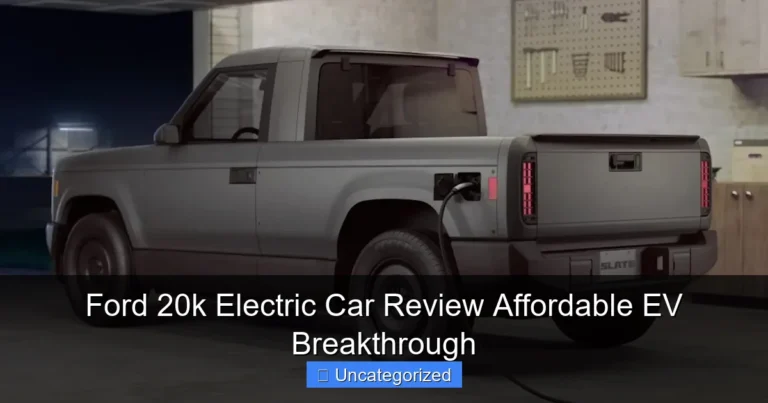
- Electric Maverick: The electrified version of Ford’s compact pickup, offering a 250-mile range, a 1,500-pound payload, and a starting price under $25,000 (after incentives). This could be the most affordable electric truck in the U.S.
These models will leverage Ford’s Flexible Manufacturing System, allowing the same production line to build multiple vehicle types—reducing costs and increasing agility.
2028 and Beyond: The Autonomous and Luxury EVs
Looking further ahead, Ford is developing Level 4 autonomous driving technology through its subsidiary Argo AI (now integrated into Ford’s in-house AV team). By 2028, Ford plans to launch a robotaxi service in select U.S. cities, using a purpose-built autonomous EV with no steering wheel or pedals. While not available for retail, this project will inform the development of driver-assistance features in consumer vehicles.
Additionally, Ford is exploring a luxury electric sub-brand, potentially reviving the Lincoln nameplate with a new lineup of premium EVs. Rumors suggest a Lincoln Star EV (a flagship SUV) and a Lincoln Zephyr EV (a sleek sedan), both featuring ultra-luxury interiors, AI concierge services, and over-the-air software updates.
Technology and Innovation: What Powers Ford’s EVs
Next-Gen Battery Technology
Battery innovation is central to Ford’s EV strategy. The company is investing heavily in three key battery types:
- Lithium-Ion (Current): Used in the Mustang Mach-E, F-150 Lightning, and E-Transit. These batteries offer proven reliability and fast charging.
- LFP (Lithium Iron Phosphate): Ford will introduce LFP batteries in the 2025 F-150 Lightning and Maverick EV. LFP batteries are cheaper, more stable, and longer-lasting (up to 1,000 charge cycles), though they offer slightly less energy density.
- Solid-State Batteries (Future): Ford is partnering with Solid Power to develop solid-state batteries by 2027. These batteries promise double the energy density, 10-minute fast charging, and no risk of fire. A pilot production line is already operational in Colorado.
For consumers, this means longer ranges, lower costs, and safer vehicles—especially in hot climates where traditional batteries degrade faster.
BlueCruise and Software-Defined Vehicles
Ford’s BlueCruise hands-free driving system is already available on the Mach-E and Lightning. By 2025, Ford will launch BlueCruise 2.0, which adds:
- Lane changes with turn signal activation
- Intersection navigation
- Traffic jam assist
- Remote parking via smartphone app
All future Ford EVs will be software-defined, meaning they can receive over-the-air (OTA) updates for new features, performance improvements, and security patches. For example, Ford recently pushed an OTA update to the Mach-E that improved regenerative braking and added a new driving mode.
Vehicle-to-Everything (V2X) Integration
Ford’s EVs will support Vehicle-to-Everything (V2X) technology, allowing them to interact with homes, grids, and other vehicles. Key features include:
- Vehicle-to-Home (V2H): Use your EV to power your house during outages (e.g., F-150 Lightning’s 9.6 kW output).
- Vehicle-to-Grid (V2G): Earn money by selling excess energy back to the grid during peak demand.
- Vehicle-to-Load (V2L): Power tools, camping gear, or appliances directly from the vehicle.
Ford is also working with utility companies to create smart charging programs that incentivize off-peak charging, reducing strain on the grid.
Charging Infrastructure and Ownership Experience
FordPass Power Promise: Simplifying Charging
One of the biggest barriers to EV adoption is charging anxiety. Ford addresses this with the FordPass Power Promise, a comprehensive program that includes:
- Home Charger Installation: Free Level 2 charger installation (up to $750 value) for new EV buyers.
- Public Charging Credits: 250 kWh of free charging at Electrify America stations (worth ~$75).
- Roadside Assistance: Free towing to the nearest charger if your EV runs out of power.
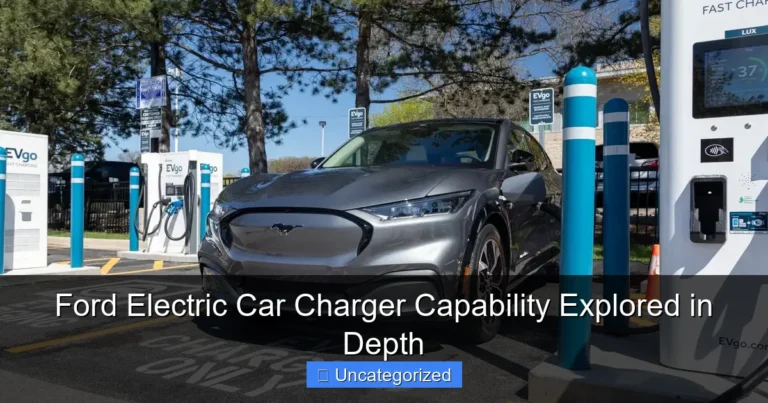
- Charging Network Access: Integration with over 84,000 chargers via FordPass app (including Electrify America, EVgo, and ChargePoint).
This all-in-one approach makes owning a Ford EV easier and more affordable than ever.
Fast Charging and Range Realism
Ford’s EVs support 150–200 kW DC fast charging, allowing a 10–80% charge in 20–30 minutes. The company is also investing in highway charging corridors with Electrify America, ensuring long-distance travel is feasible. For example, the 2025 F-150 Lightning will add 100 miles of range in 10 minutes when using a 200 kW charger.
Ford emphasizes real-world range over inflated EPA estimates. The Mach-E, for instance, achieves 90% of its rated range in mixed driving—higher than many competitors.
Ownership Costs and Incentives
EVs are cheaper to maintain than gas vehicles. Ford estimates that the F-150 Lightning saves owners $1,000 per year in fuel and maintenance. With federal and state incentives (e.g., $7,500 U.S. tax credit, state rebates), the effective price of a Ford EV can drop by $10,000 or more.
Ford also offers flexible leasing and financing, including a “Battery as a Service” option (pay for battery upgrades over time).
Challenges and Opportunities Ahead
Supply Chain and Production Hurdles
Despite its progress, Ford faces challenges. Battery raw materials (lithium, cobalt, nickel) are in high demand, and geopolitical tensions could disrupt supply. Ford is mitigating this by:
- Recycling batteries through its Redwood Materials partnership
- Securing long-term contracts with mining companies
- Investing in sodium-ion batteries (a lithium alternative)
Production bottlenecks at BlueOval City and other plants could delay 2025 launches, but Ford is ramping up hiring and training programs to address this.
Competition and Market Positioning
Ford competes with Tesla, GM, Rivian, and Chinese automakers (e.g., BYD). Its advantages include:
- Strong brand loyalty (especially among truck buyers)
- Established dealership network (1,800+ U.S. locations)
- Proven commercial EV success (E-Transit leads the market)
However, Ford must innovate faster to keep pace with Tesla’s tech and BYD’s pricing.
Sustainability and Ethical Sourcing
Ford aims to be carbon neutral by 2050. It’s working with suppliers to reduce emissions and ensure ethical labor practices. For example, all Ford EVs will use conflict-free minerals by 2025.
Data Snapshot: Ford’s EV Roadmap (2024–2030)
| Year | Key Models | Platform | Range (est.) | Production Site |
|---|---|---|---|---|
| 2024 | Explorer Electric (EU), Capri Electric (EU) | VW MEB | 300–340 mi | Cologne, Germany |
| 2025 | Next-Gen F-150 Lightning, Electric Explorer (US), Electric Capri | GE1 | 300–400 mi | BlueOval City, TN |
| 2026 | Electric Expedition, Electric Maverick | GE1 | 250–350 mi | Dearborn, MI |
| 2027 | Electric Bronco, Lincoln Star EV | GE1 / Lincoln Platform | 300–380 mi | BlueOval City, TN |
| 2028+ | Autonomous Robotaxi, Solid-State Battery EVs | Next-Gen (GE2) | 400–500 mi | To be announced |
Conclusion: The Road Ahead is Electric and Exciting
Ford’s journey into the electric era is more than a shift in propulsion—it’s a complete reimagining of mobility. With a $50 billion investment, a robust pipeline of Ford future electric cars, and a focus on real-world usability, the company is positioning itself as a leader in the EV revolution. From the rugged Electric Bronco to the affordable Maverick EV, Ford is building vehicles that don’t just meet the demands of today but anticipate the needs of tomorrow.
As charging infrastructure expands, battery technology advances, and software becomes central to the driving experience, Ford’s EVs will offer unprecedented value, performance, and sustainability. Whether you’re a truck enthusiast, a tech-savvy commuter, or a fleet manager, there’s a Ford EV on the horizon that’s designed for you. The future is electric—and Ford is driving it forward.
Frequently Asked Questions
What new electric models is Ford planning to release by 2025?
Ford is set to launch several new electric vehicles by 2025, including the next-generation Ford future electric cars like the updated F-150 Lightning, a new electric Explorer, and a performance-focused Mustang Mach-E variant. These models will feature improved battery tech and expanded driving ranges.
How will Ford’s future electric cars improve charging speed and battery life?
Ford is investing in solid-state battery research and ultra-fast charging capabilities for its Ford future electric cars, aiming to cut charging times to under 20 minutes. Enhanced thermal management systems will also extend battery lifespan and performance in extreme conditions.
Will Ford offer affordable electric cars in the coming years?
Yes, Ford plans to introduce more budget-friendly electric models by 2026, targeting a starting price below $30,000. These vehicles will leverage new platform efficiencies to make EV ownership accessible to a broader market.
What autonomous features will Ford’s future electric cars include?
Ford’s upcoming EVs will feature BlueCruise 2.0, offering hands-free highway driving and advanced driver monitoring. Future updates may include automated parking and AI-powered navigation tailored to real-time traffic and charging needs.
How does Ford plan to expand its EV charging network for future models?
Ford is partnering with charging providers to add 10,000+ high-speed chargers in North America by 2025. All new Ford future electric cars will include free charging credits and seamless navigation to available stations via the FordPass app.
Will Ford’s electric trucks and SUVs maintain their towing and off-road capabilities?
Absolutely. Ford’s next-gen electric trucks and SUVs, like the F-150 Lightning and electric Expedition, will retain or exceed current towing ratings (up to 10,000 lbs) while adding off-road modes like “Trail Turn Assist” for rugged terrain.