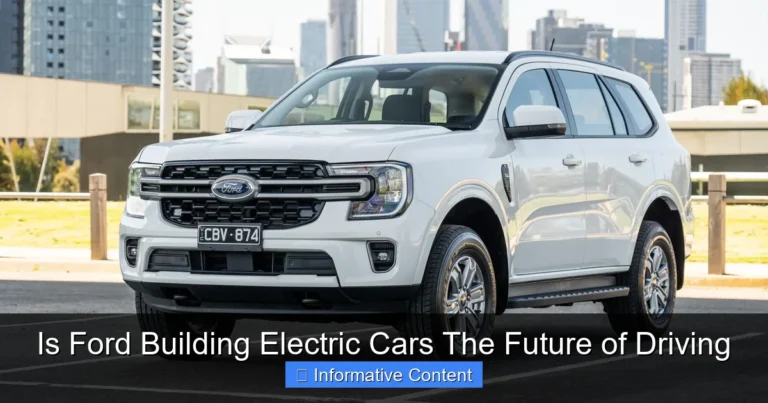
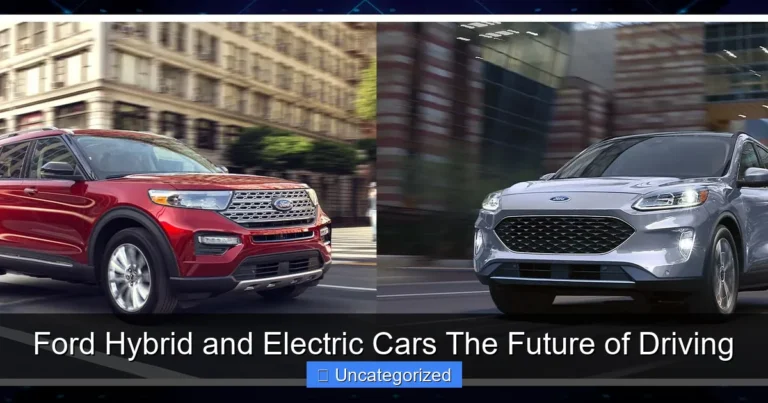
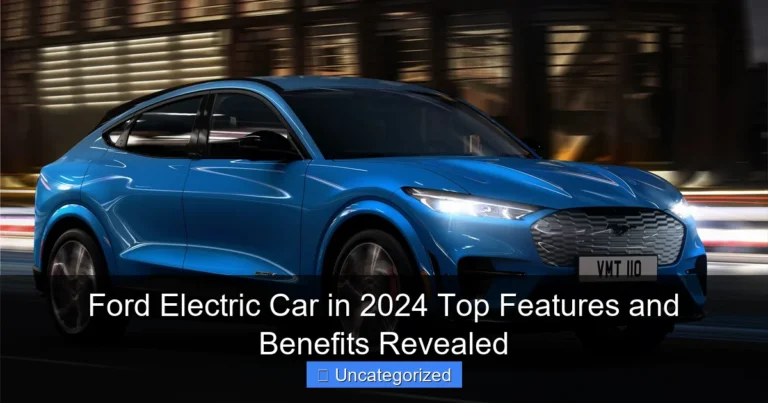
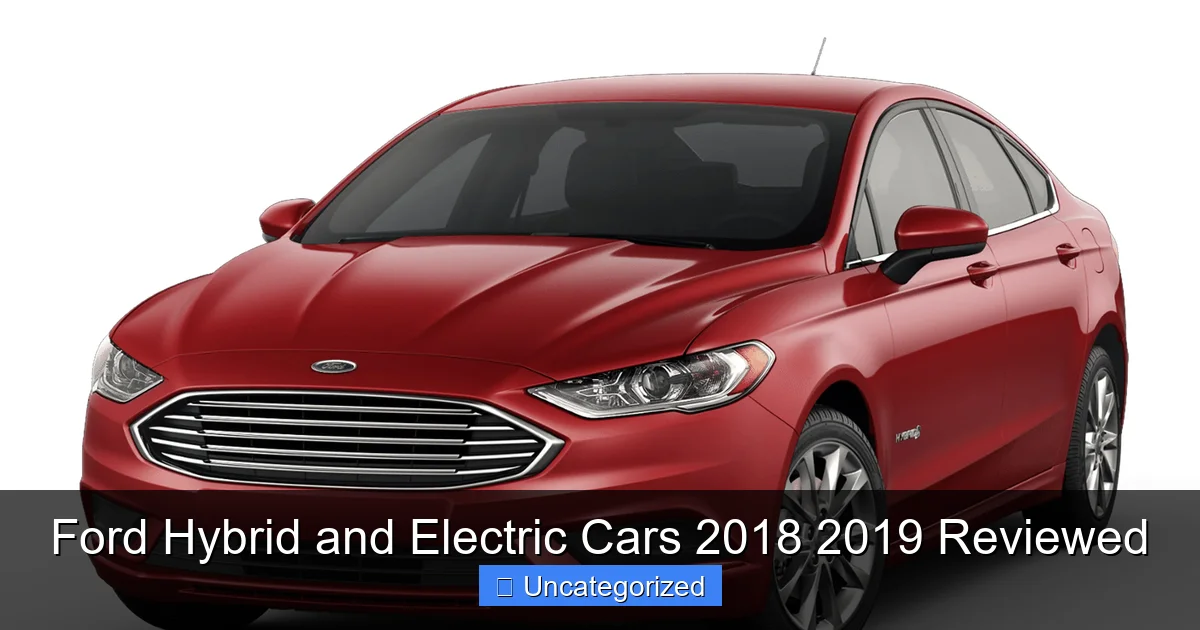
Ford Hybrid and Electric Cars 2018 2019 Reviewed
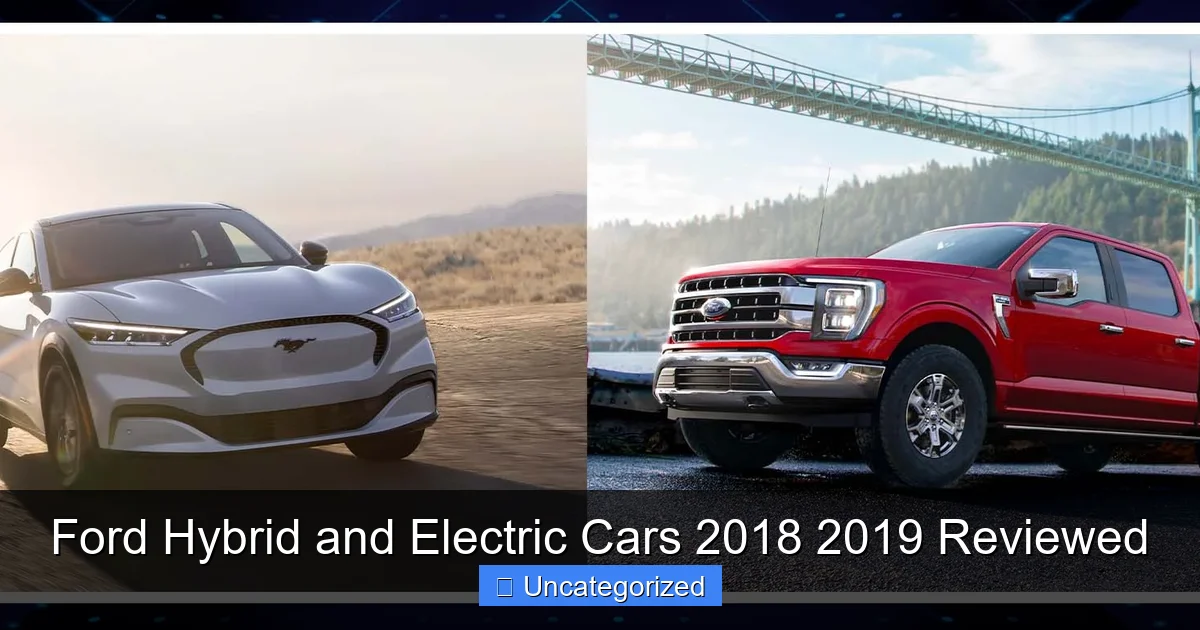
Featured image for ford hybrid and electric cars 2018 2019
Image source: keyscalesford.com
Ford’s 2018-2019 hybrid and electric lineup delivers impressive efficiency without sacrificing performance, highlighted by the Ford Fusion Energi plug-in hybrid’s 26-mile electric range and the fully electric Ford Focus Electric with upgraded 115 MPGe efficiency. With refined interiors, advanced tech like SYNC 3, and competitive pricing, these models offer strong value for eco-conscious drivers seeking reliability and innovation.
Key Takeaways
- Ford’s 2018-2019 hybrids deliver strong fuel efficiency without sacrificing performance.
- Electric models like Focus EV offer short-range but reliable urban commuting.
- Regenerative braking in hybrids enhances efficiency and reduces brake wear.
- Ford’s SYNC 3 infotainment is user-friendly and supports smartphone integration.
- Cargo space in hybrids is slightly reduced due to battery placement.
- Tax incentives apply to select 2018-2019 electric models—verify eligibility.
📑 Table of Contents
- The Rise of Ford’s Green Revolution: A 2018-2019 Hybrid and Electric Lineup Reviewed
- Ford’s Hybrid Lineup: Refined Efficiency Meets Practicality
- Ford’s Electric Vehicle (EV) Strategy: The Road to Electrification
- Technology and Innovation: How Ford’s Hybrids and EVs Stayed Ahead
- Comparing Ford’s Electrified Lineup: Performance, Price, and Value
- The Road Ahead: Ford’s Electrification Vision Beyond 2019
- Conclusion: Ford’s 2018-2019 Electrified Vehicles—A Smart Choice for the Future
The Rise of Ford’s Green Revolution: A 2018-2019 Hybrid and Electric Lineup Reviewed
The automotive world in 2018 and 2019 was undergoing a seismic shift. As climate concerns intensified and fuel prices fluctuated, automakers scrambled to meet the growing demand for cleaner, more efficient vehicles. Among them, Ford stood out not just for its iconic trucks and muscle cars, but for its bold entry into the world of hybrid and electric cars. With a legacy built on internal combustion engines, Ford’s pivot toward electrification signaled a new era—one where sustainability and performance could coexist. The 2018-2019 model years were pivotal, as Ford introduced refreshed hybrids, new plug-in models, and laid the groundwork for its future all-electric lineup.
For drivers seeking a balance between eco-conscious driving and the practicality Ford is known for, the 2018-2019 hybrid and electric lineup offered compelling options. From compact sedans to family-friendly SUVs, Ford’s electrified vehicles catered to diverse needs. Whether you were a city commuter tired of gas station visits, an eco-enthusiast looking to reduce your carbon footprint, or a tech-savvy driver craving innovation, there was something in Ford’s green portfolio for you. This comprehensive review dives deep into Ford’s hybrid and electric offerings during this critical transition period, evaluating performance, technology, value, and real-world usability. By the end, you’ll understand why Ford’s 2018-2019 electrified vehicles were more than just a trend—they were a statement of intent.
Ford’s Hybrid Lineup: Refined Efficiency Meets Practicality
Ford’s hybrid vehicles in 2018-2019 were designed to deliver fuel economy without sacrificing the driving experience. Unlike full electric vehicles (EVs), hybrids offered the best of both worlds: electric power for city driving and a gasoline engine for longer trips. This made them ideal for drivers hesitant about EV range or charging infrastructure. Ford’s hybrid strategy focused on refinement, reliability, and real-world fuel savings.
Visual guide about ford hybrid and electric cars 2018 2019
Image source: autos.hamariweb.com
Ford Fusion Hybrid: The Midsize Sedan That Packed a Punch
The 2018-2019 Ford Fusion Hybrid remained one of the most compelling midsize hybrid sedans on the market. With a sleek, aerodynamic design and a refined interior, it appealed to drivers who wanted efficiency without a “compromise” feel. Under the hood, a 2.0-liter Atkinson-cycle four-cylinder engine paired with an electric motor delivered a combined 188 horsepower. While not a performance car, it offered smooth acceleration and a quiet ride—especially in electric-only mode at low speeds.
- Fuel Economy: EPA-rated at 43 mpg city, 41 mpg highway, and 42 mpg combined—among the best in its class.
- Technology: SYNC 3 infotainment with Apple CarPlay and Android Auto, available adaptive cruise control, and lane-keeping assist.
- Interior: Spacious cabin with high-quality materials; the Titanium trim added heated/cooled leather seats and a premium Sony audio system.
Real-world tip: The Fusion Hybrid’s regenerative braking system helped recharge the battery during city driving. In stop-and-go traffic, drivers reported achieving up to 45 mpg—surpassing EPA estimates.
Ford Fusion Energi: Plug-In Hybrid for the Eco-Conscious Commuter
For drivers with shorter commutes, the Fusion Energi plug-in hybrid (PHEV) was a game-changer. With a 7.6 kWh lithium-ion battery, it could travel up to 26 miles on electricity alone—enough for many daily commutes without using a drop of gas. Once the battery depleted, it seamlessly switched to hybrid mode, delivering the same 42 mpg combined as the standard Fusion Hybrid.
- Charging: A full charge took about 2.5 hours on a 240-volt Level 2 charger or 7 hours on a standard 120-volt outlet.
- Tax Incentives: Qualified for federal tax credits (up to $4,000), making it a financially smart choice.
- Utility: The Energi’s battery reduced cargo space slightly (12 cubic feet vs. 16 in the standard Fusion), but it still offered ample room for most needs.
Practical example: A driver with a 15-mile round-trip commute could complete their week’s driving entirely on electricity, recharging overnight. Over a year, this could save over 500 gallons of gasoline.
Ford Escape Hybrid: The Compact SUV with Big Efficiency
The 2019 Ford Escape Hybrid marked Ford’s return to the hybrid SUV market after a brief hiatus. Competing against the Toyota RAV4 Hybrid and Honda CR-V Hybrid, the Escape Hybrid offered a compelling blend of space, efficiency, and tech. Its 2.5-liter Atkinson-cycle engine and electric motor produced 198 horsepower—more than the standard Escape—while delivering 40 mpg combined.
- All-Wheel Drive (AWD): Available AWD system with intelligent torque distribution improved traction in wet or snowy conditions.
- Infotainment: SYNC 3 with 8-inch touchscreen, available navigation, and Wi-Fi hotspot (up to 10 devices).
- Cargo Space: 34 cubic feet behind the rear seats, expandable to 68 cubic feet with seats folded.
<
Tip for buyers: The Escape Hybrid’s “EV Mode” button allowed drivers to prioritize electric power in city driving. In mixed conditions, it could achieve up to 42 mpg, making it ideal for suburban families.
Ford’s Electric Vehicle (EV) Strategy: The Road to Electrification
While hybrids dominated Ford’s 2018-2019 lineup, the company was quietly laying the groundwork for its future EV ambitions. The era of full electric vehicles was approaching, and Ford’s strategy focused on infrastructure, partnerships, and consumer readiness. Though no all-electric Ford models were available for purchase in these years, the company made significant strides behind the scenes.

Visual guide about ford hybrid and electric cars 2018 2019
Image source: keyscalesford.com
Ford Focus Electric: The Last of the First-Generation EVs
The 2018 Ford Focus Electric was Ford’s only all-electric vehicle available to consumers during this period. While it wasn’t a bestseller, it played a crucial role in Ford’s EV learning curve. With a 33.5 kWh battery and a 143-horsepower electric motor, it offered a range of 115 miles on a full charge—suitable for city driving but limited compared to rivals like the Chevrolet Bolt (238 miles).
- Charging: DC fast charging (SAE Combo) added 80% charge in 30 minutes; Level 2 charging took about 5 hours.
- Features: SYNC 3 with EV-specific menus, regenerative braking, and heated seats/steering wheel for cold climates.
- Limitations: Smaller cabin and cargo space than gas-powered Focus; no AWD option.
Real-world insight: The Focus Electric was best suited for urban drivers with access to charging at home or work. For example, a driver in Portland, Oregon, with a 20-mile daily commute and a home charger could use the car for 4-5 days between charges.
Investments in Charging Infrastructure and Battery Tech
Ford’s 2018-2019 EV strategy wasn’t just about selling cars—it was about building an ecosystem. The company:
- Partnered with Electrify America to expand fast-charging networks across the U.S.
- Invested in battery recycling programs to reduce environmental impact.
- Announced a $11 billion investment in electrification by 2022, including the development of the Mustang Mach-E (launched in 2020).
- Collaborated with SK Innovation to build battery plants in the U.S., ensuring a domestic supply chain.
Tip for future buyers: Ford’s early investments meant that by 2020, Mach-E owners could access over 12,000 charging stations—a stark contrast to the sparse network available in 2018.
Technology and Innovation: How Ford’s Hybrids and EVs Stayed Ahead
Ford’s 2018-2019 electrified vehicles weren’t just about fuel efficiency—they were packed with cutting-edge technology designed to enhance safety, connectivity, and driver comfort. From intuitive infotainment to advanced driver-assist systems, Ford’s tech suite made its hybrids and EVs stand out.
SYNC 3 Infotainment: The Heart of the Experience
All 2018-2019 Ford hybrids and EVs featured SYNC 3, a major upgrade from previous versions. Key features included:
- 8-inch Touchscreen: Crisp, responsive display with pinch-to-zoom navigation.
- Apple CarPlay and Android Auto: Seamless smartphone integration for calls, messages, and apps.
- Voice Recognition: Natural-language commands for music, navigation, and climate control.
- Wi-Fi Hotspot: Built-in 4G LTE hotspot (available on higher trims) kept passengers connected.
Example: A family road trip in a Fusion Energi could use the hotspot for kids’ tablets while the driver used CarPlay for navigation and music—all without draining their phones’ batteries.
Advanced Driver-Assist Systems (ADAS)
Safety was a top priority. Ford’s Co-Pilot360 suite (standard on most 2019 models) included:
- Adaptive Cruise Control: Maintained speed and distance from the car ahead, ideal for highway driving.
- Lane-Keeping Assist: Gently steered the car back into its lane if it drifted.
- Automatic Emergency Braking (AEB): Applied brakes if a collision was imminent.
- Blind-Spot Monitoring: Alerted drivers to vehicles in their blind spots.
Real-world benefit: In a 2019 IIHS study, vehicles with AEB reduced rear-end collisions by 50%. Ford’s system was particularly effective in low-speed urban environments.
EV-Specific Features
Electric and plug-in hybrid models included unique tech:
- Regen on Demand: A paddle on the steering wheel allowed drivers to increase regenerative braking, extending range.
- Pre-Conditioning: Heated or cooled the cabin while charging, preserving battery range.
- Energy Flow Display: Showed real-time power usage and regeneration in SYNC 3.
Comparing Ford’s Electrified Lineup: Performance, Price, and Value
Choosing the right Ford hybrid or EV in 2018-2019 required balancing performance, price, and long-term value. Below is a detailed comparison of Ford’s key models, highlighting their strengths and ideal use cases.
2018-2019 Ford Hybrid and Electric Cars: At a Glance
| Model | Type | MPG / Range | Horsepower | Starting MSRP | Key Features |
|---|---|---|---|---|---|
| Fusion Hybrid | Hybrid | 43 city / 41 highway | 188 hp | $25,840 | SYNC 3, Co-Pilot360, 16 cu ft cargo |
| Fusion Energi | PHEV | 26 miles electric + 42 mpg hybrid | 188 hp | $31,780 | 7.6 kWh battery, tax credits, 12 cu ft cargo |
| Escape Hybrid | Hybrid | 40 combined (AWD: 39) | 198 hp | $29,495 | SYNC 3, AWD, 34 cu ft cargo |
| Focus Electric | EV | 115 miles | 143 hp | $29,120 | DC fast charging, regen braking, 14 cu ft cargo |
Value Analysis: Which Model Fits Your Needs?
- Best for Commuters: Fusion Energi—ideal for drivers with short daily commutes and access to charging. The tax credits could effectively reduce the price to $27,780.
- Best for Families: Escape Hybrid—offered more space and AWD capability than sedans, with excellent fuel economy.
- Best for Budget: Fusion Hybrid—the lowest starting price in Ford’s electrified lineup, with minimal compromise on features.
- Best for Urban Drivers: Focus Electric—perfect for city dwellers with home charging, though limited range required careful planning.
Tip: Always calculate the total cost of ownership. For example, a Fusion Energi driver saving $1,000/year on fuel and receiving $4,000 in tax credits could break even in 4 years compared to a gas-powered car.
The Road Ahead: Ford’s Electrification Vision Beyond 2019
The 2018-2019 model years were a bridge between Ford’s past and its electric future. While hybrids dominated the lineup, the company was already setting the stage for a full-scale EV revolution. Key developments included:
The Mustang Mach-E: A New Icon
Announced in 2019 and launched in 2020, the Mustang Mach-E was Ford’s first global EV. With a range of up to 300 miles and a performance-focused GT variant, it proved Ford could electrify even its most iconic nameplate. The Mach-E’s success was built on the lessons learned from 2018-2019 models—particularly in battery tech and charging infrastructure.
F-150 Lightning: Electrifying America’s Best-Seller
Though not yet available in 2018-2019, Ford’s announcement of an all-electric F-150 (launched in 2022) signaled its commitment to electrifying its core products. The F-150 Lightning would offer features like:
- Pro Power Onboard: 9.6 kW of exportable power for tools, campsites, or emergencies.
- Bidirectional Charging: Ability to power a home during outages (vehicle-to-home).
Global Expansion and Sustainability Goals
Ford’s 2018-2019 electrification efforts were part of a broader strategy:
- Targeting zero emissions in Europe by 2022.
- Investing in recyclable materials for EV components.
- Partnering with renewable energy providers to power charging stations.
Looking forward: Ford’s 2018-2019 hybrids and EVs weren’t just products—they were prototypes for a sustainable future. Drivers who chose these models were early adopters in a transformation that would redefine the automotive industry.
Conclusion: Ford’s 2018-2019 Electrified Vehicles—A Smart Choice for the Future
Ford’s hybrid and electric lineup in 2018 and 2019 represented a pivotal moment in the company’s history. By blending practicality, efficiency, and innovation, Ford proved that electrified vehicles could meet the needs of real-world drivers. The Fusion Hybrid offered unmatched fuel economy for commuters, the Fusion Energi delivered the perfect balance of electric and gas power for urban families, and the Escape Hybrid brought efficiency to the popular compact SUV segment. Even the Focus Electric, while limited by range, provided a glimpse into Ford’s EV potential.
Beyond the vehicles themselves, Ford’s investments in charging infrastructure, battery technology, and future models like the Mustang Mach-E and F-150 Lightning showed a company thinking long-term. For buyers in 2018-2019, choosing a Ford hybrid or EV wasn’t just about saving on fuel—it was about supporting a vision for a cleaner, more sustainable automotive future. As the world moves toward electrification, Ford’s 2018-2019 models stand as a testament to what’s possible when legacy automakers embrace change. Whether you’re a hybrid enthusiast or an EV pioneer, these vehicles offer a compelling roadmap for the road ahead.
Frequently Asked Questions
What Ford hybrid and electric cars were available in 2018-2019?
Ford’s 2018-2019 lineup included the Fusion Hybrid, Fusion Energi (plug-in hybrid), and the Focus Electric. These models offered a mix of fuel efficiency and eco-friendly technology, catering to different driving needs and preferences.
How does the 2018-2019 Fusion Hybrid compare to other hybrid sedans?
The 2018-2019 Fusion Hybrid stood out with its smooth ride, spacious interior, and competitive fuel economy (up to 43 mpg city). It also featured Ford’s SYNC 3 infotainment system, which was a step above many rivals in usability.
What is the electric range of the 2018-2019 Ford Focus Electric?
The 2018-2019 Focus Electric offered an EPA-estimated range of 115 miles on a full charge. While modest compared to newer EVs, it was a practical choice for urban commuters with access to charging infrastructure.
Are there any tax incentives for buying a Ford hybrid or electric car in 2018-2019?
Yes, the 2018-2019 Fusion Energi and Focus Electric qualified for federal tax credits (up to $7,500 depending on battery capacity). State-level incentives, like rebates or HOV lane access, were also available in some areas.
What are the charging options for Ford hybrid and electric cars from 2018-2019?
The Fusion Energi and Focus Electric support Level 1 (120V) and Level 2 (240V) charging. The Focus Electric could reach a full charge in 5-6 hours with a Level 2 charger, while the Fusion Energi took about 2-3 hours for its smaller battery.
How reliable are Ford’s 2018-2019 hybrid and electric models?
Consumer Reports rated the 2018-2019 Fusion Hybrid and Energi as above-average for reliability, with few major issues reported. The Focus Electric had mixed reviews but remained a solid option for short-range driving with proper maintenance.