Ford Mustang Electric Car Recall What You Need to Know
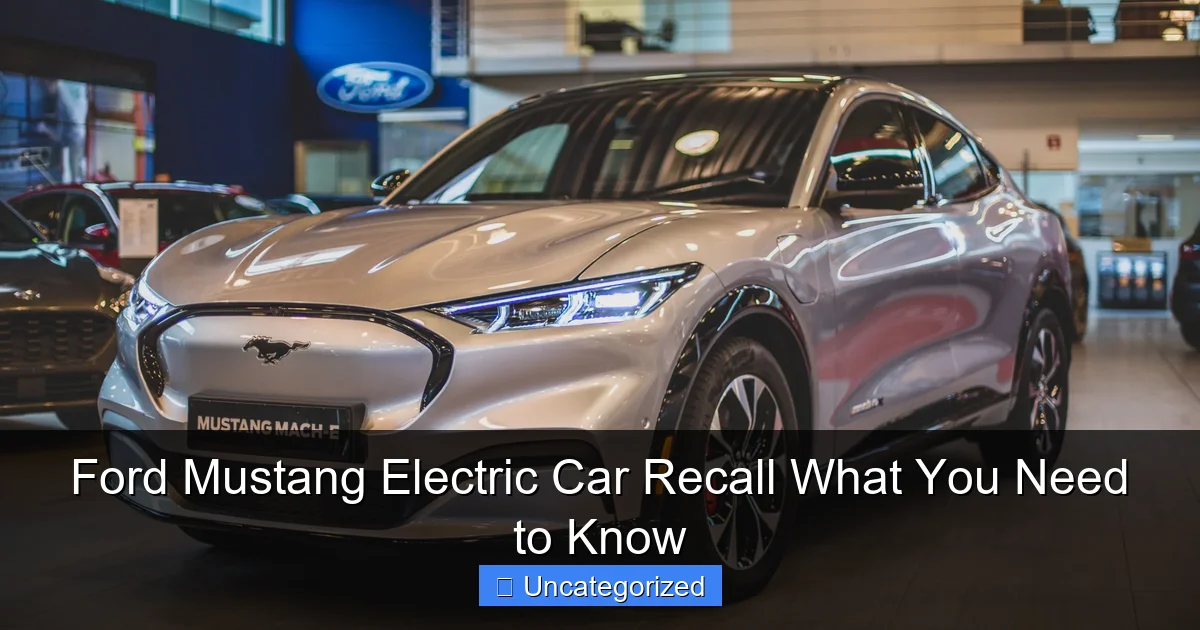
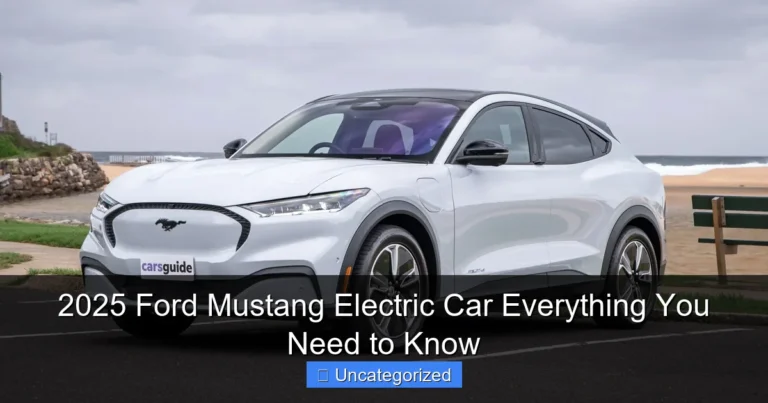
Featured image for ford mustang electric car recall
Image source: res.cloudinary.com
Ford has issued a critical recall for select Mustang Mach-E electric vehicles due to a software glitch that can cause sudden power loss while driving. The issue affects models from 2021–2023 and involves the vehicle’s powertrain control module, which may fail to detect a battery fault, increasing crash risk. Owners are urged to schedule a free software update at authorized dealerships immediately to ensure safety and restore full functionality.
Key Takeaways
- Check VIN immediately: Verify if your Mustang Mach-E is affected via Ford’s recall lookup tool.
- Schedule free repairs: Ford will fix battery issues at no cost—book service promptly.
- Monitor for warnings: Watch for dashboard alerts like power loss or battery malfunction signs.
- Loaner vehicles available: Request one if repairs require extended shop time.
- Stay updated: Register with Ford for direct recall notifications and deadline alerts.
- Safety first: Stop driving if experiencing sudden power failure—contact Ford roadside assistance.
📑 Table of Contents
- Ford Mustang Electric Car Recall: What You Need to Know
- Understanding the Ford Mustang Mach-E Recalls: An Overview
- Major Recall Events and Their Technical Details
- How to Check If Your Mustang Mach-E Is Affected
- What to Do If Your Vehicle Is Recalled
- Data Table: Summary of Major Ford Mustang Mach-E Recalls (2021–2023)
- Long-Term Implications and Owner Tips
Ford Mustang Electric Car Recall: What You Need to Know
The Ford Mustang has long been an American icon, symbolizing power, speed, and freedom on the open road. With the release of the Ford Mustang Mach-E, the automaker took a bold step into the electric vehicle (EV) era, blending the Mustang’s legendary legacy with cutting-edge EV technology. The Mach-E, introduced in 2021, quickly gained popularity for its sleek design, impressive range, and advanced features. However, as with any new technology, challenges have emerged. In recent years, Ford has issued several recalls affecting the Mustang Mach-E, raising questions among current owners and prospective buyers about safety, reliability, and what to do if your vehicle is impacted.
If you own a Ford Mustang Mach-E or are considering purchasing one, understanding the details of these recalls is critical. While recalls are not uncommon in the automotive industry, they can be unsettling, especially when they involve critical systems like battery performance, braking, or software. This comprehensive guide will walk you through the most significant Ford Mustang electric car recall events, what they mean for your vehicle, and how to stay informed and safe. From technical details to practical steps you can take, we’ve got you covered with everything you need to know.
Understanding the Ford Mustang Mach-E Recalls: An Overview
Since its launch, the Ford Mustang Mach-E has been subject to multiple recalls issued by the National Highway Traffic Safety Administration (NHTSA) and Ford Motor Company. These recalls are not isolated incidents but part of a broader effort by automakers to ensure EV safety and performance as technology evolves rapidly. The Ford Mustang electric car recall events have primarily focused on software glitches, hardware malfunctions, and safety-critical components. While none have resulted in widespread injuries or fatalities, they highlight the complexity of integrating high-voltage systems, advanced driver-assistance features, and over-the-air (OTA) software updates in modern EVs.
Visual guide about ford mustang electric car recall
Image source: cdn-fastly.thetruthaboutcars.com
Why Recalls Happen in Electric Vehicles
EVs like the Mustang Mach-E rely heavily on software and integrated systems. Unlike traditional internal combustion engine (ICE) vehicles, where mechanical failures are often easier to diagnose and fix, EVs can experience issues in areas such as:
- Battery management systems (BMS): Monitoring cell voltage, temperature, and charge levels.
- Powertrain control modules (PCM): Managing motor output and energy distribution.
- Over-the-air (OTA) updates: Remote software fixes that can introduce new bugs.
- Regenerative braking systems: Blending friction and electric braking for efficiency.
These systems are interconnected, meaning a flaw in one can ripple through others. For example, a software bug in the BMS could cause the vehicle to shut down unexpectedly, even while driving. This interdependence increases the likelihood of recalls but also allows for faster, more targeted fixes—especially when OTA updates are used.
Key Recall Categories for the Mustang Mach-E
The Ford Mustang electric car recall notices fall into several major categories:
- Software-related issues: Incorrect OTA updates, faulty infotainment systems, or incorrect driver-assistance alerts.
- Battery and powertrain problems: Potential overheating, charging failures, or unexpected power loss.
- Brake system anomalies: Inadequate regenerative braking or delayed response in friction brakes.
- Body and interior components: Defective door latches, seat belt reminders, or windshield wipers.
- Electrical system faults: Issues with the high-voltage system or charging port.
Ford has generally responded swiftly to these issues, often issuing OTA updates or scheduling dealer service appointments. However, the frequency of recalls has sparked debate about whether the Mach-E is as reliable as legacy models or competing EVs like the Tesla Model Y or Hyundai Ioniq 5.
Major Recall Events and Their Technical Details
Recall #1: 2021–2022 Mach-E Models – Unexpected Power Loss (NHTSA #21V-758)
In October 2021, Ford issued a recall affecting approximately 48,000 Mustang Mach-E vehicles from the 2021 and 2022 model years. The issue stemmed from a software flaw in the Powertrain Control Module (PCM) that could cause the vehicle to enter “limp mode” or shut down completely while driving. This occurred due to an incorrect calibration of the battery management system, which misinterpreted voltage levels and triggered a protective shutdown.
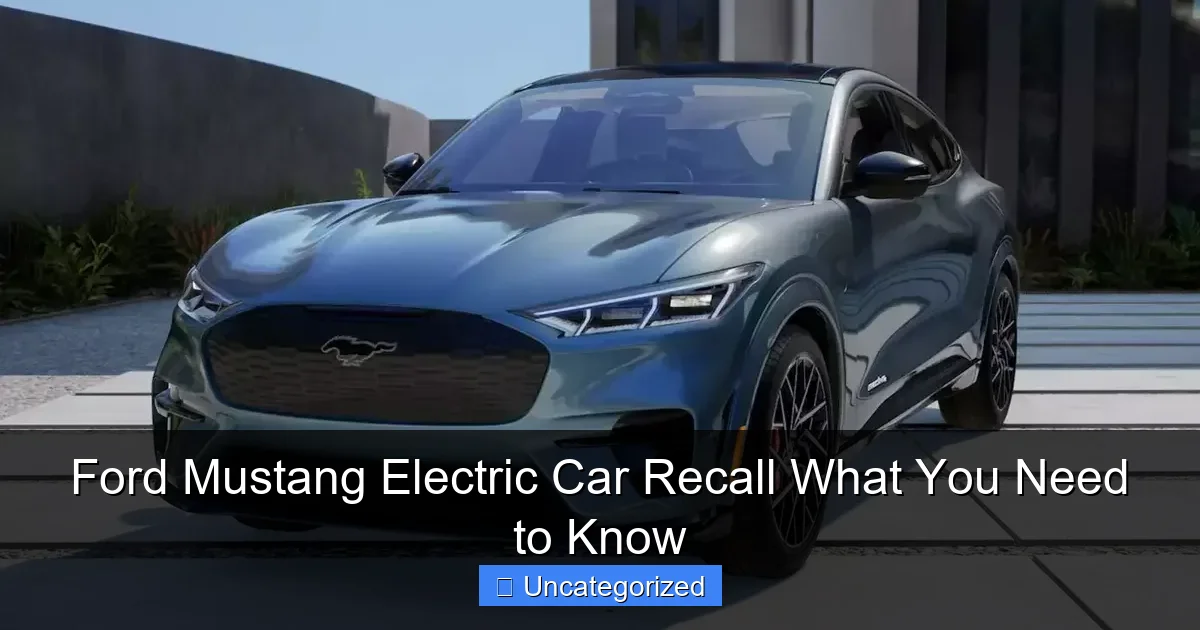
Visual guide about ford mustang electric car recall
Image source: motorbiscuit.com
Real-world example: A driver in Colorado reported losing all propulsion on a highway during winter, forcing them to pull over in sub-zero temperatures. Ford addressed this with an OTA update and, for vehicles not connected to Wi-Fi, a dealer-installed software patch.
What owners should do: Ensure your vehicle is connected to Wi-Fi to receive automatic updates. If not, contact Ford Customer Service or visit a dealer to verify the fix is installed.
Recall #2: Brake System Anomaly (NHTSA #22V-145)
In March 2022, Ford recalled over 50,000 Mach-E units due to a potential issue with the brake booster software. The problem arose when the vehicle failed to properly transition from regenerative braking to hydraulic friction braking, especially at low speeds. This could result in longer stopping distances, increasing the risk of collisions.
The root cause was traced to a logic error in the Brake System Control Module (BSCM), which failed to activate the hydraulic brakes quickly enough when regenerative braking was insufficient.
Tip for drivers: If you notice delayed braking response, especially in stop-and-go traffic, have the system checked immediately. Ford released an OTA update to fix this, but some owners reported the update didn’t apply correctly. A dealer visit may be necessary.
Recall #3: Battery Overheating Risk (NHTSA #23V-045)
In January 2023, Ford recalled around 12,000 Mach-E vehicles due to a potential high-voltage battery overheating condition. The issue was linked to a faulty cell voltage sensor that could misreport battery temperatures, leading to excessive charging rates and thermal runaway risks.
Data insight: Ford stated that only 1 in 1,000 vehicles showed symptoms, but the recall was proactive. Dealers replaced the battery pack in affected units and updated the BMS software.
Preventive tip: Avoid charging to 100% regularly. Use the FordPass app to set charging limits (e.g., 80%) to reduce battery stress and overheating risk.
Recall #4: Door Latch Failure (NHTSA #22V-637)
While not exclusive to EVs, a recall in August 2022 affected Mach-E models with defective door latch mechanisms. In rare cases, the doors could unlatch while the vehicle is moving, posing a serious safety hazard.
Ford attributed the issue to a supplier defect in the latch assembly. Affected vehicles received free latch replacements at authorized service centers.
Action step: Test your door latches regularly. If you hear unusual noises or feel resistance when closing doors, schedule an inspection.
Recall #5: Charging Port Overheating (NHTSA #23V-412)
Announced in June 2023, this recall involved the DC fast-charging port on certain Mach-E trims. A design flaw in the port’s contact points could cause overheating during rapid charging, potentially leading to melted connectors or fire risk.
Ford provided a software update to limit DC charging rates and advised owners to avoid using third-party fast chargers until the issue was resolved. A hardware replacement was offered for high-risk units.
How to Check If Your Mustang Mach-E Is Affected
Step-by-Step Recall Check Guide
Determining whether your vehicle is part of a Ford Mustang electric car recall is straightforward. Follow these steps:
- Locate your VIN: The Vehicle Identification Number is found on the driver’s side dashboard (visible through the windshield) or on your registration documents.
- Visit the NHTSA Recall Portal: Go to NHTSA.gov/recalls and enter your VIN. The site will show all active and past recalls.
- Use the Ford Recall Tool: Visit Ford.com/support/recalls and input your VIN. Ford provides detailed descriptions, repair timelines, and service instructions.
- Check FordPass App: The app may display recall alerts directly. Ensure it’s updated and linked to your vehicle.
- Contact Ford Customer Service: Call 1-866-436-7332 for assistance or to schedule a service appointment.
What If You’re Buying a Used Mach-E?
If you’re purchasing a pre-owned Mustang Mach-E, always perform a recall check before finalizing the sale. Here’s how:
- Request the VIN from the seller and run it through the NHTSA and Ford portals.
- Ask for a vehicle history report (e.g., Carfax or AutoCheck) to see if recalls were addressed.
- Verify with the seller or dealer that all open recalls have been repaired. Ford dealers must fix open recalls before reselling a vehicle.
- Test-drive the vehicle and monitor for unusual behavior, such as sudden power loss or braking issues.
Pro tip: Some states require dealers to disclose recall status in writing. Always get this in the purchase agreement.
What to Do If Your Vehicle Is Recalled
Immediate Actions
If you receive a recall notice or discover your Mach-E is affected:
- Read the official notice carefully: Understand the risk level and required actions.
- Do not ignore the recall: Even if the issue seems minor, it could escalate.
- Stop using affected features: For example, if the recall involves charging, avoid DC fast charging until fixed.
- Schedule a service appointment: Use the FordPass app, Ford website, or call your local dealer.
During the Service Visit
When you take your vehicle in for a recall repair:
- Bring all documents: VIN, registration, and recall notice.
- Ask for a detailed explanation: Technicians should explain what was replaced or updated.
- Request a service report: This is useful for future resale or warranty claims.
- Check for additional fixes: Some dealers perform complimentary inspections for other potential issues.
Note: Recall repairs are always free of charge. Ford covers parts, labor, and even rental cars if the repair takes more than a few hours.
Post-Repair Best Practices
After the repair:
- Test drive the vehicle to ensure the issue is resolved.
- Update all software via the FordPass app.
- Monitor the vehicle for 1–2 weeks for any residual symptoms.
- Keep records of the repair for your files.
Data Table: Summary of Major Ford Mustang Mach-E Recalls (2021–2023)
| Recall Date | NHTSA Number | Affected Model Years | Units Recalled | Issue Description | Resolution | OTA Fix? |
|---|---|---|---|---|---|---|
| Oct 2021 | 21V-758 | 2021–2022 | 48,000 | Power loss due to PCM software flaw | Software update (PCM/BMS) | Yes |
| Mar 2022 | 22V-145 | 2021–2022 | 50,200 | Brake booster software delay | BSCM software update | Yes |
| Jan 2023 | 23V-045 | 2022–2023 | 12,000 | Battery overheating risk | Battery pack replacement + BMS update | No (hardware + software) |
| Aug 2022 | 22V-637 | 2021–2022 | 27,500 | Door latch failure | Latch mechanism replacement | No |
| Jun 2023 | 23V-412 | 2022–2023 | 8,300 | Charging port overheating | Software limit + hardware replacement (if needed) | Yes (partial) |
Long-Term Implications and Owner Tips
Are Recalls a Dealbreaker?
Not necessarily. While the Ford Mustang electric car recall history may give pause, it’s important to contextualize it. The Mach-E has had fewer recalls than some competitors (e.g., early Tesla Model 3 units had over a dozen recalls in two years). Moreover, Ford’s use of OTA updates allows for faster, less disruptive fixes compared to traditional ICE recalls, which often require physical parts replacement.
Industry data: According to NHTSA, EVs had a 30% higher recall rate in their first two years than ICE vehicles, but 60% of EV recalls were resolved via software updates—reducing downtime and cost.
How to Maximize Safety and Reliability
- Keep software updated: Connect to Wi-Fi regularly. Enable automatic updates in the FordPass app.
- Monitor battery health: Use the app to track charge cycles, temperature, and state of health (SoH).
- Schedule regular inspections: Even without recalls, EVs benefit from annual checkups.
- Use Ford’s warranty coverage: The Mach-E comes with an 8-year/100,000-mile battery warranty. Keep records of all maintenance.
- Join owner communities: Forums like MachEClub.com provide real-time updates on issues and fixes.
Future-Proofing Your Mach-E
As Ford continues to improve the Mustang Mach-E, expect fewer recalls as the platform matures. The 2024 model, for example, features a revised battery management system and updated software architecture to reduce bugs. Staying informed and proactive is the best way to enjoy your EV with confidence.
In conclusion, while the Ford Mustang electric car recall events highlight the challenges of pioneering EV technology, they also demonstrate Ford’s commitment to safety and continuous improvement. By understanding the issues, checking your vehicle, and following best practices, you can drive your Mach-E with peace of mind—knowing that every recall is an opportunity to make your Mustang even better.
Frequently Asked Questions
What prompted the Ford Mustang electric car recall?
The Ford Mustang electric car recall was initiated due to a potential battery defect that could cause overheating or fire risks. Ford identified the issue during routine safety testing and immediately notified regulators and owners.
Which models are included in the Ford Mustang electric car recall?
The recall affects select 2022–2023 Ford Mustang Mach-E models with specific battery configurations. Owners can verify if their vehicle is included via the NHTSA website or Ford’s official recall portal.
How do I know if my Mustang Mach-E is affected by the recall?
Ford will send direct mail notifications to owners of recalled vehicles, or you can check using your VIN on Ford’s recall lookup tool. The notice includes details about repairs and next steps.
Can I continue driving my recalled Ford Mustang electric car?
Ford advises owners to limit charging to 80% capacity until repairs are made, as a precaution. Schedule a service appointment immediately to address the issue and ensure safety.
What repairs will Ford perform for the Mustang electric car recall?
Dealers will inspect and replace faulty battery components at no cost to the owner. The process typically takes a few hours, and loaner vehicles may be provided upon request.
Does the recall impact Ford’s warranty or my car’s value?
Recall-related repairs are covered under warranty, and Ford guarantees no out-of-pocket costs. While recalls may briefly affect resale value, timely repairs restore vehicle safety and marketability.