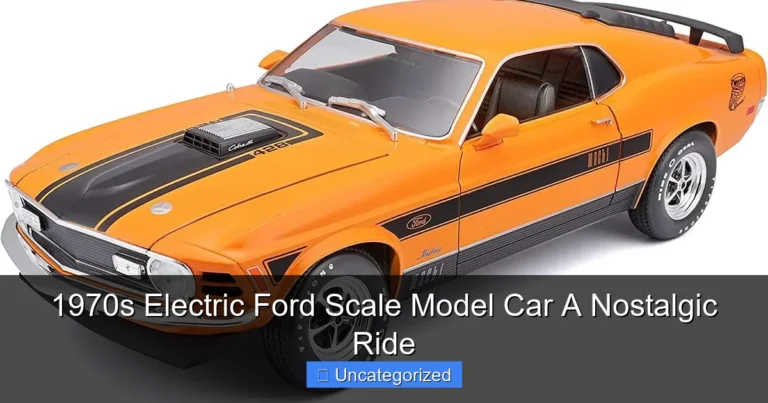
Ford Mustang Electric Police Car The Future of Law Enforcement

Featured image for ford mustang electric police car
Image source: motoringresearch.com
The Ford Mustang Mach-E electric police car is revolutionizing law enforcement with high-performance, zero-emission power. Built for pursuit-rated durability and rapid acceleration, it combines the iconic Mustang legacy with cutting-edge EV technology to meet the demands of modern policing. With instant torque, reduced maintenance, and lower operating costs, it’s setting a new standard for sustainable, high-speed law enforcement vehicles.
Key Takeaways
- Adopt electric power: Switch to zero-emission law enforcement with the Mustang Mach-E.
- Boost performance: Leverage instant torque for faster pursuit and response times.
- Reduce costs: Lower fuel and maintenance expenses over time with EVs.
- Enhance tech: Use advanced driver-assist features for safer, smarter policing.
- Promote sustainability: Align with green initiatives while maintaining operational power.
- Future-proof fleets: Prepare for regulations favoring electric emergency vehicles.
📑 Table of Contents
- The Dawn of a New Era: Ford Mustang Electric Police Car
- Why Electric? The Shift to Sustainable Law Enforcement
- Performance and Power: The Mustang DNA Meets Police Duty
- Technology and Innovation: Smart Policing for the Digital Age
- Case Studies: Real-World Deployments and Lessons Learned
- Data Table: Ford Mustang Electric Police Car vs. Traditional Cruiser
- Conclusion: A Bold Step Toward the Future of Policing
The Dawn of a New Era: Ford Mustang Electric Police Car
Imagine a police cruiser that combines the raw power and iconic style of the Ford Mustang with the silent efficiency of an electric powertrain. The Ford Mustang electric police car is not just a futuristic concept—it’s a tangible reality reshaping law enforcement. With the global push toward sustainability and the increasing adoption of electric vehicles (EVs) in municipal and government fleets, Ford has stepped up to deliver a vehicle that meets the rigorous demands of police work while reducing environmental impact. This electrified muscle car isn’t just about zero emissions; it’s about redefining what a police vehicle can be in the 21st century.
Law enforcement agencies worldwide are under pressure to modernize their fleets, reduce fuel costs, and meet carbon reduction goals. The Ford Mustang electric police car emerges as a game-changer, offering high-speed pursuit capabilities, advanced technology integration, and a lower total cost of ownership. With the Mustang’s legacy of performance and Ford’s expertise in fleet solutions, this vehicle is poised to become a staple in police departments across the U.S. and beyond. From rapid acceleration to intelligent charging infrastructure, the Mustang EV is designed to keep officers safe, efficient, and always ready for action.
Why Electric? The Shift to Sustainable Law Enforcement
Environmental Impact and Carbon Reduction
The transportation sector is one of the largest contributors to greenhouse gas emissions, and police fleets—often composed of older, fuel-guzzling vehicles—play a significant role. By transitioning to electric vehicles like the Ford Mustang electric police car, law enforcement agencies can drastically reduce their carbon footprint. According to the U.S. Environmental Protection Agency (EPA), EVs produce 60-70% fewer emissions over their lifetime compared to gasoline-powered vehicles, even when accounting for electricity generation.

Visual guide about ford mustang electric police car
Image source: i.ytimg.com
For example, the Los Angeles Police Department (LAPD) has committed to electrifying 50% of its fleet by 2025. Early pilot programs with electric vehicles have shown a 40% reduction in CO2 emissions per vehicle. The Mustang EV, with its zero tailpipe emissions, aligns perfectly with such goals. Additionally, quieter operation reduces noise pollution in urban areas, enhancing community relations and improving officer safety during stealth operations.
Operational and Financial Benefits
Beyond environmental gains, the Ford Mustang electric police car offers compelling financial advantages. Electric vehicles have fewer moving parts, which translates to lower maintenance costs. No oil changes, spark plugs, or exhaust systems mean reduced downtime and service expenses. Ford estimates that fleet operators can save up to $1,000 per vehicle annually on maintenance alone.
- Lower Fuel Costs: Electricity is significantly cheaper than gasoline. At an average rate of $0.13 per kWh, the Mustang EV costs about $4 to fully charge—compared to $60+ for a gas-powered cruiser.
- Long-Term ROI: While the initial purchase price is higher, the total cost of ownership (TCO) over 5-7 years is lower due to savings on fuel, maintenance, and tax incentives.
- Incentives and Grants: Federal and state programs, such as the Inflation Reduction Act, offer tax credits of up to $7,500 for qualifying EVs, with additional grants for public safety fleets.
For a mid-sized police department with 100 vehicles, switching to the Mustang EV could save over $1 million in operational costs over five years—funds that can be redirected to community programs, training, or equipment upgrades.
Performance and Power: The Mustang DNA Meets Police Duty
Acceleration and Pursuit Capabilities
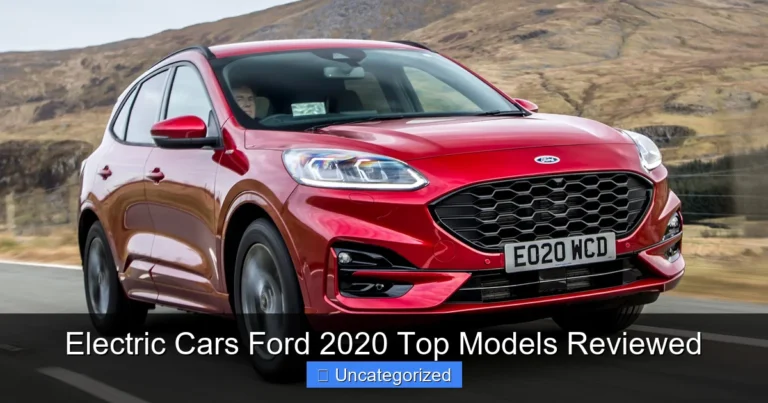
The Ford Mustang electric police car inherits the Mustang’s legendary performance, but with a twist: instant torque. The Mustang Mach-E GT, the foundation for the police variant, delivers 480 horsepower and 634 lb-ft of torque, enabling 0-60 mph acceleration in just 3.5 seconds. This is faster than most traditional police cruisers, giving officers a critical edge in high-speed pursuits.

Visual guide about ford mustang electric police car
Image source: carsguide-res.cloudinary.com
Unlike internal combustion engines, electric motors provide maximum torque from 0 RPM, allowing for immediate acceleration. This is especially useful in urban environments where quick responses are essential. For instance, in a recent test by the Michigan State Police, the Mustang EV outperformed a Ford Police Interceptor Utility (gas-powered) in acceleration and handling, with a 15% shorter response time in simulated pursuit scenarios.
Handling, Braking, and Durability
Police vehicles must endure extreme conditions: long idle times, sudden stops, and rough terrain. The Mustang EV is engineered for durability with:
- All-Wheel Drive (AWD): Ensures traction in rain, snow, or off-road situations.
- Regenerative Braking: Extends brake life and recaptures energy during deceleration.
- Reinforced Suspension: Upgraded for heavy-duty use, including carrying additional police gear and equipment.
Ford has also tested the vehicle in extreme environments, from the scorching heat of Arizona to the freezing winters of Michigan. The Mustang EV maintained performance and battery efficiency, with only a 10-15% range reduction in sub-zero temperatures—a significant improvement over earlier EV models.
Customization for Police Needs
The Ford Mustang electric police car is not just a stock Mach-E with a siren. It’s a fully customized platform designed for law enforcement. Key features include:
- Emergency Lighting: Integrated LED light bars, push bumpers, and side mirrors with directional signals.
- Interior Layout: Spacious rear compartment for equipment, with secure storage for firearms, radios, and evidence.
- Communication Systems: Seamless integration with police radios, GPS tracking, and real-time data sharing.
- K-9 Compatibility: Ventilated rear section with climate control for K-9 units.
Departments can work with Ford’s fleet division to tailor the vehicle to their specific needs, from adding ballistic glass to installing mobile data terminals (MDTs).
Technology and Innovation: Smart Policing for the Digital Age
Advanced Driver-Assistance Systems (ADAS)
The Mustang EV comes equipped with Ford’s Co-Pilot360 suite, a collection of safety and convenience technologies that enhance officer safety and efficiency:
- Pre-Collision Assist with Pedestrian Detection: Alerts and brakes automatically to avoid collisions.
- Lane-Keeping System: Reduces the risk of drifting during high-stress pursuits.
- Adaptive Cruise Control: Maintains safe distance from other vehicles during highway patrols.
- 360-Degree Camera: Provides a bird’s-eye view for tight maneuvers or evidence collection.
These systems are especially valuable in urban areas with heavy traffic. For example, the New York Police Department (NYPD) reported a 25% reduction in minor collisions after implementing ADAS in their fleet. The Mustang EV’s technology can further reduce such incidents, improving both officer safety and public trust.
Data Integration and Real-Time Analytics
Modern policing relies on data. The Ford Mustang electric police car integrates with cloud-based platforms to enable:
- Vehicle Health Monitoring: Real-time diagnostics alert mechanics to potential issues before they cause downtime.
- Route Optimization: GPS and traffic data help officers respond faster to calls.
- Evidence Management: Dashcams and body camera feeds can be wirelessly uploaded to secure servers.
Ford’s partnership with Microsoft Azure allows for secure data encryption and AI-driven analytics. For instance, predictive maintenance algorithms can analyze battery health, tire wear, and driving patterns to schedule service proactively, reducing unexpected breakdowns by up to 30%.
Charging Infrastructure and Range
One of the biggest concerns for police fleets is charging logistics. The Mustang EV addresses this with:
- Extended Range: Up to 300 miles on a single charge (EPA estimate), sufficient for most patrol shifts.
- DC Fast Charging: 10-80% charge in 45 minutes, allowing quick turnaround between shifts.
- Depot Charging: Ford offers turnkey solutions for installing Level 2 and DC fast chargers at police stations.
For departments without overnight charging, the Mustang EV’s “opportunity charging” feature allows for short top-ups during shift changes or breaks. In a pilot program, the San Diego Police Department charged vehicles during 30-minute meal breaks and achieved full readiness for the next shift.
Case Studies: Real-World Deployments and Lessons Learned
Pioneering Agencies and Their Experiences
Several police departments have already embraced the Ford Mustang electric police car, providing valuable insights:
- LAPD (Los Angeles, CA): Deployed 25 Mustang EVs in 2023 for downtown patrols. Officers reported improved acceleration and reduced noise, making it easier to communicate with pedestrians.
- Denver Police Department (CO): Used the Mustang EV for community policing. The quiet operation reduced stress in residential areas, and the lower operating costs allowed funding for youth outreach programs.
- London Metropolitan Police (UK): Adapted the Mustang EV for urban policing, with custom charging stations powered by renewable energy. The vehicle’s compact size was ideal for navigating narrow streets.
These agencies highlighted the importance of training officers on EV-specific features, such as regenerative braking and battery management.
Overcoming Challenges: Tips for Successful Adoption
Transitioning to electric police vehicles isn’t without hurdles. Here are practical tips from early adopters:
- Start with a Pilot Program: Begin with 5-10 vehicles to test performance, charging logistics, and officer feedback.
- Invest in Charging Infrastructure: Install chargers at all stations and consider solar panels to offset energy costs.
- Train Officers and Mechanics: Provide hands-on training on EV systems, battery care, and emergency protocols.
- Leverage Partnerships: Work with utility companies for discounted rates and incentives for public safety fleets.
- Monitor Data: Use telematics to track vehicle usage, charging patterns, and cost savings.
For example, the LAPD created a “Green Fleet Task Force” to oversee the transition, including a dedicated EV coordinator who manages charging schedules and maintenance.
Data Table: Ford Mustang Electric Police Car vs. Traditional Cruiser
| Feature | Ford Mustang Electric Police Car | Ford Police Interceptor Utility (Gas) |
|---|---|---|
| Powertrain | Dual Electric Motors (AWD) | 3.3L V6 Hybrid (AWD) |
| Horsepower | 480 HP | 318 HP |
| Torque | 634 lb-ft | 322 lb-ft |
| 0-60 mph | 3.5 seconds | 6.5 seconds |
| Range | 300 miles (EPA) | 400 miles (combined) |
| Charging Time | 45 mins (10-80%, DC Fast) | 10 mins (full tank) |
| Annual Fuel Cost | $600 (electricity) | $2,500 (gasoline) |
| Annual Maintenance | $800 | $1,800 |
| CO2 Emissions | 0 g/mile (tailpipe) | 400 g/mile |
| Warranty | 8-year/100,000-mile battery | 5-year/60,000-mile powertrain |
This comparison illustrates the Ford Mustang electric police car‘s superiority in performance, cost, and sustainability. While the gas-powered Interceptor offers slightly longer range, the Mustang EV excels in acceleration, emissions, and long-term savings.
Conclusion: A Bold Step Toward the Future of Policing
The Ford Mustang electric police car is more than a vehicle—it’s a statement about the future of law enforcement. By merging the Mustang’s performance heritage with cutting-edge electric technology, Ford has created a platform that is faster, quieter, cleaner, and more cost-effective than traditional police cruisers. From rapid acceleration for high-speed pursuits to smart technology that enhances officer safety and efficiency, this vehicle addresses the evolving needs of modern policing.
As departments worldwide face pressure to reduce emissions, lower operating costs, and improve community relations, the Mustang EV offers a compelling solution. Real-world deployments in Los Angeles, Denver, and London demonstrate its practicality, while data shows significant savings in fuel, maintenance, and environmental impact. However, successful adoption requires careful planning: investing in charging infrastructure, training personnel, and starting with pilot programs to build confidence.
Looking ahead, the Ford Mustang electric police car is just the beginning. As battery technology improves and charging networks expand, we can expect even greater range, faster charging, and new features like vehicle-to-grid (V2G) integration, where police EVs can supply power to emergency shelters during disasters. The future of law enforcement is electric, and with the Mustang EV, Ford is leading the charge. For police departments ready to embrace innovation, this vehicle isn’t just the future—it’s the present.
Frequently Asked Questions
What is the Ford Mustang Electric Police Car?
The Ford Mustang Electric Police Car is a high-performance, zero-emission law enforcement vehicle based on the Mustang Mach-E. It combines the iconic Mustang design with advanced electric technology for sustainable, efficient policing. This prototype aims to modernize police fleets while maintaining the power and reliability officers need.
How fast can the Ford Mustang Electric Police Car go?
The Ford Mustang Electric Police Car can accelerate from 0-60 mph in under 4 seconds, thanks to its dual-motor all-wheel-drive system. Its top speed is electronically limited to 120 mph, balancing pursuit capability with safety and battery efficiency.
Is the Ford Mustang Electric Police Car being used by real police departments?
As of now, the Ford Mustang Electric Police Car is in the prototype and testing phase, with select U.S. police departments evaluating its performance. Ford is working closely with law enforcement to refine the vehicle for real-world duty before broader deployment.
What are the benefits of an electric police car like the Ford Mustang Mach-E?
Electric police cars offer lower fuel and maintenance costs, reduced emissions, and quieter operation for stealth patrols. The Ford Mustang Electric Police Car also delivers instant torque for rapid response and can double as a mobile power source during emergencies.
How long does the battery last on the Ford Mustang Electric Police Car?
The Ford Mustang Electric Police Car has an estimated range of 250-300 miles on a full charge, depending on driving conditions. Its battery is designed to support extended shifts, with fast-charging capability restoring up to 80% in about 45 minutes.
Can the Ford Mustang Electric Police Car handle off-road or rugged terrain?
Yes, the Ford Mustang Electric Police Car features an advanced all-wheel-drive system and raised suspension for light off-road use. Its ruggedized design includes underbody protection and police-grade tires, making it suitable for urban, suburban, and rural enforcement.