Fords Electric Car Revolution The Future of Driving
Featured image for ford’s electric car
Image source: assets.bwbx.io
Ford’s electric car revolution is redefining the future of driving with cutting-edge models like the Mustang Mach-E and F-150 Lightning, blending performance, innovation, and sustainability. By investing $50 billion in electrification by 2026, Ford is accelerating its shift toward a zero-emission lineup, offering longer ranges, faster charging, and smart tech integration. This bold move positions Ford as a serious contender in the EV market, challenging Tesla and legacy automakers alike.
Key Takeaways
- Ford leads EV innovation with bold investments in electric vehicle technology and infrastructure.
- Mustang Mach-E redefines performance blending iconic design with zero-emission power.
- F-150 Lightning electrifies work offering robust utility and home power backup capabilities.
- BlueOval charging network ensures seamless long-distance travel across North America.
- Affordable EVs coming soon with next-gen models targeting mass-market accessibility.
- Sustainability drives Ford’s vision through eco-conscious manufacturing and supply chains.
📑 Table of Contents
- The Dawn of a New Era: Ford’s Electric Car Revolution
- The Evolution of Ford’s Electric Vehicle Lineup
- Cutting-Edge Technology Powering Ford’s EVs
- Sustainability and Environmental Impact
- Performance, Safety, and Ownership Experience
- Charging Infrastructure and Future Roadmap
- Conclusion: Driving the Future Forward
The Dawn of a New Era: Ford’s Electric Car Revolution
The automotive industry is undergoing a seismic shift, and at the epicenter of this transformation stands Ford’s electric car revolution. For over a century, Ford has been synonymous with innovation, from the mass production of the Model T to the rugged F-Series trucks that dominate American roads. Now, the legacy automaker is steering toward a cleaner, smarter, and more sustainable future with its bold foray into electric vehicles (EVs). This isn’t just about swapping gasoline engines for batteries—it’s about reimagining mobility, redefining performance, and reshaping consumer expectations in a world increasingly focused on environmental responsibility and technological advancement.
Ford’s electric ambitions are not mere experiments or niche offerings; they represent a full-scale commitment to electrification. With over $50 billion invested in EV development through 2026 and plans to produce 2 million electric vehicles annually by 2026, Ford is positioning itself as a serious contender in the global EV race. From the groundbreaking Ford Mustang Mach-E to the revolutionary Ford F-150 Lightning, the company is proving that electric vehicles can be powerful, practical, and exhilarating—without sacrificing the brand’s heritage of durability and innovation. This blog post dives deep into Ford’s electric car revolution, exploring the technology, models, infrastructure, and cultural impact shaping the future of driving.
The Evolution of Ford’s Electric Vehicle Lineup
From Concept to Reality: A Strategic Shift
Ford’s journey into electrification didn’t begin with the Mach-E or Lightning. The company’s first electric car, the Ford Ranger EV, launched in the late 1990s as a response to California’s Zero Emission Vehicle (ZEV) mandate. Though discontinued due to limited demand and battery technology constraints, it laid the groundwork for future innovation. Fast forward to the 2010s, and Ford introduced the Focus Electric, a compact EV that offered modest range and performance. While not a market disruptor, it allowed Ford to gather real-world data and refine its battery and charging systems.
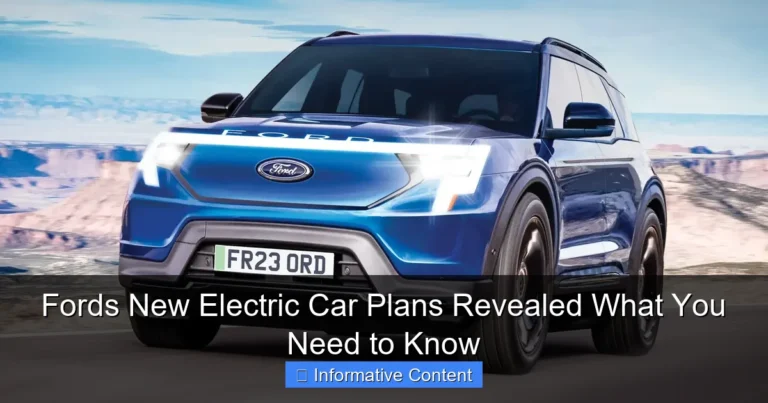
Visual guide about ford’s electric car
Image source: motorshow.com.br
The real turning point came in 2017 with the announcement of Project Apollo—a $11 billion investment to develop 16 fully electric vehicles by 2022. This marked a strategic pivot from compliance-driven EVs to consumer-focused, high-performance electric cars. Ford’s leadership recognized that the future wasn’t just electric—it was connected, intelligent, and experiential. The result? A lineup that blends iconic nameplates with cutting-edge EV technology, creating vehicles that appeal to traditional Ford buyers and tech-savvy early adopters alike.
Key Models in Ford’s Electric Arsenal
Ford’s current electric lineup is built around three pillars: performance, utility, and accessibility. Here’s a breakdown of the standout models:
- Ford Mustang Mach-E: The Mach-E is Ford’s answer to Tesla’s Model Y. With a sleek SUV design, up to 314 miles of range (on extended-range RWD models), and a 0-60 mph time of just 3.5 seconds in the GT Performance Edition, it combines sportiness with practicality. The Mach-E also features Ford’s SYNC 4A infotainment system with over-the-air updates, making it one of the most connected EVs on the market.
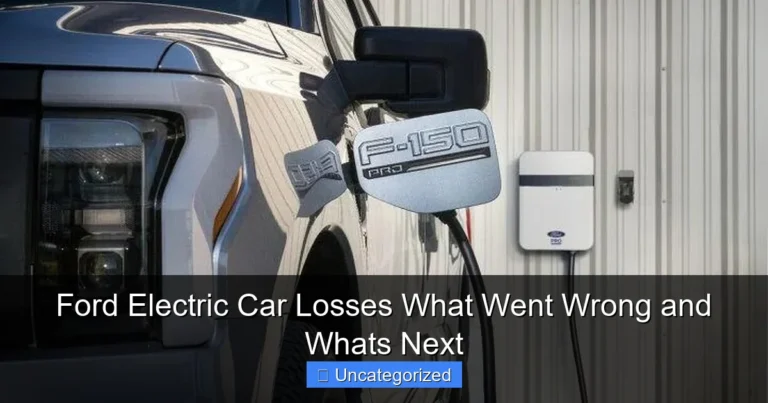
- Ford F-150 Lightning: Perhaps Ford’s most revolutionary EV yet, the Lightning retains the F-150’s rugged capability while adding electric power. With dual motors, 580 horsepower, 775 lb-ft of torque, and a 10,000-pound towing capacity, it outperforms many gas-powered trucks. Unique features like Pro Power Onboard (which can power tools or even homes during outages) and Intelligent Backup Power make it a game-changer for contractors and homeowners.
- Ford E-Transit: As the first all-electric version of America’s best-selling van, the E-Transit targets commercial fleets. With a 126-mile range, 269 horsepower, and 317 lb-ft of torque, it’s designed for urban delivery routes. Its low floor and 487 cubic feet of cargo space make it ideal for logistics, while Ford’s Fleet Management tools help businesses optimize routes and charging.
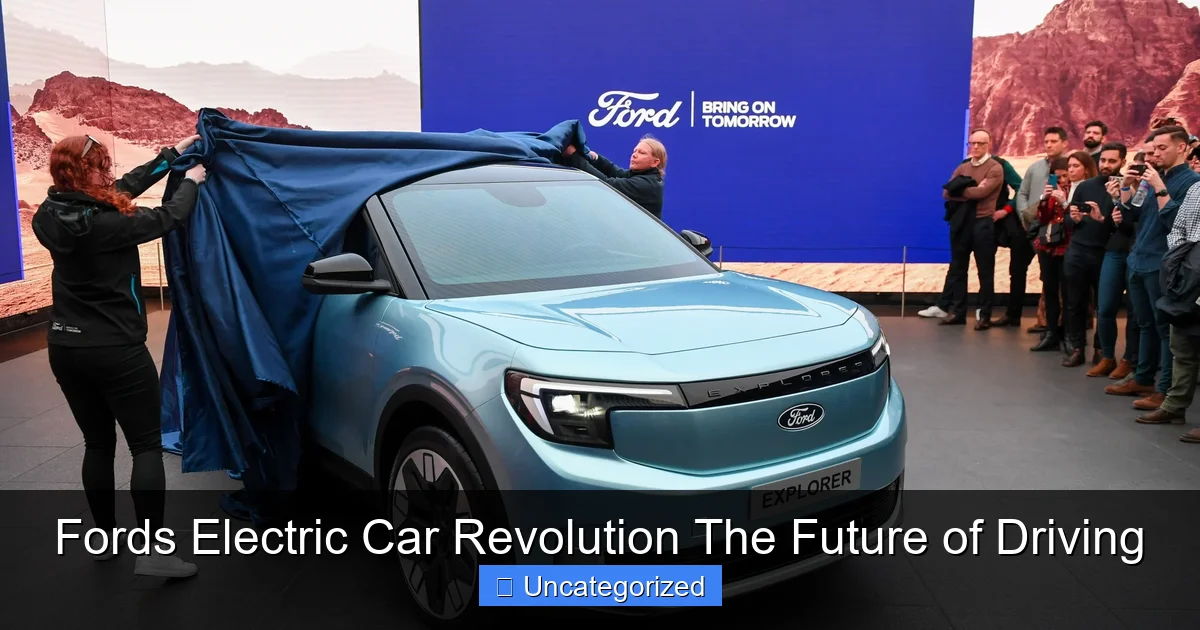
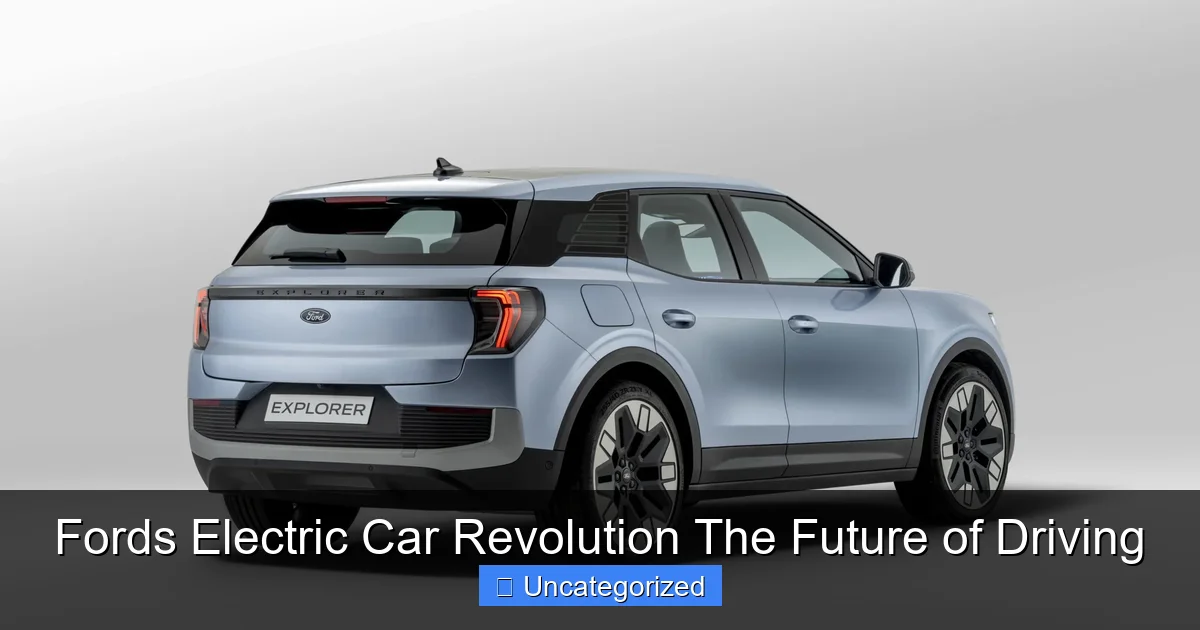
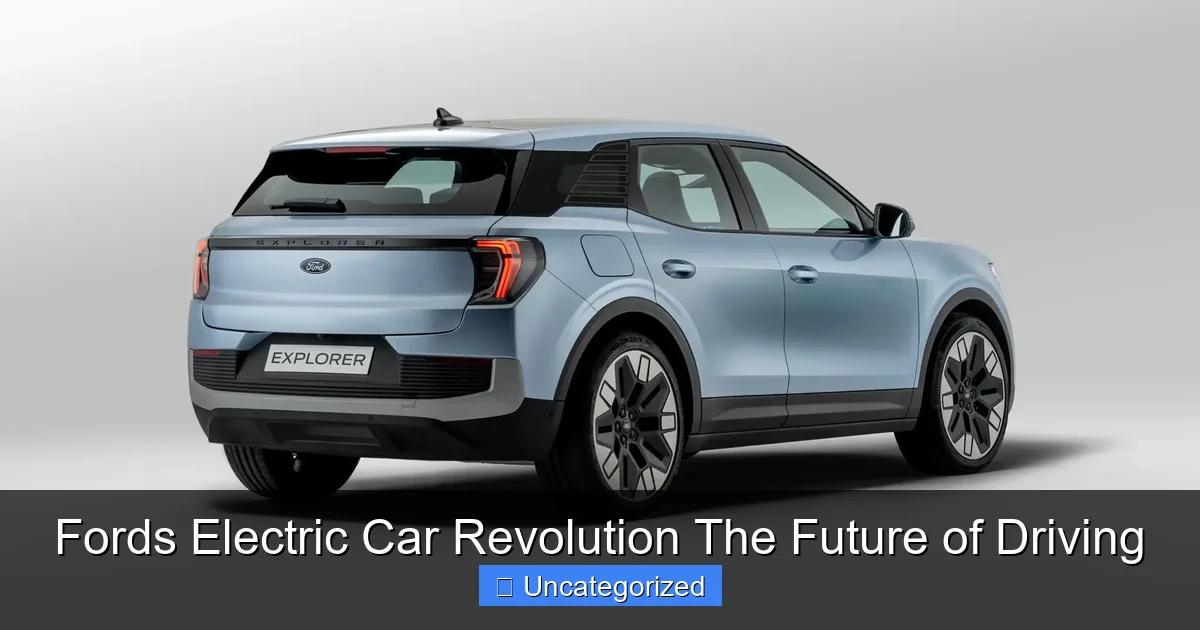
- Ford Explorer EV (Europe): While not yet available in the U.S., the Explorer EV—developed in partnership with Volkswagen using the MEB platform—shows Ford’s global electrification strategy. It offers up to 335 miles of range and targets family buyers seeking a spacious, efficient SUV.
<
<
Tip: When choosing a Ford electric car, consider your driving needs. The Mach-E excels for city and highway commuters, while the Lightning is ideal for those needing truck-like utility. The E-Transit is perfect for small businesses looking to go green.
Cutting-Edge Technology Powering Ford’s EVs
Battery Innovation and Range Optimization
At the heart of Ford’s electric car revolution is its battery technology. The company has invested heavily in developing high-energy-density lithium-ion batteries through partnerships with SK Innovation and its own BlueOval SK joint venture. Ford’s EVs use two main battery types:
Visual guide about ford’s electric car
Image source: car-images.bauersecure.com
- Standard Range (SR): Typically 68–70 kWh, offering 220–240 miles of range (e.g., Mach-E RWD).
- Extended Range (ER): 88–91 kWh, providing 270–314 miles (e.g., Mach-E AWD, Lightning).
Ford is also pioneering solid-state battery research with its investment in Solid Power, a startup developing next-gen batteries. These batteries promise higher energy density, faster charging, and improved safety—potentially boosting range to 500+ miles and reducing charge times to under 15 minutes. Additionally, Ford uses regenerative braking systems that convert kinetic energy back into stored power, extending range by up to 15% in city driving.
SYNC 4A and Intelligent Connectivity
Ford’s SYNC 4A infotainment system is more than just a touchscreen—it’s the brain of the vehicle. Key features include:
- Over-the-Air (OTA) Updates: Like smartphones, Ford EVs receive automatic software updates that improve performance, add features, and fix bugs. For example, a 2022 OTA update added “BlueCruise” hands-free highway driving to select Mach-E and Lightning models.
- Cloud-Connected Navigation: Real-time traffic, charging station availability, and route planning are integrated with Google Maps. The system can even pre-condition the battery during cold weather to maximize efficiency.
- FordPass App Integration: Owners can remotely start, lock/unlock, monitor battery status, and preheat/cool the cabin via their smartphone.
Practical Tip: Use the FordPass app to schedule charging during off-peak hours (e.g., overnight) to save on electricity costs. Many utility companies offer reduced rates for EV owners.
Charging Solutions: BlueOval Charge Network
One of the biggest barriers to EV adoption is charging anxiety. Ford addresses this with the BlueOval Charge Network, a partnership with Electrify America, ChargePoint, and others. This network provides access to over 84,000 charging plugs across North America, including 1,350+ DC fast chargers. Key advantages include:
- Plug & Charge: Simply plug in—no app or credit card required. Authentication happens automatically via the vehicle’s built-in modem.
- 150 kW Fast Charging: Most Ford EVs can charge from 10% to 80% in 40–45 minutes at DC fast chargers.
- Home Charging: Ford offers the Connected Charge Station (11.5 kW) for home use, adding 20–30 miles of range per hour.
Sustainability and Environmental Impact
Reducing Carbon Footprint Across the Lifecycle
Ford’s electric car revolution isn’t just about tailpipe emissions—it’s about holistic sustainability. The company has committed to achieving carbon neutrality by 2050, with interim goals like using 100% renewable energy in global manufacturing by 2035. Here’s how Ford is making an impact:
- Manufacturing: The Rouge Electric Vehicle Center in Michigan, where the Lightning is built, is powered by a 500-kW solar canopy and uses recycled materials (e.g., 80% recycled steel in the frame).
- Materials: Ford uses 100% recycled aluminum in the Lightning’s hood and fenders, reducing weight and emissions. The Mach-E’s interior features vegan-friendly materials like recycled plastics and soy-based foam.
- End-of-Life Recycling: Ford partners with Redwood Materials to recycle EV batteries, recovering over 95% of nickel, lithium, and cobalt for reuse.
Real-World Emissions Savings
Switching to a Ford electric car can significantly reduce your carbon footprint. According to the U.S. Department of Energy, EVs produce 60–70% fewer emissions over their lifetime compared to gas vehicles, even when accounting for manufacturing and electricity generation. For example:
- Driving a Mach-E 15,000 miles/year saves ~5 tons of CO₂ annually (equivalent to planting 80 trees).
- The Lightning’s Pro Power Onboard can replace a 5,000-watt generator, eliminating gasoline use and fumes during power outages.
Tip: Pair your Ford EV with solar panels to achieve near-zero emissions driving. Ford’s partnership with Sunrun simplifies home solar installation.
Performance, Safety, and Ownership Experience
Electric Power Meets Ford’s Performance Legacy
Ford’s electric cars deliver instant torque and smooth acceleration, but they’re also engineered for real-world performance. The F-150 Lightning, for instance, features a dual-motor AWD system that provides:
- 0–60 mph in 4.5 seconds (GT trim).
- 10,000 lbs towing capacity—on par with the gas F-150.
- Off-Road Capability: The Lightning’s “Off-Road” mode adjusts torque distribution and suspension for trails.
The Mustang Mach-E offers a “Unbridled” driving mode that enhances throttle response and steering weight, mimicking the feel of a sports car. Meanwhile, the Mach-E GT Performance Edition includes MagneRide adaptive suspension for sharper handling.
Industry-Leading Safety Features
Safety is a top priority in Ford’s EVs. All models include:
- Co-Pilot360 2.0: A suite of driver-assist technologies, including:
- Adaptive Cruise Control with Stop-and-Go
- Lane Centering Assist
- Blind Spot Information System (BLIS)
- Intersection Assist (prevents left-turn collisions)
- BlueCruise: A hands-free driving system for highways (available on Mach-E and Lightning). It works on over 130,000 miles of pre-mapped U.S. and Canadian roads.
- Structural Safety: The Lightning’s battery pack is encased in a high-strength steel cage, protecting it in crashes. The Mach-E’s body uses 50% high-strength steel.
Ownership Perks and Cost of Ownership
Owning a Ford electric car comes with unique advantages:
- Lower Maintenance: No oil changes, spark plugs, or exhaust systems. Ford estimates 40% lower maintenance costs over 5 years.
- Federal Tax Credit: The Inflation Reduction Act offers up to $7,500 in tax credits for eligible EVs (Mach-E and Lightning qualify if MSRP is under $80,000).
- FordPass Rewards: Earn points for charging, referrals, and purchases, redeemable for accessories or services.
- Warranty: 8-year/100,000-mile battery warranty (covers degradation below 70% capacity).
Charging Infrastructure and Future Roadmap
Expanding Access to Charging
Ford’s BlueOval Charge Network is expanding rapidly. By 2024, it aims to add 1,000+ new fast-charging stations in high-traffic corridors. Key initiatives include:
- Urban Charging Hubs: Partnering with retailers like Walmart and Target to install chargers at shopping centers.
- Fleet Charging: The E-Transit’s “Ford Pro Charging” service offers businesses custom charging solutions, including depot installations and energy management.
- Rural Access: Collaborating with rural co-ops to install chargers in underserved areas.
What’s Next: The 2025–2030 Vision
Ford’s electric car revolution is just beginning. Upcoming developments include:
- All-New Electric Explorer and Aviator: Redesigned from the ground up for the U.S. market, with 300+ mile ranges and advanced autonomous features.
- BlueOval SK Battery Plants: Three new U.S. battery plants (Kentucky and Tennessee) will produce 120 GWh annually—enough for 1.2 million EVs.
- Autonomous Driving: Ford’s Argo AI investment aims to deploy robotaxis by 2026, starting with pilot programs in Miami and Austin.
- Vehicle-to-Grid (V2G): Future EVs may feed power back into the grid during peak demand, earning owners credits.
Data Table: Ford EV Charging Options
| Charging Type | Power Level | Range Added per Hour | Time to 80% Charge (Extended Range) |
|---|---|---|---|
| Level 1 (120V) | 1.4 kW | 3–5 miles | 48–60 hours |
| Level 2 (240V) | 7.2–11.5 kW | 20–30 miles | 8–12 hours |
| DC Fast Charging | 150 kW | 100–150 miles | 40–45 minutes |
Tip: For daily commutes under 40 miles, a Level 2 home charger is sufficient. For road trips, use DC fast chargers via the FordPass app to find stations along your route.
Conclusion: Driving the Future Forward
Ford’s electric car revolution is more than a technological leap—it’s a cultural and environmental imperative. By reimagining iconic vehicles like the Mustang and F-150 as electric powerhouses, Ford is proving that sustainability and performance aren’t mutually exclusive. With innovations in battery technology, intelligent connectivity, and charging infrastructure, the company is removing traditional barriers to EV adoption. Whether you’re a tech enthusiast, a contractor, or a family driver, Ford’s electric lineup offers a vehicle that fits your lifestyle while reducing your environmental impact.
The road ahead is electric, and Ford is leading the charge. As the company expands its EV offerings, invests in renewable energy, and partners with communities to build a robust charging ecosystem, it’s clear that the future of driving isn’t just about horsepower—it’s about responsibility, intelligence, and possibility. The question isn’t whether to embrace Ford’s electric car revolution—it’s how soon you’ll join it. The open road awaits, and it’s powered by electrons.
Frequently Asked Questions
What makes Ford’s electric car lineup stand out in the EV market?
Ford’s electric car revolution combines rugged performance, innovative tech like BlueCruise hands-free driving, and iconic models like the F-150 Lightning and Mustang Mach-E. Unlike many rivals, Ford leverages its legacy in trucks and SUVs to deliver EVs with unmatched utility and towing capability.
How does the range of Ford’s electric car models compare to competitors?
Ford’s electric cars offer competitive ranges, with the F-150 Lightning providing up to 320 miles and the Mustang Mach-E reaching 314 miles on a single charge. These figures rival top EVs while maintaining practicality for daily driving and long-distance travel.
Does Ford’s electric car support fast charging?
Yes, most Ford EVs use DC fast charging, adding up to 54 miles of range in just 10 minutes (F-150 Lightning) or 80% charge in 45 minutes. Ford also offers access to the BlueOval Charge Network, simplifying charging across North America.
What unique features do Ford’s electric cars offer for outdoor enthusiasts?
Models like the F-150 Lightning include Pro Power Onboard, which turns the truck into a mobile generator with up to 9.6 kW of output. Ford’s electric car lineup also features rugged off-road packages and frunk storage for gear, appealing to adventurers.
Are Ford’s electric car prices competitive with other EVs?
Ford’s electric cars strike a balance between affordability and value, with the Mustang Mach-E starting at $42,995 and the F-150 Lightning at $49,995. Federal tax credits and lower maintenance costs further enhance their long-term value.
How does Ford integrate sustainability into its electric car production?
Ford’s electric car manufacturing uses recycled materials, renewable energy in factories, and a closed-loop battery recycling program. The company aims to achieve carbon neutrality by 2050, aligning with eco-conscious consumer demands.