Fords Electric Cars The Future of Driving is Here

Featured image for ford’s electric cars
Ford’s electric cars are revolutionizing the automotive industry with cutting-edge technology, impressive range, and bold designs that prove sustainability doesn’t mean sacrificing performance. Models like the Mustang Mach-E and F-150 Lightning deliver thrilling power, smart features, and eco-conscious driving, making them top contenders in the EV market. With Ford’s commitment to innovation and affordability, the future of driving is not just electric—it’s here now.
Key Takeaways
- Ford’s electric lineup includes the Mustang Mach-E and F-150 Lightning, blending performance with sustainability.
- Advanced tech features like BlueCruise and over-the-air updates redefine modern driving convenience.
- Fast-charging capability reduces downtime, with 10-80% charge in under 40 minutes.
- Competitive pricing makes Ford EVs accessible, with incentives cutting upfront costs further.
- Home charging solutions like Ford Charge Station simplify daily EV ownership for users.
- Robust warranty coverage ensures peace of mind with 8-year/100,000-mile battery protection.
- Sustainable manufacturing commitments align with eco-conscious values, from recycled materials to carbon-neutral plants.
📑 Table of Contents
- Ford’s Electric Cars: The Future of Driving is Here
- The Evolution of Ford’s Electric Vehicle Strategy
- Ford’s Electric Lineup: Models That Are Changing the Game
- Technology and Innovation: The Brains Behind Ford’s EVs
- Cost, Incentives, and Ownership Experience
- Ford vs. The Competition: How Do They Stack Up?
- Conclusion: Embrace the Electric Revolution with Ford
Ford’s Electric Cars: The Future of Driving is Here
For over a century, Ford has been at the forefront of automotive innovation, shaping the way we move and live. From the iconic Model T to the rugged F-150, the blue oval has consistently redefined mobility. Now, as the world pivots toward sustainability and cleaner transportation, Ford is once again leading the charge—this time with an electrifying lineup of electric vehicles (EVs). With bold investments, cutting-edge technology, and a commitment to making electric driving accessible, Ford is proving that the future of driving isn’t just coming—it’s already here.
The shift to electric isn’t just a trend; it’s a transformation. As governments worldwide implement stricter emissions regulations and consumers demand more eco-friendly options, automakers must adapt. Ford has responded with a $50 billion investment in electric vehicles by 2026, signaling its dedication to an all-electric future. But this isn’t just about swapping gasoline for batteries—it’s about reimagining the entire driving experience. From instant torque and whisper-quiet rides to advanced connectivity and lower operating costs, Ford’s electric cars are designed to exceed expectations. Whether you’re a long-time Ford loyalist or new to the brand, the message is clear: the future is electric, and Ford is driving it.
The Evolution of Ford’s Electric Vehicle Strategy
From Concept to Commitment: Ford’s EV Journey
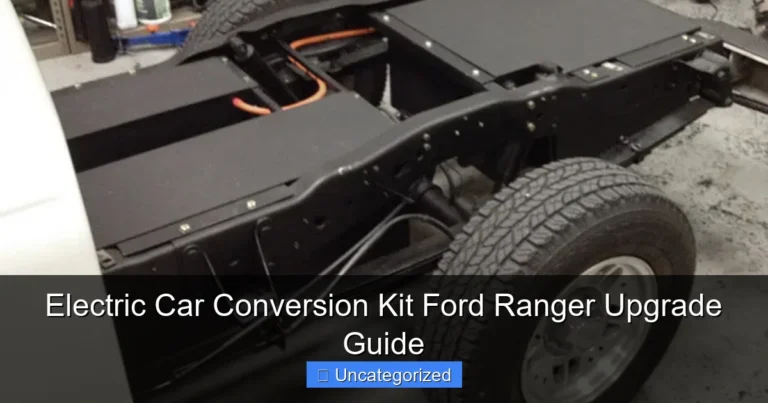
Ford’s foray into electric vehicles didn’t begin with the Mach-E or F-150 Lightning. The company has been quietly experimenting with electrification for decades. In the 1990s, Ford introduced the Th!nk city car and even produced a limited run of electric Ranger trucks. While these early attempts didn’t achieve mainstream success, they laid the groundwork for future innovation. By the 2010s, Ford launched the Focus Electric, a compact EV that offered a modest 76-mile range—a far cry from today’s offerings, but a crucial step in understanding consumer needs and battery limitations.
The turning point came in 2017 with the announcement of the “Ford+ Plan,” a comprehensive strategy to electrify its lineup and reduce carbon emissions. This was followed by the unveiling of the Mustang Mach-E in 2019, a bold move that placed an electric SUV under the legendary Mustang nameplate. The Mach-E wasn’t just a new model—it was a statement. Ford was no longer dabbling in EVs; it was going all-in. The company followed up with the E-Transit electric van in 2021 and the F-150 Lightning in 2022, signaling a commitment to electrifying its most popular and iconic vehicles.
Investing in the Future: Ford’s Manufacturing and Infrastructure
To support its EV ambitions, Ford has made massive investments in manufacturing and charging infrastructure. The company is retooling factories across the U.S., including the Dearborn Truck Plant and Kansas City Assembly Plant, to produce electric trucks and SUVs. The crown jewel of this effort is BlueOval City, a $5.6 billion mega-campus in Tennessee set to open in 2025. This facility will produce next-generation electric trucks and advanced lithium-iron-phosphate (LFP) batteries, reducing reliance on rare earth materials and lowering costs.
On the charging front, Ford has partnered with ChargePoint and Electrify America to provide Ford EV owners with access to over 19,500 fast-charging stations across North America. The FordPass Charging Network offers seamless navigation, real-time availability, and plug-and-charge convenience. Ford also includes a complimentary 250 kWh of fast charging at Electrify America stations with every new EV purchase—a perk that eases the transition for first-time EV buyers.
Ford’s Electric Lineup: Models That Are Changing the Game
Mustang Mach-E: The Electric Pony with Power
The Mustang Mach-E is Ford’s most daring EV yet—a crossover that wears the Mustang badge with pride. Available in rear-wheel drive (RWD) and all-wheel drive (AWD) configurations, the Mach-E delivers up to 480 horsepower and 634 lb-ft of torque in the GT Performance Edition. With a 0-60 mph time of just 3.5 seconds, it’s faster than many gas-powered sports cars. But it’s not all about speed: the Mach-E offers up to 314 miles of EPA-estimated range (on the extended-range RWD model), making it a practical daily driver.
Inside, the Mach-E features a minimalist design with a 15.5-inch touchscreen, SYNC 4A infotainment, and over-the-air (OTA) software updates. A standout feature is the “Unbridled Extend” drive mode, which simulates the sound and feel of a V8 engine—perfect for those who miss the roar of a Mustang. Practical tip: Opt for the Premium trim if you want the extended range and AWD; it’s a great balance of performance and affordability.
F-150 Lightning: The Electric Workhorse
The F-150 Lightning is Ford’s electric take on America’s best-selling vehicle. Retaining the ruggedness of the F-150, it adds instant torque, a massive 1,800-pound payload capacity, and a 2,235-pound towing capacity (with the extended-range battery). The Lightning’s “Mega Power Frunk”—a 14.1-cubic-foot front trunk—offers lockable storage and can even power tools or appliances via its 2.4 kW Pro Power Onboard system. In “Tow” mode, the Lightning can deliver up to 320 miles of range, though towing heavy loads will reduce this.
One of the Lightning’s most innovative features is Intelligent Backup Power. During a power outage, the truck can supply up to 9.6 kW of electricity to a home for three days (or longer with rationing). This makes it not just a vehicle, but a mobile power station. For fleet operators, the Lightning’s Ford Pro Intelligence platform provides real-time diagnostics, remote monitoring, and route optimization—perfect for maximizing efficiency.
E-Transit: Electrifying the Commercial Fleet
The E-Transit is Ford’s answer to the growing demand for electric commercial vehicles. With a 126-mile range, it’s ideal for urban delivery routes, school buses, and service fleets. The E-Transit offers three roof heights and three lengths, with up to 487 cubic feet of cargo space. Unlike gas-powered vans, it produces zero tailpipe emissions and requires less maintenance—no oil changes, spark plugs, or exhaust systems.
Ford Pro, the company’s commercial division, provides E-Transit buyers with end-to-end electrification solutions, including charging infrastructure planning, financing, and data analytics. For example, a bakery using E-Transit vans can track delivery routes, monitor battery usage, and schedule charging during off-peak hours to reduce costs. The E-Transit isn’t just a van—it’s a smart business tool.
Future Models: What’s Next for Ford?
Ford has teased several upcoming EVs, including an electric Explorer and a next-gen electric F-150 with even longer range and faster charging. The company is also exploring electric performance trucks, potentially expanding the Lightning lineup. Rumors suggest a “Project T3” electric van for North America, set to launch in 2025, which could offer modular battery packs and advanced autonomous driving features.
Technology and Innovation: The Brains Behind Ford’s EVs
SYNC 4A and Connected Services
Ford’s SYNC 4A infotainment system is the digital heart of its electric vehicles. Featuring a 12-inch or 15.5-inch touchscreen (depending on model), it supports wireless Apple CarPlay, Android Auto, and Alexa Built-in. The system learns driver preferences over time, offering personalized suggestions for navigation, climate, and media. For example, if you always play jazz music on your commute, SYNC 4A will automatically queue it up.
Connected services include FordPass, a smartphone app that lets you remote start, lock/unlock, locate charging stations, and even schedule charging during off-peak hours. The “BlueCruise” hands-free driving system (available on Mach-E and Lightning) allows for autonomous highway driving on over 130,000 miles of pre-mapped roads. While not full self-driving, it reduces driver fatigue on long trips.
Battery Technology and Charging Speed
Ford uses lithium-ion (NMC) batteries in most of its EVs, with a shift toward LFP (lithium-iron-phosphate) batteries for entry-level models. LFP batteries are cheaper, safer, and longer-lasting, though they offer slightly less energy density. The Mach-E and Lightning support DC fast charging at up to 150 kW, adding 61 miles of range in just 10 minutes (Mach-E) or 54 miles (Lightning). For home charging, Ford recommends a 48-amp Level 2 charger, which can fully charge the Mach-E in about 8-10 hours.
Pro tip: Use the FordPass app to precondition your battery before fast charging. Warming the battery to an optimal temperature (via the app while still plugged in) can improve charging speed by up to 20%.
Vehicle-to-Everything (V2X) Capabilities
Ford’s EVs are designed for V2X (Vehicle-to-Everything) communication. The F-150 Lightning’s Pro Power Onboard system can power tools, homes, or even other EVs. The Mach-E supports vehicle-to-grid (V2G) technology, allowing it to feed electricity back into the grid during peak demand. Ford is also testing vehicle-to-home (V2H) systems, where EVs act as backup power sources during outages.
Cost, Incentives, and Ownership Experience
Pricing and Trim Levels
Ford’s electric vehicles are competitively priced, with incentives making them even more affordable. Here’s a breakdown of starting MSRPs (as of 2023):
| Model | Starting MSRP | Key Trims | Range (EPA) |
|---|---|---|---|
| Mustang Mach-E | $42,995 | Select, Premium, GT, GT Performance | 247–314 miles |
| F-150 Lightning | $49,995 | Pro, XLT, Lariat, Platinum | 240–320 miles |
| E-Transit | $49,595 | Cargo Van, Cutaway, Chassis Cab | 126 miles |
Note: Prices exclude destination fees and may vary by region. The Pro trim of the Lightning is aimed at fleet buyers, while the GT and Platinum trims target performance and luxury seekers.
Federal and State Incentives
Ford’s EVs qualify for the federal EV tax credit of up to $7,500 (if they meet battery component and assembly requirements). Many states and utility companies offer additional rebates. For example:
- California: Clean Vehicle Rebate Project (CVRP) offers up to $4,500.
- New York: Drive Clean Rebate provides $2,000.
- Colorado: State tax credit of $5,000.
Pro tip: Check the Database of State Incentives for Renewables & Efficiency (DSIRE) for local programs. Some utilities offer free Level 2 chargers or discounted electricity rates for EV owners.
Maintenance and Total Cost of Ownership
EVs have significantly lower maintenance costs than gas-powered cars. With no oil changes, spark plugs, or exhaust systems, Ford’s electric cars require only:
- Tire rotations and replacements
- Brake pad inspections (regenerative braking reduces wear)
- Cabin air filter changes
- Coolant and battery system checks
According to Consumer Reports, EV owners save an average of $6,000–$10,000 over 200,000 miles compared to gas vehicles. Ford also offers 8-year/100,000-mile battery and electric drive component warranties, providing long-term peace of mind.
Ford vs. The Competition: How Do They Stack Up?
Performance and Range Comparison
Ford’s EVs hold their own against rivals like Tesla, Chevrolet, and Hyundai. The Mach-E’s range and power rival the Tesla Model Y, while the Lightning’s towing and frunk size surpass the Rivian R1T. The E-Transit is the only electric van with Pro Power Onboard and Intelligent Backup Power, giving it an edge over the Mercedes eSprinter and Ram ProMaster Electric.
Charging Network and Convenience
While Tesla’s Supercharger network is extensive, Ford’s partnership with Electrify America ensures fast, reliable charging. Ford EVs also support the North American Charging Standard (NACS) starting in 2025, granting access to Tesla Superchargers via an adapter. This future-proofing is a major advantage over brands that haven’t committed to NACS.
Brand Loyalty and Resale Value
Ford’s reputation for reliability and customer service gives its EVs strong resale value. The F-150 Lightning, in particular, is expected to retain 60–65% of its value after three years, comparable to the best-selling F-150. Ford’s “Blue Advantage” certified pre-owned program also includes EVs, offering extended warranties and roadside assistance.
Conclusion: Embrace the Electric Revolution with Ford
Ford’s electric cars aren’t just a response to changing times—they’re a bold vision for the future. From the thrilling performance of the Mustang Mach-E to the groundbreaking utility of the F-150 Lightning, Ford has proven that electric vehicles can be powerful, practical, and profitable. With cutting-edge technology, a growing charging network, and a commitment to affordability, Ford is making the switch to electric easier than ever.
The message is clear: the future of driving is here, and it’s electric. Whether you’re a commuter, a tradesperson, or a family on the go, Ford’s lineup has an EV that fits your lifestyle. So why wait? Visit a Ford dealer today, take a test drive, and experience the silent power, instant acceleration, and lower costs that only an electric Ford can deliver. The road ahead is bright—and it’s powered by Ford.
Frequently Asked Questions
What are the most popular Ford electric cars available today?
Ford’s electric cars lineup includes standout models like the Mustang Mach-E, F-150 Lightning, and the E-Transit van. These vehicles combine performance, innovation, and practicality, making them top choices in the EV market.
How long does it take to charge a Ford electric car?
Charging times for Ford electric cars vary by model and charger type. Using a DC fast charger, the Mustang Mach-E can reach 80% in about 40 minutes, while home Level 2 charging typically takes 8-10 hours for a full charge.
What is the driving range of Ford’s electric cars?
Ford’s electric cars offer competitive ranges: the F-150 Lightning delivers up to 320 miles, while the Mustang Mach-E can go up to 314 miles on a single charge. Actual range depends on driving conditions and battery configuration.
Does Ford offer incentives or tax credits for its electric vehicles?
Yes, many Ford electric cars qualify for federal tax credits up to $7,500, depending on battery sourcing and buyer eligibility. State and local incentives may also apply, making Ford’s EVs more affordable.
Are Ford’s electric cars reliable compared to traditional gas models?
Ford’s electric cars are engineered with the same reliability standards as their gas counterparts, backed by extensive testing and warranties. EVs also have fewer moving parts, reducing long-term maintenance concerns.
Can I use Ford’s electric cars for off-road or rugged terrain?
Absolutely—the F-150 Lightning and Mustang Mach-E offer all-wheel drive and advanced traction systems, making them capable of handling off-road adventures. The F-150 Lightning’s “Pro Power Onboard” even doubles as a mobile power source.