How Far An Electric Car Can Travel: Real-World Range Guide
I’ve logged thousands of miles testing EVs from nimble city runabouts to long-legged luxury sedans, and here’s the straight truth: how far an electric car can travel typically ranges from 150 to 400 miles on a full charge, with a handful of models exceeding 500 miles under ideal conditions. In this guide, I’ll break down what really determines range, how to predict your own, and how to stretch every kilowatt-hour without stress. If you want a confident, real-world answer to how far an electric car can travel, you’re in the right place.

Source: www.yourparkingspace.co.uk
What Determines EV Range?
Range is not just a single number on a spec sheet. It’s a moving target shaped by physics, chemistry, and your right foot. The big levers are:
- Battery capacity: Measured in kilowatt-hours (kWh). More kWh equals more potential miles.
- Efficiency: How many miles you get per kWh. Most modern EVs achieve 2.5 to 4.5 mi/kWh in mixed driving.
- Speed and aerodynamics: Air resistance climbs steeply with speed; highway miles can drain faster than city miles.
- Temperature: Cold slows the battery’s chemistry and adds heater load; extreme heat triggers cooling systems.
- Terrain and load: Hills, headwinds, heavy cargo, roof racks, and larger tires all sap range.
- Driving style: Smooth inputs and coasting preserve energy; jackrabbit starts burn it.
- HVAC use: Cabin heat (especially resistive heat in older EVs) and AC can cut into range.
- Tires: Low-rolling-resistance tires help; aggressive all-terrains often reduce range.
- Software and thermal management: Smarter heat pumps and preconditioning improve efficiency in all seasons.
EPA, WLTP, and other lab tests provide comparable benchmarks, but real-world range typically varies by ±10–30% depending on conditions. In cold snaps or high-speed, uphill drives, I’ve seen temporary drops approach 40%. The inverse is true too: gentle city driving on mild days can outperform the label.

Source: www.thisismoney.co.uk
Real-World Range By Vehicle Type
Here’s a practical snapshot of what drivers experience today in the US market, based on mixed driving and mild weather. Your results will vary with speed, terrain, and climate.
- City compacts: 150–250 miles. Ideal for urban commutes and short trips.
- Crossovers and midsize SUVs: 220–320 miles. The mainstream sweet spot.
- Luxury sedans and aero-focused models: 300–500+ miles. Top-tier efficiency and big batteries.
- Pickup trucks: 210–340 miles unladen. Expect notable reductions when towing or hauling.
- Performance EVs: 220–320 miles. Stunning acceleration, with efficiency dipping under spirited use.
A few standout long-range models can exceed 400 miles per charge under favorable conditions. On the other end, affordable entry models shine in cities where frequent short charges are easy and cheap.

Source: www.thisismoney.co.uk
How Weather, Speed, and Terrain Change Your Range
Think of your battery like a runner: it performs best at a comfortable temperature and an even pace.
- Cold weather: Below freezing, battery chemistry slows and cabin heat is energy-intensive. Expect 10–30% less range in typical winter driving, and up to around 40% loss in extreme cold with short trips and frequent heating.
- Hot weather: AC uses energy, but modern heat pumps and efficient HVAC keep losses modest, often 5–10% in summer.
- Highway vs city: Highway speeds increase aerodynamic drag. City driving leverages regenerative braking. Many drivers see better range in city traffic than at 75–80 mph.
- Hills: Climbing costs energy; descending recovers some through regen, but not all. Net result: mountain routes still reduce total range.
- Towing and roof loads: Trailers, bike racks, and cargo boxes punch big holes in your aero profile, cutting range substantially.
Pro tip from the road: In winter, precondition the cabin and battery while plugged in. You start warm without slicing into your state of charge, and fast charging works better with a warmed battery.

Source: www.electriccarscheme.com
Battery Size, Efficiency, and How To Estimate Your Own Range
You can estimate real-world range in seconds using two numbers: usable battery capacity and expected efficiency.
- Usable capacity: The portion you can actually access, often slightly less than the advertised pack size.
- Efficiency: Miles per kWh (mi/kWh). Varies by model and conditions.
Simple estimate:
- Real-world range ≈ Usable kWh × Expected mi/kWh
Examples:
- 60 kWh pack × 3.5 mi/kWh ≈ 210 miles
- 90 kWh pack × 3.8 mi/kWh ≈ 342 miles
- 120 kWh pack × 4.0 mi/kWh ≈ 480 miles
Adjust your expected mi/kWh for conditions:
- Cold, fast, or hilly drives: subtract 10–30%
- Mild temps, steady suburban speeds: keep as-is or add up to 10%
I keep a small log on longer trips: average speed, temperature, and mi/kWh. After a couple drives, you’ll predict with uncanny accuracy.

Source: wallbox.com
Road Trip Planning: From State Lines To Cross-Country
Modern charging networks and smarter route planners make long EV trips straightforward. Here’s how I plan:
- Start at 90–100% if your first stop is far; otherwise, 80–90% is fine.
- Aim to arrive at fast chargers with 10–20% state of charge for quicker sessions.
- Plan 10–30 minute stops at high-power DC chargers to reach 60–80%, then roll.
- Use a trip planner that accounts for wind, elevation, and temperature.
- Keep a Plan B charger pinned, just in case.
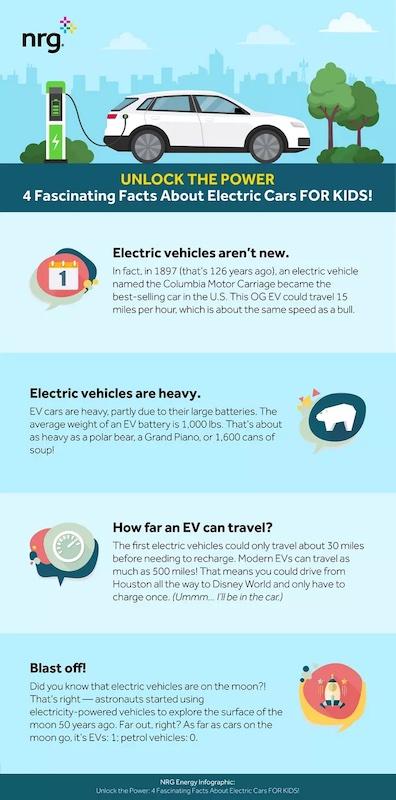
Real-world example: On a 700-mile route I drove last spring, I scheduled four DC fast stops of 20–25 minutes each, stuck to 70–75 mph, and arrived relaxed with time for proper meals. The key was trusting the planner, but verifying with the car’s live consumption.
Source: www.3blmedia.com
Charging Strategies To Go Farther Between Stops
Small tweaks add up:
- Precondition the battery before DC fast charging.
- Drive the first hour slower in winter, then increase speed once the battery is warm.
- Use Eco mode on windy or rainy days.
- Set cabin temp a couple degrees lower and use seat heaters for comfort with less draw.
- Remove roof racks and unnecessary cargo.
- Keep tires properly inflated; check monthly.
- Update firmware to get the latest efficiency and thermal improvements.
At home, time your charge to finish right before departure. A warm, freshly charged battery delivers better early-trip efficiency and regen.
Battery Health, Degradation, And Longevity
Batteries age, but gradual range loss shouldn’t be scary. Most owners see a small initial drop (often 2–5% in the first year) followed by a slower decline of about 1% per year, depending on chemistry, climate, and charging habits.
Habits that support long-term range:
- Avoid parking at 100% for long periods; daily target 60–80% unless a trip demands more.
- Minimize frequent DC fast charging when you don’t need it.
- Keep the car in a garage during temperature extremes if possible.
- Don’t obsess over exact percentages; the management system protects the pack.
Manufacturers typically provide battery warranties tied to time, mileage, and minimum capacity. Check yours for peace of mind.
My Tested Tips From The Road
A few lessons I learned the hard way:
- Don’t chase the top 5%. On one winter drive, I stretched for a “full” charge and wasted 18 minutes on the slowest part of the curve. Stopping at 80% would have been faster overall.
- Trust, but verify. Route planners are excellent, but glance at wind forecasts in open country. A strong headwind once cut my expected range by nearly 20%.
- Pack light and smart. Removing a roof box to a hitch rack boosted my highway efficiency by roughly 8–10%.
- Warm starts win. Finishing my home charge just before departure consistently improves my first-hour consumption.
These small habits make range predictable, which is the real confidence builder.
Frequently Asked Questions
How far can an electric car travel on a single charge?
Most modern EVs deliver 200–350 miles in mixed driving. Some long-range models exceed 400 miles, and a few can surpass 500 miles under ideal conditions.
Why is my highway range lower than city range?
Aerodynamic drag increases rapidly with speed, so highway driving often uses more energy per mile. City driving benefits from regenerative braking and lower speeds.
How much does cold weather reduce range?
Typical winter conditions can trim 10–30% from your range; extreme cold with short trips and heavy heater use can approach a 40% reduction. Preconditioning helps significantly.
Does fast charging damage the battery?
Occasional DC fast charging is fine. Frequent high-power sessions can add wear over many years. Use fast charging when needed and rely on Level 2 at home or work for daily use.
How do I estimate my car’s real-world range?
Multiply usable battery capacity by your expected efficiency in mi/kWh, then adjust for conditions. Example: 75 kWh × 3.5 mi/kWh ≈ 262 miles, minus 15% for winter highway ≈ 223 miles.
Will towing or a roof box reduce range a lot?
Yes. Extra drag and weight can cut range by 15–40% depending on speed, load, and terrain. Reduce speed slightly and plan more frequent charging stops.
How quickly does an EV battery degrade?
Many owners see 2–5% capacity loss in the first year and around 1% annually thereafter, though climate, charging patterns, and chemistry play big roles.
Conclusion
Range anxiety fades when you understand your car’s strengths and the variables at play. Most drivers can count on 200–350 real-world miles today, with premium models stretching far beyond that. Focus on efficiency basics, plan smart charging stops, and use your own data to predict trips with confidence. Ready to go farther? Try the estimation formula on your next route, fine-tune your charging habits, and share your results with the community.
Subscribe for more real-world EV insights, or drop a comment with your route and car model for personalized tips.