How Much Are Nissan Electric Cars A Complete Price Breakdown

Featured image for how much are nissan electric cars
Image source: images.squarespace-cdn.com
Nissan electric cars start at just $27,400 for the 2024 Leaf S, making them one of the most affordable EVs on the market, with higher trims and the longer-range Leaf SV Plus reaching up to $38,000. With federal tax credits potentially slashing prices by $7,500, Nissan offers compelling value for budget-conscious buyers seeking reliable, eco-friendly transportation.
Key Takeaways
- Nissan EVs start under $30K—budget-friendly options like the Leaf offer great value.
- Lease deals often beat buying—monthly payments can be lower than financing.
- Federal tax credits apply—save up to $7,500 on qualifying models.
- Ariya pricing scales fast—higher trims exceed $50K with premium features.
- Charging costs are predictable—home charging averages $0.03–$0.05 per mile.
- Resale values lag rivals—factor in depreciation when buying long-term.
📑 Table of Contents
- Introduction to Nissan Electric Cars: A New Era of Mobility
- Nissan LEAF: The Affordable Entry Point to Electric Driving
- Nissan Ariya: The Premium SUV for Modern Families
- Upcoming Nissan Electric Models: What’s on the Horizon?
- Understanding the Total Cost of Ownership (TCO)
- Regional Pricing, Incentives, and Financing Options
- Conclusion: Choosing the Right Nissan Electric Car for Your Budget
Introduction to Nissan Electric Cars: A New Era of Mobility
The automotive industry is undergoing a revolutionary shift toward sustainability, and Nissan electric cars are at the forefront of this transformation. With over a decade of experience in electric mobility—pioneered by the legendary Nissan LEAF—the Japanese automaker continues to innovate, offering a growing lineup of electric vehicles (EVs) that combine cutting-edge technology, eco-conscious design, and competitive pricing. As governments worldwide tighten emissions regulations and consumers seek more cost-effective and environmentally friendly transportation, Nissan’s commitment to electrification has never been more relevant.
If you’re considering making the switch to electric, one of the first questions you’re likely asking is: How much are Nissan electric cars? The answer isn’t as simple as a single price tag. Nissan offers a diverse range of EVs tailored to different budgets, lifestyles, and driving needs. From the affordable and practical Nissan LEAF to the upcoming high-performance Nissan Ariya SUV, the pricing structure varies significantly based on trim levels, battery configurations, available incentives, and regional differences. In this comprehensive guide, we’ll break down the current and upcoming Nissan electric car prices, explore the features and value each model delivers, and help you determine which Nissan EV offers the best bang for your buck.
Nissan LEAF: The Affordable Entry Point to Electric Driving
Overview of the Nissan LEAF Lineup
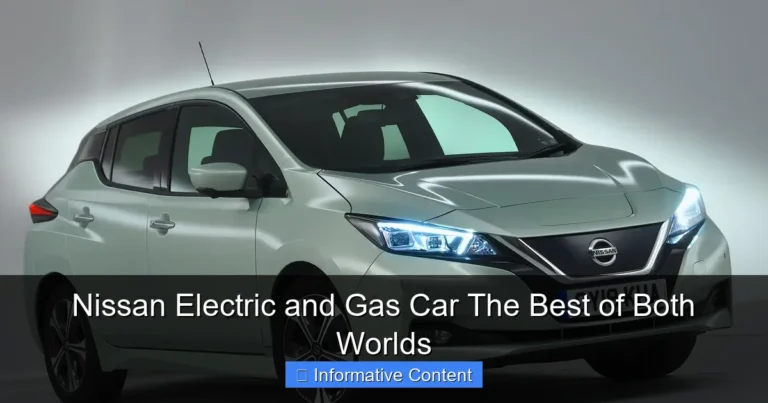
The Nissan LEAF remains the cornerstone of Nissan’s electric strategy and one of the best-selling EVs globally. First introduced in 2010, the LEAF has evolved into a reliable, efficient, and accessible electric hatchback. As of 2024, the LEAF is available in two primary configurations: the LEAF S (40 kWh battery) and the LEAF SV/SL (62 kWh battery), each offering different ranges, features, and price points.

Visual guide about how much are nissan electric cars
Image source: images.squarespace-cdn.com
The base LEAF S starts at an MSRP of $28,040, making it one of the most affordable new EVs on the market. This model features a 40 kWh lithium-ion battery and delivers an EPA-estimated range of 149 miles. While not suited for long-distance travel, it’s ideal for city dwellers, commuters, and first-time EV buyers. The higher-tier LEAF SV Plus and SL Plus, equipped with a 62 kWh battery, offer a significantly improved range of 212 miles and start at $36,040 and $38,540, respectively. These models include enhanced tech features, faster charging capability, and more comfort amenities.
Key Features and Value Proposition
- E-Pedal Technology: Allows one-pedal driving by combining regenerative braking and acceleration, reducing driver fatigue and increasing efficiency.
- Standard Safety Suite (Nissan Safety Shield 360): Includes automatic emergency braking, blind-spot monitoring, rear cross-traffic alert, and lane departure warning.
- Infotainment System: 8-inch touchscreen with Apple CarPlay, Android Auto, and available NissanConnect services.
- Charging Flexibility: Supports Level 1 (120V), Level 2 (240V), and DC fast charging (up to 100 kW on Plus models).
For budget-conscious buyers, the LEAF S offers unmatched value. For example, a driver with a daily commute of 30 miles could go nearly a week without charging, and with a home Level 2 charger (costing $500–$1,500 to install), overnight charging becomes seamless. The LEAF also qualifies for the full $7,500 federal tax credit in the U.S. (as of 2024), effectively reducing the base price to $20,540—a compelling deal for a brand-new EV.
Real-World Cost Considerations
Beyond the sticker price, consider long-term savings:
- Fuel Savings: At $0.14/kWh, a full charge costs about $6–$9, compared to $30+ for a gas car.
- Maintenance: EVs have fewer moving parts—no oil changes, spark plugs, or exhaust systems—saving hundreds annually.
- State Incentives: Many states offer additional rebates (e.g., California’s $2,000 Clean Vehicle Rebate), further lowering ownership costs.
Tip: Check the U.S. Department of Energy’s Alternative Fuels Data Center for up-to-date local incentives.
Nissan Ariya: The Premium SUV for Modern Families
Introducing the Nissan Ariya: A Leap Forward
The Nissan Ariya marks a significant upgrade in Nissan’s EV lineup, representing the brand’s first all-electric crossover SUV. With sleek styling, advanced technology, and a spacious interior, the Ariya targets families and tech-savvy drivers seeking a premium EV experience. Unlike the LEAF, the Ariya is built on a dedicated EV platform (CMF-EV), allowing for better performance, longer range, and more interior space.
The Ariya is offered in multiple trims and battery configurations:
- Ariya Engage (63 kWh FWD): $43,190, 216-mile range
- Ariya Venture+ (87 kWh FWD): $47,190, 304-mile range
- Ariya Evolve+ (87 kWh FWD): $50,190, 289-mile range (slightly lower due to larger wheels)
- Ariya Premiere (87 kWh AWD): $54,690, 272-mile range
- Ariya Platinum+ (87 kWh AWD): $58,190, 267-mile range
Advanced Features and Performance
The Ariya brings several innovations to the table:
- Dual-Motor e-4ORCE AWD: Available on higher trims, this system provides balanced handling, improved traction, and a 0–60 mph time of around 4.8 seconds (Platinum+).
- ProPILOT Assist 2.0: A semi-autonomous driving system that supports hands-off driving on highways (with driver supervision).
- 12.3-inch Digital Dashboard + 12.3-inch Touchscreen: A futuristic cockpit with over-the-air (OTA) software updates.
- Vehicle-to-Grid (V2G) Capability: Future-ready tech that allows the Ariya to supply power back to the grid or home during outages (coming via OTA update).
The Ariya Venture+ stands out as the sweet spot in the lineup. With a 304-mile range, it’s suitable for weekend getaways and cross-country trips with minimal charging stops. It also includes key features like heated front seats, a panoramic moonroof, and wireless Apple CarPlay. After the $7,500 federal tax credit, the effective price drops to $39,690—a competitive price for a long-range electric SUV.
Ownership Experience and Charging
The Ariya supports DC fast charging up to 130 kW, allowing a 20–80% charge in about 35 minutes. At home, a Level 2 charger can fully recharge the 87 kWh battery in 9–10 hours. Nissan also offers a free 120 kW charging credit at Electrify America stations for the first 24 months, adding significant value.
Pro Tip: If you live in a region with extreme weather (e.g., Minnesota or Arizona), consider the AWD models for better cold-weather performance and battery thermal management.
Upcoming Nissan Electric Models: What’s on the Horizon?
Nissan’s Electrification Roadmap: Beyond the LEAF and Ariya
Nissan has committed to launching 19 new electric models by 2030, with 23 electrified vehicles (EVs and hybrids) in total. This aggressive strategy aims to make 40% of global sales electric by 2026 and 60% by 2030. While the LEAF and Ariya are the current flagships, several exciting models are on the horizon that will expand Nissan’s EV portfolio and price range.
Expected Models and Price Projections
- Nissan Chill-Out (2025): A compact SUV based on the Ariya’s platform, expected to start around $35,000–$40,000. Designed for urban environments with a 250+ mile range and fast charging.
- Nissan Max-Out (2026): A futuristic, low-slung coupe with a potential starting price of $45,000–$50,000. Could feature solid-state battery technology for 400+ mile range.
- Nissan Surf-Out (2025): A rugged, off-road-oriented electric pickup truck concept, likely priced between $50,000–$60,000 to compete with the Ford F-150 Lightning and Rivian R1T.
- Next-Gen LEAF (2025–2026): Expected to be redesigned with a longer range (250+ miles), faster charging, and a lower starting price (~$25,000) to maintain competitiveness.
These models reflect Nissan’s strategy to cover every segment: from affordable city cars to high-performance SUVs and utility vehicles. The Chill-Out, in particular, could become a direct rival to the Tesla Model Y and Hyundai Ioniq 5, offering a more affordable entry point into the premium compact SUV EV market.
Impact of Solid-State Batteries
One of the most anticipated developments is Nissan’s solid-state battery (ASSB) technology, set for mass production by 2028. These batteries promise:
- 50% faster charging times
- Double the energy density (enabling 600+ mile range)
- Reduced manufacturing costs over time
While initial models with ASSB may be premium-priced, long-term cost reductions could make EVs even more affordable. Nissan plans to launch its first ASSB-powered vehicle by 2028, potentially priced around $60,000–$70,000 but with unmatched performance and efficiency.
Understanding the Total Cost of Ownership (TCO)
Beyond the Sticker Price: What You Really Pay
When asking “How much are Nissan electric cars?”, it’s essential to look beyond the MSRP. The Total Cost of Ownership (TCO) includes purchase price, taxes, insurance, fuel, maintenance, depreciation, and resale value. EVs often have higher upfront costs but lower long-term expenses.
Cost Comparison: Nissan LEAF vs. Gas-Powered Compact Car
| Cost Factor | Nissan LEAF S (40 kWh) | Honda Civic EX (Gas) |
|---|---|---|
| MSRP | $28,040 | $25,000 |
| Federal Tax Credit | $7,500 | $0 |
| Effective Purchase Price | $20,540 | $25,000 |
| 5-Year Fuel Cost (12,000 miles/year) | $4,200 | $10,800 |
| 5-Year Maintenance | $1,500 | $3,000 |
| 5-Year Insurance | $6,000 | $5,500 |
| 5-Year TCO | $32,240 | $44,300 |
As the table shows, the LEAF saves nearly $12,000 over five years compared to a comparable gas car. This gap widens with higher annual mileage or in states with expensive fuel.
Depreciation and Resale Value
Historically, EVs depreciated faster than gas cars, but this trend is reversing. The Nissan LEAF has a 5-year resale value of around 45–50%, while the Ariya is expected to retain 50–55% due to higher demand for modern EVs. By contrast, the Honda Civic retains about 55–60%, but the LEAF’s lower TCO still makes it a smarter long-term investment.
Tip: Consider leasing if you’re unsure about long-term ownership. Nissan often offers competitive lease deals (e.g., $299/month for 36 months on the LEAF S with $3,000 due at signing).
Regional Pricing, Incentives, and Financing Options
How Location Affects Nissan EV Prices
Nissan electric car prices vary by region due to:
- State Taxes and Fees: Some states charge additional EV registration fees (e.g., $200/year in Oregon).
- Dealer Markups: In high-demand areas, dealers may add markups (rare on Nissan EVs, but possible on Ariya trims).
- Local Incentives: States like Colorado, New York, and Massachusetts offer additional rebates ($1,000–$5,000).
- Utility Company Programs: Some utilities provide free Level 2 charger installation (e.g., Southern California Edison).
For example, a Nissan Ariya Venture+ priced at $47,190 in Texas could cost $44,690 in California after the $2,500 Clean Fuel Reward and federal tax credit.
Financing and Leasing Options
Nissan Financial Services offers:
- Low APR Financing: As low as 1.99% for 36 months on select models (2024).
- Lease Programs: $299–$499/month depending on model and down payment.
- EV-Specific Loans: Some credit unions offer green loans with lower rates for EVs.
Pro Tip: Always compare dealer financing with third-party lenders. A 0.5% lower APR can save hundreds over a 5-year loan.
Charging Infrastructure and Hidden Savings
Many employers, shopping malls, and public parking lots now offer free Level 2 charging. Apps like PlugShare help locate these stations. Over time, free charging can offset hundreds in electricity costs.
Conclusion: Choosing the Right Nissan Electric Car for Your Budget
So, how much are Nissan electric cars? The answer spans a wide spectrum: from the $28,040 Nissan LEAF S to the $58,190 Ariya Platinum+, with several models and trims in between. But price is just one piece of the puzzle. When you factor in federal and state incentives, fuel savings, lower maintenance, and long-term TCO, Nissan EVs often deliver exceptional value.
For first-time EV buyers or urban commuters, the Nissan LEAF remains a smart, affordable choice. Families and adventure seekers will appreciate the Nissan Ariya’s spacious interior, long range, and advanced tech. And with exciting upcoming models like the Chill-Out and Surf-Out, Nissan is poised to offer something for every budget and lifestyle.
Ultimately, the best Nissan electric car for you depends on your driving needs, budget, and access to charging. Take advantage of test drives, compare incentives, and consider the full cost of ownership—not just the sticker price. With Nissan’s proven reliability, growing EV lineup, and commitment to innovation, switching to electric has never been more accessible or rewarding.
Ready to make the leap? Visit your local Nissan dealer, explore current incentives, and experience the quiet, smooth ride of a Nissan EV today. The future of driving is electric—and it’s more affordable than you think.
Frequently Asked Questions
How much are Nissan electric cars compared to other brands?
Nissan electric cars, like the Leaf and Ariya, are competitively priced, typically ranging from $28,000 to $60,000. They offer a more budget-friendly entry into EVs compared to Tesla or Ford Mustang Mach-E models.
What is the starting price of the Nissan Leaf?
The Nissan Leaf starts at around $28,000 for the base S trim, making it one of the most affordable electric cars on the market. Higher trims like the SV Plus can reach up to $37,000.
How much are Nissan electric cars after federal tax credits?
With the $7,500 federal tax credit, Nissan Leaf prices can drop to $20,500 for the base model. The Ariya may also qualify, reducing its effective cost depending on trim and eligibility.
Does the Nissan Ariya have a higher price than the Leaf?
Yes, the Nissan Ariya starts at approximately $43,000, significantly higher than the Leaf. Its premium design, longer range, and advanced tech justify the increased cost for many buyers.
Are there additional costs when buying a Nissan electric car?
Yes, consider expenses like home charging installation ($1,000-$2,000) and optional upgrades (e.g., ProPILOT Assist). However, lower maintenance and fuel costs help offset these over time.
How much are Nissan electric cars with optional features?
Adding features like premium audio, larger wheels, or advanced driver aids can increase the price by $2,000-$10,000. For example, the Ariya Platinum trim tops out near $60,000.