How Much Does a Nissan Leaf Electric Car Cost in 2024

Featured image for how much does a nissan leaf electric car cost
Image source: i.pinimg.com
The 2024 Nissan Leaf starts at $28,140, making it one of the most affordable electric vehicles on the market, with the well-equipped SV Plus trim priced at $36,190. With federal tax credits up to $7,500, the effective cost can drop significantly, offering strong value for budget-savvy EV buyers.
Key Takeaways
- 2024 Leaf starts at $28,140 before incentives, making it a budget-friendly EV.
- Federal tax credits up to $7,500 may apply, reducing the effective cost significantly.
- Higher trims exceed $36,000 with added tech and comfort features.
- Charging costs average $6–$8 per full charge, depending on local electricity rates.
- Lower maintenance than gas cars saves hundreds annually in service and repairs.
- Resale values are improving but still lag behind top rivals like Tesla.
📑 Table of Contents
- How Much Does a Nissan Leaf Electric Car Cost in 2024?
- 2024 Nissan Leaf Base Models and Pricing
- Federal and State Incentives That Reduce the Cost
- Charging Costs: What It Really Costs to “Fuel” a Leaf
- Insurance, Maintenance, and Long-Term Ownership Costs
- Financing, Leasing, and Total Cost of Ownership Comparison
- Final Thoughts: Is the Nissan Leaf Worth the Cost in 2024?
How Much Does a Nissan Leaf Electric Car Cost in 2024?
The Nissan Leaf has long been a trailblazer in the electric vehicle (EV) market, offering an affordable and accessible entry point for drivers looking to transition from gas-powered cars to sustainable transportation. Since its debut in 2010, the Leaf has evolved significantly, boasting improved battery technology, extended range, and a more refined driving experience. As we move into 2024, the question on every eco-conscious buyer’s mind is: How much does a Nissan Leaf electric car cost in 2024? Whether you’re a first-time EV buyer or a seasoned green driver, understanding the pricing structure, available trims, incentives, and long-term value is crucial to making an informed decision.
In 2024, the Nissan Leaf lineup continues to offer two distinct models—the standard Leaf and the more powerful Leaf Plus—catering to a wide range of budgets and driving needs. With rising fuel prices, increasing environmental awareness, and expanded EV infrastructure, the Leaf remains one of the most practical and cost-effective electric vehicles on the market. This comprehensive guide will walk you through the full cost breakdown, including base prices, available trims, federal and state incentives, charging costs, insurance, maintenance, and real-world ownership expenses. By the end, you’ll have a clear picture of what to expect when purchasing a Nissan Leaf in 2024 and whether it fits your lifestyle and financial goals.
2024 Nissan Leaf Base Models and Pricing
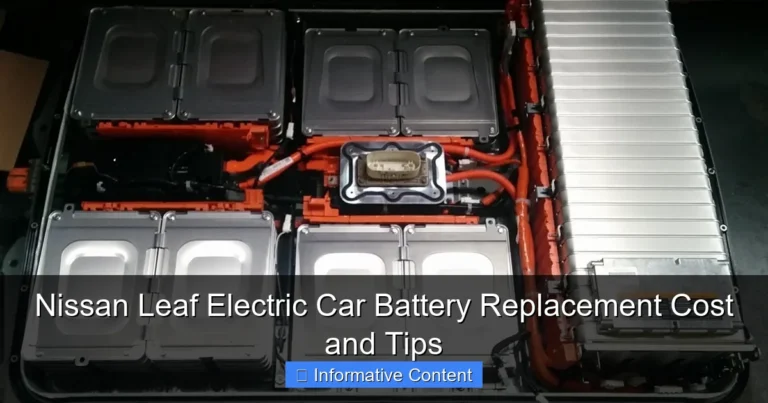
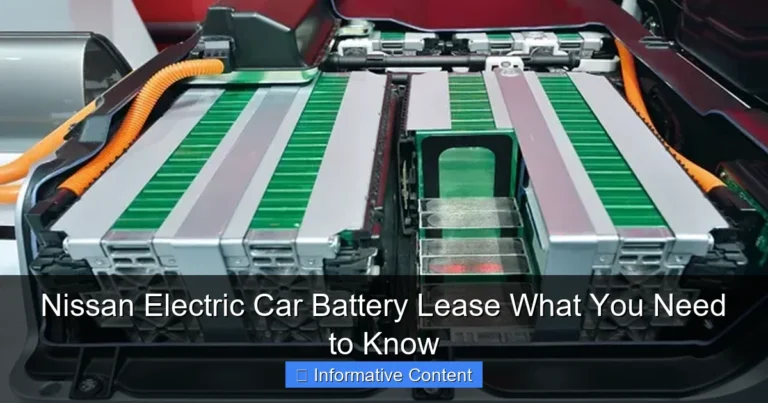
The 2024 Nissan Leaf is available in several trims across two main variants: the standard Leaf (40 kWh battery) and the Leaf Plus (62 kWh battery). Each variant offers multiple trim levels with increasing levels of features, technology, and comfort. Understanding the base models and their starting prices is the first step in evaluating the overall cost.

Visual guide about how much does a nissan leaf electric car cost
Image source: images.squarespace-cdn.com
Standard Nissan Leaf (40 kWh Battery)
The standard Leaf is designed for city commuters and drivers with shorter daily commutes. It features a 40 kWh lithium-ion battery pack, offering an EPA-estimated range of 149 miles on a single charge. This model is ideal for urban dwellers, second-car households, or those who primarily drive within city limits.
- Leaf S (Base Trim): Starting at $28,040 (MSRP). Includes 16-inch steel wheels, 8-inch touchscreen, Apple CarPlay, Android Auto, Nissan Safety Shield 360, and a 6.6 kW onboard charger.
- Leaf SV: Starting at $30,440. Adds 17-inch alloy wheels, NissanConnect with navigation, remote climate control, and ProPILOT Assist (adaptive cruise control with lane centering).
- Leaf SL: Starting at $33,440. Includes heated front seats, leather-appointed interior, LED headlights, 360-degree camera, and a Bose premium audio system.
Tip: The Leaf S is the most budget-friendly option, but the Leaf SV offers the best value for most buyers due to the inclusion of ProPILOT Assist and navigation—features that enhance both safety and convenience.
Nissan Leaf Plus (62 kWh Battery)
The Leaf Plus is aimed at drivers who need more range and power for highway driving or longer commutes. With a larger 62 kWh battery, it delivers an EPA-estimated 212 miles of range and a more robust 214 horsepower motor—significantly improving acceleration and driving dynamics.
- Leaf Plus S: Starting at $36,540. Includes the same features as the standard Leaf S but with the extended battery and higher output motor.
- Leaf Plus SV: Starting at $38,940. Adds all SV features plus the larger battery and 17-inch wheels with aerodynamic covers.
- Leaf Plus SL: Starting at $41,940. Top-tier trim with all SL features, including premium audio, heated steering wheel, and advanced driver-assist systems.
Example: A driver in Denver with a 60-mile round-trip commute would benefit from the Leaf Plus SV, as it provides a buffer for cold-weather range reduction and highway driving, reducing range anxiety.
Federal and State Incentives That Reduce the Cost
One of the most significant factors affecting the real cost of a Nissan Leaf in 2024 is the availability of government incentives. These tax credits and rebates can dramatically lower the upfront price, making EVs more competitive with traditional vehicles. However, eligibility depends on your income, vehicle battery size, and where you live.
Federal Tax Credit (Clean Vehicle Credit)
Under the Inflation Reduction Act (IRA) of 2022, the federal tax credit for new EVs has been revised. As of 2024, the Nissan Leaf qualifies for a $3,750 federal tax credit, provided it meets specific criteria:
- Final assembly must be in North America (Nissan Leaf is built in Tennessee).
- Vehicle MSRP must be under $55,000 (all Leaf trims qualify).
- Buyer must have sufficient tax liability to claim the credit (non-refundable).
Important: Unlike previous versions, the credit is now non-refundable and cannot be transferred at the point of sale unless you qualify for the new “transferability” rule (available to buyers with adjusted gross income under $150,000 for single filers, $300,000 for joint filers). This means you can receive the credit as a discount at the dealership if you meet income limits.
Tip: Consult a tax advisor to ensure you qualify. Even if you can’t claim the full credit this year, unused portions can be carried forward to future tax years.
State and Local Incentives
Beyond the federal credit, many states offer additional rebates, tax credits, or non-monetary perks. Here are a few notable examples:
- California: The Clean Vehicle Rebate Project (CVRP) offers up to $2,000 for new EV purchases. Income-qualified applicants can receive up to $7,500.
- New York: Drive Clean Rebate provides up to $2,000 for new EVs, with additional incentives for low-income buyers.
- Colorado: State tax credit of $2,500 for new EVs, plus a $500 charging station rebate.
- Massachusetts: MOR-EV program offers up to $3,500 for new EVs, with higher amounts for low-income residents.
- Oregon: Clean Vehicle Rebate of up to $7,500 (income-based).
Example: A buyer in California purchasing a Leaf SV Plus at $38,940 could receive a $3,750 federal credit + $2,000 state rebate = $5,750 in total incentives, reducing the effective price to $33,190—a 15% savings.
Utility Company and Employer Programs
Many utility companies (e.g., PG&E, Con Edison, Austin Energy) offer additional rebates for EV purchases or home charger installations. Some employers even provide EV purchase bonuses or charging stipends. Be sure to check with your local utility and HR department.
Charging Costs: What It Really Costs to “Fuel” a Leaf
One of the most appealing aspects of owning a Nissan Leaf is the low cost of “fueling.” Unlike gas vehicles, EVs are significantly cheaper to charge, especially when leveraging off-peak electricity rates and home charging.
Home Charging (Level 2 Charger)
The most convenient and cost-effective way to charge your Leaf is at home using a Level 2 (240V) charger. A full charge on a 40 kWh Leaf costs about $4.80 at the U.S. average electricity rate of $0.12/kWh. For the 62 kWh Leaf Plus, it’s about $7.44.
- Daily cost (30 miles/day): ~$1.20 (40 kWh) or ~$1.86 (62 kWh)
- Monthly cost (900 miles/month): ~$36 (40 kWh) or ~$56 (62 kWh)
- Annual cost (10,800 miles/year): ~$432 (40 kWh) or ~$672 (62 kWh)
Tip: Install a Level 2 charger (typically $500–$1,200 after rebates) and charge overnight during off-peak hours (often 20–50% cheaper). Many utilities offer time-of-use (TOU) plans specifically for EV owners.
Public Charging (DC Fast Charging)
For longer trips, the Leaf supports DC fast charging (CHAdeMO standard), which can charge from 15% to 80% in about 40–60 minutes. Public fast-charging rates vary widely:
- Electrify America: $0.43/kWh (members) or $0.48/kWh (non-members)
- ChargePoint: $0.30–$0.60/kWh depending on location and time
- EVgo: $0.35–$0.50/kWh
Example: Charging a 62 kWh Leaf Plus from 20% to 80% (49.6 kWh) at $0.45/kWh = $22.32. Compare this to a gas car averaging 30 mpg and $3.50/gallon: 149 miles would cost $17.38. While public charging is more expensive per mile than home charging, it’s still competitive for occasional use.
Charging Infrastructure and Accessibility
Nissan partners with EVgo and ChargePoint to offer Leaf owners 30 minutes of free fast charging per month for two years. This perk can save hundreds of dollars annually for frequent road-trippers.
Tip: Use apps like PlugShare or ChargeHub to locate nearby chargers, check availability, and compare pricing.
Insurance, Maintenance, and Long-Term Ownership Costs
Beyond the purchase price and charging, long-term ownership costs—insurance, maintenance, depreciation, and battery health—play a major role in the total cost of ownership (TCO). The Nissan Leaf performs well in these areas, especially compared to gas-powered vehicles.
Insurance Costs
EVs often have higher insurance premiums due to higher repair costs (especially batteries) and advanced technology. However, the Leaf’s strong safety record and standard safety features help moderate rates.
- Average annual insurance cost (2024): $1,400–$1,800 (varies by state, driving record, and coverage)
- Leaf vs. Gas Compact Sedan: ~10–15% higher than a Toyota Corolla or Honda Civic
Tip: Ask insurers about EV-specific discounts (e.g., safe driver programs, usage-based policies). Some insurers offer lower rates for EVs due to lower accident severity.
Maintenance and Repairs
One of the biggest advantages of EVs is lower maintenance. The Leaf has no oil changes, no exhaust system, and fewer moving parts. Regenerative braking also reduces brake wear.
- Annual maintenance cost: $300–$500 (vs. $700–$1,000 for gas cars)
- Service intervals: Every 12 months or 12,000 miles (tire rotation, cabin filter, brake fluid)
- Battery warranty: 8 years/100,000 miles (covers capacity loss below 9 bars out of 12)
Example: Over 5 years, a Leaf owner may spend $2,000 on maintenance vs. $4,000+ for a comparable gas car.
Depreciation and Resale Value
The Leaf has historically experienced steeper depreciation than gas cars, especially in the first 3–5 years. However, 2024 models show improved resale value due to higher demand and updated technology.
- 3-year resale value: ~50–55% of MSRP (vs. 60–65% for gas compacts)
- 5-year resale value: ~35–40%
Tip: Buy a certified pre-owned (CPO) Leaf to avoid the steepest depreciation hit while still getting warranty coverage.
Financing, Leasing, and Total Cost of Ownership Comparison
How you pay for your Leaf—cash, financing, or leasing—can significantly impact your total out-of-pocket cost. Let’s compare the options and calculate a realistic 5-year TCO.
Financing a Nissan Leaf
Nissan offers competitive financing through Nissan Motor Acceptance Corporation (NMAC). As of 2024, rates start at 4.99% APR for 36 months for qualified buyers.
- Example: Leaf SV Plus ($38,940)
- Down payment: $5,000
- Loan amount: $33,940
- 4.99% APR, 60 months
- Monthly payment: $640
- Total interest: ~$4,460
Tip: Use the federal tax credit to reduce your down payment or pay down the principal.
Leasing a Nissan Leaf
Leasing is popular for EVs due to lower monthly payments and the ability to upgrade every 3 years. Nissan’s 2024 lease offers:
- Leaf SV Plus: $399/month, $3,999 due at signing, 10,000 miles/year, 36 months
- Effective monthly cost (with tax credit): ~$280 (if credit is applied at signing)
Note: Leases often include free maintenance and charging perks, but you don’t own the car at the end.
Total Cost of Ownership (TCO) Comparison
Here’s a 5-year TCO comparison for a Leaf SV Plus ($38,940) vs. a Toyota Corolla LE ($21,550), assuming 12,000 miles/year:
| Cost Category | Nissan Leaf SV Plus (EV) | Toyota Corolla LE (Gas) |
|---|---|---|
| Initial Price (after incentives) | $33,190 ($38,940 – $5,750) | $21,550 |
| Financing (5 years, 5% APR) | $7,500 interest | $2,800 interest |
| Fuel/Charging (5 years) | $3,360 | $7,000 (gas at $3.50/gallon) |
| Maintenance (5 years) | $2,250 | $4,200 |
| Insurance (5 years) | $8,000 | $7,000 |
| Depreciation (resale value) | $23,500 loss (resale: $15,440) | $12,000 loss (resale: $9,550) |
| Total 5-Year Cost | $77,800 | $54,550 |
Insight: While the Leaf has a higher initial cost, its lower fuel and maintenance expenses help close the gap. For drivers who charge at home and keep the car beyond 5 years, the Leaf becomes increasingly cost-effective.
Final Thoughts: Is the Nissan Leaf Worth the Cost in 2024?
The 2024 Nissan Leaf offers a compelling value proposition for drivers seeking an affordable, reliable, and eco-friendly electric vehicle. With base prices starting at $28,040 and the potential to drop below $22,000 after federal and state incentives, the Leaf is one of the most accessible EVs on the market. The Leaf Plus model, with its 212-mile range, makes it suitable for a broader range of lifestyles, from city commuters to suburban families.
When evaluating the total cost of ownership, the Leaf shines in areas like charging, maintenance, and long-term savings—especially for high-mileage drivers. While insurance and depreciation are higher than average, these are offset by the vehicle’s low operating costs and strong safety features. The inclusion of ProPILOT Assist, advanced infotainment, and free fast charging adds significant value.
Ultimately, the Nissan Leaf is ideal for buyers who:
- Drive under 200 miles per day
- Have access to home charging
- Want to reduce their carbon footprint
- Prefer a low-maintenance, quiet, and smooth driving experience
As EV technology continues to advance and charging infrastructure expands, the Leaf’s value will only increase. Whether you’re buying new, leasing, or considering a CPO model, the 2024 Nissan Leaf remains a smart, sustainable, and cost-effective choice in the growing world of electric mobility.
Frequently Asked Questions
What is the starting price of a Nissan Leaf electric car in 2024?
The 2024 Nissan Leaf starts at $28,140 for the base S trim, making it one of the most affordable new electric cars on the market. This price excludes federal and state EV incentives, which can further reduce the cost.
How much does a Nissan Leaf cost with the top trim and options?
The fully loaded 2024 Nissan Leaf SV Plus can reach around $37,000 with additional packages like premium paint, upgraded audio, and driver-assistance features. Pricing varies by dealership and region.
Does the 2024 Nissan Leaf qualify for tax credits, and how does that affect the cost?
Yes, the 2024 Nissan Leaf qualifies for the full $7,500 federal tax credit, which can significantly lower the effective price. Some states also offer additional rebates, further reducing the Nissan Leaf electric car cost.
How does the Nissan Leaf’s cost compare to other electric cars in its class?
The Nissan Leaf is competitively priced, undercutting rivals like the Chevrolet Bolt EV and Hyundai Kona Electric while offering similar range and features. Its low entry price makes it a strong value in the EV market.
Are there financing or lease deals available to lower the Nissan Leaf’s upfront cost?
Nissan often offers special financing (e.g., 0% APR for 36 months) or lease deals (starting around $250/month) to make the Leaf more affordable. Check local dealerships for current incentives.
What is the cost difference between the Nissan Leaf S and Leaf SV Plus trims?
The Leaf S starts at $28,140, while the SV Plus begins at $36,190, a $8,050 difference. The SV Plus adds more range (212 miles vs. 149 miles), heated seats, and ProPILOT Assist.