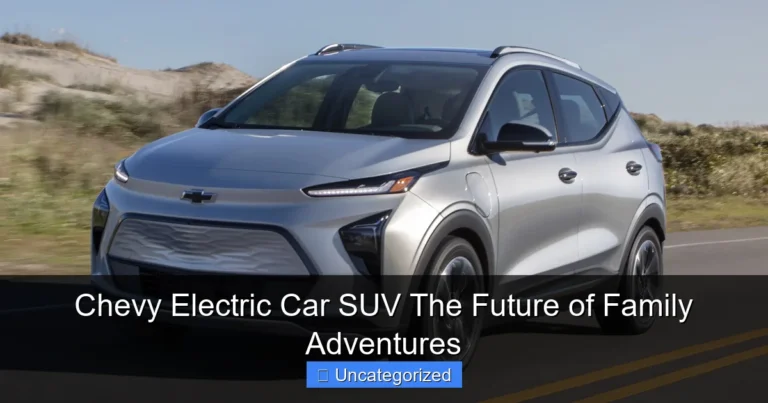
How Much Is a Chevy Electric Car Discover the Latest Pricing and Models

Featured image for how much is a chevy electric car
Image source: hometecsystems.co.uk
Chevy electric cars start at just $27,495 for the 2024 Bolt EV, making them one of the most affordable EVs on the market. With models like the Bolt EUV, Blazer EV, and the upcoming Equinox EV, Chevrolet offers a growing lineup priced between $30,000 and $65,000, balancing range, tech, and value. Discover how Chevy delivers electric performance without the premium price tag.
Key Takeaways
- Chevy EVs start under $30K: Affordable options like the Bolt EV offer great value.
- 2024 models feature updated pricing: Check for MSRP changes and new trims available.
- Federal tax credits apply: Save up to $7,500 with qualifying Chevy electric models.
- Long-range options exceed 300 miles: Newer SUVs and trucks deliver extended driving range.
- Charging costs are low: Home charging averages under $6 for a full battery.
- Leasing can reduce upfront costs: Explore flexible terms with lower monthly payments.
📑 Table of Contents
- The Electric Revolution: Chevy’s Journey into Sustainable Mobility
- Current Chevy Electric Car Models and Their Pricing
- Understanding the Total Cost of Ownership
- Federal, State, and Local Incentives
- Financing, Leasing, and Buying Options
- Data Table: Chevy EV Pricing and Specs (2024)
- Conclusion: Making the Smart Choice for Your Budget
The Electric Revolution: Chevy’s Journey into Sustainable Mobility
The automotive world is undergoing a dramatic transformation, and at the heart of this change is the rise of electric vehicles (EVs). Among the pioneers of this shift is Chevrolet, a brand with over a century of innovation. With the increasing demand for eco-friendly transportation and government incentives pushing automakers toward electrification, Chevy has responded with a growing lineup of electric cars that blend performance, affordability, and cutting-edge technology. But the question on every prospective buyer’s mind remains: how much is a Chevy electric car? Whether you’re a first-time EV buyer or looking to upgrade your current vehicle, understanding Chevy’s electric pricing and model options is essential in making an informed decision.
Chevrolet’s electric journey began with the groundbreaking Chevy Bolt EV, introduced in 2017 as one of the first affordable long-range EVs. Since then, the brand has expanded its offerings with new models like the Bolt EUV, Silverado EV, and upcoming Equinox EV, all designed to cater to different lifestyles and budgets. With federal tax credits, state incentives, and competitive MSRPs, Chevy has positioned itself as a leader in accessible electrification. In this comprehensive guide, we’ll explore the latest Chevy electric car pricing, compare models, examine cost-saving opportunities, and provide real-world insights to help you determine which Chevy EV fits your needs—and your wallet.
Current Chevy Electric Car Models and Their Pricing
As of 2024, Chevrolet offers several electric vehicles across different categories: compact hatchbacks, SUVs, and full-size pickup trucks. Each model comes with unique features, battery ranges, and pricing tiers. Let’s break down the current lineup to understand how much a Chevy electric car costs and what you get for your investment.
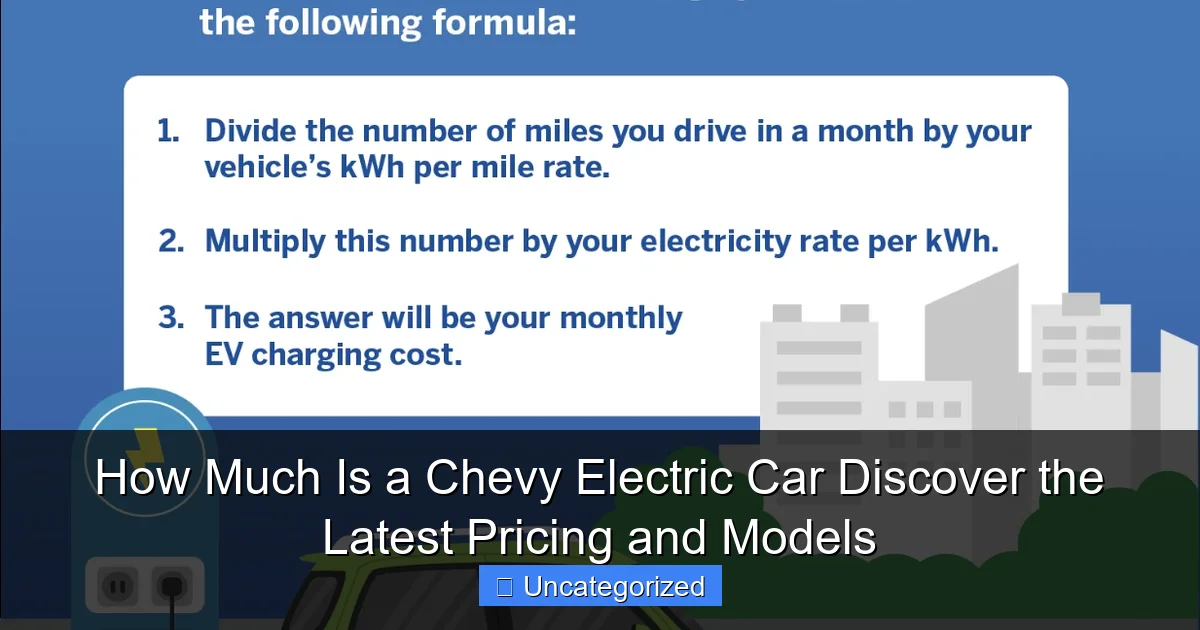
Visual guide about how much is a chevy electric car
Image source: constellation.com
1. Chevy Bolt EV: The Affordable Long-Range Pioneer
The Chevy Bolt EV is the brand’s flagship electric hatchback, known for its impressive range and budget-friendly price. With a starting MSRP of $26,500, it’s one of the most affordable EVs with over 250 miles of range on a single charge. The 2024 model features:
- 259 miles of EPA-estimated range
- 200-horsepower electric motor
- 10.2-inch touchscreen with wireless Apple CarPlay and Android Auto
- Advanced safety suite (Forward Collision Alert, Lane Keep Assist, etc.)
Real-world tip: While the Bolt EV was discontinued after 2023, Chevrolet has extended production into early 2024 due to high demand. This means you can still find new 2023 and 2024 models at dealerships, often with additional dealer incentives.
2. Chevy Bolt EUV: The Spacious Sibling
Stepping up from the Bolt EV, the Chevy Bolt EUV (Electric Utility Vehicle) offers more interior space and premium features. It starts at $28,800 and includes:
- 247 miles of range (slightly less due to larger size)
- Available Super Cruise hands-free driving system (on Premier trims)
- Heated front seats, wireless charging, and panoramic sunroof options
- Enhanced cargo space and rear legroom
The Bolt EUV is ideal for families or those who want more comfort without sacrificing affordability. The Super Cruise feature—available for an additional $2,200—is a game-changer for long-distance drivers, offering hands-free highway driving on over 400,000 miles of compatible roads in North America.
3. 2024 Chevy Equinox EV: The Upcoming Family SUV
Slated for release in late 2024, the Chevy Equinox EV is set to be a major player in the mid-size electric SUV segment. With a starting MSRP of $34,995 (after federal tax credit), it targets budget-conscious families seeking a spacious, tech-rich EV. Key features include:
- Up to 319 miles of range (LT and RS trims)
- 17.7-inch diagonal infotainment screen
- Available all-wheel drive (AWD) for $3,300
- Standard safety tech and over-the-air updates
Pro tip: The Equinox EV qualifies for the full $7,500 federal tax credit when leased (as of 2024 rules), making the effective price just $27,495—competitive with the Bolt EUV but with SUV versatility.
4. 2024 Chevy Silverado EV: The Electric Pickup Powerhouse
Chevrolet’s entry into the electric truck market, the Silverado EV, is a full-size pickup designed for work and play. Starting at $74,800 (for the Work Truck trim), it offers:
- 400 miles of range on the RST First Edition (450 miles in ideal conditions)
- 754 horsepower and 785 lb-ft of torque (RST trim)
- Midgate design for extended cargo flexibility
- Available 10.2-kW power export (can power a home during outages)
The Silverado EV is not just a truck—it’s a mobile power station. For fleet operators, the Work Truck (WT) trim starts at $74,800 but can be customized with up to 450 miles of range and 510 horsepower, making it ideal for commercial use.
5. Future Models: Blazer EV and Beyond
Chevy is also preparing the Blazer EV, a performance-oriented SUV set to launch in late 2024. Expected to start around $45,000, it will compete with the Ford Mustang Mach-E and Tesla Model Y. With up to 320 miles of range and a 0–60 mph time under 4 seconds (on the SS trim), it’s poised to be Chevy’s most exciting EV yet.
Understanding the Total Cost of Ownership
When asking how much is a Chevy electric car, it’s crucial to look beyond the sticker price. The total cost of ownership (TCO) includes fuel savings, maintenance, insurance, and incentives—factors that can make EVs significantly cheaper over time than gas-powered vehicles.
1. Fuel Savings: Charging vs. Gasoline
The average U.S. driver travels 13,500 miles per year. At $3.50 per gallon and 25 mpg, a gas car costs about $1,890 annually in fuel. In contrast, charging a Chevy Bolt EV (259 miles per 65 kWh) at the national average electricity rate of $0.15/kWh costs just $526 per year. That’s a savings of over $1,300 annually—or $6,500 over five years.
Example: If you drive 15,000 miles/year and pay $0.12/kWh (common for off-peak charging), your annual electricity cost drops to $468. Add in free charging at work or public stations, and your savings grow even more.
2. Maintenance and Repairs
EVs have fewer moving parts than internal combustion engine (ICE) vehicles, leading to lower maintenance costs. Chevy EVs require:
- No oil changes
- No spark plugs or timing belts
- Regenerative braking reduces brake pad wear by up to 50%
According to Consumer Reports, EV owners save $6,000–$10,000 in maintenance over the first 200,000 miles compared to gas cars. Chevy’s 8-year/100,000-mile battery warranty also provides peace of mind.
3. Insurance Costs
EVs can be slightly more expensive to insure due to higher repair costs (e.g., battery replacement), but Chevy’s affordable models like the Bolt EV often have lower premiums. For example:
- Bolt EV: $1,300–$1,600/year (varies by state and driver)
- Equivalent gas-powered Chevy Trax: $1,200–$1,500/year
However, many insurers offer EV-specific discounts (e.g., State Farm’s “Drive Safe & Save” program), which can offset the difference.
4. Depreciation and Resale Value
Historically, EVs depreciated faster than gas cars, but Chevy’s affordable models are bucking the trend. The Bolt EV, for instance, retains ~50% of its value after three years, on par with the Toyota Prius. The Equinox EV’s expected strong demand should also support resale value.
Federal, State, and Local Incentives
One of the biggest factors in answering how much is a Chevy electric car is the array of financial incentives available. These can reduce your effective price by thousands of dollars.
1. Federal Tax Credit: Up to $7,500
As of 2024, the Inflation Reduction Act (IRA) provides a federal tax credit of up to $7,500 for eligible EVs. However, there are key rules:
- New purchases: The credit applies only if the EV meets battery and assembly requirements (e.g., final assembly in North America). The Equinox EV and Silverado EV currently qualify.
- Leasing: The full $7,500 credit is automatically applied to leases, making it the most cost-effective way to access the benefit. For example, leasing an Equinox EV at $399/month with $2,000 down becomes $249/month after the credit.
- Used EVs: Buyers of used EVs (2+ years old) can claim a credit of up to $4,000.
Tip: Check the fueleconomy.gov for the latest eligibility list. As of June 2024, the Bolt EV/EUV no longer qualify due to battery sourcing, but the Equinox and Silverado EVs do.
2. State and Local Incentives
Many states offer additional rebates, tax credits, or perks:
- California: Up to $2,000 Clean Vehicle Rebate (CVRP) for low/middle-income buyers.
- New York: $2,000 Drive Clean Rebate.
- Colorado: $5,000 state tax credit + $1,500 for low-income residents.
- Massachusetts: $3,500 MOR-EV rebate.
Local utilities may also offer incentives. For example, PG&E in California provides $1,000 for EV purchases and $250 for home charger installation.
3. Utility Company Discounts
Many power companies offer:
- Discounted electricity rates for EV charging (e.g., $0.08/kWh off-peak)
- Free or discounted Level 2 chargers
- Rebates for smart chargers (e.g., ChargePoint, JuiceBox)
Example: In Texas, TXU Energy offers a $200 rebate on any EV purchase and free overnight charging.
Financing, Leasing, and Buying Options
How you acquire your Chevy EV can significantly impact your out-of-pocket cost. Here’s a breakdown of your options:
1. Buying Outright (Cash or Loan)
Paying in full avoids interest but requires a large upfront cost. Financing spreads the cost over time:
- Interest rates: 3–7% (as of 2024), depending on credit score.
- Loan term: 36–72 months. Longer terms lower monthly payments but increase total interest.
- Down payment: 10–20% is typical.
Example: A $35,000 Equinox EV with a 5-year loan at 5% interest and 15% down ($5,250) results in monthly payments of ~$550.
2. Leasing
Leasing is often the cheapest way to drive a new EV, especially with the $7,500 federal credit applied at signing:
- Bolt EUV: $299/month, $2,999 due at signing (after credit).
- Equinox EV: $349/month, $2,500 due at signing.
Leases typically include 10,000–12,000 miles/year and require good credit. At lease end, you can return the car or buy it at the residual value (e.g., 50% of MSRP).
3. Used EVs
Buying a used Chevy EV (e.g., 2021–2023 Bolt) can save 20–40%:
- 2023 Bolt EV: $20,000–$24,000 (vs. $26,500 new).
- 2022 Bolt EUV: $22,000–$26,000 (vs. $28,800 new).
Used EVs qualify for the $4,000 federal tax credit, further reducing cost. Always check battery health (ask for a GM battery report).
Data Table: Chevy EV Pricing and Specs (2024)
| Model | Starting MSRP | Range (EPA) | Top Speed | 0–60 mph | Federal Tax Credit Eligible? |
|---|---|---|---|---|---|
| Chevy Bolt EV | $26,500 | 259 miles | 93 mph | 6.5 sec | No |
| Chevy Bolt EUV | $28,800 | 247 miles | 93 mph | 7.0 sec | No |
| Chevy Equinox EV (LT) | $34,995* | 319 miles | 112 mph | 6.5 sec | Yes (leasing) |
| Chevy Silverado EV (WT) | $74,800 | 400 miles | 108 mph | 4.5 sec | Yes |
| Chevy Blazer EV (RS) | ~$45,000 | 320 miles | 115 mph | 4.0 sec | Yes |
*After $7,500 federal tax credit (leasing only)
Conclusion: Making the Smart Choice for Your Budget
So, how much is a Chevy electric car? The answer depends on your needs, budget, and access to incentives. From the $26,500 Bolt EV to the $74,800 Silverado EV, Chevrolet offers electric vehicles for nearly every lifestyle. The Equinox EV, with its $34,995 effective price after the tax credit (when leased), emerges as a standout value for families seeking a spacious, long-range SUV. Meanwhile, the Bolt EUV remains the best choice for urban drivers who want affordability and cutting-edge tech.
Beyond the sticker price, Chevy EVs deliver long-term savings through lower fuel and maintenance costs, generous warranties, and a robust network of incentives. Whether you’re buying, leasing, or opting for a used model, there’s never been a better time to go electric with Chevrolet. By understanding your options—from federal tax credits to utility rebates—you can drive home in a Chevy EV that’s not just eco-friendly, but financially smart. The electric future is here, and with Chevy, it’s more accessible than ever.
Frequently Asked Questions
How much is a Chevy electric car in 2024?
As of 2024, Chevy electric car prices start at $27,495 for the Bolt EV and go up to $74,995 for the Silverado EV Work Truck. Pricing varies by model, trim, and available incentives.
Which Chevy electric car offers the best value for the price?
The Chevy Bolt EV and Bolt EUV are widely considered the best value, offering affordable pricing ($27,495–$31,495), 259 miles of range, and advanced tech features. Federal and state rebates can further reduce the cost.
How much is a Chevy Blazer EV compared to gas-powered models?
The 2024 Chevy Blazer EV starts at $50,195, while gas-powered Blazers begin at $35,495. The electric version offers higher performance and lower fuel costs but comes at a premium.
Are there tax credits available to lower the cost of a Chevy electric car?
Yes, certain Chevy electric cars like the Silverado EV and Blazer EV qualify for federal tax credits up to $7,500. Availability depends on income, vehicle specs, and battery sourcing requirements.
What’s the price difference between Chevy’s cheapest and most expensive electric cars?
The Bolt EV starts at $27,495, while the high-performance Silverado EV RST First Edition tops out at $98,995. The gap reflects differences in size, range, and luxury features.
How much is a Chevy electric car after state and local incentives?
Final pricing varies by location, but with federal, state, and utility incentives, some buyers may reduce costs by $10,000–$15,000. For example, California offers an extra $2,000 rebate for the Bolt EV.