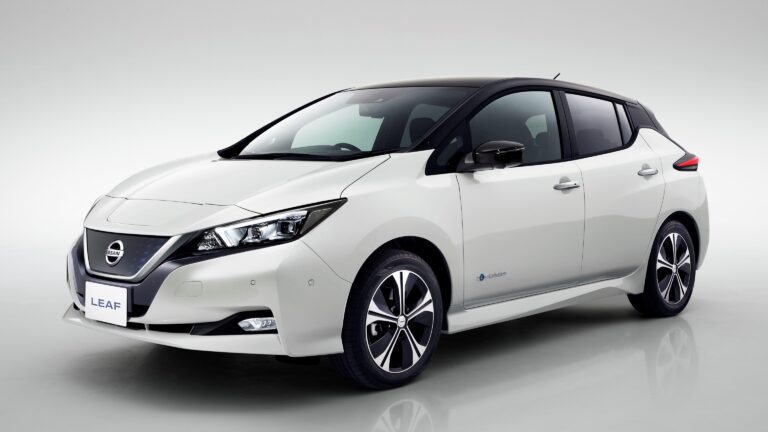
How Much Is a Nissan Leaf Electric Car Pricing Guide 2024

Featured image for how much is a nissan leaf electric car
Image source: i.ytimg.com
The 2024 Nissan Leaf starts at an affordable $28,140, making it one of the most budget-friendly electric cars on the market. With available trims up to $36,190 and federal tax credits up to $7,500, the Leaf delivers strong value for eco-conscious drivers seeking reliability and low operating costs.
Key Takeaways
- 2024 Nissan Leaf starts at $28,140 – affordable EV with federal tax credits available.
- Two trims: S and SV Plus – choose based on range and feature needs.
- SV Plus offers 212-mile range – ideal for longer commutes vs. S trim’s 149 miles.
- Charging costs ~$6–$8 – estimate using local electricity rates for full battery.
- Lease deals start under $200/month – check dealer incentives for best offers.
- Home charger installation adds $1,000–$2,500 – factor this into total ownership cost.
📑 Table of Contents
- Introduction: The Electric Revolution and the Nissan Leaf
- Current Nissan Leaf Models and Trim Levels (2024)
- Total Cost of Ownership: Beyond the Sticker Price
- Federal, State, and Local Incentives
- Used and Certified Pre-Owned (CPO) Nissan Leaf Options
- Financing, Leasing, and Alternative Purchase Options
- Conclusion: Is the Nissan Leaf Worth the Price in 2024?
Introduction: The Electric Revolution and the Nissan Leaf
The automotive world is undergoing a seismic shift, and at the forefront of this transformation is the electric vehicle (EV). With rising fuel costs, growing environmental awareness, and rapid advancements in battery technology, more drivers are making the switch to electric. Among the pioneers of the modern EV movement is the Nissan Leaf, a vehicle that helped popularize affordable, zero-emission transportation when it first launched in 2010. Fast forward to 2024, and the Leaf remains one of the most accessible and well-established electric cars on the market, offering a compelling blend of practicality, innovation, and value.
But one of the most pressing questions for prospective EV buyers is: how much is a Nissan Leaf electric car? The answer isn’t as simple as a single price tag. The cost of a Nissan Leaf varies significantly based on model year, trim level, battery size, available incentives, and regional pricing. Whether you’re a first-time EV buyer, a budget-conscious commuter, or someone looking to downsize from a gas-powered sedan, understanding the full pricing landscape is essential. In this comprehensive 2024 pricing guide, we’ll break down everything you need to know about the Nissan Leaf’s cost—from base models and premium trims to tax credits, charging infrastructure, and long-term savings. By the end, you’ll have a clear picture of what to expect and how to get the best value on your next electric ride.
Current Nissan Leaf Models and Trim Levels (2024)
The 2024 Nissan Leaf lineup is designed to cater to a wide range of drivers, from those seeking a no-frills, affordable EV to those who want premium features and extended range. Nissan offers the Leaf in several distinct trims, each with its own price point, features, and performance capabilities. Let’s explore the available models and what sets them apart.

Visual guide about how much is a nissan leaf electric car
Image source: i.ytimg.com
Leaf S (Base Model)
The Leaf S is the entry-level trim, making it the most affordable way to get behind the wheel of a brand-new Nissan Leaf. For 2024, the Leaf S starts at $28,140 (MSRP), not including destination charges (typically around $1,095). This model comes equipped with a 40 kWh lithium-ion battery, offering an EPA-estimated range of 149 miles on a full charge. While the range may seem modest compared to newer EVs, it’s more than sufficient for most urban commuters and daily errands.
Key features include:
- 8-inch touchscreen infotainment system with Apple CarPlay and Android Auto
- Automatic emergency braking with pedestrian detection
- Rearview camera and rear parking sensors
- 16-inch steel wheels with covers
- LED headlights and daytime running lights
Tip: The Leaf S is ideal for buyers who primarily drive short distances and want to minimize upfront costs. If you have access to home charging, its 149-mile range is rarely a limiting factor.
Leaf SV (Mid-Tier Trim)
Stepping up to the Leaf SV brings a more refined experience and several desirable upgrades. Priced at $30,140 (MSRP), the SV trim includes all the standard features of the S model, plus:
- 17-inch alloy wheels
- Heated front seats and steering wheel
- Remote climate control via the NissanConnect app
- Advanced driver-assistance features like ProPILOT Assist (adaptive cruise control with lane centering)
- Upgraded audio system with six speakers
With the same 40 kWh battery and 149-mile range, the SV is a smart choice for buyers who want enhanced comfort and convenience without breaking the bank. The ProPILOT Assist system, in particular, adds significant value for highway commuters.
Leaf SL (Premium Trim)
The Leaf SL sits at the top of the 40 kWh lineup, priced at $33,140. It adds luxury touches such as:
- Leather-appointed seats with power driver’s seat
- Premium Bose audio system with seven speakers
- LED fog lights and auto-dimming rearview mirror
- Front and rear parking sensors with rear cross-traffic alert
- Hands-free trunk release
This trim is perfect for drivers who want a more upscale interior and advanced tech without stepping into the higher price bracket of luxury EVs.
Leaf SV Plus and SL Plus (Extended Range Models)
For buyers seeking more range, Nissan offers the Leaf SV Plus and SL Plus trims, both powered by a larger 62 kWh battery. The SV Plus starts at $36,140, while the SL Plus is priced at $39,140. These models deliver an EPA-estimated range of 212 miles—a significant jump from the standard Leaf.
Additional features in the Plus trims include:
- Faster DC fast-charging capability (up to 100 kW)
- Enhanced regenerative braking system (e-Pedal)
- Improved cabin insulation for quieter rides
- Optional two-tone paint and upgraded interior materials
Practical Example: A driver with a 50-mile daily commute (round trip) can comfortably use the Leaf SV Plus without needing to recharge every day. Even on longer weekend trips, the 212-mile range reduces range anxiety significantly compared to the base model.
Total Cost of Ownership: Beyond the Sticker Price
When evaluating how much a Nissan Leaf electric car costs, it’s crucial to look beyond the MSRP. The total cost of ownership (TCO) includes not only the purchase price but also fuel, maintenance, insurance, depreciation, and available incentives. In many cases, the Leaf proves to be far more economical over time than a comparable gas-powered vehicle.
Fuel and Charging Costs
One of the most significant advantages of owning an EV is the dramatic reduction in fuel expenses. According to the U.S. Department of Energy, the average American driver spends about $1,200 per year on gasoline. In contrast, charging a Nissan Leaf costs significantly less.
Assuming an average electricity rate of $0.14 per kWh and an average of 12,000 miles driven annually:
- Leaf S (40 kWh battery, 149-mile range): ~33 kWh per 100 miles → Annual charging cost: $554
- Leaf SV Plus (62 kWh battery, 212-mile range): ~29 kWh per 100 miles → Annual charging cost: $487
Tip: Charging at home during off-peak hours (e.g., overnight) can reduce electricity costs by up to 50%, depending on your utility provider’s time-of-use plan.
Maintenance and Repairs
Electric vehicles have fewer moving parts than internal combustion engines, resulting in lower maintenance costs. The Nissan Leaf requires no oil changes, spark plugs, or exhaust system repairs. Key maintenance items include:
- Tire rotations and alignments
- Brake pad replacements (regenerative braking reduces wear)
- HVAC system checks
- Battery coolant level inspections
According to Consumer Reports, EV owners save an average of $6,000 to $10,000 in maintenance and repairs over a vehicle’s lifetime compared to gas-powered cars.
Insurance and Depreciation
Insurance costs for the Nissan Leaf are generally on par with or slightly higher than similar compact sedans, due to the higher value of EVs and the cost of battery repairs. However, many insurers offer discounts for EV owners, especially those who use home charging or have safety features like ProPILOT Assist.
Depreciation is another factor. While EVs historically depreciated faster than gas cars, this trend is changing. The 2024 Nissan Leaf holds its value reasonably well, particularly the Plus trims with longer range. According to Kelley Blue Book (KBB), the Leaf retains about 45% of its value after three years, which is competitive for the EV segment.
Home Charging Installation
While not mandatory, installing a Level 2 (240-volt) home charger significantly improves convenience and charging speed. A typical Level 2 charger costs $500 to $800 for the unit, with installation ranging from $500 to $1,500 depending on electrical panel upgrades and labor. However, many states and utility companies offer rebates or incentives to offset these costs—sometimes covering up to 100% of the expense.
Example: In California, the California Electric Vehicle Incentive Project (CalEVIP) offers up to $1,000 in rebates for home charger installation. Similar programs exist in New York, Colorado, and Washington.
Federal, State, and Local Incentives
One of the most compelling reasons to buy a Nissan Leaf in 2024 is the availability of generous financial incentives. These can dramatically reduce the effective price of the vehicle, making it even more affordable.
Federal Tax Credit (Clean Vehicle Credit)
The Inflation Reduction Act (IRA) of 2022 revised the federal EV tax credit, now known as the Clean Vehicle Credit. For 2024, eligible buyers can receive up to $7,500 in non-refundable tax credits. However, there are specific criteria:
- The vehicle must be assembled in North America (the Nissan Leaf qualifies)
- The battery components and critical minerals must meet sourcing requirements (the Leaf currently qualifies for the full credit)
- The buyer’s adjusted gross income (AGI) must be below:
- $150,000 for individuals
- $225,000 for heads of household
- $300,000 for joint filers
Important: The tax credit is not a cash rebate. It reduces your federal tax liability dollar-for-dollar. If your tax bill is less than $7,500, you may not receive the full amount.
State and Local Incentives
Many states offer additional incentives on top of the federal credit. Here are a few notable examples:
- California: Clean Vehicle Rebate Project (CVRP) offers up to $4,500 for low- and moderate-income buyers.
- New York: Drive Clean Rebate provides up to $2,000 for new EV purchases.
- Colorado: Offers a $5,000 state tax credit for EVs, stackable with federal incentives.
- Washington: No sales tax on EVs (saving ~$2,000 on a $30,000 car).
Tip: Use the U.S. Department of Energy’s Alternative Fuels Data Center (AFDC) to search for incentives by zip code. This tool provides up-to-date information on all available rebates, tax credits, and grants.
Utility and Employer Incentives
Beyond government programs, many utility companies offer EV purchase rebates or charging rate discounts. For example:
- PG&E (California): Up to $1,500 rebate for new EV purchases.
- Con Edison (New York): $1,000 rebate for EV buyers in eligible counties.
Some employers also provide EV incentives as part of sustainability initiatives, including free workplace charging or lease subsidies.
Used and Certified Pre-Owned (CPO) Nissan Leaf Options
If the 2024 Nissan Leaf’s starting price is still outside your budget, consider buying a used or certified pre-owned (CPO) model. The Leaf has been on the market for over a decade, meaning there’s a robust secondary market with excellent value opportunities.
Used Leaf Pricing by Model Year
Here’s a general pricing guide for used Nissan Leafs based on Kelley Blue Book and Edmunds data (as of early 2024):
| Model Year | Trim | Average Used Price | Typical Range | Notable Features |
|---|---|---|---|---|
| 2024 | S | $26,000–$28,000 | 149 miles | Newest tech, full warranty |
| 2022 | SV Plus | $22,000–$25,000 | 212 miles | 62 kWh battery, ProPILOT |
| 2020 | SL | $18,000–$21,000 | 149 miles | Leather, Bose audio |
| 2018 | S | $12,000–$15,000 | 150 miles | First-gen Leaf with updated battery |
| 2015 | S | $7,000–$10,000 | 84 miles | Older tech, lower range |
Note: Prices vary by region, condition, mileage, and battery health. Always request a vehicle history report (e.g., Carfax) and have the battery inspected by a Nissan dealer or EV specialist.
Certified Pre-Owned (CPO) Benefits
Nissan’s CPO program offers significant peace of mind for used Leaf buyers. CPO vehicles undergo a 167-point inspection, come with a 7-year/100,000-mile limited warranty, and include:
- Roadside assistance
- Complimentary maintenance for the first year
- CARFAX vehicle history report
- 30-day/1,000-mile exchange policy
While CPO Leafs are slightly more expensive than non-certified used models, the added warranty and inspection coverage are often worth the premium—especially for buyers concerned about battery degradation.
Tips for Buying a Used Leaf
- Check battery health: Use the Leaf’s built-in battery gauge or a third-party app like LeafSpy to assess state of health (SOH).
- Avoid extreme climates: Batteries degrade faster in very hot or cold regions.
- Look for 2018+ models: These have improved battery thermal management systems.
- Negotiate: Many used Leafs are priced below market value due to range limitations. Use this to your advantage.
Financing, Leasing, and Alternative Purchase Options
How you pay for your Nissan Leaf can significantly impact your overall cost and long-term value. Let’s explore the most common financing and leasing options available in 2024.
Traditional Financing (Auto Loans)
Financing a Nissan Leaf through a dealership or bank typically involves a 36- to 72-month loan. Interest rates vary based on credit score, down payment, and lender. As of early 2024, average rates for new EVs range from 4.9% to 6.5% APR.
Example: For a $30,000 Leaf with a 10% down payment ($3,000) and a 60-month loan at 5.5% APR, your monthly payment would be approximately $504. Over the life of the loan, you’d pay about $4,240 in interest.
Tip: Pre-approval from your bank or credit union can give you leverage when negotiating with dealers.
Leasing the Nissan Leaf
Leasing is a popular option for EV buyers who want lower monthly payments and the ability to upgrade to a new model every few years. Nissan frequently offers special lease deals, such as:
- $249/month for 36 months on the Leaf S (with $2,999 due at signing)
- $299/month for 36 months on the Leaf SV Plus (with $3,499 due at signing)
Leases typically include:
- 10,000 to 12,000 miles per year
- Wear-and-tear protection
- Manufacturer warranty coverage
Pros: Lower upfront costs, always driving a newer car, potential tax benefits for business use.
Cons: Mileage limits, no ownership at end of lease, possible excess wear charges.
EV-Specific Financing Programs
Some lenders and credit unions offer special EV financing with lower rates or cash-back incentives. For example:
- PenFed Credit Union: Offers 0.25% rate discount on auto loans for EV purchases.
- Chase Bank: Provides $1,000 cash back on EV loans.
- Nissan Motor Acceptance Corporation (NMAC): Often runs 0% APR financing promotions during holiday seasons.
Additionally, some employers offer salary sacrifice EV leasing programs, allowing employees to lease a Leaf pre-tax, reducing taxable income.
Conclusion: Is the Nissan Leaf Worth the Price in 2024?
So, how much is a Nissan Leaf electric car? As we’ve seen, the answer depends on your needs, budget, and location. The 2024 Nissan Leaf starts at $28,140 for the base S model and goes up to $39,140 for the SL Plus, but with federal and state incentives, the effective price can drop to $15,000–$25,000 for many buyers. When you factor in lower fuel and maintenance costs, the Leaf becomes one of the most cost-efficient vehicles on the road.
The Leaf is not the longest-range EV, nor does it have the most luxurious interior, but it excels in practicality, reliability, and accessibility. It’s a proven performer with over 600,000 units sold globally, backed by Nissan’s extensive service network and strong safety ratings. Whether you choose a new 2024 model, a CPO version, or a well-maintained used Leaf, you’re investing in a vehicle that’s helping shape the future of transportation.
For city dwellers, suburban commuters, and eco-conscious families, the Nissan Leaf offers a compelling value proposition. With thoughtful planning—taking advantage of incentives, installing a home charger, and choosing the right trim—you can enjoy the benefits of electric driving without overspending. In 2024, the Nissan Leaf isn’t just an affordable EV; it’s a smart, sustainable choice for the modern driver.
Frequently Asked Questions
How much is a Nissan Leaf electric car in 2024?
The 2024 Nissan Leaf starts at $28,140 for the base S trim (40 kWh battery) and goes up to $36,190 for the SV Plus trim (62 kWh battery), excluding destination fees and incentives. Pricing varies by region and optional features.
What factors affect the Nissan Leaf electric car price?
Trim level (S, SV, SL), battery size (40 kWh vs. 62 kWh), optional packages (like ProPILOT Assist), and regional taxes or rebates can all impact the final Nissan Leaf electric car price. Federal/state incentives may further reduce costs.
Is the Nissan Leaf cheaper than other EVs in its class?
Yes, the Nissan Leaf remains one of the most affordable new electric cars, undercutting rivals like the Chevrolet Bolt EV and Hyundai Kona Electric. Its low entry price makes it a popular choice for budget-conscious EV shoppers.
Does the 2024 Nissan Leaf price include charging equipment?
The MSRP doesn’t include a home charger, but Nissan often bundles a portable Level 1/2 charging cable. Some dealerships offer free or discounted home charger installations as part of promotional deals.
How much is a Nissan Leaf after federal tax credits?
With the $7,500 federal tax credit (if eligible), the effective price of a base 2024 Nissan Leaf drops to $20,640. Some states add extra rebates, further lowering the cost.
Are there used Nissan Leaf options for under $20,000?
Yes, pre-owned Nissan Leaf models (2018–2022) often list between $15,000–$20,000, depending on battery health, mileage, and trim. Certified pre-owned (CPO) vehicles include warranties for added peace of mind.