How to Charge MG Electric Car A Complete Guide for Owners

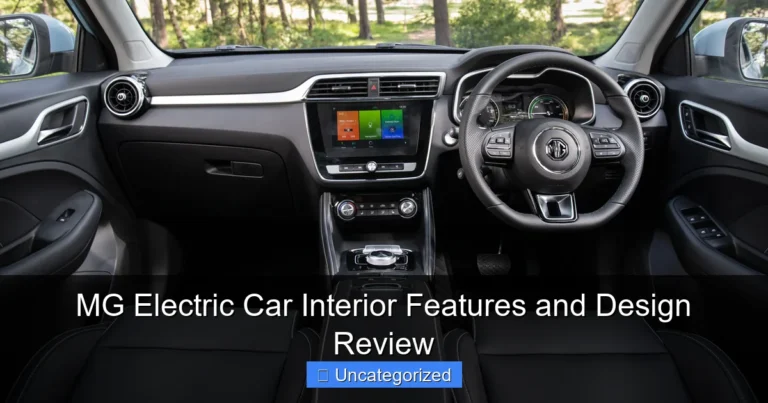
Featured image for how to charge mg electric car
Image source: i.ytimg.com
Charging your MG electric car is simple, fast, and flexible—whether you’re at home using a standard wall socket or a dedicated EV charger, or on the go with public DC fast-charging stations. Always use MG-approved charging equipment and monitor battery levels via the MG app to maximize efficiency, range, and battery longevity.
Key Takeaways
- Use Level 2 chargers for daily charging—faster and more efficient at home.
- Plan DC fast charging for long trips; available at most public stations.
- Download the MG app to monitor charging status and locate nearby stations.
- Avoid full 100% charges regularly—keep between 20% and 80% for battery health.
- Precondition your battery in cold weather to improve charging speed and range.
- Always use certified cables to ensure safety and prevent charging errors.
📑 Table of Contents
- How to Charge MG Electric Car: A Complete Guide for Owners
- Understanding MG Electric Car Charging Types and Connectors
- Setting Up Home Charging for Your MG Electric Car
- Using Public Charging Networks for MG EVs
- Charging on Long Trips: Planning and Best Practices
- Optimizing Charging Habits and Battery Health
- Charging Cost and Energy Consumption Comparison
- Conclusion
How to Charge MG Electric Car: A Complete Guide for Owners
Electric vehicles (EVs) are transforming the way we think about transportation, and MG Motor is at the forefront of this revolution with its growing lineup of electric cars. From the compact MG ZS EV to the sleek MG4 Electric and the spacious MG5 Electric Estate, MG has made EVs more accessible and practical than ever. However, one of the most common concerns for new and prospective EV owners is how to charge MG electric car efficiently, safely, and conveniently. Whether you’re a first-time EV driver or transitioning from a petrol-powered vehicle, understanding the charging process is essential to maximizing your driving experience.
Charging an MG electric car is not only straightforward but also offers a range of options tailored to different lifestyles and needs. From plugging in at home to using public fast-charging stations, MG EVs support various charging methods, speeds, and connectors. This comprehensive guide will walk you through everything you need to know about charging your MG electric car—from the basics of charging types and connectors to setting up home charging, navigating public networks, and optimizing your charging habits. By the end of this article, you’ll have the knowledge and confidence to keep your MG EV powered up and ready for every journey.
Understanding MG Electric Car Charging Types and Connectors
AC vs. DC Charging: What’s the Difference?
Before diving into the practical aspects of charging, it’s important to understand the two primary types of EV charging: AC (Alternating Current) and DC (Direct Current). Most home and workplace chargers use AC power, which is converted to DC by the car’s onboard charger to store energy in the battery. DC charging, on the other hand, bypasses the onboard charger and delivers power directly to the battery, enabling much faster charging speeds.

Visual guide about how to charge mg electric car
Image source: mg.co.uk
MG electric cars are equipped with onboard chargers that determine the maximum AC charging rate. For example, the MG4 supports AC charging up to 11 kW, while the MG ZS EV typically accepts up to 7 kW on AC. However, when using DC fast chargers, these vehicles can charge at significantly higher rates—up to 100 kW or more, depending on the model and charger availability.
Charging Connectors Used by MG EVs
MG electric cars use standardized connectors to ensure compatibility with charging infrastructure worldwide. The primary connectors you’ll encounter include:
- Type 2 (Mennekes) – AC Charging: This is the standard AC connector used in Europe and the UK. It’s found on all MG EVs and is used for home chargers, workplace chargers, and most public AC charging stations. The Type 2 connector supports single-phase (7.4 kW) or three-phase (11 kW or 22 kW) charging, depending on your car and charger.
- CCS (Combined Charging System) – DC Fast Charging: This is the dominant DC fast-charging standard in Europe. The CCS connector combines the Type 2 AC pins with two additional DC pins, allowing for high-speed charging. MG EVs like the MG4 and MG ZS EV use CCS for DC charging, supporting speeds from 50 kW to over 100 kW.
- GB/T (in some markets like China): In China, MG EVs may use the GB/T standard for AC and DC charging. However, in the UK and Europe, Type 2 and CCS are the norm.
Pro Tip: Always check the charging port on your MG model to confirm the connectors. The DC CCS port is typically on the driver’s side, while the AC Type 2 port may be on the rear or side, depending on the model.
Charging Speeds by Model
Different MG EV models support varying charging speeds. Here’s a quick breakdown:
- MG4 EV: AC up to 11 kW (three-phase), DC up to 100 kW (CCS)
- MG ZS EV: AC up to 7.4 kW (single-phase), DC up to 50–100 kW (CCS, depending on battery size)
- MG5 Electric Estate: AC up to 7.4 kW, DC up to 80 kW (CCS)
Keep in mind that actual charging speed depends on the charger’s output, battery temperature, state of charge, and vehicle settings. For instance, charging from 20% to 80% on a 100 kW DC charger may take around 25–30 minutes, while a full charge at home could take 7–10 hours on a 7 kW unit.
Setting Up Home Charging for Your MG Electric Car
Why Home Charging Is the Best Option
For most MG EV owners, home charging is the most convenient, cost-effective, and reliable way to keep your car powered. Charging overnight means your vehicle starts each day with a full or near-full battery, eliminating range anxiety and reducing reliance on public chargers. Additionally, electricity rates are typically lower during off-peak hours, helping you save money in the long run.
Choosing the Right Home Charger
There are two main options for home charging:
- Standard 3-Pin Plug (Emergency/Portable Charging): You can charge your MG EV using a standard household socket with the included portable charging cable (often called a “granny cable”). However, this method is slow—typically 2.3 kW, adding only 8–10 miles of range per hour. It’s best used for emergencies or short-term needs, not daily charging.
- Dedicated Home Charging Unit (Wallbox): A wall-mounted EV charger is the recommended solution. These units are faster, safer, and often come with smart features like scheduling, energy monitoring, and remote control via an app. Most wallboxes deliver 7.4 kW (single-phase) or 11 kW (three-phase), depending on your home’s electrical supply.
Example: A 7.4 kW wallbox can charge the MG4 EV (64 kWh battery) from 0% to 100% in about 9 hours, compared to over 24 hours using a 3-pin plug.
Installation Tips and Requirements
Installing a home charger requires a few key considerations:
- Electrical Supply: Ensure your home has sufficient capacity. Most homes can support a 7.4 kW charger, but a three-phase supply is needed for 11 kW or 22 kW units.
- Location: Install the charger near your parking spot, ideally within 5–8 meters of the car’s charging port. Avoid long cable runs to reduce voltage drop.
- Smart Features: Opt for a smart wallbox (e.g., from companies like Wallbox, Ohme, or Pod Point) that allows you to schedule charging during off-peak hours (e.g., 12 AM–7 AM) to take advantage of lower electricity tariffs.
- Grants and Incentives: In the UK, the Electric Vehicle Homecharge Scheme (EVHS) offers a grant covering up to 75% of the installation cost (capped at £350). Check eligibility and apply before installation.
Pro Tip: Use a tethered cable (attached to the wallbox) for convenience, or go for an untethered unit if you plan to charge multiple EVs or want flexibility in cable length.
Using Public Charging Networks for MG EVs
Types of Public Chargers and Where to Find Them
While home charging is ideal for daily use, public charging networks are essential for longer trips or when you’re away from home. Public chargers fall into three categories:
- Slow (up to 3.7 kW): Found in car parks, supermarkets, and workplaces. Suitable for overnight or extended stays.
- Fast (7–22 kW): Common at shopping centers, hotels, and service areas. Adds 20–40 miles of range per hour.
- Rapid (43–100 kW DC) and Ultra-Rapid (100–350 kW DC): Located at motorway service stations, dedicated EV hubs, and urban charging centers. Can add 100–200 miles of range in 20–30 minutes.
MG EVs are compatible with most public networks in the UK and Europe, including BP Pulse, Shell Recharge, InstaVolt, Osprey, and Gridserve. Use apps like Zap-Map, PlugShare, or ChargePlace Scotland to locate nearby chargers, check availability, and view pricing.
How to Use a Public Charger
Using a public charger is simple, but preparation is key:
- Locate a Compatible Charger: Use your charging app to find a charger with CCS (for DC) or Type 2 (for AC) connectors.
- Park and Plug In: Align your MG EV so the charging port is close to the charger. Plug in the cable (or use your own if untethered).
- Start the Session: Most chargers require an RFID card, app activation, or contactless payment. Some networks (like InstaVolt) allow tap-and-go with a credit/debit card.
- Monitor Charging: Use your car’s infotainment system or the charger’s app to track charging progress, speed, and estimated time.
- End the Session: Once charged, unlock the cable (usually via app or card) and return it to the charger.
Example: On a 100 kW DC charger, the MG4 EV can go from 20% to 80% in about 28 minutes, adding roughly 180 miles of range.
Tips for Efficient Public Charging
- Charge to 80%, not 100%: Charging slows significantly above 80% due to battery management systems. Save time by stopping at 80% unless you need the extra range.
- Precondition the Battery: If your MG EV has a battery preconditioning feature (available via the app), activate it before arriving at a DC charger. This warms the battery, enabling faster charging.
- Check for Idle Fees: Some networks charge extra if you leave your car plugged in after charging completes. Move your vehicle promptly to avoid fees.
- Use Multiple Networks: Sign up for several charging networks (e.g., BP Pulse, Osprey) to access more chargers and avoid downtime if one network is busy.
Charging on Long Trips: Planning and Best Practices
Route Planning with Charging Stops
Long-distance driving in an MG EV requires careful planning. Use navigation tools that integrate charging stations, such as:
- MG iSMART App: Available for most MG EVs, this app shows nearby chargers, battery status, and route planning with charging stops.
- Google Maps or Waze: Both now include EV charging points and can suggest optimal routes with charging breaks.
- Zap-Map Trip Planner: A dedicated tool for EV drivers that calculates charging time, cost, and station reliability.
Pro Tip: Plan to charge every 150–200 miles, especially in colder weather when range drops by 20–30%. Always have a backup charger in mind in case the primary one is busy or out of service.
Maximizing Charging Efficiency on the Road
- Use Ultra-Rapid Chargers: On motorways, prioritize 150–350 kW chargers (e.g., Gridserve Electric Highway, InstaVolt) for the fastest top-ups.
- Charge While You Eat: Time charging stops with meal breaks. A 30-minute charge at 100 kW can add 100+ miles of range—perfect for a quick lunch.
- Monitor Battery Temperature: Cold batteries charge slower. If possible, park in a garage or use preconditioning to warm the battery before charging.
- Drive Efficiently: Use Eco mode, regenerative braking, and steady speeds to maximize range between charges.
Dealing with Charging Challenges
Even with planning, issues can arise:
- Occupied Chargers: Always have a second or third charger option nearby.
- Faulty Equipment: If a charger fails, try a different connector or station. Report issues via the network’s app.
- Low Range: If you’re running low, switch to Eco mode, reduce speed, and head to the nearest charger—even if it’s slower.
Optimizing Charging Habits and Battery Health
Smart Charging and Scheduling
Smart charging helps you save money and reduce strain on the grid. Most MG EVs and home chargers support scheduling:
- Set Charging Times: Use the MG iSMART app or your wallbox to charge only during off-peak hours (e.g., 12 AM–7 AM).
- Limit Daily Charge Level: Set your car to charge to 80% for daily use. Reserve 100% for long trips. This reduces battery degradation.
- Use Solar Integration (if applicable): If you have solar panels, pair your charger with a solar diverter to use excess energy for charging.
Maintaining Battery Health
Your MG EV’s battery is its most valuable component. Follow these best practices:
- Avoid Frequent Fast Charging: While convenient, DC fast charging generates heat and can accelerate battery wear. Use it only when necessary.
- Keep Charge Between 20% and 80%: Regularly charging to 100% or letting the battery drop below 10% can reduce lifespan.
- Store with Partial Charge: If parking for weeks, keep the battery at 50% to prevent deep discharge.
- Precondition Before Charging: In cold weather, warm the battery using the app before plugging in to improve charging speed and battery longevity.
Monitoring Charging Data
Use the MG iSMART app to track:
- Charging history and energy consumption
- Battery health and estimated range
- Cost per charge and total energy used
This data helps you optimize habits and identify potential issues early.
Charging Cost and Energy Consumption Comparison
Understanding the cost of charging your MG EV is crucial for budgeting. Below is a comparison of charging costs and energy consumption for popular MG models.
| MG Model | Battery Size (kWh) | Range (WLTP, miles) | Home Charging Cost (7.4 kW, £0.28/kWh) | Public Fast Charging Cost (50 kW, £0.50/kWh) | DC Ultra-Rapid Cost (100 kW, £0.70/kWh) | Energy Efficiency (kWh/100mi) |
|---|---|---|---|---|---|---|
| MG4 EV (Standard Range) | 51 | 218 | £14.28 | £25.50 | £35.70 | 23.4 |
| MG4 EV (Long Range) | 64 | 270 | £17.92 | £32.00 | £44.80 | 23.7 |
| MG ZS EV (73 kWh) | 73 | 273 | £20.44 | £36.50 | £51.10 | 26.7 |
| MG5 Electric Estate | 50.3 | 250 | £14.08 | £25.15 | £35.21 | 20.1 |
Note: Costs are approximate and based on UK electricity prices as of 2024. Public charging rates vary by network and location.
Conclusion
Charging your MG electric car doesn’t have to be complicated. With the right knowledge and tools, you can enjoy a seamless, cost-effective, and eco-friendly driving experience. Whether you’re plugging in at home with a smart wallbox, using public fast chargers on the go, or planning long-distance trips with confidence, understanding how to charge MG electric car empowers you to get the most out of your EV.
From choosing the right connectors and optimizing charging speeds to maintaining battery health and reducing costs, this guide has covered all the essentials. Remember to leverage smart features, plan ahead for trips, and take advantage of grants and off-peak tariffs to enhance your ownership experience. As MG continues to expand its EV lineup and charging infrastructure improves, the future of electric mobility is brighter than ever. So plug in, power up, and enjoy the quiet, efficient, and exciting journey ahead in your MG electric car.
Frequently Asked Questions
How do I charge my MG electric car at home?
You can charge your MG electric car at home using a standard 3-pin plug (slow charging) or by installing a dedicated home EV charger (fast charging). For optimal speed and safety, MG recommends using a 7kW home wallbox, which can fully charge most models overnight.
What type of charging connector does an MG electric car use?
Most MG electric cars, like the MG4 and MG ZS EV, use a Type 2 (Mennekes) connector for AC charging and CCS2 (Combined Charging System) for DC fast charging. Always verify your model’s compatibility before using public stations.
How long does it take to charge an MG electric car?
Charging time depends on the battery size and charger type: a 7kW home charger takes 6–10 hours, while a 50kW DC fast charger can reach 80% in 40–60 minutes. Smaller batteries (e.g., MG4 Standard Range) charge faster than larger ones.
Can I use public charging stations for my MG EV?
Yes, MG electric cars are compatible with most public charging networks (e.g., ChargePoint, Electrify America). Use apps like MG’s ChargeHub or PlugShare to locate stations and ensure your CCS2/Type 2 cables are connected properly.
How much does it cost to charge an MG electric car?
Costs vary by location and charger type: home charging averages $0.10–$0.20/kWh, while public fast charging may cost $0.30–$0.60/kWh. A full charge for a 50kWh battery typically ranges from $5–$12 at home.
Is it safe to charge my MG electric car in the rain?
Yes, charging your MG EV in wet conditions is safe. All charging ports and cables are weatherproof and designed to meet international safety standards (IP55 rated). Always ensure connectors are clean and dry before plugging in.