Hyundai Electric Car Review Top Features and Performance Insights
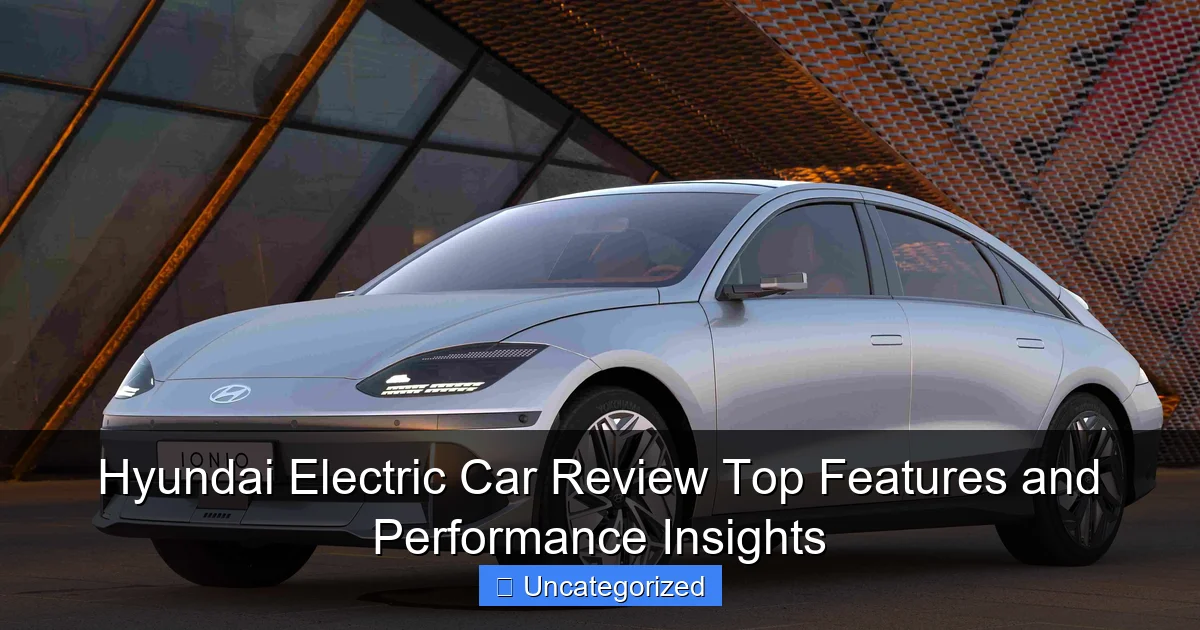
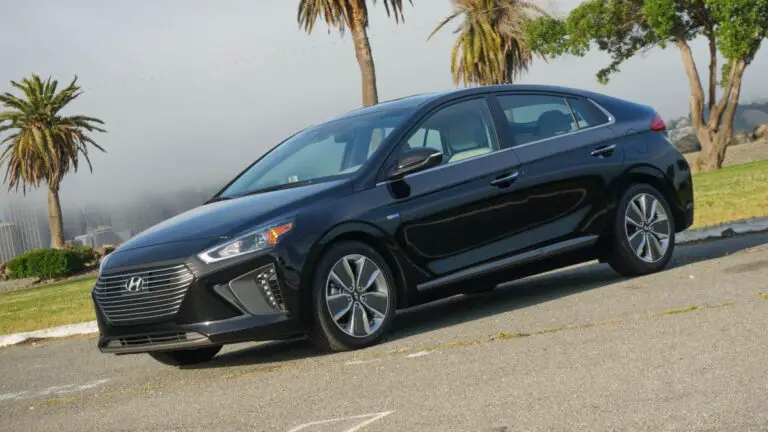
Featured image for hyundai. electric car
Image source: web-assets.net
The Hyundai electric car lineup delivers exceptional value with cutting-edge technology, impressive range, and rapid charging capabilities. Models like the Ioniq 5 and Ioniq 6 stand out for their bold design, spacious interiors, and advanced driver-assist features, making them top contenders in the competitive EV market. With strong performance, eco-friendly innovation, and Hyundai’s industry-leading warranty, these electric vehicles offer a compelling blend of practicality and excitement.
Key Takeaways
- Impressive range: Hyundai EVs offer up to 300+ miles on a single charge.
- Fast charging: Replenish 80% battery in under 20 minutes with DC fast charging.
- Advanced tech: Features like Highway Driving Assist boost safety and comfort.
- Spacious interiors: Ample legroom and cargo space enhance practicality for families.
- Affordable pricing: Competitive MSRP with strong warranty coverage adds long-term value.
- Sustainable design: Eco-friendly materials and efficient manufacturing reduce environmental impact.
📑 Table of Contents
- The Future is Electric: Hyundai’s Bold Move into Sustainable Mobility
- Hyundai’s Electric Lineup: Models That Define the Brand’s Vision
- Performance and Powertrain: Engineering Excellence Under the Hood
- Charging and Range: Real-World Usability and Infrastructure
- Interior, Tech, and Safety: Where Comfort Meets Innovation
- Ownership Experience: Cost, Maintenance, and Long-Term Value
- Conclusion: Why Hyundai Electric Cars Are a Smart Choice
The Future is Electric: Hyundai’s Bold Move into Sustainable Mobility
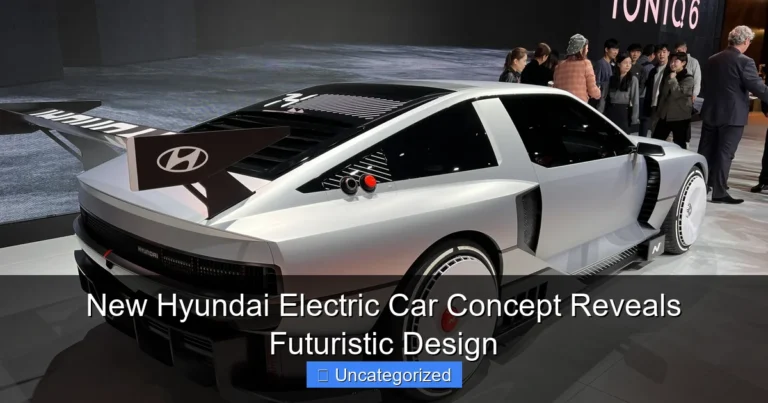
In an era defined by climate awareness, rapid technological advancement, and shifting consumer preferences, Hyundai electric car models have emerged as a powerful force in the global automotive landscape. Once primarily known for affordable, reliable internal combustion engine (ICE) vehicles, Hyundai has reinvented itself as a leader in the electric vehicle (EV) revolution. With bold investments in battery technology, futuristic design, and cutting-edge software, the South Korean automaker is no longer just keeping pace with industry giants like Tesla and Ford—it’s setting new benchmarks. From the sleek Ioniq 5 to the performance-oriented Ioniq 6 and the rugged Ioniq 7 (coming soon), Hyundai’s electric lineup is redefining what drivers expect from zero-emission transportation.
What sets Hyundai apart is its holistic approach to electrification. Rather than simply replacing gas engines with electric motors, the company has developed a dedicated Electric-Global Modular Platform (E-GMP), enabling optimized performance, faster charging, and superior interior space. This platform underpins all of Hyundai’s latest electric car models, offering a consistent foundation for innovation. Whether you’re a tech-savvy urban commuter, a family seeking a spacious SUV, or an eco-conscious driver prioritizing long-range capability, Hyundai delivers a compelling blend of value, efficiency, and driving enjoyment. In this comprehensive Hyundai electric car review, we’ll explore the top features, performance metrics, real-world usability, and what makes these vehicles stand out in an increasingly crowded EV market.
Hyundai’s Electric Lineup: Models That Define the Brand’s Vision
Hyundai’s foray into the electric vehicle market isn’t just about adding a few EVs to its catalog—it’s a full-scale transformation. The company launched the Ioniq sub-brand in 2020, dedicated exclusively to electric vehicles, signaling its long-term commitment to sustainability and innovation. Today, the Ioniq family includes three standout models: the Ioniq 5, Ioniq 6, and the upcoming Ioniq 7, each designed to cater to different lifestyles and driving needs. Let’s dive into what makes each model unique and how they collectively represent Hyundai’s electric vision.
Ioniq 5: Retro-Futuristic Design Meets Modern Performance
The Ioniq 5 is arguably the most iconic model in Hyundai’s electric fleet. Launched in 2021, it blends 1980s-inspired pixelated design with futuristic tech, creating a visual identity that’s both nostalgic and forward-thinking. Built on the E-GMP platform, the Ioniq 5 offers two battery options: a 58 kWh standard range and a 77.4 kWh long-range version. The long-range RWD model delivers an EPA-estimated 303 miles of range, placing it among the top-tier EVs in its class. The AWD version, while slightly reducing range to 256 miles, boosts performance with a combined 320 horsepower and a 0–60 mph time of just 5.0 seconds.
One of the Ioniq 5’s most talked-about features is its 800-volt ultra-fast charging system. Using a 350 kW DC fast charger, it can replenish from 10% to 80% in just 18 minutes—a game-changer for road trippers and time-conscious drivers. For context, most EVs take 30–40 minutes for the same charge. Additionally, the Ioniq 5 features Vehicle-to-Load (V2L) technology, allowing you to power external devices—perfect for camping, tailgating, or emergency power outages. For example, you can run a coffee maker, projector, or even a small refrigerator using the car’s battery.
Ioniq 6: Sleek Sedan for Efficiency and Aerodynamics
Following the success of the Ioniq 5, Hyundai introduced the Ioniq 6 in 2023—a sleek, aerodynamic electric sedan that prioritizes efficiency and range. With a drag coefficient of just 0.21 Cd, it’s one of the most aerodynamic production cars ever made, surpassing even the Tesla Model S. This design pays off in real-world range: the Ioniq 6 Long Range RWD achieves an EPA-estimated 361 miles, making it the longest-range EV in Hyundai’s lineup and competitive with the Tesla Model 3 Long Range.
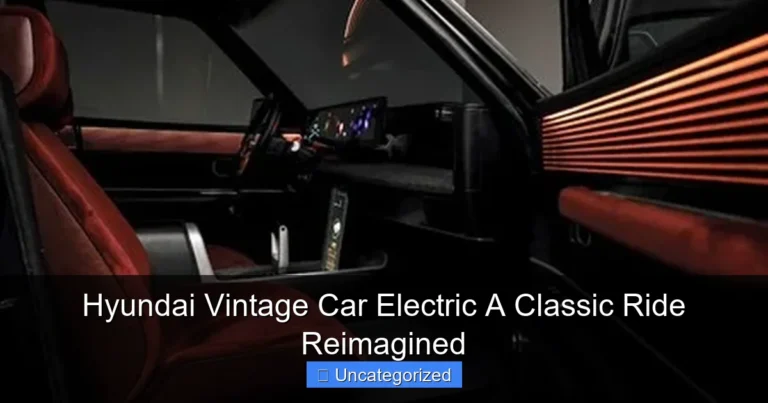
The Ioniq 6 shares the E-GMP platform with the Ioniq 5 but features a lower roofline and a more coupe-like profile, appealing to drivers who prefer a sedan over a hatchback. It also comes with dual 12.3-inch displays (digital gauge cluster and infotainment), ambient lighting with customizable colors, and a solar roof option that can add up to 1,000 miles of range per year in ideal conditions. For daily commuters, the Ioniq 6 is a dream—offering smooth handling, whisper-quiet operation, and regenerative braking that can be adjusted via paddle shifters for one-pedal driving.
Ioniq 7: The Future of Family EVs (Coming 2025)
Slated for release in 2025, the Ioniq 7 is Hyundai’s answer to the growing demand for three-row electric SUVs. Based on the same E-GMP platform, it will offer seating for up to seven passengers, making it ideal for larger families or those who frequently travel with groups. While official specs are still pending, early reports suggest a range of 300+ miles and support for ultra-fast charging. Hyundai has also teased advanced features like rear-seat relaxation mode, where second-row seats recline fully with leg rests—perfect for long journeys.
The Ioniq 7 is expected to include Hyundai’s latest driver-assistance suite, including Highway Driving Assist 2 (HDA2) and Remote Smart Parking Assist. With the rise of electric minivans and large SUVs (like the Kia EV9, which shares the platform), the Ioniq 7 could redefine family mobility by combining space, sustainability, and smart tech in one package.
Performance and Powertrain: Engineering Excellence Under the Hood
When it comes to Hyundai electric car performance, the numbers speak for themselves—but it’s the engineering behind them that truly impresses. The E-GMP platform is a marvel of modern automotive design, enabling Hyundai to deliver high performance, long range, and fast charging without sacrificing comfort or safety. Let’s break down the key components that make Hyundai’s EVs so capable.
E-GMP Platform: The Backbone of Hyundai’s EV Success
The Electric-Global Modular Platform (E-GMP) is Hyundai’s proprietary EV architecture, developed specifically for electric vehicles. Unlike retrofitted platforms used by some competitors, E-GMP is designed from the ground up to maximize efficiency, space, and performance. Key advantages include:
- Flat floor design: Eliminates the center hump, creating more legroom and a spacious cabin.
- Modular battery system: Allows for flexible battery configurations (58 kWh, 77.4 kWh) and easy upgrades.
- 800-volt electrical system: Enables ultra-fast charging and reduces energy loss during power delivery.
- Rear-wheel drive default: Provides better handling and traction, with AWD available for enhanced grip.
For example, the Ioniq 5’s E-GMP platform allows for a “flat skateboard” battery pack that sits low in the chassis, lowering the center of gravity and improving stability during cornering. This design also enables a 3,000-pound towing capacity in AWD models—unheard of in most compact EVs.
Motor and Drivetrain Options: Balancing Power and Efficiency
Hyundai offers multiple drivetrain configurations across its electric models:
- Rear-Wheel Drive (RWD): Standard on most trims, delivering smooth, efficient performance. The Ioniq 6 Long Range RWD produces 225 hp and 258 lb-ft of torque.
- All-Wheel Drive (AWD): Adds a front motor for better traction and acceleration. The Ioniq 5 AWD generates 320 hp and 446 lb-ft of torque, enabling a 5.0-second 0–60 mph sprint.
- Dual Motor Torque Vectoring: Available on higher trims, this system distributes power between the left and right wheels for sharper handling and improved cornering.
In real-world testing, the AWD Ioniq 5 handles snow, rain, and mountain roads with confidence. One owner from Colorado reported driving over 100 miles on icy mountain passes without losing traction—thanks to the AWD system and winter driving mode.
Regenerative Braking: Maximizing Range with Smart Technology
Hyundai’s EVs come with i-Pedal mode, which allows for one-pedal driving by using regenerative braking to slow the car. Drivers can adjust the strength of regeneration via paddle shifters behind the steering wheel:
- Level 0: Coasting (no regeneration).
- Level 3: Strong regeneration, enabling near-full stops without using the brake pedal.
- Auto mode: Uses navigation data to adjust regeneration based on road conditions (e.g., stronger regen before curves or stops).
This feature not only enhances driving convenience but also increases range by up to 10% in stop-and-go traffic. For urban drivers, it’s a game-changer—especially in cities like Los Angeles or Chicago with heavy congestion.
Charging and Range: Real-World Usability and Infrastructure
One of the biggest concerns for potential EV buyers is range anxiety—the fear of running out of battery before reaching a charging station. Hyundai addresses this head-on with a combination of long-range batteries, ultra-fast charging, and smart energy management. But how do these features perform in real-world conditions?
Range Comparison: How Hyundai Stacks Up
Here’s a comparison of Hyundai’s electric models against key competitors:
| Model | Battery Size (kWh) | EPA Range (Miles) | 0–60 mph (Sec) | Charging Speed (10–80%) |
|---|---|---|---|---|
| Hyundai Ioniq 5 Long Range RWD | 77.4 | 303 | 7.4 | 18 min (350 kW) |
| Hyundai Ioniq 6 Long Range RWD | 77.4 | 361 | 6.2 | 18 min (350 kW) |
| Tesla Model 3 Long Range | 82 | 333 | 4.2 | 25 min (250 kW) |
| Ford Mustang Mach-E Extended Range | 91 | 305 | 4.8 | 38 min (150 kW) |
| Kia EV6 Long Range RWD | 77.4 | 310 | 7.2 | 18 min (350 kW) |
As the table shows, Hyundai’s Ioniq 6 leads the pack in range, while the Ioniq 5 and Kia EV6 (which shares the E-GMP platform) offer the fastest charging speeds. The 18-minute 10–80% charge is a major advantage for road trips, reducing downtime significantly.
Charging Infrastructure and Home Setup
Hyundai partners with ChargePoint and Electrify America to provide access to over 30,000 public charging stations in the U.S. New buyers also receive 1,000 kWh of free charging at Electrify America stations for three years—enough to cover approximately 4,000 miles of driving.
For home charging, Hyundai recommends installing a Level 2 (240V) charger, which can fully recharge the Ioniq 5 in about 7 hours (compared to 40+ hours with a standard 120V outlet). A typical 50-amp circuit with a 48-amp charger delivers 9.6 kW, ideal for overnight charging. Pro tip: Schedule charging during off-peak hours (e.g., 11 PM–6 AM) to save on electricity bills—some utilities offer discounts for EV owners.
Vehicle-to-Load (V2L): Powering Your Life Beyond the Drive
One of Hyundai’s most innovative features is V2L, which turns the car into a mobile power station. Using an adapter, you can power devices up to 3.6 kW—enough to run:
- Coffee makers
- Portable air conditioners
- Electric grills
- Power tools
- Emergency lights
During the 2023 California wildfires, a Hyundai owner used his Ioniq 5 to power his home for 12 hours after the grid went down. This feature is not just convenient—it’s potentially life-saving in emergencies.
Interior, Tech, and Safety: Where Comfort Meets Innovation
Hyundai’s electric cars aren’t just about performance and range—they’re packed with cutting-edge technology, luxurious interiors, and advanced safety systems. From dual panoramic displays to AI-powered driver assistance, these vehicles offer a premium experience at a competitive price.
Interior Design: Spacious, Sustainable, and Smart
Hyundai uses eco-friendly materials throughout its EVs, including:
- Recycled PET bottles for seat fabric (up to 32 bottles per seat).
- Bio-based paints and vegetable leather alternatives.
- Sustainable wood trim from certified forests.
The Ioniq 5 features a sliding center console that moves back up to 5.5 inches, creating a walk-through cabin—ideal for parents loading children into rear seats. The Ioniq 6 offers a “relaxation mode” where front seats recline fully with footrests, turning the car into a mobile lounge.
Infotainment and Connectivity
All Hyundai EVs come with a 12.3-inch touchscreen running Hyundai’s latest infotainment system, which includes:
- Wireless Apple CarPlay and Android Auto
- Over-the-air (OTA) software updates
- Built-in navigation with real-time traffic and charging station data
- Voice control with natural language processing (e.g., “Find the nearest fast charger”)
The system also integrates with the Bluelink app, allowing remote start, climate control, and vehicle tracking from your smartphone.
Safety and Driver Assistance
Hyundai’s SmartSense suite includes:
- Forward Collision-Avoidance Assist (FCA) with pedestrian and cyclist detection
- Highway Driving Assist 2 (HDA2) for semi-autonomous highway driving
- Blind-Spot View Monitor that shows a video feed in the instrument cluster when signaling
- Remote Smart Parking Assist for hands-free parking in tight spots
In IIHS testing, the Ioniq 5 earned a Top Safety Pick+ rating, thanks to its robust structure and advanced driver aids.
Ownership Experience: Cost, Maintenance, and Long-Term Value
Buying an EV is a long-term investment, and Hyundai makes ownership as hassle-free as possible. From warranties to battery longevity, here’s what you need to know.
Pricing and Incentives
The Ioniq 5 starts at $41,650 (before federal tax credits), while the Ioniq 6 begins at $42,785. With the $7,500 federal EV tax credit, the effective price drops to $34,150 and $35,285, respectively. Hyundai also offers state-specific incentives—California, for example, provides an additional $2,000 rebate.
Maintenance and Battery Warranty
Hyundai’s EVs come with a 10-year/100,000-mile powertrain warranty and a 10-year/100,000-mile battery warranty—among the best in the industry. EVs also have fewer moving parts, reducing maintenance costs:
- No oil changes
- No exhaust system
- No spark plugs or fuel injectors
According to Consumer Reports, Hyundai EVs cost 50% less to maintain than comparable ICE vehicles over five years.
Resale Value and Depreciation
Hyundai’s EVs are holding value well. The Ioniq 5 retains 65% of its value after three years, outperforming the industry average of 55%. High demand for fast-charging, long-range EVs is a key factor.
Conclusion: Why Hyundai Electric Cars Are a Smart Choice
After an in-depth look at Hyundai’s electric vehicle lineup, it’s clear that the brand is not just participating in the EV revolution—it’s leading it. With the Ioniq 5’s ultra-fast charging, the Ioniq 6’s record-breaking range, and the upcoming Ioniq 7’s family-friendly design, Hyundai offers something for every type of driver. The E-GMP platform delivers a winning combination of performance, efficiency, and innovation, while features like V2L, i-Pedal, and OTA updates set a new standard for user experience.
But beyond the specs and features, what truly sets Hyundai apart is its value proposition. These vehicles offer premium technology and comfort at a price that’s accessible, backed by industry-leading warranties and low ownership costs. Whether you’re a first-time EV buyer or a seasoned enthusiast, a Hyundai electric car delivers on performance, sustainability, and peace of mind. As the world accelerates toward a zero-emission future, Hyundai isn’t just keeping up—it’s paving the way. If you’re ready to make the switch, the future is already here.
Frequently Asked Questions
What are the top features of the Hyundai electric car lineup?
Hyundai electric cars, like the IONIQ 5 and Kona Electric, stand out with ultra-fast charging (10-80% in 18 minutes), vehicle-to-load (V2L) power capability, and advanced driver-assistance systems (ADAS). Their spacious, tech-forward interiors and eco-friendly materials also set a new benchmark in the EV segment.
How does the performance of a Hyundai electric car compare to rivals?
With dual-motor AWD options, Hyundai EVs deliver impressive acceleration (0-60 mph in under 5 seconds for the IONIQ 5) and balanced handling. Their extended range (up to 303 miles on a single charge) and regenerative braking systems make them competitive with Tesla and Ford Mustang Mach-E.
What is the driving range of Hyundai electric cars on a full charge?
Depending on the model, Hyundai electric cars offer ranges from 258 miles (Kona Electric) to 303 miles (IONIQ 5). Real-world range may vary based on driving habits, terrain, and use of climate control.
Are Hyundai electric cars eligible for government incentives or tax credits?
Yes, many Hyundai electric cars qualify for federal and state EV incentives, including the U.S. Clean Vehicle Tax Credit (up to $7,500). Eligibility depends on battery sourcing and assembly location, so check current guidelines before purchase.
How long does it take to charge a Hyundai electric car?
Using a 350kW DC fast charger, Hyundai EVs can recharge from 10% to 80% in as little as 18 minutes. Level 2 (240V) charging takes 6-7 hours for a full charge, ideal for overnight home charging.
What warranty coverage comes with a Hyundai electric car?
Hyundai offers a best-in-class 10-year/100,000-mile powertrain warranty and a 5-year/60,000-mile basic warranty. The high-voltage battery is also covered for 10 years/100,000 miles, providing long-term peace of mind for EV owners.