Hyundai Electric Car Review Top Features and Benefits Explored
Featured image for hyundai.electric car
Image source: images.carexpert.com.au
The Hyundai electric car lineup delivers exceptional value with cutting-edge technology, long-range capabilities, and ultra-fast charging across models like the IONIQ 5 and IONIQ 6. With best-in-class safety ratings and a sleek, aerodynamic design, Hyundai’s EVs combine performance, efficiency, and smart features like Vehicle-to-Load (V2L) power sharing. Backed by an industry-leading warranty, Hyundai is redefining affordable luxury in the electric vehicle market.
Key Takeaways
- Impressive range: Hyundai electric cars offer up to 300+ miles on a single charge.
- Fast charging: Recharge 80% in under 20 minutes with DC fast charging support.
- Smart tech integration: Seamless connectivity with Hyundai’s Bluelink app for remote control.
- Spacious interiors: Maximized cabin space thanks to dedicated electric vehicle platform design.
- Strong warranty: Enjoy 10-year/100,000-mile battery warranty for long-term peace of mind.
- Eco-friendly materials: Sustainable interior materials reduce environmental impact without sacrificing comfort.
📑 Table of Contents
- Hyundai Electric Car Review: Top Features and Benefits Explored
- 1. Cutting-Edge Design and Aerodynamics
- 2. Impressive Range and Charging Capabilities
- 3. Advanced Technology and Smart Features
- 4. Performance and Driving Experience
- 5. Ownership Benefits and Cost Efficiency
- 6. Sustainability and Environmental Impact
- Conclusion
Hyundai Electric Car Review: Top Features and Benefits Explored
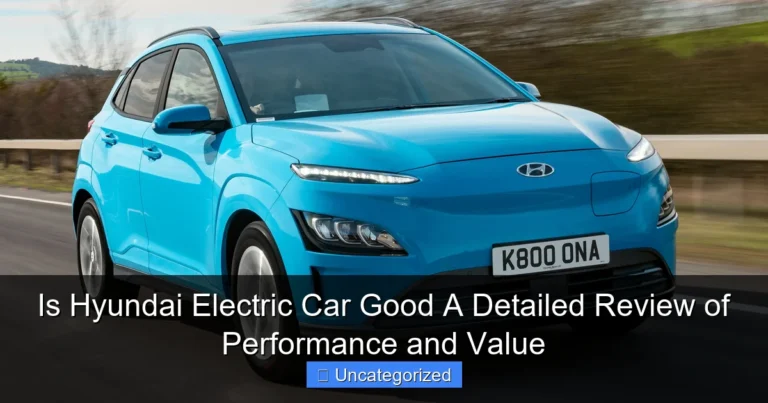
The electric vehicle (EV) revolution is no longer a futuristic concept—it’s here, and Hyundai electric cars are leading the charge with cutting-edge technology, bold designs, and impressive performance. As one of the most innovative automakers in the world, Hyundai has invested heavily in electrification, offering a diverse lineup of battery-electric vehicles (BEVs) that cater to a wide range of drivers. From eco-conscious city commuters to performance enthusiasts and large families, Hyundai’s electric vehicles deliver a compelling mix of range, comfort, safety, and smart features.
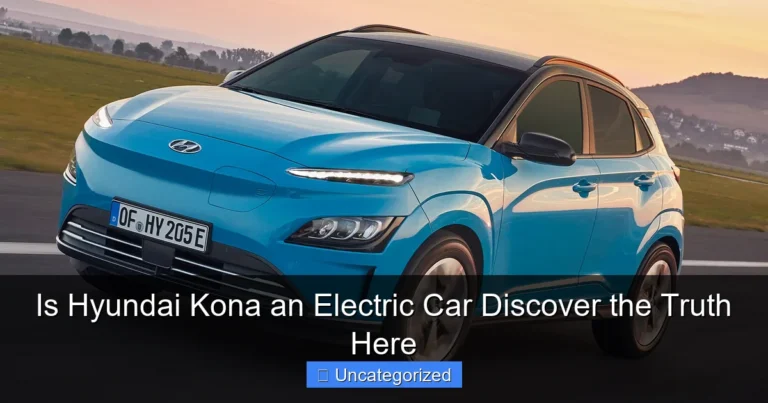
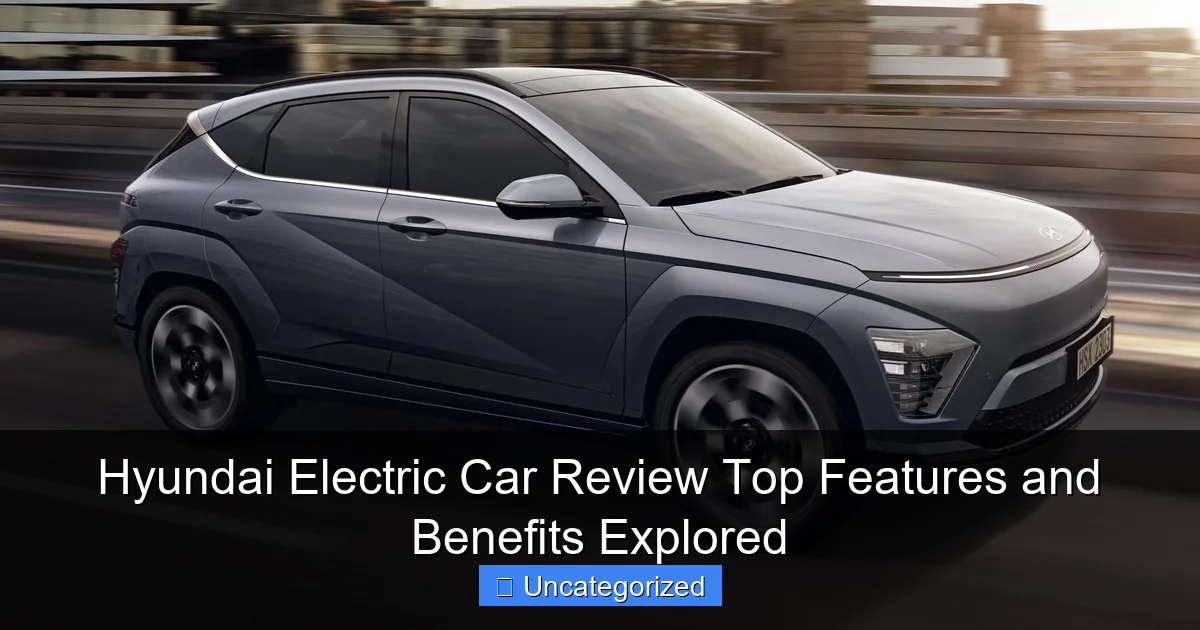
With models like the Hyundai Ioniq 5, Ioniq 6, Kona Electric, and the upcoming Ioniq 7, Hyundai is redefining what it means to drive electric. These vehicles aren’t just about zero emissions—they represent a holistic shift in mobility, integrating advanced driver assistance systems, ultra-fast charging, and sustainable materials into everyday driving experiences. Whether you’re considering your first EV or upgrading from an older model, understanding the top features and benefits of Hyundai electric cars can help you make an informed decision. In this comprehensive review, we’ll dive deep into what sets Hyundai apart in the competitive EV market, explore real-world performance, and uncover why more drivers are making the switch to Hyundai’s electric lineup.
1. Cutting-Edge Design and Aerodynamics
Futuristic Aesthetics with Purpose
Hyundai electric cars are instantly recognizable thanks to their bold, futuristic designs that blend form and function. The Ioniq 5, for example, features a retro-futuristic “Parametric Pixel” design language that pays homage to 1970s hatchbacks while incorporating modern LED lighting, flush door handles, and sharp character lines. This isn’t just about looks—every curve and contour is optimized for aerodynamics. The Ioniq 5 achieves a drag coefficient of just 0.288 Cd, which is exceptionally low for a crossover SUV. This directly translates to improved efficiency, extended range, and reduced wind noise at highway speeds.
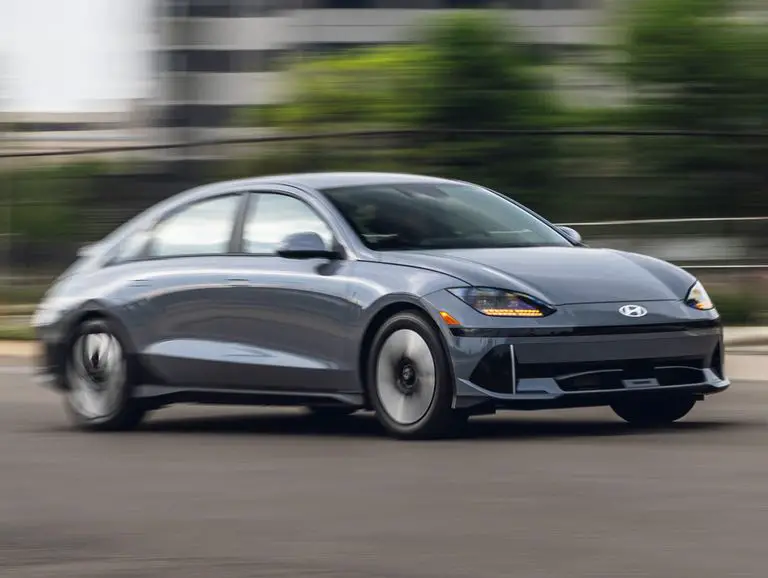
Similarly, the Ioniq 6 takes aerodynamics to another level with a sleek, fastback sedan profile that achieves a drag coefficient of 0.21 Cd—one of the best in its class. The sloping roofline, active air flaps, and underbody covers all contribute to minimizing air resistance, making the Ioniq 6 one of the most efficient EVs on the market. Hyundai’s design philosophy emphasizes “Sensuous Sportiness”, which balances emotional appeal with engineering precision.
Sustainable Materials and Interior Innovation
Inside, Hyundai electric cars showcase a commitment to sustainability without sacrificing luxury. The Ioniq 5 and Ioniq 6 use eco-friendly materials such as recycled PET bottles for carpets, bio-based fabrics for seat upholstery, and natural wood or bamboo trims. For instance, the headliner in the Ioniq 5 is made from 100% recycled plastic bottles, and the dashboard features bio-paint derived from corn and sugar cane.
Beyond sustainability, the interior design is driver-centric and highly functional. The flat floor—made possible by the dedicated EV platform—creates a spacious, lounge-like cabin. The sliding center console in the Ioniq 5 allows for flexible storage and can be repositioned to create a walk-through space, ideal for families or urban drivers who need easy access to both sides of the vehicle.
Pro Tip: When choosing a Hyundai electric car, consider how the design impacts daily usability. For example, the Ioniq 5’s wide-opening rear doors and low step-in height make it easier for children and elderly passengers to enter and exit. The panoramic sunroof (optional) enhances the sense of space, especially in city driving.
2. Impressive Range and Charging Capabilities
Long-Range Performance for Every Lifestyle
One of the biggest concerns for EV buyers is range anxiety—fear of running out of battery before reaching a charging station. Hyundai addresses this with competitive range figures across its electric lineup. The Ioniq 5 Long Range (77.4 kWh battery) delivers an EPA-estimated 303 miles on a single charge, while the Ioniq 6 Long Range can go up to 361 miles, making it one of the longest-range electric sedans available.
The Kona Electric, a more compact option, offers up to 258 miles—ideal for city dwellers and suburban commuters who don’t need extreme range but still want a reliable daily driver. Hyundai’s use of high-capacity lithium-ion polymer batteries ensures consistent performance across temperature variations, with thermal management systems that maintain battery efficiency in both summer heat and winter cold.
Ultra-Fast 800V Charging Technology
What truly sets Hyundai electric cars apart is their 800V charging architecture, first introduced in the Ioniq 5 and Ioniq 6. Unlike most EVs that use 400V systems, Hyundai’s 800V platform allows for ultra-fast charging. When connected to a 350 kW DC fast charger, the Ioniq 5 can charge from 10% to 80% in just 18 minutes. That’s faster than the time it takes to grab a coffee and use the restroom at a highway rest stop.
Here’s a real-world example: On a cross-country trip from Los Angeles to Las Vegas, a driver can charge the Ioniq 5 from 20% to 80% in under 20 minutes at a Electrify America station, adding over 200 miles of range. This dramatically reduces charging downtime and makes long-distance EV travel more practical than ever.
Additionally, Hyundai includes Vehicle-to-Load (V2L) functionality in many of its EVs. This allows the car to power external devices—like camping gear, laptops, or even another EV in an emergency—using a standard 120V outlet built into the charging port. The Ioniq 5 and Ioniq 6 can supply up to 3.6 kW of power, turning your car into a mobile power station.
Pro Tip: To maximize charging efficiency, use Hyundai’s Bluelink app to pre-condition the battery while still plugged in. This warms the battery to optimal temperature before driving, improving both range and charging speed, especially in cold weather.
3. Advanced Technology and Smart Features
Digital Cockpit and Infotainment
Hyundai electric cars are packed with high-tech features that enhance both convenience and safety. The dual 12.3-inch curved displays (one for the digital gauge cluster, one for infotainment) create a seamless, high-resolution interface. The infotainment system runs on Hyundai’s latest software, offering intuitive navigation, voice recognition, and over-the-air (OTA) updates that keep the car’s software current without a dealership visit.
Features like wireless Apple CarPlay and Android Auto, a premium Bose sound system, and a head-up display (HUD) with augmented reality navigation (available on Ioniq 5 and Ioniq 6) make every drive more enjoyable. The HUD projects navigation cues directly onto the windshield, showing real-time turn-by-turn directions overlaid on the road ahead—a game-changer for urban navigation.
Hyundai SmartSense: Safety and Driver Assistance
Safety is a top priority, and Hyundai’s SmartSense suite of driver assistance technologies is among the most comprehensive in the industry. Standard and available features include:
- Highway Driving Assist 2 (HDA2): Combines adaptive cruise control and lane centering for hands-on semi-autonomous highway driving. It can automatically change lanes when the driver signals.
- Remote Smart Parking Assist (RSPA): Allows the car to park itself—even in tight parallel spots—using the key fob or smartphone app. Perfect for garages or crowded parking lots.
- Forward Collision-Avoidance Assist (FCA): Detects vehicles, pedestrians, and cyclists, and applies emergency braking if necessary.
- Blind-Spot View Monitor: Shows a live camera feed of the blind spot in the digital gauge cluster when the turn signal is activated.
- Safe Exit Assist: Warns passengers if a vehicle or cyclist is approaching when opening the door.
These systems use a combination of radar, cameras, and ultrasonic sensors to create a 360-degree awareness of the vehicle’s surroundings. In crash tests, the Ioniq 5 earned a Top Safety Pick+ rating from the Insurance Institute for Highway Safety (IIHS), thanks to its strong structure and advanced safety tech.
Pro Tip: Take time to customize the SmartSense settings in the infotainment menu. For example, you can adjust the sensitivity of lane-keeping assist or set the distance for adaptive cruise control to match your driving style.
4. Performance and Driving Experience
Instant Torque and Smooth Acceleration
One of the most satisfying aspects of driving a Hyundai electric car is the instant torque delivery from the electric motor. Unlike internal combustion engines that need to build RPMs, EVs provide maximum torque the moment the accelerator is pressed. The Ioniq 5 AWD model, for example, produces 320 horsepower and 446 lb-ft of torque, launching from 0 to 60 mph in just 5.0 seconds. The Ioniq 6 AWD is even quicker, hitting 60 mph in 4.7 seconds.
Despite the performance, Hyundai electric cars are tuned for comfort. The multi-link rear suspension and adaptive dampers (available on higher trims) provide a smooth, composed ride over rough pavement. The low center of gravity—thanks to the floor-mounted battery pack—improves handling and reduces body roll during cornering.
Regenerative Braking and Drive Modes
Hyundai offers multiple levels of regenerative braking, allowing drivers to customize how much energy is recovered during deceleration. Using the paddle shifters behind the steering wheel, you can adjust from Level 0 (no regeneration) to Level 3 (strong regeneration), or enable i-Pedal mode for one-pedal driving. In i-Pedal mode, lifting off the accelerator brings the car to a complete stop without using the brake pedal—ideal for city traffic.
The drive mode selector lets you choose between Eco, Normal, Sport, and Snow modes. In Sport mode, the throttle response sharpens, steering becomes heavier, and the digital gauge cluster switches to a performance-oriented layout. Eco mode maximizes range by limiting power output and adjusting climate control settings.
Pro Tip: Use regenerative braking strategically. In city driving, higher regen levels reduce brake wear and increase efficiency. On highways, lower regen settings provide a more natural coasting feel.
5. Ownership Benefits and Cost Efficiency
Lower Total Cost of Ownership
While the upfront price of a Hyundai electric car may be higher than a comparable gas-powered model, the total cost of ownership (TCO) is often lower. Here’s why:
- Fuel Savings: Charging an EV at home is significantly cheaper than filling a gas tank. At an average U.S. electricity rate of $0.14/kWh, the Ioniq 5 costs about $10.80 to fully charge (77.4 kWh battery), delivering over 300 miles of range—less than $0.04 per mile.
- Reduced Maintenance: EVs have fewer moving parts—no oil changes, no spark plugs, no transmission fluid. Hyundai includes a 10-year/100,000-mile battery warranty and a 5-year/60,000-mile comprehensive warranty, giving buyers peace of mind.
- Tax Incentives: Depending on your location, you may qualify for federal, state, or local EV tax credits. For example, the U.S. federal tax credit offers up to $7,500 for eligible models (check IRS guidelines for current eligibility).
Home Charging and Public Network Access
Hyundai partners with ChargePoint and Electrify America to provide seamless access to over 75,000 public charging stations across North America. New Hyundai EV buyers often receive two years of complimentary 30-minute charging sessions at Electrify America stations—great for road trips.
For home charging, Hyundai recommends a Level 2 (240V) charger, which can fully charge the Ioniq 5 in about 6.5 hours using a 48-amp charger. Many utility companies offer rebates for installing home chargers, and Hyundai provides a free 25-foot charging cable with every purchase.
Pro Tip: Use Hyundai’s Bluelink app to schedule charging during off-peak hours (e.g., overnight) when electricity rates are lower. You can also remotely start charging, check battery status, and pre-condition the cabin before driving.
6. Sustainability and Environmental Impact
Green Manufacturing and Supply Chain
Hyundai isn’t just building electric cars—it’s building a sustainable ecosystem. The company’s Asan plant in South Korea, where the Ioniq 5 is manufactured, uses 100% renewable energy and recycles 97% of its water. Hyundai has committed to achieving carbon neutrality by 2045 and plans to offer 17 EV models by 2030.
The battery packs are designed for second-life applications—after their automotive use, they can be repurposed for energy storage in homes or solar farms. Hyundai also invests in closed-loop battery recycling to recover valuable materials like lithium, cobalt, and nickel.
Reduced Carbon Footprint Over Time
Even when accounting for electricity generation, EVs produce significantly fewer greenhouse gases than gas cars. According to the U.S. Department of Energy, the well-to-wheel emissions of a Hyundai Ioniq 5 are about 50% lower than a comparable gasoline-powered SUV. In regions with clean energy grids (e.g., California, Washington), that number drops to 70-80% lower.
By choosing a Hyundai electric car, drivers contribute to cleaner air, reduced noise pollution, and a smaller carbon footprint—all without sacrificing performance or comfort.
Pro Tip: Pair your Hyundai EV with a home solar panel system to charge using 100% renewable energy. Hyundai offers partnerships with solar providers to make this transition easier.
Conclusion
Hyundai electric cars are more than just zero-emission vehicles—they represent a bold vision for the future of mobility. With innovative design, ultra-fast charging, cutting-edge technology, thrilling performance, and long-term cost savings, Hyundai has positioned itself as a leader in the EV market. Whether you’re drawn to the retro-futuristic Ioniq 5, the sleek Ioniq 6, or the practical Kona Electric, there’s a Hyundai EV to match your lifestyle and values.
From the 800V charging platform that makes long trips feasible to the V2L feature that turns your car into a mobile power source, Hyundai’s attention to detail sets it apart. The company’s commitment to sustainability, safety, and smart technology ensures that every drive is not only enjoyable but also responsible. As EV infrastructure continues to expand and battery technology improves, Hyundai is poised to remain at the forefront of the electric revolution.
If you’re ready to make the switch, now is the perfect time. With strong warranties, generous charging incentives, and a growing network of public chargers, Hyundai electric cars offer an unmatched combination of innovation, value, and environmental stewardship. Experience the future of driving—start your journey with a Hyundai EV today.
| Model | Battery Capacity | Range (EPA) | 0-60 mph | Fast Charging (10-80%) | Starting Price (USD) |
|---|---|---|---|---|---|
| Hyundai Ioniq 5 | 77.4 kWh | 303 miles | 5.0 sec (AWD) | 18 minutes | $41,450 |
| Hyundai Ioniq 6 | 77.4 kWh | 361 miles | 4.7 sec (AWD) | 18 minutes | $45,500 |
| Hyundai Kona Electric | 64.8 kWh | 258 miles | 7.9 sec (FWD) | 47 minutes | $34,050 |
Frequently Asked Questions
What are the top features of a Hyundai electric car?
Hyundai electric cars boast cutting-edge features like long-range batteries, ultra-fast charging (up to 80% in 18 minutes), and advanced driver-assistance systems (ADAS). Models like the IONIQ 5 and Kona Electric also offer vehicle-to-load (V2L) technology and a minimalist, tech-forward interior.
How does the Hyundai electric car range compare to competitors?
With ranges up to 303 miles (IONIQ 5) and 258 miles (Kona Electric), Hyundai electric cars compete closely with Tesla and Ford. Their real-world performance is enhanced by heat pump systems that preserve range in cold weather.
Is the Hyundai electric car eligible for government incentives?
Yes, most Hyundai electric cars qualify for federal tax credits (up to $7,500 in the U.S.) and local incentives like HOV lane access. Eligibility varies by region and battery sourcing, so check current programs before purchasing.
How long does it take to charge a Hyundai electric car?
Using a 350kW DC fast charger, Hyundai’s E-GMP platform vehicles (like IONIQ 5/6) charge from 10% to 80% in just 18 minutes. Level 2 home charging takes 6-9 hours for a full charge, depending on the model.
What warranty coverage comes with a Hyundai electric car?
Hyundai offers an industry-leading 10-year/100,000-mile powertrain warranty and 5-year/unlimited-mile roadside assistance. The high-voltage battery is covered for 8 years/100,000 miles against capacity loss below 70%.
Can Hyundai electric cars handle extreme weather conditions?
Yes, Hyundai electric cars feature battery preconditioning and heat pumps to optimize performance in cold climates. Their battery management systems also prevent overheating in high temperatures, ensuring reliable operation year-round.