Hyundai Electric Cars The Future of EcoFriendly Driving
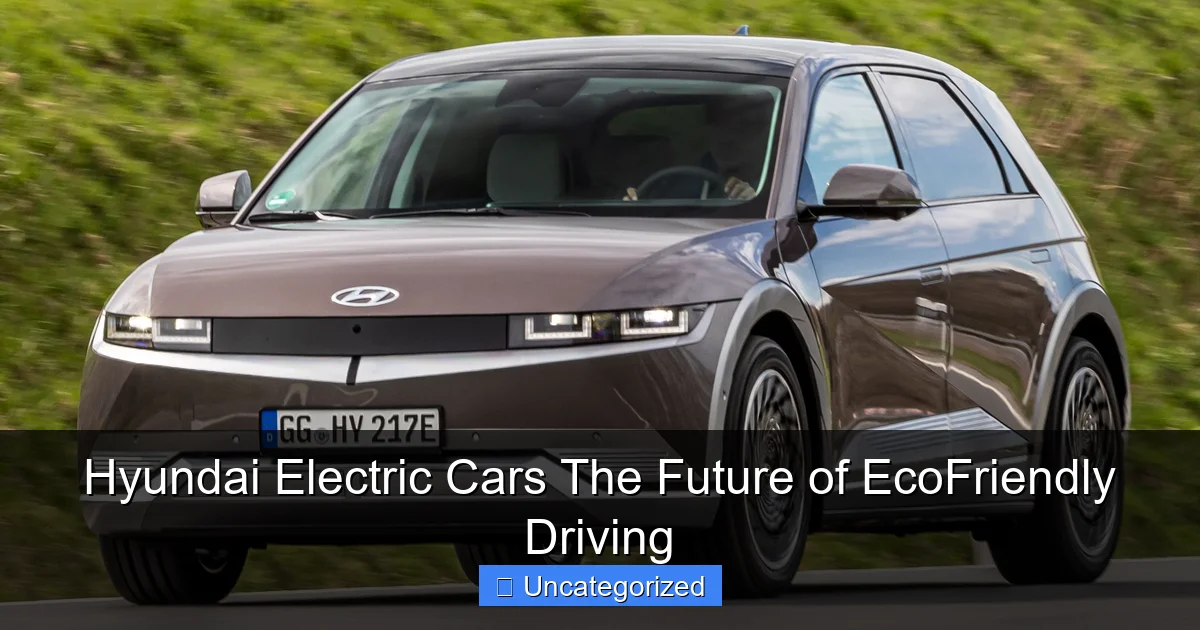
Featured image for hyundai electric cars
Image source: assets.adac.de
Hyundai electric cars are redefining eco-friendly driving with cutting-edge technology, impressive range, and sustainable design. From the IONIQ 5 to the Kona Electric, Hyundai delivers high-performance EVs that combine affordability, innovation, and zero emissions—making them a top choice for the future of green mobility.
Key Takeaways
- Hyundai EVs offer long ranges – Up to 300+ miles per charge, ideal for daily commutes and road trips.
- Fast-charging capability – Recharge up to 80% in 18 minutes with DC fast charging.
- Affordable pricing – Competitive models like Kona Electric make EV ownership accessible.
- Advanced battery tech – Lithium-ion polymer batteries ensure longevity and consistent performance.
- Eco-conscious interior – Sustainable materials used in seats, trims, and carpeting.
- Smart driving features – Hyundai SmartSense includes autonomous emergency braking and lane-keeping assist.
📑 Table of Contents
- The Rise of Hyundai Electric Cars: A Revolution in Sustainable Mobility
- Why Hyundai Electric Cars Are Leading the EV Race
- Top Hyundai Electric Car Models: A Detailed Comparison
- Charging Made Easy: Hyundai’s EV Ecosystem
- Eco-Friendly Driving: How Hyundai Reduces Your Carbon Footprint
- Hyundai vs. Competitors: How Do They Stack Up?
- Conclusion: Hyundai Electric Cars—Driving the Green Revolution
The Rise of Hyundai Electric Cars: A Revolution in Sustainable Mobility
In the rapidly evolving world of automotive technology, Hyundai electric cars have emerged as a beacon of innovation, sustainability, and performance. As global concerns about climate change and carbon emissions intensify, automakers are racing to electrify their lineups. Hyundai, a South Korean giant known for its reliability and forward-thinking approach, is leading this charge with a bold commitment to electrification. From the sleek Ioniq 5 to the family-friendly Kona Electric, Hyundai has positioned itself as a serious contender in the competitive EV market, blending cutting-edge technology with affordability and style.
What sets Hyundai apart is its holistic approach to electric mobility. The company isn’t just building electric vehicles (EVs)—it’s reimagining the entire ownership experience. With advancements in battery technology, charging infrastructure partnerships, and a focus on user-centric design, Hyundai electric cars are redefining what it means to drive sustainably. Whether you’re a first-time EV buyer or a seasoned green commuter, Hyundai offers a range of options that promise to deliver eco-friendly driving without compromising on comfort, range, or driving excitement. This blog post explores why Hyundai is shaping the future of electric mobility and how its vehicles are paving the way for a cleaner, greener tomorrow.
Why Hyundai Electric Cars Are Leading the EV Race
Hyundai’s aggressive push into the electric vehicle market is backed by a clear vision: to become a top-three EV brand globally by 2030. With over $10 billion invested in electrification and hydrogen fuel cell technologies, Hyundai isn’t just dipping its toes into the EV waters—it’s diving in headfirst. But what exactly makes Hyundai electric cars stand out in a crowded market?
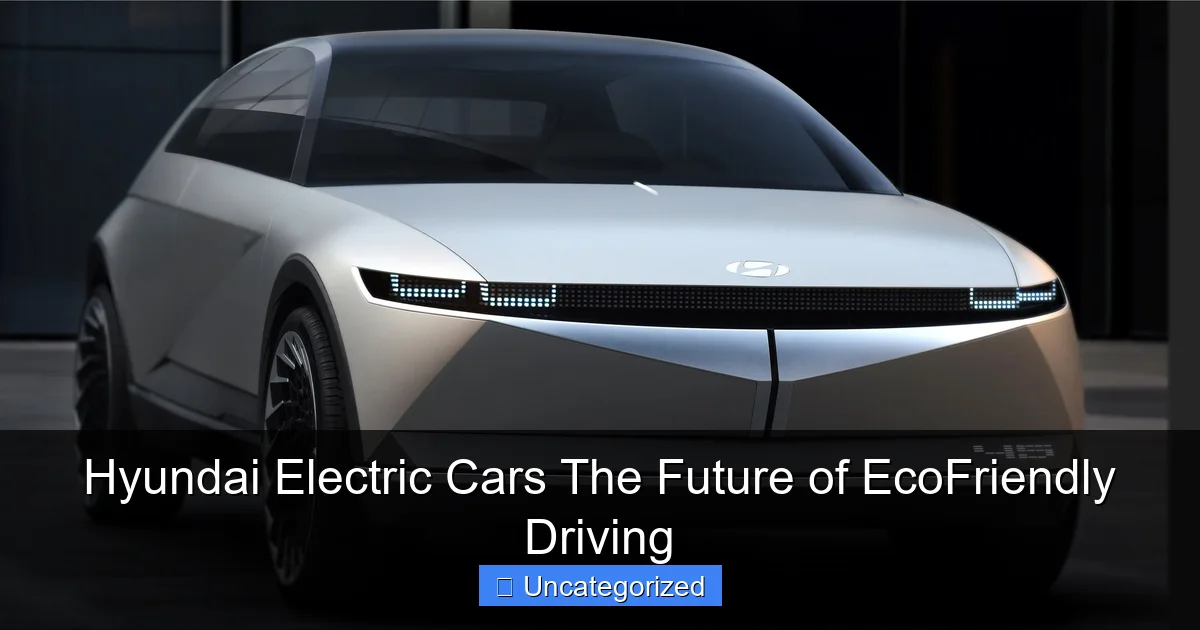
Visual guide about hyundai electric cars
Image source: electrichunter.com
1. The E-GMP Platform: A Game-Changing Foundation
At the heart of Hyundai’s electric revolution is the Electric-Global Modular Platform (E-GMP), a dedicated EV architecture designed from the ground up to maximize efficiency, performance, and space. Unlike many competitors that retrofit combustion engines for electric use, Hyundai built E-GMP specifically for EVs, resulting in:
- 800-volt ultra-fast charging capability (adds 60 miles of range in just 5 minutes)
- Longer wheelbase for increased cabin and cargo space
- Rear-wheel drive (RWD) as standard, with optional all-wheel drive (AWD)
- Improved weight distribution and lower center of gravity for better handling
This platform underpins the Ioniq 5, Ioniq 6, and upcoming Ioniq 7, offering a level of refinement and scalability that few rivals can match. For example, the Ioniq 5 can charge from 10% to 80% in just 18 minutes using a 350 kW DC fast charger—a feature that dramatically reduces “range anxiety” for long-distance drivers.
2. Industry-Leading Warranty and Ownership Benefits
Hyundai electric cars come with one of the most comprehensive warranties in the industry: 10 years/100,000 miles for the powertrain and 5 years/60,000 miles for the battery. This long-term coverage provides peace of mind, especially for buyers concerned about battery degradation. Additionally, Hyundai offers:
- Free maintenance for 3 years/36,000 miles
- Complimentary 24/7 roadside assistance
- Access to the Hyundai Charge network (over 30,000 charging stations in the U.S.)
These perks make Hyundai EVs not just affordable to buy, but also cost-effective to own over time.
3. Competitive Pricing with Federal and State Incentives
Hyundai electric cars are priced to compete. For instance, the 2024 Kona Electric starts at $34,000, while the Ioniq 5 ranges from $41,000 to $57,000. When factoring in the federal tax credit of $7,500 (for eligible buyers) and additional state incentives (e.g., California’s $2,000 Clean Vehicle Rebate), the effective price becomes highly competitive. Tip: Check your state’s EV incentive programs—many offer rebates, tax credits, or free parking for electric vehicles.
Top Hyundai Electric Car Models: A Detailed Comparison
Hyundai offers a diverse lineup of electric vehicles, each tailored to different needs and preferences. Here’s a breakdown of the most popular models:
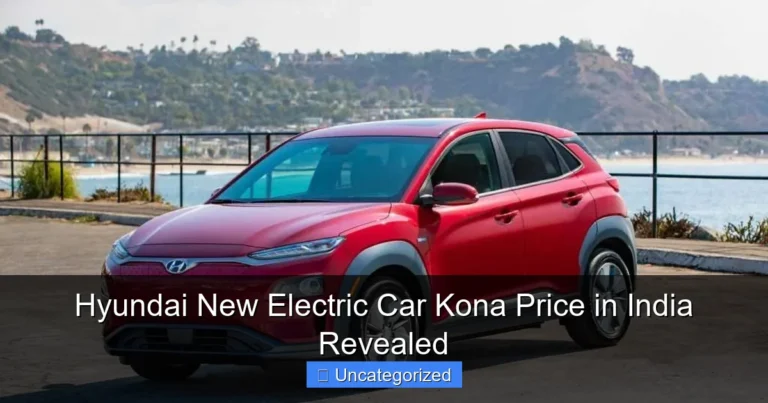
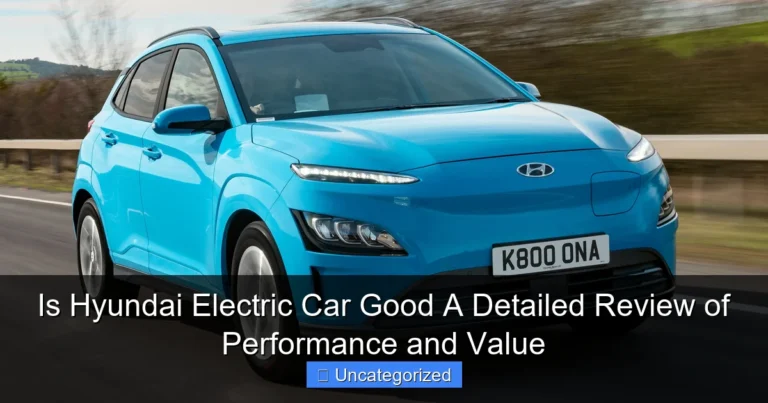
1. Hyundai Kona Electric: The Compact Commuter’s Dream
The Kona Electric is a compact SUV perfect for urban drivers. With a 64 kWh battery, it delivers an EPA-estimated 258 miles of range—ideal for daily commutes and weekend errands. Key features include:
- 150 kW DC fast charging (10-80% in 47 minutes)
- Heated steering wheel and front seats (standard)
- Hyundai SmartSense suite (adaptive cruise, lane-keeping assist, etc.)
- Starting MSRP: $34,000
Pro Tip: Opt for the SEL trim to get a larger touchscreen (10.25″) and wireless Apple CarPlay/Android Auto.
2. Hyundai Ioniq 5: The Retro-Futuristic Showstopper
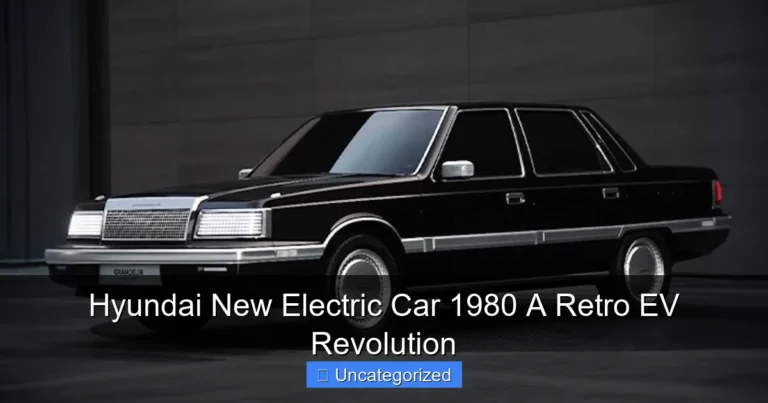
The Ioniq 5 is Hyundai’s flagship EV, blending 1980s design cues with futuristic tech. Built on the E-GMP platform, it offers:
- 320 miles of range (Long Range AWD version)
- Vehicle-to-Load (V2L) capability (power external devices up to 3.6 kW)
- Spacious “living room” interior with reclining front seats
- Starting MSRP: $41,000
Fun fact: The Ioniq 5 can power a laptop, coffee maker, or even a small air conditioner—perfect for road trips or camping.
3. Hyundai Ioniq 6: The Sleek Sedan for Efficiency
The Ioniq 6 is a midsize sedan with a drag coefficient of 0.21, making it one of the most aerodynamic EVs ever built. Highlights:
- 361 miles of range (Long Range RWD)
- Digital side mirrors (optional, reduces wind noise)
- Panoramic curved display (12.3″ infotainment + 12.3″ digital gauge)
- Starting MSRP: $45,500
Ideal for highway drivers who prioritize efficiency and comfort.
4. Upcoming Models: Ioniq 7 and Beyond
Hyundai has confirmed the Ioniq 7, a three-row electric SUV set to launch in 2025. Expected features include:
- 300+ miles of range
- Seating for 7
- Advanced self-driving capabilities (Highway Driving Assist 3.0)
Keep an eye on Hyundai’s “Ioniq” sub-brand—it will soon include hydrogen fuel cell vehicles (FCEVs) as well.
Charging Made Easy: Hyundai’s EV Ecosystem
One of the biggest barriers to EV adoption is charging infrastructure. Hyundai is tackling this head-on with a multi-pronged strategy:
1. Partnerships with Charging Networks
Hyundai electric car owners get free 250 kWh of charging at Electrify America stations for two years. Additionally, Hyundai has partnered with ChargePoint, EVgo, and Blink to offer seamless access to over 30,000 chargers across the U.S. Tip: Use the myHyundai app to locate nearby chargers, check availability, and pay—all from your smartphone.
2. Home Charging Solutions
For home charging, Hyundai recommends the ChargePoint Home Flex (240V Level 2 charger). Key benefits:
- Up to 48 amps of power (charges Kona Electric in ~9 hours)
- Wi-Fi connectivity for scheduling and monitoring
- Works with solar panels for true off-grid charging
Cost: $549 (equipment) + $500 (installation via Hyundai’s partner, Qmerit).
3. Ultra-Fast Charging: The 800-Volt Advantage
Hyundai’s E-GMP platform supports 800-volt charging, which is twice as fast as most competitors’ 400-volt systems. For example:
- Ioniq 5: 18 minutes for 10-80% charge (vs. 30+ minutes for Tesla Model Y)
- Ioniq 6: 18 minutes for 10-80% charge (vs. 28 minutes for Ford Mustang Mach-E)
This makes long road trips far more feasible—just stop for coffee, and your car will gain 200+ miles of range.
Eco-Friendly Driving: How Hyundai Reduces Your Carbon Footprint
Hyundai electric cars aren’t just about cutting emissions—they’re part of a broader sustainability ecosystem. Here’s how:
1. Sustainable Materials in Production
Hyundai uses eco-friendly materials in its EVs, including:
- Recycled PET bottles in seat fabrics (Ioniq 5)
- Bio-based leather and wood trim (Ioniq 6)
- Soy-based foam in headliners
The Ioniq 5 even has a “solar roof” option (generates up to 200 miles of range per year).
2. Renewable Energy in Manufacturing
Hyundai’s Ulsan EV plant in South Korea runs on 100% renewable energy. By 2030, all Hyundai factories will be carbon-neutral. Additionally, the company is investing in:
- Battery recycling programs
- Hydrogen fuel cell technology (for trucks and buses)
- Carbon capture systems
3. Driving Tips to Maximize Efficiency
To get the most out of your Hyundai EV, follow these eco-driving tips:
- Use regenerative braking: Maximize energy recovery by lifting off the accelerator early.
- Precondition the battery: Use the app to heat/cool the battery while plugged in.
- Avoid high speeds: Energy consumption increases exponentially above 65 mph.
- Plan charging stops: Use navigation to locate chargers on your route.
Bonus: The Ioniq 5’s “Eco+ Mode” extends range by up to 10% by limiting acceleration and climate control.
Hyundai vs. Competitors: How Do They Stack Up?
Let’s compare Hyundai electric cars to key rivals in the EV market:
| Model | Range (EPA) | 0-60 mph | Starting Price | Key Advantage |
|---|---|---|---|---|
| Hyundai Ioniq 5 | 303 mi (RWD) | 5.0 sec (AWD) | $41,000 | 800V fast charging |
| Tesla Model Y | 330 mi | 4.8 sec | $45,000 | Supercharger network |
| Ford Mustang Mach-E | 314 mi | 5.1 sec | $43,000 | FordPass charging |
| Hyundai Kona Electric | 258 mi | 6.4 sec | $34,000 | Best-in-class warranty |
| Chevrolet Bolt EV | 247 mi | 6.5 sec | $27,000 | Lowest price |
| Hyundai Ioniq 6 | 361 mi (RWD) | 5.1 sec (AWD) | $45,500 | Lowest drag coefficient |
Note: Prices include federal tax credit eligibility. Hyundai’s combination of range, charging speed, and warranty makes it a top choice for value-conscious buyers.
Conclusion: Hyundai Electric Cars—Driving the Green Revolution
Hyundai electric cars represent more than just a shift from gas to electricity—they embody a vision for a sustainable, tech-driven future. With innovative platforms like E-GMP, industry-leading warranties, and a growing ecosystem of charging solutions, Hyundai is removing the barriers that once held back widespread EV adoption. Whether you’re drawn to the retro-futuristic style of the Ioniq 5, the efficiency of the Ioniq 6, or the practicality of the Kona Electric, there’s a Hyundai EV to fit every lifestyle.
As governments worldwide tighten emissions regulations and consumers demand greener options, Hyundai’s commitment to eco-friendly driving positions it as a leader in the next era of mobility. The future isn’t just electric—it’s Hyundai electric. By choosing a Hyundai EV, you’re not just buying a car; you’re investing in cleaner air, quieter cities, and a healthier planet. The road ahead is electric, and Hyundai is paving the way. Drive green, drive smart, drive Hyundai.
Frequently Asked Questions
What are the most popular Hyundai electric cars available today?
The Hyundai Kona Electric and Ioniq 5 are among the brand’s most popular electric models, offering impressive ranges (up to 300+ miles) and fast-charging capabilities. The Ioniq 6 sedan and upcoming Ioniq 7 SUV further expand Hyundai’s EV lineup for eco-conscious drivers.
How does Hyundai’s electric car range compare to competitors?
Hyundai electric cars like the Ioniq 5 (303 miles) and Kona Electric (258 miles) match or exceed rivals like the Tesla Model 3 and Ford Mustang Mach-E in range. Their 800V architecture also enables ultra-fast charging (10-80% in 18 minutes).
Are Hyundai electric cars eligible for government incentives?
Yes, many Hyundai EVs qualify for federal tax credits (up to $7,500) and state/local incentives, though eligibility depends on battery sourcing. Check the U.S. Department of Energy’s website for current Hyundai electric car incentive programs.
What charging options do Hyundai electric cars support?
All Hyundai EVs work with Level 1 (120V), Level 2 (240V), and DC fast chargers. The Ioniq series features 800V technology for 350kW charging, while built-in navigation helps locate compatible charging stations.
How long do Hyundai electric car batteries last?
Hyundai warranties EV batteries for 10 years/100,000 miles, with most lasting 15-20 years. Real-world data shows minimal degradation (5-10% over 100,000 miles) thanks to advanced thermal management systems.
Can Hyundai electric cars handle extreme weather conditions?
Yes, Hyundai’s battery preconditioning and heat pump systems optimize performance in cold climates. The Kona Electric and Ioniq 5 maintain ~80% of their range in sub-zero temperatures when properly conditioned.