Hyundai Reveals an Electric Concept Car Inspired by the 1980s

Featured image for hyundai reveals an electric concept car inspired by the 1980s
Image source: techspot.com
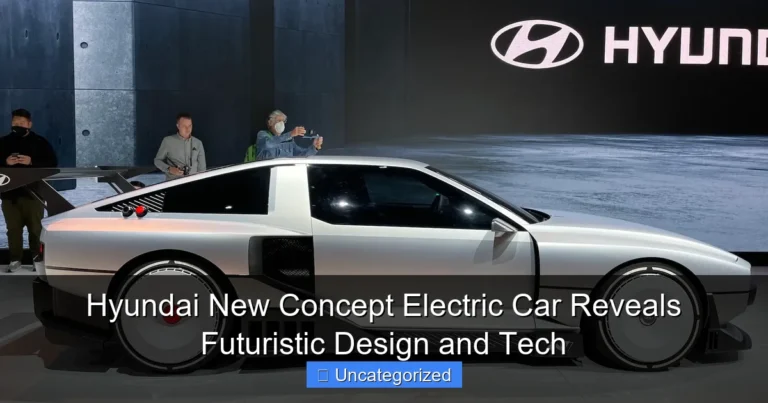
Hyundai has unveiled a striking electric concept car that boldly channels the design and spirit of the 1980s, blending retro aesthetics with cutting-edge EV technology. Inspired by the era’s boxy silhouettes, pop-up headlights, and digital instrumentation, the concept reimagines nostalgic elements for a sustainable, high-performance future.
Key Takeaways
- Retro design: Hyundai blends 1980s aesthetics with futuristic EV tech for standout appeal.
- Electric shift: Concept signals Hyundai’s commitment to electrifying its classic-inspired lineup.
- Tech innovation: Features next-gen battery and AI integration despite nostalgic looks.
- Target market: Appeals to millennials and Gen X with retro-modern nostalgia.
- Production hint: Signals possible future model based on public feedback.
- Sustainability focus: Combines eco-friendly EV power with sustainable interior materials.
📑 Table of Contents
- The 1980s Are Back: Hyundai’s Electrifying Retro Revival
- Design Philosophy: Where Retro Meets the Future
- Technology: The Electric Heart of a Retro Machine
- Market Impact: Why This Concept Matters
- Comparative Analysis: How It Stacks Up Against Competitors
- Future Implications: What’s Next for Hyundai?
- Conclusion: A Bold Leap Into the Past and Future
The 1980s Are Back: Hyundai’s Electrifying Retro Revival
Imagine a world where neon colors, cassette tapes, and bold geometric designs dominate the streets. That’s exactly the vibe Hyundai is channeling with its latest electric concept car—a futuristic homage to the 1980s. In a move that’s equal parts nostalgia and innovation, the automaker has unveiled a vehicle that blends retro aesthetics with cutting-edge electric technology. This isn’t just a car; it’s a time machine on wheels, reimagining the past for a sustainable future.
The concept car, still shrouded in mystery but dripping with 80s flair, is more than a design exercise. It’s Hyundai’s bold statement about the future of mobility, proving that sustainability doesn’t have to come at the expense of style. With its boxy silhouette, vibrant color schemes, and digital interfaces that mimic the pixelated charm of retro gaming, this electric marvel is a love letter to an era that defined pop culture. Let’s dive into what makes this concept car a game-changer—and why it’s sparking excitement across the automotive world.
Design Philosophy: Where Retro Meets the Future
Boxy Shapes and Bold Lines
The Hyundai electric concept car takes direct inspiration from the 1980s, an era when automotive design was unapologetically angular. Unlike the smooth, aerodynamic curves of modern EVs, this car embraces sharp edges, flat surfaces, and a squared-off silhouette reminiscent of classics like the Hyundai Pony or Lancia Delta. The front fascia features a grille-less design (a nod to its electric nature) but retains the bold, upright stance of 80s hatchbacks. The result? A vehicle that looks like it’s been plucked from a retro-futuristic movie set.
Tip: When designing retro-inspired vehicles, balance is key. Hyundai avoids overdoing the nostalgia by pairing the boxy shape with modern elements like flush door handles and LED lighting, ensuring the car feels both familiar and forward-thinking.
Color Palettes and Material Choices
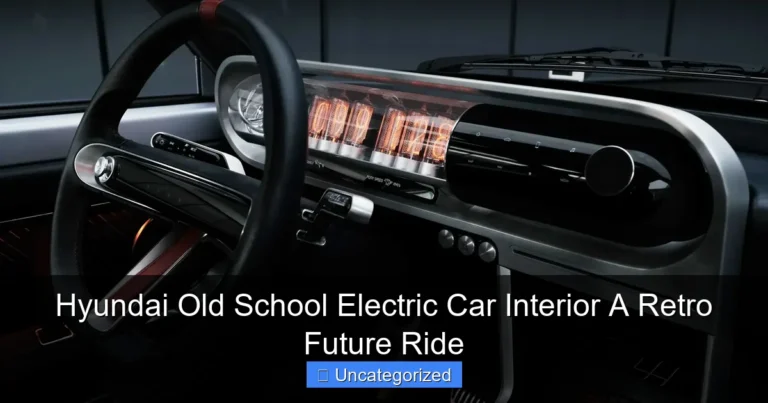
The 1980s were all about vibrancy, and Hyundai doesn’t disappoint. The concept car’s exterior is offered in Neon Coral, Electric Teal, and Cyber Silver, colors that scream 80s pop culture. Inside, the cabin features plush, high-contrast fabrics (think checkerboard patterns and metallic finishes) paired with sustainable materials like recycled plastics and vegan leather. The dashboard incorporates a retro-inspired digital gauge cluster, complete with pixelated fonts and animated graphics that mimic the aesthetic of vintage video games.
- Exterior: Glossy finishes with matte accents for a layered look.
- Interior: Textured fabrics and ambient lighting in bold hues (e.g., purple, blue).
- Tech: Touchscreens with “retro mode” options, allowing drivers to switch between modern and 80s-style interfaces.
Lighting and Detailing
Lighting plays a crucial role in the car’s retro appeal. The concept features square LED headlamps and taillights with a segmented design, echoing the blocky aesthetics of 80s electronics. Even the wheel covers are designed to resemble cassette tapes—a clever touch that ties the whole theme together. Hyundai’s designers have also incorporated subtle details like a faux “cassette deck” on the center console, complete with a functional USB port disguised as a tape slot.
Technology: The Electric Heart of a Retro Machine
Powertrain and Performance
While the car’s exterior screams the 80s, its underpinnings are 100% modern. Hyundai hasn’t disclosed exact specs, but industry experts speculate the concept features a next-generation electric powertrain with a range of 300-350 miles per charge. The dual-motor setup (likely all-wheel drive) could deliver 0-60 mph times under 5 seconds—a stark contrast to the sluggish performance of 80s vehicles. Regenerative braking and adaptive suspension systems ensure the car delivers both efficiency and comfort.
Practical Example: The concept car’s battery pack is integrated into the floor, lowering the center of gravity for improved handling—a feature that would appeal to drivers who remember the top-heavy nature of 80s hatchbacks.
Infotainment and Connectivity
The interior is a tech lover’s dream, blending retro aesthetics with modern functionality. A curved OLED display spans the dashboard, offering split-screen functionality for navigation, media, and vehicle stats. The system includes a “Retro Mode” that mimics the pixelated graphics of 80s arcade games, complete with chiptune sound effects. For audiophiles, Hyundai has partnered with a retro audio brand to create a premium sound system with a built-in cassette player (for nostalgic playback) and wireless streaming capabilities.
- Voice Assistant: A customizable AI assistant with 80s-themed voice options (e.g., a robotic voice with a synth-pop soundtrack).
- App Integration: Compatibility with apps like Spotify, with a “Retro Playlist” feature that curates 80s hits based on driving conditions.
- Over-the-Air Updates: Ensures the car stays cutting-edge without sacrificing its nostalgic charm.
Sustainability Meets Innovation
Hyundai’s concept car isn’t just about looks—it’s a statement on sustainable mobility. The battery is made from recycled materials, and the car’s manufacturing process uses solar energy. Even the tires are eco-friendly, crafted from biodegradable compounds. The car also features vehicle-to-grid (V2G) technology, allowing it to feed excess energy back into the power grid during peak demand—a feature that would have seemed like science fiction in the 80s.
Market Impact: Why This Concept Matters
Targeting Nostalgic Consumers
Hyundai is tapping into a powerful emotion: nostalgia. The 1980s generation—now in their 40s and 50s—represents a lucrative market segment. For these consumers, the concept car isn’t just a vehicle; it’s a tangible connection to their youth. By blending retro design with modern tech, Hyundai is appealing to both emotional attachment and practical needs. This strategy has proven successful for brands like Volkswagen (Beetle revival) and Ford (Mustang Mach-E), and Hyundai is poised to replicate that success.
Tip: Automakers should study demographic trends when launching retro-inspired models. The 80s generation has disposable income and a strong emotional connection to the era, making them ideal early adopters.
Competing in the EV Space
The electric vehicle market is crowded, with brands like Tesla, Ford, and Rivian dominating headlines. Hyundai’s retro concept car offers a unique differentiator: storytelling through design. While competitors focus on minimalism or futurism, Hyundai stands out by celebrating the past. This approach could attract buyers who are tired of “samey” EV designs and crave something with personality.
- Differentiator 1: Nostalgia as a selling point (vs. Tesla’s tech-heavy approach).
- Differentiator 2: Customizable retro features (e.g., cassette-themed sound system).
- Differentiator 3: A focus on emotional engagement, not just specs.
Potential Challenges
While the concept is exciting, Hyundai faces hurdles in bringing it to market. Retro designs often polarize audiences, and the car’s bold aesthetics might not appeal to minimalist buyers. Additionally, integrating advanced tech into a retro framework (e.g., pixelated displays with high resolution) requires meticulous engineering. Hyundai will need to balance authenticity with functionality to avoid alienating tech-savvy consumers.
Comparative Analysis: How It Stacks Up Against Competitors
To understand the Hyundai concept’s position in the market, let’s compare it to similar retro-inspired EVs:
| Feature | Hyundai 1980s Concept | Ford Mustang Mach-E | Volkswagen ID. Buzz |
|---|---|---|---|
| Design Inspiration | 1980s hatchbacks | 1960s muscle cars | 1960s Microbus |
| Range (Est.) | 300-350 miles | 270-314 miles | 260 miles |
| Tech Highlights | Retro infotainment, cassette-themed sound | Ford Sync, BlueCruise | ID. Light, AR HUD |
| Target Audience | 80s nostalgia, eco-conscious buyers | Muscle car enthusiasts | Families, adventure seekers |
| Unique Selling Point | Emotional connection to the 80s | Heritage branding | Spacious, versatile layout |
Future Implications: What’s Next for Hyundai?
Production Possibilities
While the concept car is a design study, Hyundai has a history of bringing bold concepts to life (e.g., the Hyundai Ioniq 5, inspired by the Pony). If the 1980s concept receives positive feedback, we could see a production model within 3-5 years. The car would likely be part of Hyundai’s Ioniq sub-brand, joining the Ioniq 5 and Ioniq 6 as a retro-styled EV.
Tip: Concept cars are a low-risk way for automakers to test consumer reactions. Hyundai’s 1980s concept could pave the way for more niche EVs targeting specific demographics.
Broader Industry Trends
Hyundai’s retro EV isn’t just a standalone project—it reflects a larger trend in the automotive industry. As EVs become mainstream, brands are focusing on differentiation through design. Retro-inspired models offer a way to stand out in a sea of identical-looking EVs. Other manufacturers, including Chevrolet (Camaro EV) and BMW (iX5 Hydrogen), are exploring similar themes, suggesting that nostalgia-driven designs could dominate the next decade.
Sustainability and Heritage
By blending retro aesthetics with eco-friendly tech, Hyundai is redefining what it means to be a sustainable brand. This approach could inspire other automakers to explore their heritage as a source of innovation. For example, imagine a Ford Bronco EV with 1970s styling or a Mini Cooper EV with 1960s charm. The possibilities are endless.
Conclusion: A Bold Leap Into the Past and Future
Hyundai’s 1980s-inspired electric concept car is more than a nostalgic trip down memory lane—it’s a vision of the future. By merging the bold design language of the past with the sustainable technology of the present, Hyundai has created a vehicle that’s both emotionally resonant and functionally advanced. Whether it becomes a production model or remains a concept, this car proves that the 1980s aren’t just back; they’re here to stay.
For consumers, this concept represents a chance to own a piece of history reimagined for the modern era. For Hyundai, it’s a strategic move to capture a passionate market segment and solidify its position in the EV race. As the automotive industry evolves, one thing is clear: the past isn’t just a reference point—it’s a blueprint for innovation. Buckle up, because the 1980s are about to get a lot more electric.
Frequently Asked Questions
What is the Hyundai electric concept car inspired by the 1980s?
The Hyundai electric concept car is a futuristic prototype that draws design cues from iconic 1980s aesthetics, blending retro styling with cutting-edge EV technology. It features boxy lines, neon accents, and modern sustainable materials.
When will the 1980s-inspired Hyundai concept car be released?
Hyundai has not announced an official release date yet, as the vehicle is currently a concept. However, the automaker plans to use its design language to inspire future production models.
How does the Hyundai electric concept car pay homage to the 1980s?
The car incorporates retro design elements like pop-up headlights, geometric shapes, and a pixel-inspired LED display. These features are paired with modern tech like autonomous driving and a next-gen infotainment system.
What is the range of the Hyundai 1980s-inspired electric concept car?
Hyundai hasn’t confirmed exact range specs, but the concept uses the brand’s latest E-GMP platform, which typically delivers 300+ miles on a single charge in production models.
Will the Hyundai concept car’s retro design make it to production?
While unconfirmed, Hyundai has hinted that select design elements from the 1980s-inspired concept could appear in upcoming EVs, especially in limited-edition models or trims.
What tech features does the Hyundai electric concept car include?
The concept boasts advanced tech like AI-powered voice control, augmented reality HUD, and a solar roof panel. Its interior also features a modular layout inspired by 1980s pop culture.