Hyundais Electric Car Revolution What You Need to Know
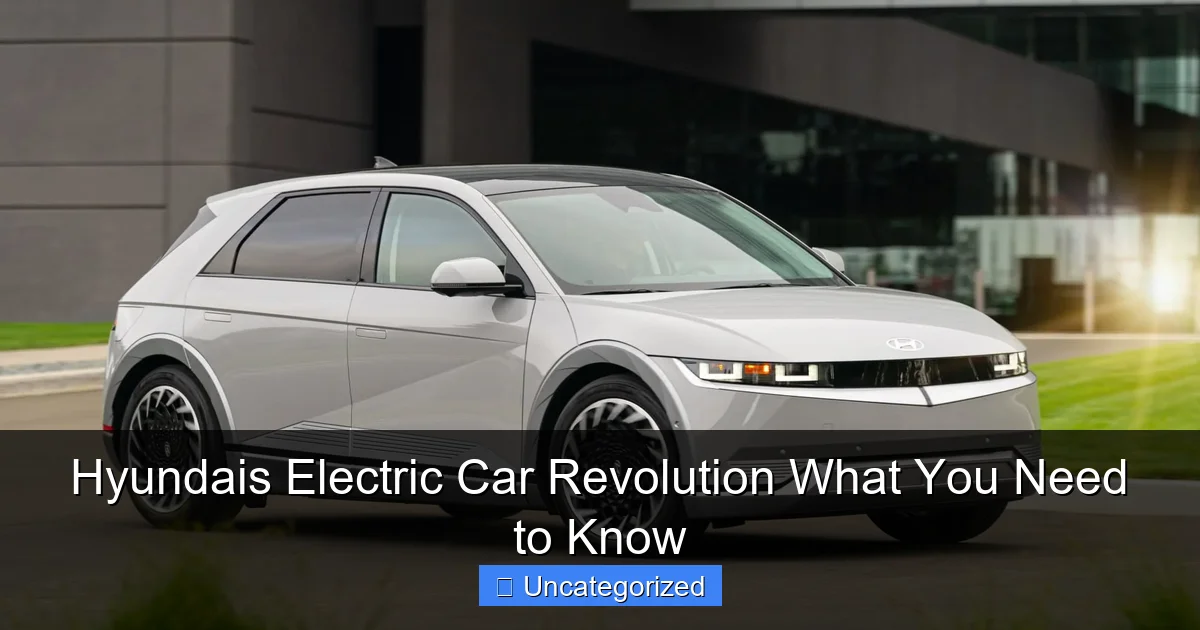
Featured image for hyundai’s electric car
Image source: s.yimg.com
Hyundai is redefining the EV market with cutting-edge electric models like the Ioniq 5 and Ioniq 6, combining bold design, ultra-fast charging, and industry-leading battery range. Backed by a 10-year/100,000-mile warranty and a rapidly expanding global charging network, Hyundai’s electric car lineup delivers exceptional value, performance, and sustainability—making it a top contender for eco-conscious drivers seeking innovation without compromise.
Key Takeaways
- Hyundai leads innovation with affordable, high-range EVs like Ioniq 5 and 6.
- Fast charging tech cuts downtime—80% charge in under 20 minutes.
- Expanding lineup includes SUVs, sedans, and performance-focused electric models.
- Strong warranty coverage offers 10-year/100k-mile battery protection for peace of mind.
- Sustainable manufacturing prioritizes recycled materials and carbon-neutral production.
- Smart tech integration features AI-driven infotainment and advanced driver aids.
📑 Table of Contents
- Hyundai’s Electric Car Revolution: What You Need to Know
- Why Hyundai Is Leading the Electric Car Charge
- The Hyundai Electric Car Lineup: Models That Matter
- Cutting-Edge Technology Powering Hyundai’s EVs
- Charging Infrastructure and Real-World Performance
- Sustainability and the Future of Hyundai’s Electric Vision
- Conclusion: The Road Ahead Is Electric—And Hyundai Is Leading the Way
Hyundai’s Electric Car Revolution: What You Need to Know
In an era defined by climate urgency, technological leaps, and shifting consumer preferences, the automotive world is undergoing a radical transformation. At the heart of this revolution is Hyundai—a brand once known primarily for affordable, reliable sedans and SUVs—now emerging as a global leader in electric mobility. With bold investments, innovative engineering, and a clear vision for a sustainable future, Hyundai is no longer just a participant in the EV race; it’s setting the pace. From the sleek Ioniq 5 to the futuristic Ioniq 6 and the rugged Ioniq 7 (coming soon), Hyundai’s electric car lineup is redefining what it means to drive green—without sacrificing performance, style, or comfort.
But Hyundai’s electric car revolution is about more than just new models. It’s a holistic shift encompassing advanced battery technology, ultra-fast charging infrastructure, vehicle-to-load (V2L) capabilities, and a commitment to carbon neutrality by 2045. Whether you’re an eco-conscious commuter, a tech-savvy early adopter, or a family looking for a spacious, safe, and stylish EV, Hyundai offers something compelling. This comprehensive guide dives deep into what makes Hyundai’s electric vehicles stand out, explores their technological breakthroughs, compares them to key rivals, and offers practical advice for prospective buyers. Buckle up—this is the future of driving, and it’s electric.
Why Hyundai Is Leading the Electric Car Charge
A Strategic Shift Toward Electrification
Hyundai’s journey into the electric car arena didn’t begin with the Ioniq 5 in 2021. The company launched its first EV, the Hyundai Ioniq Electric, in 2016—a compact hatchback with modest range but a bold statement: Hyundai was serious about EVs. Since then, the company has invested over $10 billion in electric vehicle development and infrastructure, with plans to spend an additional $16 billion by 2030. This strategic pivot is part of Hyundai’s “Strategy 2025,” which aims for 560,000 EV sales annually by 2025 and 1.7 million by 2030—making it one of the most aggressive electrification timelines among legacy automakers.
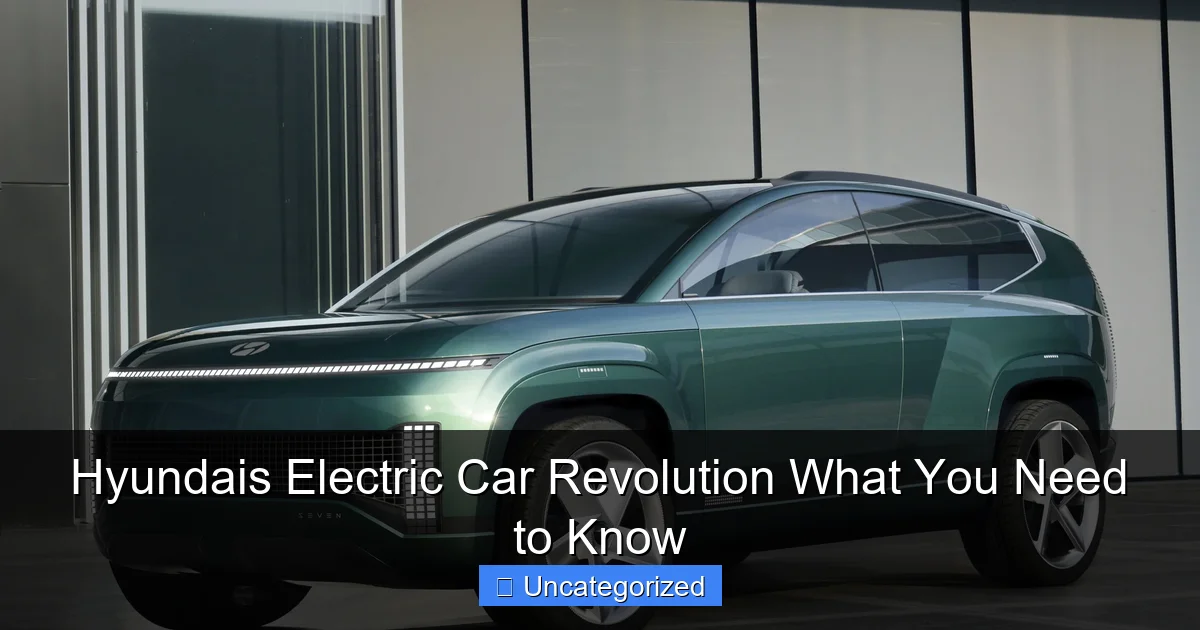
Visual guide about hyundai’s electric car
Image source: carscoops.com
Unlike some competitors who retrofit EVs onto existing platforms, Hyundai built the Electric-Global Modular Platform (E-GMP) from the ground up. This dedicated EV architecture allows for greater design flexibility, improved battery efficiency, and enhanced safety. The result? A lineup of vehicles that are not only electric but also reimagined—offering more cabin space, faster charging, and cutting-edge features not possible with internal combustion engine (ICE) platforms.
Global Vision with Local Execution
Hyundai isn’t just focusing on one market. The company is building EV manufacturing hubs in the U.S. (Georgia), South Korea, and Europe, ensuring localized production and reduced carbon footprint from shipping. The new Hyundai Motor Group Metaplant America (HMGMA) in Georgia will produce up to 300,000 EVs annually and create over 8,500 jobs—showcasing Hyundai’s commitment to both economic growth and sustainability.
Moreover, Hyundai’s “Progress for Humanity” philosophy drives its electrification strategy. The company aims to achieve carbon neutrality across its entire value chain by 2045, including manufacturing, logistics, and end-of-life recycling. This isn’t just marketing—Hyundai has already reduced emissions by 30% since 2010 and is investing in green hydrogen and battery recycling technologies.
Competitive Pricing and Incentives
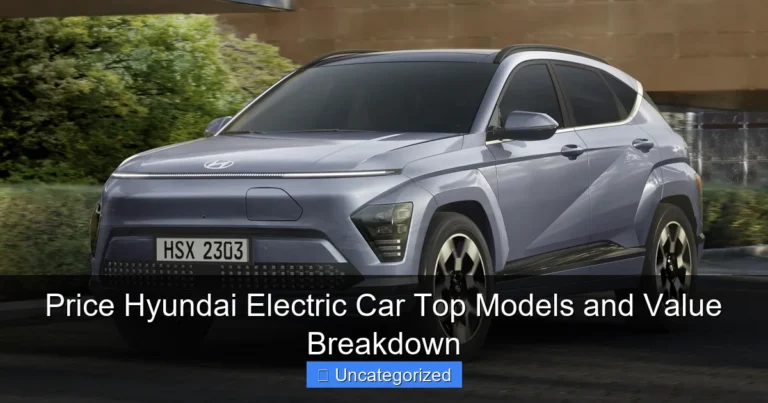
One of Hyundai’s biggest advantages is value. While Tesla and Lucid dominate headlines with premium pricing, Hyundai delivers high-end features at more accessible price points. For example, the 2024 Hyundai Ioniq 5 starts at around $41,000 (before federal tax credits), undercutting the Tesla Model Y and Ford Mustang Mach-E while offering similar or better tech. With the U.S. Inflation Reduction Act (IRA) tax credit of up to $7,500 for eligible buyers, Hyundai’s EVs become even more compelling.
Pro Tip: Always check your eligibility for federal, state, and local EV incentives. Some states like California, New York, and Colorado offer additional rebates of up to $2,500, making Hyundai’s electric cars among the most affordable in their class.
The Hyundai Electric Car Lineup: Models That Matter
Ioniq 5: The Game-Changing Crossover
The Hyundai Ioniq 5 is the crown jewel of Hyundai’s electric car revolution. Launched in 2021, it won the 2022 World Car of the Year and has since become a global bestseller. Built on the E-GMP platform, the Ioniq 5 offers:
- Range: Up to 303 miles (Long Range RWD)
- Charging: 10-80% in just 18 minutes using 350kW DC fast chargers
- Power: Up to 320 hp (AWD Performance model)
- Unique Feature: 800-volt electrical system—industry-leading for rapid charging
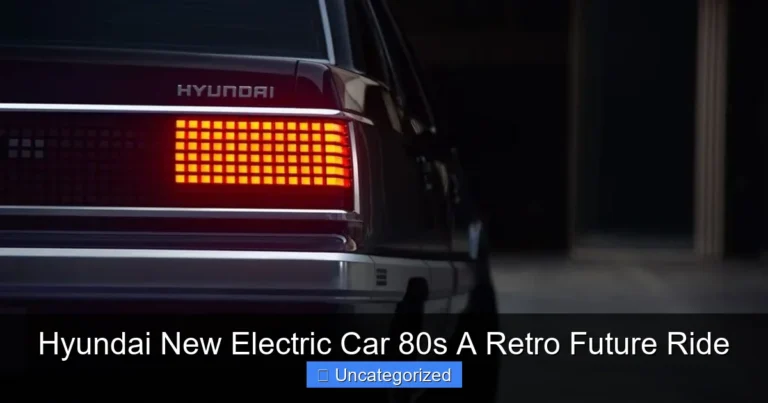
But what truly sets the Ioniq 5 apart is its design and versatility. Its retro-futuristic exterior draws inspiration from Hyundai’s 1974 Pony concept, while the interior features a “living space” layout with sliding center console, reclining front seats, and a flat floor thanks to the skateboard platform. The Ioniq 5 also supports vehicle-to-load (V2L), allowing you to power devices, tools, or even another EV using the car’s battery.
Real-World Example: A camper in Oregon used their Ioniq 5’s V2L to run a mini-fridge, charge a laptop, and power LED lights during a weekend trip—without needing a generator.
Ioniq 6: The Sleek, Aerodynamic Sedan
The Hyundai Ioniq 6 is the sedan counterpart to the Ioniq 5, offering a more streamlined, efficient design. With a drag coefficient of just 0.21 Cd, it’s one of the most aerodynamic production cars ever made. This translates to:
- Range: Up to 361 miles (RWD Long Range)
- Efficiency: 3.6 mi/kWh—among the best in class
- Design: Fastback silhouette, active air flaps, and digital side mirrors (in select markets)
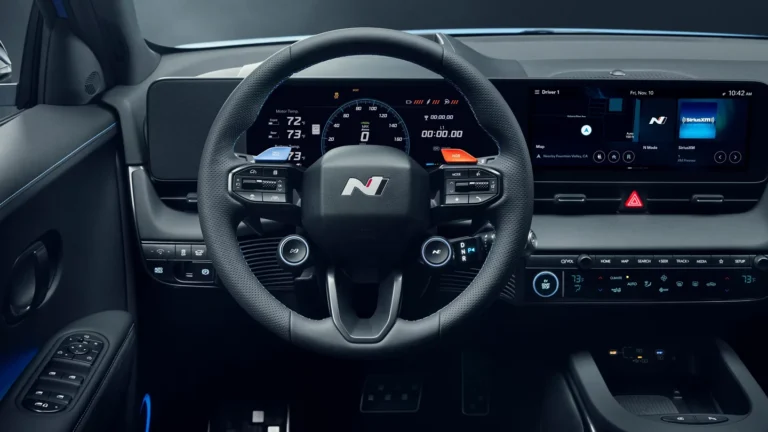
The Ioniq 6 is ideal for long-distance commuters and eco-enthusiasts who value efficiency over SUV utility. It also features Hyundai’s latest Digital Cockpit with dual 12.3-inch displays, over-the-air (OTA) updates, and advanced driver assistance systems (ADAS) like Highway Driving Assist 2 (HDA2).
Kona Electric: Compact, Affordable, and Practical
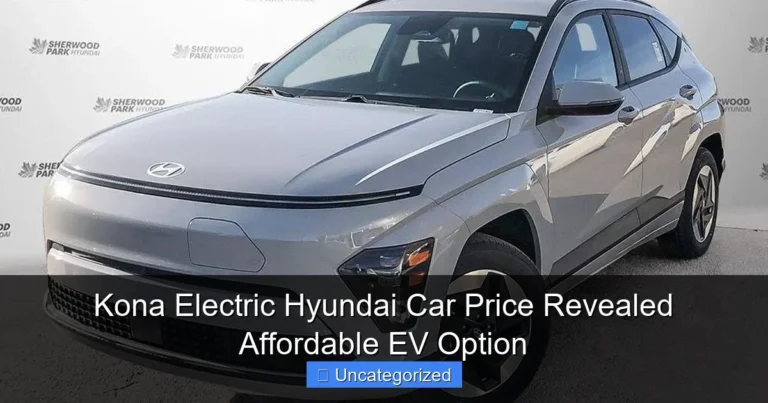
For city drivers and budget-conscious buyers, the Hyundai Kona Electric remains a strong contender. The 2024 model has been redesigned with a longer wheelbase, improved range (up to 300 miles), and a more modern interior. Key features include:
- Starting Price: ~$34,000 (before incentives)
- Fast Charging: 10-80% in 47 minutes
- Tech: Wireless Apple CarPlay, Android Auto, and Hyundai’s SmartSense suite
The Kona Electric is perfect for urban dwellers who need a reliable, low-maintenance EV for daily errands and short commutes. Its compact size makes it easy to park, while its 100kW motor delivers peppy acceleration.
Coming Soon: Ioniq 7 and Beyond
Hyundai’s electric car revolution is far from over. The Ioniq 7, a three-row electric SUV based on the same E-GMP platform, is set to launch in 2024. Expected features include:
- Seating for up to 7 passengers
- Over 300 miles of range
- Advanced V2L with higher output (up to 3.6kW)
- Possibly a solar roof option
Hyundai is also exploring electric pickup trucks and commercial EVs, signaling its intent to dominate not just the passenger car market but the entire mobility ecosystem.
Cutting-Edge Technology Powering Hyundai’s EVs
800-Volt Architecture: The Key to Fast Charging
Hyundai’s E-GMP platform uses an 800-volt electrical system, a rarity in the EV world. Most EVs (including Tesla) use 400-volt systems, which limit charging speed. With 800 volts, Hyundai’s electric cars can accept up to 350kW of power—enabling the 10-80% charge in 18 minutes mentioned earlier. For comparison, the Tesla Model Y takes about 27 minutes under similar conditions.
How It Works: The higher voltage allows more power to be delivered without increasing current, reducing heat and stress on the battery. This not only speeds up charging but also helps preserve battery health over time.
Vehicle-to-Load (V2L): More Than Just a Car
One of Hyundai’s most innovative features is V2L, which turns the car into a mobile power station. Using a standard household adapter (included), you can:
- Power tools at a job site
- Run a coffee maker during a road trip
- Keep medical devices running during a blackout
- Charge another EV in an emergency
The Ioniq 5 and 6 offer up to 3.6kW of output—enough to run a small home for hours. Hyundai even demonstrated V2L at a music festival, powering a full stage setup with an Ioniq 5.
Advanced Battery and Thermal Management
Hyundai uses lithium-ion polymer batteries with a modular design, allowing for easier recycling and replacement. The battery pack is liquid-cooled, which maintains optimal temperature during fast charging and extreme weather—crucial for longevity and performance.
The company is also investing in solid-state battery technology through its partnership with SolidEnergy Systems. These next-gen batteries promise higher energy density, faster charging, and improved safety—potentially doubling range and cutting charging time to under 10 minutes.
Smart Features and OTA Updates
All Hyundai EVs come with a suite of smart features, including:
- Remote Start and Climate Control: via the Hyundai Bluelink app
- OTA Software Updates: for infotainment, navigation, and ADAS systems
- Digital Key: Use your smartphone as a car key
- AI-Powered Voice Assistant: “Hey Hyundai” for hands-free control
For example, OTA updates have already added new charging station filters, improved lane-keeping assist, and enhanced voice recognition—proving Hyundai’s commitment to long-term vehicle improvement.
Charging Infrastructure and Real-World Performance
Home Charging: The Most Practical Option
For most EV owners, home charging is the primary method. Hyundai recommends installing a Level 2 (240V) charger, which can fully charge an Ioniq 5 in about 6-7 hours. Hyundai partners with ChargePoint and Qmerit to offer professional installation, with rebates available in many states.
Tip: Schedule charging during off-peak hours (e.g., 10 PM–6 AM) to save on electricity bills and reduce strain on the grid. Many utility companies offer special EV rate plans.
Public Charging: Accessibility and Speed
Hyundai’s 800-volt system shines at public DC fast chargers. The Ioniq 5 and 6 are compatible with CCS (Combined Charging System) and can use networks like Electrify America, EVgo, and ChargePoint. Hyundai also offers free charging for 3 years at Electrify America stations—a major perk for long-distance travelers.
Data Insight: A 2023 study by J.D. Power found that Hyundai EV owners reported 92% satisfaction with charging speed and reliability—higher than industry average (84%).
Range and Efficiency in Real Conditions
While EPA estimates are useful, real-world range varies. Here’s how Hyundai’s EVs perform under different conditions:
| Model | EPA Range (mi) | Winter Range (Est.) | Highway Efficiency (mi/kWh) | Charging Speed (10-80%) |
|---|---|---|---|---|
| Ioniq 5 (RWD Long Range) | 303 | 220–240 | 3.4 | 18 min (350kW) |
| Ioniq 6 (RWD Long Range) | 361 | 260–280 | 3.6 | 18 min (350kW) |
| Kona Electric | 300 | 210–230 | 3.3 | 47 min (50kW) |
| Ioniq 5 (AWD) | 256 | 180–200 | 3.1 | 18 min (350kW) |
Note: Winter range assumes use of climate control and reduced battery efficiency in cold weather. AWD models sacrifice some range for traction.
Practical Advice: Use Hyundai’s Navigation-Based Energy Management system, which preconditions the battery before fast charging and optimizes route planning for efficiency. This can add 10–15% to your effective range on long trips.
Sustainability and the Future of Hyundai’s Electric Vision
Carbon-Neutral Manufacturing
Hyundai is investing in green steel, solar-powered factories, and closed-loop recycling. The Ulsan plant in South Korea already runs on 30% renewable energy, with a goal of 100% by 2030. The Georgia Metaplant will be powered entirely by solar and wind.
Battery Recycling and Second-Life Applications
Hyundai has partnered with RePurpose Energy to repurpose used EV batteries for grid storage. A single retired Ioniq 5 battery can power a small home for days. The company is also developing a battery passport to track materials and ensure responsible recycling.
Hydrogen and Beyond
While Hyundai’s electric car revolution is battery-focused, the company is also a leader in hydrogen fuel cell technology. The Hyundai NEXO is one of the few mass-produced hydrogen EVs, with a range of 380 miles and 3-minute refueling. Hyundai sees hydrogen as key for long-haul trucks, buses, and heavy industry—complementing battery EVs in a diversified clean energy future.
Consumer Trust and Brand Loyalty
Hyundai’s 10-year/100,000-mile powertrain warranty (including battery) is one of the best in the industry. This builds trust and reduces “range anxiety” for first-time EV buyers. Customer satisfaction scores (e.g., J.D. Power, Consumer Reports) consistently rank Hyundai EVs above average for reliability and tech satisfaction.
Conclusion: The Road Ahead Is Electric—And Hyundai Is Leading the Way
Hyundai’s electric car revolution is more than a lineup of new vehicles—it’s a bold, comprehensive strategy to redefine mobility in the 21st century. From the groundbreaking Ioniq 5 and Ioniq 6 to the upcoming Ioniq 7 and beyond, Hyundai is proving that electric vehicles can be affordable, high-performance, and sustainable—all at once. With industry-leading 800-volt charging, innovative V2L technology, and a global manufacturing footprint powered by renewables, Hyundai is setting new benchmarks for what an EV can do.
For consumers, the message is clear: Hyundai offers a compelling alternative to Tesla, Ford, and other EV brands. Whether you’re drawn to the retro-futuristic design of the Ioniq 5, the efficiency of the Ioniq 6, or the value of the Kona Electric, there’s a Hyundai EV that fits your lifestyle. And with ongoing investments in battery tech, charging infrastructure, and carbon neutrality, Hyundai isn’t just keeping pace with the future—it’s helping to shape it.
As the world accelerates toward electrification, one thing is certain: Hyundai’s electric car revolution is here to stay. The road ahead is electric, and Hyundai is leading the charge.
Frequently Asked Questions
What makes Hyundai’s electric car stand out in the EV market?
Hyundai’s electric car lineup, including models like the Ioniq 5 and Kona Electric, combines cutting-edge technology with bold design and long-range capabilities. Their ultra-fast charging (10-80% in 18 minutes) and vehicle-to-load (V2L) functionality set them apart from competitors.
How does Hyundai’s electric car charging infrastructure work?
Hyundai partners with major charging networks like Electrify America and offers home charger installation support. Their EVs also feature CCS charging compatibility and Hyundai’s “Bluelink” app for locating stations and monitoring charging remotely.
What is the range of Hyundai’s electric car models?
Depending on the model, Hyundai’s electric car range varies from 258 miles (Kona Electric) to 303 miles (Ioniq 5) on a single charge. Real-world range may vary based on driving conditions, but all models exceed EPA estimates for city driving.
Are Hyundai electric cars eligible for government incentives?
Yes, many Hyundai electric car models qualify for federal tax credits (up to $7,500) and additional state/local incentives. Eligibility depends on battery component sourcing and buyer income, so check current guidelines before purchase.
How does Hyundai’s electric car warranty compare to rivals?
Hyundai offers an industry-leading 10-year/100,000-mile powertrain warranty, including battery coverage. This surpasses most competitors and includes complimentary maintenance for 3 years/36,000 miles.
Can I use Hyundai’s electric car for towing?
Yes, select models like the Ioniq 5 can tow up to 2,000 lbs when properly equipped. Hyundai’s electric car platform maintains performance while towing, though range may decrease by 10-20% under load.