If A Lithium-Battery Catches Fire: Safety Steps
I’ve spent years working with battery-powered devices in labs, workshops, and the field, and I’ve seen firsthand what happens if a lithium-battery catches fire. It’s fast, loud, and scary—but manageable if you know what to do. In this guide, I’ll break down the science, the exact steps to take, the mistakes to avoid, how to prevent incidents, and what to do afterward. Whether you’re a homeowner, EV driver, drone pilot, or technician, you’ll find practical advice you can act on today.
:max_bytes(150000):strip_icc()/2-12033975b6304be093692315b1ca340a.jpg)
Source: www.thoughtco.com
What Actually Happens During A Lithium-Battery Fire
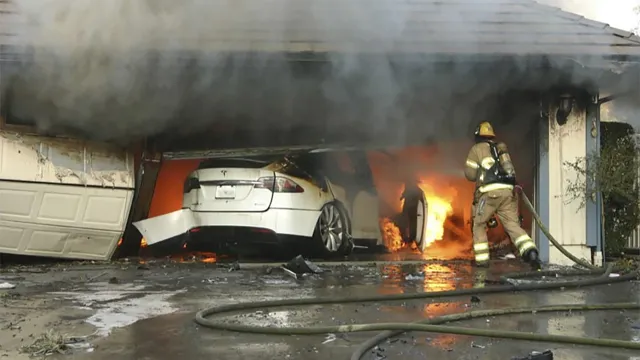
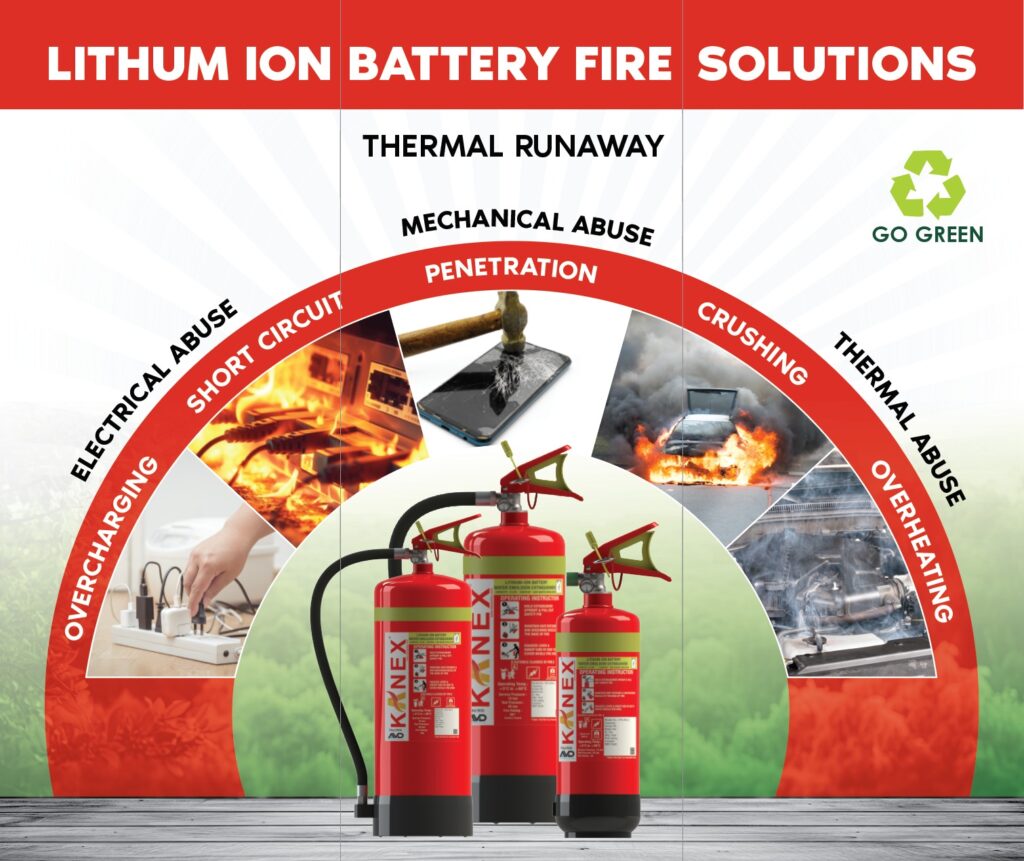
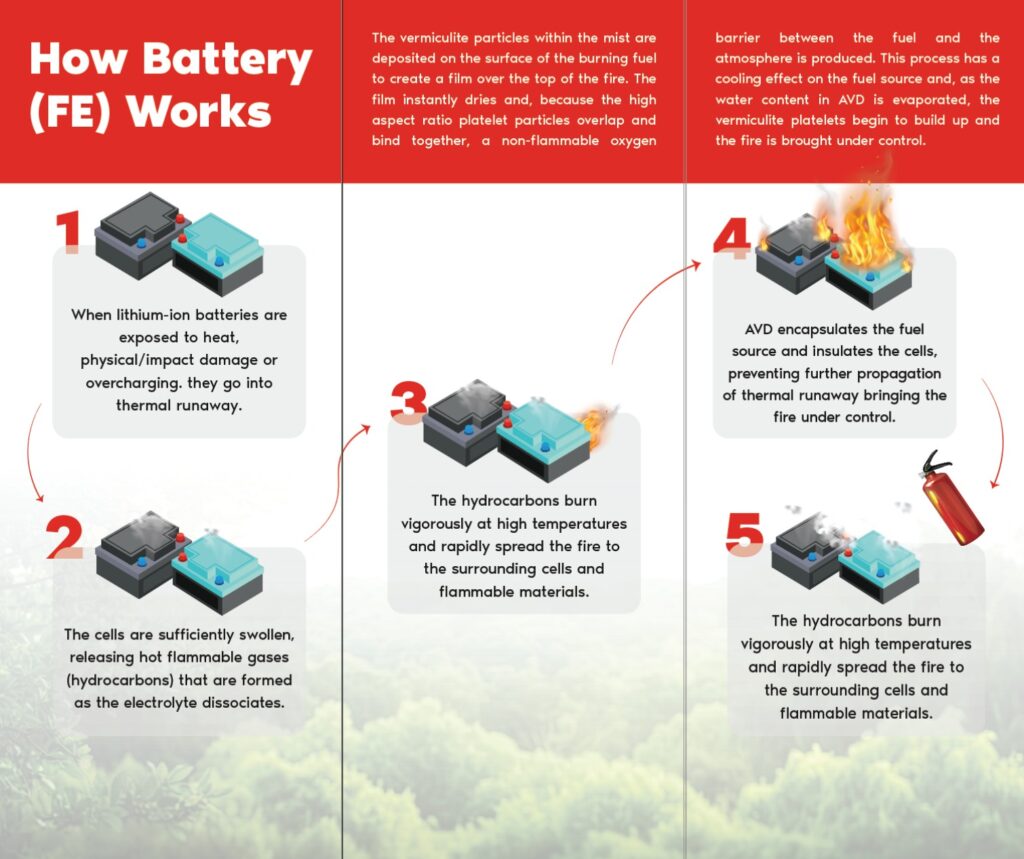
When a lithium-ion or lithium-polymer battery overheats, it can enter thermal runaway. That means one cell gets hot, the separator fails, and a chemical chain reaction releases heat, oxygen, and flammable gases. The result can be venting, flames, popping sounds, and even explosions of cell casings. This can spread to neighboring cells like falling dominoes. Common triggers include internal damage, manufacturing defects, overcharging, using the wrong charger, crushed or punctured packs, and exposure to high heat.
Key warning signs before a fire:
- Hissing sounds, chemical or sweet solvent smell
- Swelling or bulging pack
- Unusual heat while charging or discharging
- Smoke or visible venting
- Rapid loss of capacity or erratic charging
If you notice any of the above, move the device to a non-combustible area outdoors if it’s safe to do so and monitor it—don’t leave it unattended.
Source: www.kanexfire.com
Immediate Steps To Take If A Lithium-Battery Catches Fire
Here is a clear, practical response sequence I teach and use:
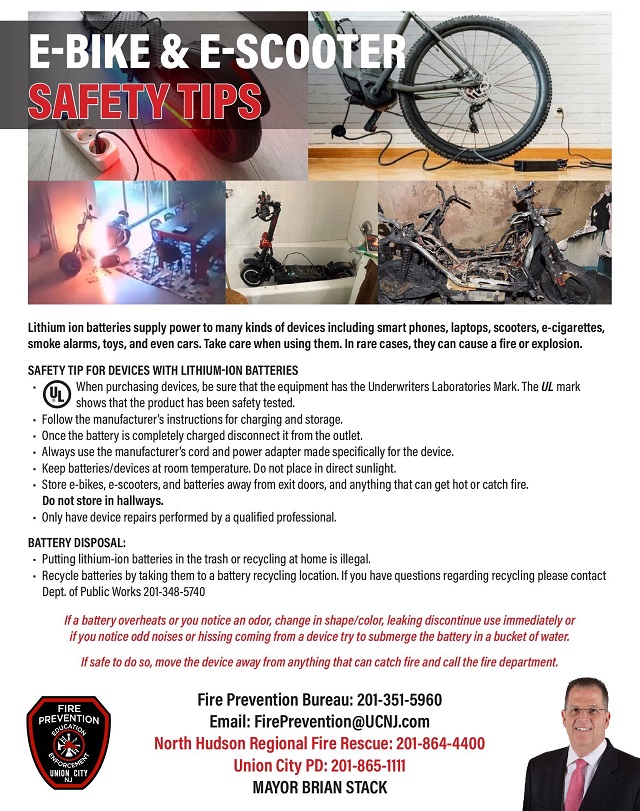
- Protect yourself first. Keep distance and alert others. Call emergency services if fire is growing or indoors.
- If safe, unplug power. Cutting external power reduces energy input.
- Move flammable items away. Clear paper, fabrics, solvents, and aerosols from the vicinity.
- Use the right extinguisher. A standard ABC dry chemical extinguisher or a water mist extinguisher can knock down flames and cool surroundings. For small devices, copious water can help cool and prevent spread. For large packs or EVs, evacuate and let professionals handle it.
- Keep cooling the area. Even after flames stop, cells may re-ignite. Continue cooling with water from a safe distance if advised by local guidance.
- Ventilate. Smoke from battery fires is irritating and potentially toxic; improve airflow and avoid breathing vapors.
- Do not handle the pack. Let it cool completely. Re-ignition can occur minutes or hours later.
Real-world note: In a workshop incident with a swollen flight battery, water from a hose cooled the enclosure and surrounding materials, preventing spread while a dry chemical extinguisher suppressed flare-ups. The device was left outside to cool for hours under observation.
Source: hct-world.com
What Not To Do During A Lithium-Battery Fire
Avoid these common, costly mistakes:
- Don’t smother with blankets or cover tightly. Trapped heat can worsen thermal runaway.
- Don’t use CO2 alone. It removes oxygen but doesn’t cool; cells can re-ignite.
- Don’t pick up or move a burning battery by hand. Cells can burst and eject hot fragments.
- Don’t put it in a sealed container. Pressure can build and rupture violently.
- Don’t assume it’s out. Re-ignition is common; monitor until cold to the touch.
Source: www.kanexfire.com
Prevention: Charging, Storage, And Everyday Best Practices
Most lithium-battery fires are preventable. Build a safety routine:
Charging
- Use the original charger or a certified replacement with correct voltage/current.
- Charge on a non-flammable surface away from bedding, couches, and clutter.
- Avoid overnight charging for unknown or aging packs. If needed, use smart plugs with timers and smoke alarms nearby.
- Never charge a swollen, damaged, or wet battery.
Storage
- Store at room temperature, away from direct sun or heaters.
- Keep at partial charge for long storage, typically 30 to 60 percent depending on the manufacturer.
- Use fire-resistant containers or LiPo-safe bags for hobby packs.
- Separate batteries from solvents, fuels, and aerosol cans.
Handling And Use
- Inspect regularly for swelling, cracks, corrosion, or overheating.
- Avoid crushing, bending, or puncturing packs in bags or toolboxes.
- For e-bikes and scooters, secure packs from vibration and impacts.
- Keep firmware updated for devices with battery management systems.
Environmental Controls
- Install smoke alarms where devices charge.
- Keep an ABC fire extinguisher accessible and train household members on its use.
- In garages or workshops, maintain clear space around charging stations.
Special Contexts: EVs, E-Bikes, Drones, And Power Tools
Different platforms, different risks:
- Electric vehicles. If an EV shows impact damage, battery warning lights, or smoke, safely pull over, exit, and call emergency services. Do not attempt to open battery enclosures. Towed vehicles may require special quarantine due to re-ignition risk.
- E-bikes and e-scooters. Use certified chargers and reputable batteries. Mount batteries per manufacturer specs to avoid vibration damage. Never bypass a battery management system.
- Drones and RC packs. Store and charge in LiPo-safe bags or metal boxes with venting. Field-test packs by feel and voltage checks; retire any that puff or heat unusually.
- Power tools. Avoid mixing packs and chargers across brands unless explicitly compatible. Keep packs clean and dry, and click them firmly into tools and chargers to prevent arcing.
After The Fire: Cleanup, Disposal, And Insurance
Once everything is cold and safe, work systematically:
- Ventilate thoroughly. Air out the space to reduce residual odor and particulates.
- Wear protection. Use gloves and a respirator when handling residues.
- Dispose properly. Do not throw damaged cells in household trash. Contact local hazardous waste services or battery recycling programs for guidance.
- Document the scene. Take photos, list damaged items, and record serial numbers for insurance.
- Root-cause review. Consider charger type, environment, mechanical stress, or storage issues. Implement changes before resuming normal charging.
Personal lesson learned: After a minor lab incident, our simple fix was adding a timer cut-off, relocating chargers to ceramic-tile surfaces, and labeling each charger with its matching pack. Zero incidents since.
Facts, Myths, And Risk Reality
– Myth: Lithium batteries randomly explode. Reality: Failures usually follow damage, misuse, or defects. Good habits dramatically reduce risk.
– Myth: Water is always bad for lithium fires. Reality: For many consumer lithium-ion fires, water cools and prevents spread; professionals use large volumes for EVs. Avoid water only on metallic lithium fires, which are uncommon in consumer devices.
– Myth: All swelling is harmless. Reality: Swelling indicates gas buildup and internal damage—stop using and replace.
– Fact: Certified chargers, proper storage, and quality cells cut risk substantially.
– Fact: Re-ignition is a genuine risk. Keep monitoring for hours until fully cooled.
Simple Home And Office Readiness Checklist
– Place an ABC extinguisher within easy reach of charging areas.
– Charge on nonflammable surfaces with clear space around devices.
– Label chargers and match them to their devices.
– Set reminders or use smart plugs to avoid overlong charging.
– Keep a metal tray or ceramic tile charging station.
– Train family or coworkers on the steps listed above.
Frequently Asked Questions Of If A Lithium-Battery Catches Fire
Can I use water on a lithium-ion battery fire?
For many consumer lithium-ion fires, water helps cool and prevent spread. However, water is not appropriate for metallic lithium fires. If unsure and the fire is growing, evacuate and call emergency services.
Which fire extinguisher should I buy?
An ABC dry chemical extinguisher is a practical choice for most homes and offices. Water mist units are also useful for electronics and cooling. Specialized Class D extinguishers are for metallic fires and are typically unnecessary for consumer electronics.
How do I know a battery is unsafe to use?
Signs include swelling, unusual heat, hissing, smoke, corrosion, damaged casing, or a strong solvent-like odor. Retire and properly dispose of any suspect battery.
Are EVs more likely to catch fire than gasoline cars?
Per-mile incident rates reported across multiple jurisdictions suggest EV fire rates are generally comparable to or lower than gasoline vehicles, but EV fires can be harder to extinguish due to pack energy density. The absolute risk remains low.
What should I do with a swollen phone or laptop battery?
Power down the device, unplug it, avoid charging, and take it to a professional repair center or hazardous waste facility. Do not puncture or compress the battery.
Conclusion
Lithium-battery fires are rare but real—and they move quickly. Recognize early warning signs, act decisively with the right steps, and build everyday habits that prevent incidents. Equip your space, match chargers correctly, store wisely, and stay alert. A few simple changes can make your home, office, or garage significantly safer. If you found this helpful, subscribe for more practical safety guides, and share your experiences or questions in the comments—I read them all.