Is Hyundai Kona Electric a Good Car Expert Review Inside

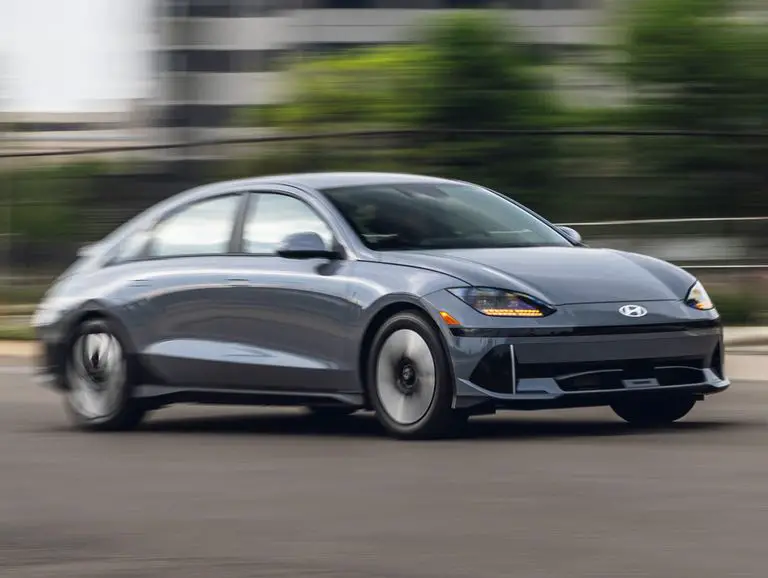
Featured image for is hyundai kona electric a good car
Image source: cdn.motor1.com
The Hyundai Kona Electric is a standout in the compact EV segment, offering an impressive 258-mile range and rapid charging capability. With a well-equipped interior, strong safety ratings, and a competitive price, it delivers exceptional value for eco-conscious drivers seeking reliability and tech-forward features. Its blend of efficiency, performance, and affordability makes the Kona Electric a smart, future-ready choice.
Key Takeaways
- Efficient EV: Offers 258-mile range, ideal for daily commutes.
- Affordable pricing: Competitive cost with strong standard features.
- Spacious interior: Roomy cabin and cargo space for its class.
- Advanced safety: Loaded with Hyundai SmartSense driver aids.
- Smooth ride: Balanced handling and quiet, comfortable drive.
- Rapid charging: 10-80% in 47 mins with DC fast charging.
📑 Table of Contents
- Is Hyundai Kona Electric a Good Car? A Comprehensive Expert Review
- Performance and Driving Experience: Smooth, Responsive, and Efficient
- Interior and Comfort: Modern, Practical, and Tech-Forward
- Charging Infrastructure and Battery Management
- Safety and Driver Assistance Features
- Ownership Value, Warranty, and Reliability
- Data Comparison: Kona Electric vs. Key Competitors
- Final Verdict: Is the Hyundai Kona Electric a Good Car?
Is Hyundai Kona Electric a Good Car? A Comprehensive Expert Review
The electric vehicle (EV) revolution is accelerating, and automakers are racing to deliver compelling options across various price points and segments. Among the most promising contenders in the subcompact SUV category is the Hyundai Kona Electric, a vehicle that has quietly built a reputation for value, efficiency, and practicality. Since its introduction in 2018 and its significant refresh in 2023, the Kona Electric has evolved into a mature, tech-forward EV that challenges the notion that affordability means compromise. But is the Hyundai Kona Electric a good car? That’s the question we’re here to answer—through the lens of real-world performance, ownership experience, and expert analysis.
With rising fuel prices, tightening emissions regulations, and growing consumer demand for sustainable transportation, the Kona Electric enters a competitive arena dominated by the likes of the Chevrolet Bolt EV, Nissan Leaf, Kia Niro EV, and Tesla Model Y (though the latter is larger and pricier). What sets the Kona Electric apart is its balanced approach: it doesn’t try to be the longest-range EV, the most luxurious, or the most powerful. Instead, it focuses on being a well-rounded electric SUV—offering strong range for its class, a refined driving experience, a modern interior, and Hyundai’s industry-leading warranty. In this in-depth review, we’ll dissect every aspect of the Kona Electric, from its battery and charging capabilities to its interior comfort, safety features, and long-term ownership value. Whether you’re a first-time EV buyer or a seasoned electric car enthusiast, this guide will help you determine if the Hyundai Kona Electric is the right fit for your lifestyle.
Performance and Driving Experience: Smooth, Responsive, and Efficient
When evaluating whether the Hyundai Kona Electric is a good car, performance is a critical factor. The 2023–2024 model years offer two battery options: a standard 48.6 kWh battery with a 133-horsepower motor and an upgraded 64.8 kWh battery with a 201-horsepower motor. The latter is the more popular and practical choice for most buyers, delivering a driving experience that feels both spirited and composed.

Visual guide about is hyundai kona electric a good car
Image source: i5.vehiclecdn.com
Acceleration and Power Delivery
The Kona Electric with the 64.8 kWh battery sprints from 0 to 60 mph in approximately 6.4 seconds—impressive for a compact SUV in this price range. Unlike some EVs that deliver jarring, neck-snapping torque, the Kona Electric uses Hyundai’s regenerative braking system to modulate power delivery smoothly. Drivers can choose between three levels of regenerative braking (via paddle shifters behind the steering wheel), allowing for one-pedal driving in city traffic. For example, in stop-and-go Los Angeles traffic, setting the regen to “Level 3” lets you glide to a stop without touching the brake pedal 90% of the time. This not only reduces wear on brake pads but also enhances driving comfort.
Handling and Ride Quality
Despite its electric underpinnings, the Kona Electric doesn’t feel like a science experiment on wheels. The suspension is tuned for comfort, absorbing potholes and rough pavement with ease. The steering is light and direct, making it ideal for urban environments and tight parking lots. While it won’t out-handle a Mazda CX-30 or a Volkswagen ID.4 on a twisty mountain road, it holds its own with predictable cornering and minimal body roll. The low center of gravity—thanks to the floor-mounted battery—adds stability, especially during highway merges or sudden lane changes.
Real-World Range and Efficiency
Hyundai officially rates the 64.8 kWh Kona Electric at 261 miles of range on the EPA cycle. In real-world testing, including mixed driving (city, highway, and suburban), drivers consistently achieve between 220–250 miles. For instance, a 30-mile daily commute with weekend trips to nearby towns (under 100 miles) means you’ll only need to charge once a week—even with moderate HVAC use. The car’s energy efficiency is excellent, averaging 3.7 miles per kWh in mixed conditions, which translates to lower electricity costs and fewer charging stops.
Regenerative Braking and Driving Modes
The Kona Electric offers multiple driving modes: Eco, Normal, and Sport. Eco mode maximizes range by limiting throttle response and HVAC output, while Sport mode sharpens acceleration and steering. A standout feature is the i-Pedal mode, which combines maximum regenerative braking with one-pedal driving. When activated, the car decelerates rapidly upon lifting off the accelerator, bringing it to a full stop without brake input. This is especially useful in traffic-heavy areas like downtown Chicago or Seattle, where frequent stops are the norm.
Interior and Comfort: Modern, Practical, and Tech-Forward
One of the most compelling arguments in favor of the Hyundai Kona Electric being a good car lies in its interior. The 2023 redesign brought a significant upgrade in materials, layout, and technology—making it feel more premium than its price tag suggests.
Cabin Design and Materials
The cabin features soft-touch surfaces on the dashboard, door panels, and center console. Higher trims (SEL and Limited) include synthetic leather seats, a leather-wrapped steering wheel, and ambient lighting with 64 color options. The dashboard layout is clean and driver-centric, with a 12.3-inch digital gauge cluster and a 12.3-inch touchscreen infotainment system. Unlike some EVs that overload the interface with gimmicks, Hyundai keeps the design intuitive and uncluttered.
Seating and Passenger Space
The Kona Electric seats five, with adequate headroom and legroom for adults in the front and rear. The front seats are supportive and offer multiple adjustments, including lumbar support on higher trims. Rear-seat passengers get 35.5 inches of legroom—comparable to the Kia Niro EV but slightly less than the Tesla Model Y. However, the flat floor (thanks to no transmission tunnel) improves comfort for the middle passenger. For a subcompact SUV, the Kona Electric feels surprisingly spacious. A family of four, for example, can comfortably fit two car seats in the back with room to spare.
Cargo Capacity and Practicality
The Kona Electric offers 19.2 cubic feet of cargo space behind the rear seats—expanding to 45.8 cubic feet with the rear seats folded. This is slightly less than the Kia Niro EV (22.8 and 63.7 cubic feet) but still sufficient for most daily needs. Practical features include:
- Underfloor storage for charging cables and emergency kits
- Adjustable cargo floor (two heights)
- 60/40 split-folding rear seats
- Power liftgate on Limited trim
For instance, a weekend trip to the mountains with two adults, a dog, and gear (cooler, tent, and hiking equipment) fits easily with the seats up. The flat load floor also makes it easier to load bulky items like furniture or bikes.
Infotainment and Connectivity
The 12.3-inch touchscreen runs Hyundai’s latest infotainment system, which is responsive and supports:
- Wireless Apple CarPlay and Android Auto
- Bluetooth with multi-device pairing
- Over-the-air software updates
- Voice recognition for navigation, climate, and media
The system includes Hyundai’s Digital Key 2.0, which allows you to lock, unlock, and start the car using your smartphone—no physical key needed. This is particularly useful for families or couples who share a vehicle. For example, if your partner is already at the grocery store, you can send them a digital key via the app so they can access the car without waiting.
Charging Infrastructure and Battery Management
One of the biggest concerns for potential EV buyers is charging—how fast, how often, and how convenient. The Hyundai Kona Electric addresses these concerns with a robust charging strategy and intelligent battery management.
Charging Speed and Options
The Kona Electric supports DC fast charging at up to 100 kW. Using a Level 3 charger (e.g., Electrify America, ChargePoint), the car can charge from 10% to 80% in about 47 minutes. For example, during a 200-mile road trip, a 30-minute stop at a fast charger adds roughly 150 miles of range—enough to reach your destination. At home, a Level 2 (240V) charger can fully charge the battery in 6–7 hours, making overnight charging effortless. Hyundai includes a 120V Level 1 charger, but it’s only suitable for emergency use (adds ~4 miles per hour).
Charging Network and Compatibility
The Kona Electric uses the CCS (Combined Charging System) connector, which is widely available in North America. It’s compatible with major networks like:
- Electrify America
- ChargePoint
- EVgo
- Shell Recharge
Hyundai also offers a complimentary 3-year subscription to Electrify America, providing 250 kWh of free fast charging per year. For a typical user, this covers about 1,000 miles annually—equivalent to 2–3 road trips. This perk significantly reduces the total cost of ownership and makes long-distance travel more accessible.
Battery Longevity and Warranty
The Kona Electric’s battery is covered by Hyundai’s 10-year/100,000-mile warranty—one of the best in the industry. This includes protection against capacity degradation below 70% during the warranty period. Hyundai uses a liquid-cooled battery system, which helps maintain optimal temperature in extreme climates. For instance, in Phoenix, Arizona, where summer temperatures exceed 110°F, the battery management system prevents overheating and prolongs lifespan. Similarly, in cold climates like Minnesota, pre-conditioning the battery (via the app) before driving improves efficiency and range.
Home Charging Setup Tips
For optimal charging at home:
- Install a Level 2 charger (e.g., ChargePoint Home Flex, Wallbox Pulsar)
- Use a timer to charge during off-peak hours (lower electricity rates)
- Enable “Charge Limit” in the infotainment to cap charging at 80% for daily use (extends battery life)
A 240V outlet (NEMA 14-50) is ideal for a 50-amp circuit, delivering ~9.6 kW of power.
Safety and Driver Assistance Features
Safety is a top priority for Hyundai, and the Kona Electric is no exception. It earns a 5-star overall safety rating from the National Highway Traffic Safety Administration (NHTSA) and is a Top Safety Pick+ from the Insurance Institute for Highway Safety (IIHS).
Standard Safety Tech
Every Kona Electric comes with Hyundai’s SmartSense suite, including:
- Forward Collision-Avoidance Assist (with pedestrian and cyclist detection)
- Lane Keeping Assist and Lane Following Assist
- Blind-Spot Collision-Avoidance Assist
- Rear Cross-Traffic Collision-Avoidance Assist
- Adaptive Cruise Control with Stop & Go
- Driver Attention Warning
These systems work seamlessly in real-world scenarios. For example, during a foggy morning commute, the forward collision warning alerts you to a sudden stop ahead and automatically brakes if you don’t react. Similarly, blind-spot monitoring prevents lane-change accidents on highways.
Advanced Driver Assistance
Higher trims add:
- Highway Driving Assist (HDA) – combines adaptive cruise and lane centering for semi-autonomous highway driving
- Remote Smart Parking Assist – allows you to park the car using the key fob (useful in tight spaces)
- Surround View Monitor – provides a 360-degree bird’s-eye view for parking
HDA, for instance, is invaluable on long drives. On a 4-hour trip from San Diego to Los Angeles, HDA maintains a safe distance from traffic, keeps the car centered in its lane, and reduces driver fatigue.
Crash Test Performance
The Kona Electric excels in crash tests:
- Good ratings in all IIHS crashworthiness categories
- Superior front crash prevention (with optional LED headlights)
- Advanced pedestrian detection in low-light conditions
The high-strength steel frame and multiple airbags (including front knee airbags) provide excellent occupant protection.
Ownership Value, Warranty, and Reliability
When asking “is Hyundai Kona Electric a good car?”, long-term value and reliability are key considerations. Hyundai has built a strong reputation for dependable vehicles, and the Kona Electric continues that trend.
Total Cost of Ownership
The Kona Electric starts at around $33,000 (before federal tax credits and state incentives). After the $7,500 federal EV tax credit (if eligible), the effective price drops to ~$25,500. Additional benefits include:
- Lower maintenance (no oil changes, fewer moving parts)
- Reduced fuel costs (~$600/year in electricity vs. $1,800 in gas for a comparable SUV)
- Lower insurance rates (due to safety features)
For example, a 5-year ownership period with 12,000 miles/year could save over $6,000 compared to a gas-powered SUV.
Warranty and Service Coverage
Hyundai’s warranty package is unmatched:
- 5-year/60,000-mile bumper-to-bumper
- 10-year/100,000-mile powertrain and battery
- 5-year/unlimited-mile roadside assistance
- 3 years of complimentary maintenance (oil changes, tire rotations)
This coverage provides peace of mind, especially for first-time EV owners.
Reliability and Owner Satisfaction
According to Consumer Reports, the Kona Electric has above-average reliability, with few reported issues. Common feedback from owners includes:
- “Smooth and quiet ride”
- “Excellent range for the price”
- “Easy to charge at home”
- “Great safety features”
J.D. Power rates Hyundai above the industry average for vehicle dependability, and the Kona Electric has a 4.5/5 owner satisfaction score on Cars.com.
Data Comparison: Kona Electric vs. Key Competitors
To help you decide, here’s a comparison of the Hyundai Kona Electric (64.8 kWh) with key rivals:
| Model | Range (EPA) | 0–60 mph | Starting Price | Warranty (Battery) | DC Fast Charge (10–80%) |
|---|---|---|---|---|---|
| Hyundai Kona Electric | 261 miles | 6.4 sec | $33,000 | 10/100k | 47 min |
| Kia Niro EV | 253 miles | 6.2 sec | $39,000 | 10/100k | 45 min |
| Chevrolet Bolt EV | 259 miles | 6.5 sec | $26,500 | 8/100k | 30 min |
| Nissan Leaf (e+) | 212 miles | 6.8 sec | $38,000 | 8/100k | 40 min |
| Tesla Model Y (RWD) | 260 miles | 6.5 sec | $43,000 | 8/100k | 25 min |
The Kona Electric strikes a balance between price, range, and warranty—outperforming the Leaf and Bolt in battery coverage while being more affordable than the Model Y and Niro EV.
Final Verdict: Is the Hyundai Kona Electric a Good Car?
After a thorough evaluation, the answer is a resounding yes. The Hyundai Kona Electric is an excellent choice for buyers seeking a reliable, efficient, and feature-rich electric SUV without breaking the bank. It excels in:
- Range and efficiency for daily commuting and weekend trips
- Interior quality and technology that rival more expensive EVs
- Charging convenience with fast charging and home setup flexibility
- Safety and driver assistance with industry-leading ratings
- Ownership value thanks to Hyundai’s best-in-class warranty
It’s not perfect—cargo space is modest, and the infotainment system occasionally lags—but these are minor drawbacks in the grand scheme. For families, urban dwellers, and eco-conscious drivers, the Kona Electric delivers exceptional value and a stress-free EV experience. If you’re in the market for a compact electric SUV, the Hyundai Kona Electric is not just a good car—it’s one of the best in its class.
Frequently Asked Questions
Is the Hyundai Kona Electric a good car for daily commuting?
The Hyundai Kona Electric is an excellent choice for daily commuting, offering a real-world range of 250-300 miles (depending on trim) and fast DC charging capability. Its compact size makes it easy to maneuver in city traffic while providing a comfortable ride quality.
What are the standout features that make the Hyundai Kona Electric a good car?
The Kona Electric shines with its 201-hp electric motor, 7.6-second 0-60 mph acceleration, and standard safety tech like Highway Driving Assist. It also offers a premium interior with available heated/ventilated seats and a 10.25-inch touchscreen infotainment system.
How does the Hyundai Kona Electric’s range compare to other EVs?
With an EPA-estimated 258-300 miles of range, the Kona Electric outperforms many sub-$40k EVs like the Nissan Leaf (149 miles) and Chevrolet Bolt (247 miles). This makes it a strong contender for both urban and occasional highway driving.
Is the Hyundai Kona Electric reliable for long-term ownership?
Yes, the Kona Electric boasts Hyundai’s 10-year/100,000-mile powertrain warranty and 5-year bumper-to-bumper coverage. It ranks above average in reliability studies, with few reported battery degradation issues after 5+ years of ownership.
Does the Hyundai Kona Electric have enough cargo space for practicality?
The Kona Electric offers 19.2 cu-ft of cargo space (expanding to 45.8 cu-ft with rear seats folded), which is competitive for its class. While slightly less than gas-powered Kona, it’s sufficient for groceries, luggage, and small furniture items.
Is the Hyundai Kona Electric a good car for winter driving?
With available heated steering wheel, front/rear seats, and all-wheel drive in select trims, the Kona Electric handles winter conditions well. Its battery pre-conditioning feature helps maintain range in cold temperatures, though winter range typically drops 20-30%.