Is Kia Electric Car the Future of Affordable EVs
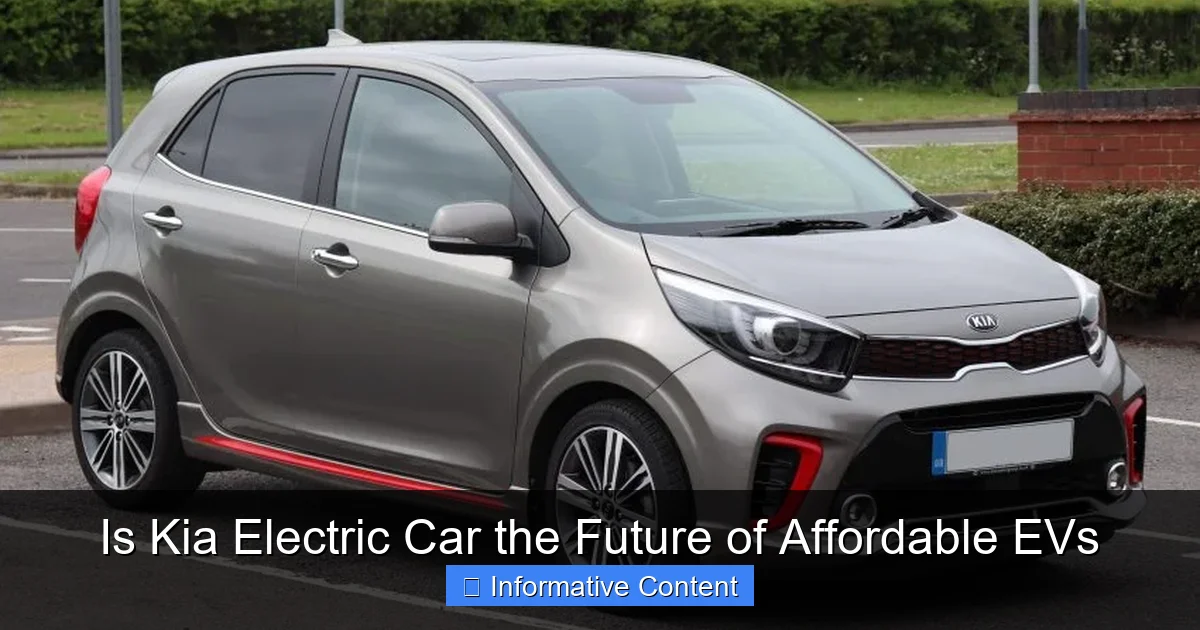
Featured image for is kia electric car
Image source: carwiki.de
Kia electric cars are redefining affordable EVs with cutting-edge technology, impressive range, and sleek designs at competitive prices. Models like the EV6 and Niro EV prove Kia is a serious contender in the race to electrify the mainstream market, offering reliability and innovation without the premium price tag.
Key Takeaways
- Kia offers affordable EVs with competitive pricing and strong value.
- Long warranties included ensure peace of mind for buyers.
- Impressive range options cater to diverse driving needs.
- Fast-charging tech reduces downtime on long trips.
- Stylish, practical designs appeal to mainstream buyers.
- Growing charging network improves convenience and accessibility.
📑 Table of Contents
- The Electric Revolution: Is Kia Electric Car the Future of Affordable EVs?
- Kia’s Electric Evolution: From Gas to Green
- Kia Electric Car Lineup: Models That Deliver Value
- Performance, Range, and Charging: The Real-World Experience
- Affordability Beyond the Price Tag: Total Cost of Ownership
- Kia vs. the Competition: How It Stacks Up
- Data Snapshot: Kia Electric Car Models at a Glance
- Final Verdict: Is Kia Electric Car the Future of Affordable EVs?
The Electric Revolution: Is Kia Electric Car the Future of Affordable EVs?
Remember when electric cars seemed like a futuristic fantasy—something reserved for tech billionaires and sci-fi movies? Well, fast forward to today, and the reality is shifting fast. More of us are asking, “Is Kia electric car the answer to affordable, reliable, and stylish EVs?” And honestly, it’s a fair question. As gas prices climb and climate concerns grow, the demand for electric vehicles (EVs) that don’t break the bank has never been higher.
Kia, once known for budget-friendly gas-powered compacts, has made a bold leap into the electric space. With models like the Kia EV6, Kia Niro EV, and the upcoming Kia EV9, the brand is proving it’s not just playing catch-up—it might actually be leading the charge. But is Kia electric car truly the future of affordable EVs? That’s what we’re here to unpack. Whether you’re a first-time EV shopper, a budget-conscious family, or just curious about where the auto industry is headed, this deep dive will help you see if Kia’s electric lineup checks all the right boxes.
Kia’s Electric Evolution: From Gas to Green
Kia didn’t just wake up one day and decide to go electric. Their journey into the EV world has been strategic, thoughtful, and surprisingly fast. For years, Kia built a reputation for offering reliable, no-frills cars at prices that made sense. But as the world shifted toward sustainability, Kia saw the writing on the wall: the future is electric.
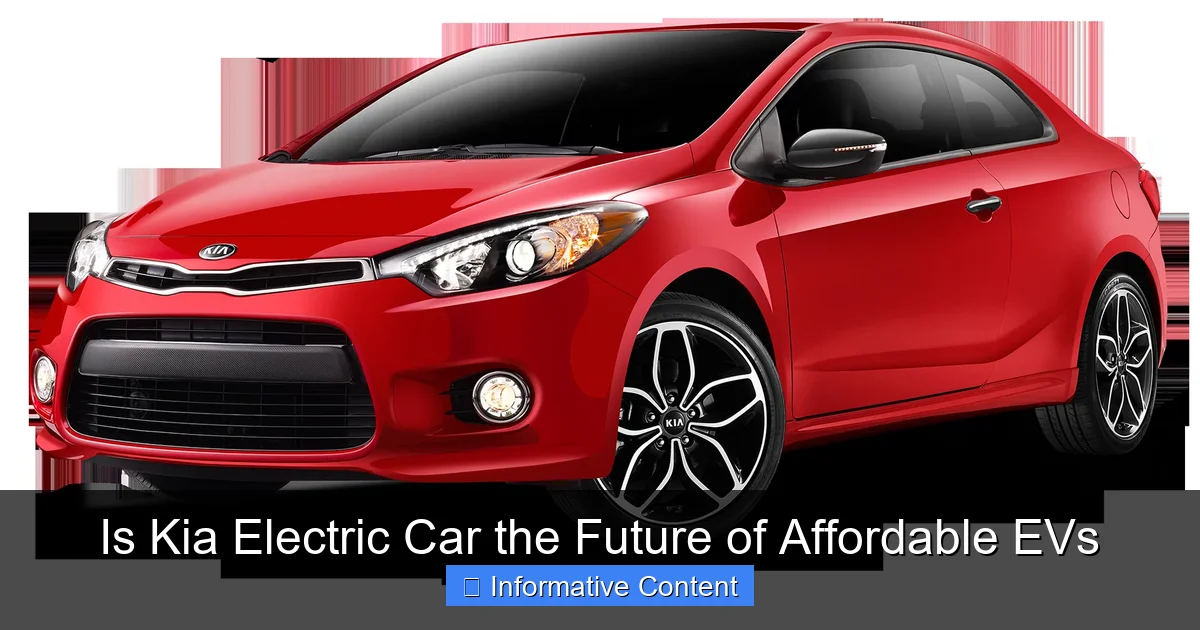
Visual guide about is kia electric car
Image source: pngimg.com
The Turning Point: Kia’s “Plan S” Strategy
In 2020, Kia launched “Plan S”, a bold roadmap to become a leader in sustainable mobility. The plan includes a goal of launching 11 new electric vehicles by 2026 and achieving a 40% global EV sales mix by 2030. That’s not just ambitious—it’s a full-scale transformation.
What’s impressive is how quickly Kia has moved. The Kia Niro EV, launched in 2018, was their first serious EV contender. But it was the Kia EV6, built on the new Electric-Global Modular Platform (E-GMP), that truly signaled their commitment. This platform is shared with Hyundai (Kia’s parent company), allowing for faster development, better performance, and lower production costs—key ingredients for affordability.
Why Affordability Matters in the EV Market
Let’s be real: most people aren’t buying EVs to save the planet (though that’s a nice bonus). They’re buying them to save money. High gas prices, rising maintenance costs for internal combustion engines, and long-term savings on charging vs. fueling make EVs a smart financial move.
Kia understands this. While Tesla and Lucid focus on luxury and performance, Kia is targeting the mass market—families, commuters, and everyday drivers who want an electric car that’s actually affordable. The Niro EV starts under $40,000 (before incentives), and the EV6 offers premium features at a price that undercuts many competitors.
And here’s a tip: always check your local and federal tax credits. The Kia Niro EV and EV6 currently qualify for up to $7,500 in federal tax credits (as of 2024), which can bring the effective price down significantly. That’s not just affordable—it’s a game-changer.
Kia Electric Car Lineup: Models That Deliver Value
So, what does Kia’s electric car lineup actually look like? Let’s break down the current models and what they bring to the table—because not every EV is created equal, and Kia’s offerings are surprisingly diverse.
Kia Niro EV: The Practical Everyday EV
The Kia Niro EV is the gateway drug to electric driving. It’s compact, efficient, and packed with value. With a 253-mile range (EPA), it’s perfect for city commutes and weekend road trips. The cabin is surprisingly roomy, and the infotainment system is intuitive—no need to spend hours learning how to change the radio station.
What sets the Niro EV apart? Reliability and low ownership costs. Kia’s 10-year/100,000-mile warranty (including the battery) gives peace of mind, and maintenance is minimal compared to gas cars. Plus, it’s one of the few EVs that still qualifies for the full federal tax credit, making it a standout in the under-$35,000 category after incentives.
Pro tip: If you’re new to EVs, the Niro EV is a great starter car. It doesn’t have the flash of a Tesla, but it gets the job done—without the steep learning curve.
Kia EV6: The Stylish, Sporty Contender
If the Niro EV is the sensible choice, the Kia EV6 is the fun one. With sleek, futuristic styling and a range of up to 310 miles (on the rear-wheel-drive version), it’s a head-turner. But it’s not just about looks.
The EV6 uses 800-volt architecture, which means ultra-fast charging. Plug into a 350kW DC fast charger, and you can go from 10% to 80% in under 18 minutes. That’s faster than most people spend in a coffee shop line. And with available all-wheel drive and 576 horsepower in the GT trim, it can outrun many sports cars.
But here’s the kicker: the EV6 starts at around $42,000 (before credits). That’s half the price of a Tesla Model Y Performance with similar range and features. For drivers who want performance and style without the luxury price tag, the EV6 is a revelation.
Kia EV9: The Electric SUV for Families
Coming in 2024, the Kia EV9 is Kia’s first three-row electric SUV. With seating for up to seven, a 300+ mile range, and a starting price around $55,000, it’s aiming squarely at the family EV market—a segment currently dominated by the Tesla Model X and Rivian R1S.
The EV9 isn’t just about space. It features Kia’s latest tech, including a 27-inch panoramic display, vehicle-to-load (V2L) capability (so you can power your campsite or tools), and advanced driver assistance systems. It even has a “Relaxation Mode” that reclines the front seats for naps during charging stops.
For families, the EV9 could be a game-changer. It offers the utility of an SUV with the efficiency of an EV—all at a price that’s more accessible than its rivals.
Performance, Range, and Charging: The Real-World Experience
Let’s talk about the nuts and bolts. When you’re considering an EV, three things matter most: range, charging speed, and driving feel. How does Kia electric car stack up?
Range That Matches Your Lifestyle
Kia’s EVs aren’t just about big numbers—they’re about real-world usability. The Niro EV’s 253-mile range is perfect for daily driving, with enough left over for weekend trips. The EV6’s 310-mile range (RWD) is ideal for longer commutes or road trips, while the EV9’s 300+ miles ensures you won’t be stranded on family vacations.
But here’s something many people don’t realize: range anxiety is often overblown. Most drivers travel less than 40 miles a day. Even the Niro EV covers that with room to spare. And with the growing network of public chargers, long trips are easier than ever.
Charging Speed: Where Kia Shines
This is where the Kia EV6 truly stands out. Thanks to its 800-volt architecture, it can charge at speeds up to 240kW. In practical terms, that means:
- 10% to 80% in 18 minutes (on a 350kW charger)
- 68 miles of range in just 5 minutes
Compare that to the Niro EV, which maxes out at 100kW and takes about 45 minutes for a similar charge. For drivers who value time (and who doesn’t?), the EV6’s charging speed is a huge advantage.
Tip: Use apps like PlugShare or ChargePoint to find fast chargers along your route. And if you’re installing a home charger, go for at least 48 amps to take full advantage of fast charging.
Driving Experience: Smooth, Quiet, and Fun
EVs are inherently smooth and quiet, but Kia adds a layer of driving engagement that’s rare in affordable models. The EV6 handles like a sports sedan, with precise steering and minimal body roll. The Niro EV is more relaxed, perfect for city driving.
One thing Kia gets right: regenerative braking. You can adjust it from mild to “one-pedal driving” mode, where lifting off the accelerator brings the car to a complete stop. It’s not just efficient—it’s intuitive once you get used to it.
And let’s not forget comfort. Kia’s cabins are well-insulated, with minimal road noise. The EV6 even has a “Sound Mood” system that lets you choose ambient sounds—like waves or forest wind—to enhance the serene driving experience.
Affordability Beyond the Price Tag: Total Cost of Ownership
Sure, the sticker price matters. But when you’re buying an EV, the total cost of ownership is what really counts. Kia electric car models often come out ahead here—and it’s not just about lower fuel costs.
Lower Maintenance = More Savings
EVs have fewer moving parts than gas cars. No oil changes, no spark plugs, no exhaust systems. Kia’s electric models are designed with simplicity in mind, which means:
- Fewer trips to the mechanic
- Lower repair costs
- Longer intervals between services
For example, the Niro EV’s first service is at 15,000 miles—compared to 5,000 miles for most gas cars. Over five years, that could save you hundreds in maintenance fees.
Insurance and Incentives
EVs can be more expensive to insure, but Kia’s models are generally competitive. The Niro EV, in particular, has lower insurance rates than many rivals thanks to its strong safety ratings (it earned a Top Safety Pick+ from IIHS).
And don’t forget the incentives. As of 2024, the Kia Niro EV and EV6 qualify for the full $7,500 federal tax credit—if they meet battery sourcing requirements. Some states (like California and Colorado) offer additional rebates of up to $2,000. Stack those, and you could save over $9,000.
Resale Value: A Growing Strength
Historically, EVs depreciated faster than gas cars. But that’s changing. The Kia EV6, for example, is holding its value better than expected—thanks to strong demand and limited supply. The Niro EV also performs well in resale value rankings, especially in regions with high EV adoption.
Tip: Buy a used Kia EV from a certified pre-owned program. You’ll get the warranty benefits and a lower price—without the steep first-year depreciation.
Kia vs. the Competition: How It Stacks Up
Kia isn’t the only player in the affordable EV game. Let’s see how it compares to key rivals.
Kia vs. Tesla
Tesla dominates the EV market, but Kia offers better value for money. The Kia EV6 matches the Tesla Model Y in range and performance, but starts $10,000 cheaper. It also has a better warranty and more physical buttons (a win for usability).
However, Tesla still leads in charging network (Superchargers) and software updates. But Kia is expanding its partnerships with Electrify America and other networks, closing the gap.
Kia vs. Ford
The Ford Mustang Mach-E is a strong contender, but the Kia EV6 wins on charging speed and interior quality. The Mach-E has a more traditional SUV shape, while the EV6 feels more like a crossover with sporty flair.
And while Ford’s BlueCruise hands-free driving is impressive, Kia’s Highway Driving Assist 2 is no slouch—and comes at a lower price.
Kia vs. Hyundai
This is an interesting one. The Hyundai Ioniq 5 shares the same E-GMP platform as the EV6, so they’re technically siblings. But the EV6 has a more aggressive design, better handling, and a slightly lower starting price.
Hyundai’s interior is a bit more futuristic, but Kia’s is more driver-focused. It’s really a matter of taste—but both are excellent choices.
Data Snapshot: Kia Electric Car Models at a Glance
| Model | Starting Price (MSRP) | EPA Range | Fast Charging (10-80%) | Tax Credit Eligible? | Warranty |
|---|---|---|---|---|---|
| Kia Niro EV | $39,600 | 253 miles | 43 minutes (100kW) | Yes (up to $7,500) | 10 years/100,000 miles |
| Kia EV6 (RWD) | $42,600 | 310 miles | 18 minutes (350kW) | Yes (up to $7,500) | 10 years/100,000 miles |
| Kia EV6 (AWD) | $47,600 | 274 miles | 18 minutes (350kW) | Yes (up to $7,500) | 10 years/100,000 miles |
| Kia EV9 (Base) | $54,900 (est.) | 300+ miles (est.) | 20 minutes (est., 350kW) | Likely (check IRS list) | 10 years/100,000 miles |
Final Verdict: Is Kia Electric Car the Future of Affordable EVs?
After diving deep into Kia’s electric lineup, the answer is a resounding yes—but with a few caveats. Kia electric car models are not just affordable; they’re thoughtfully designed for real people with real needs. They offer strong range, fast charging, solid warranties, and prices that make EV ownership accessible to the average buyer.
The Niro EV is perfect for first-time EV owners. The EV6 delivers premium performance at a mainstream price. And the EV9 could revolutionize the family SUV market when it arrives.
Of course, Kia isn’t perfect. The charging network still lags behind Tesla, and some tech features (like over-the-air updates) aren’t as advanced. But they’re catching up fast—and doing it without the premium price tags.
So, is Kia electric car the future of affordable EVs? If “affordable” means value-packed, reliable, and forward-thinking, then absolutely. Kia isn’t just building electric cars. They’re building a bridge to the future—one that’s wide enough for all of us to cross.
And honestly? That’s something worth getting excited about.
Frequently Asked Questions
Is Kia Electric Car a reliable option in the EV market?
Yes, Kia electric cars, like the EV6 and Niro EV, have proven reliable with strong build quality and long battery warranties (up to 10 years/100,000 miles). Their reputation for dependability makes them a solid contender in the affordable EV segment.
What makes Kia electric cars stand out from competitors?
Kia electric cars combine cutting-edge technology, sleek designs, and fast-charging capabilities (e.g., 10-80% in under 20 minutes for the EV6). With competitive pricing and generous standard features, they offer exceptional value in the EV market.
Are Kia electric cars truly affordable compared to other EVs?
Absolutely. Models like the Kia Niro EV start at a lower price point than many rivals, while still offering 250+ miles of range. Federal tax credits and state incentives further improve their affordability.
How does the performance of a Kia electric car compare to gas-powered models?
Kia EVs deliver instant torque and smooth acceleration, often outperforming their gas counterparts. For example, the EV6 GT boasts 576 horsepower, rivaling high-end performance vehicles while being emission-free.
What is the charging infrastructure like for Kia electric cars?
Kia partners with Electrify America, providing three years of free 30-minute fast charging for new EV buyers. Most Kia EVs are compatible with CCS fast-charging networks, ensuring convenient access to thousands of stations nationwide.
Does Kia offer a long-range electric car for road trips?
Yes, the Kia EV6 offers up to 310 miles of EPA-estimated range, making it ideal for long-distance travel. Its 800V architecture enables ultra-fast charging, minimizing downtime during extended journeys.