Is the Chevy Volt an Electric Car Discover the Truth Here
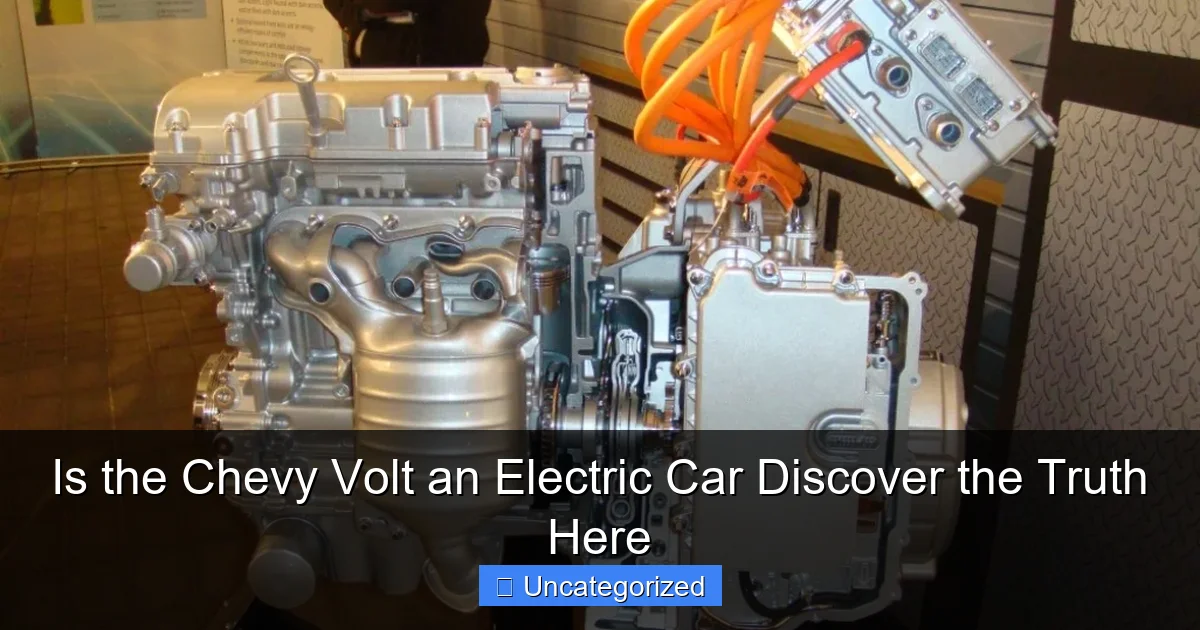
Featured image for is the chevy volt an electric car
Image source: insidethehood.com
The Chevy Volt is not a fully electric car—it’s a plug-in hybrid that combines an electric motor with a gasoline engine for extended range. It can drive 53 miles on pure electricity before the gas engine kicks in, making it a versatile choice for eco-conscious drivers who aren’t ready to go fully electric.
Key Takeaways
- The Chevy Volt is a plug-in hybrid, not a fully electric car.
- It runs on battery first, then switches to gas for longer trips.
- You can charge it at home for daily electric-only commuting.
- It reduces fuel use but still needs gasoline for extended drives.
- Ideal for short commutes with occasional long-distance flexibility.
- Not zero-emission like EVs, but cuts emissions significantly.
📑 Table of Contents
- Is the Chevy Volt an Electric Car? Discover the Truth Here
- Understanding Electric Vehicle Classifications
- How the Chevy Volt Works: The Technology Behind the Hybrid
- Performance, Range, and Efficiency: What the Numbers Tell Us
- Comparing the Chevy Volt to Pure Electric Cars and Traditional Hybrids
- Ownership Experience, Costs, and Environmental Impact
- Conclusion: The Chevy Volt – An Electric Car in Spirit, a Hybrid in Practice
Is the Chevy Volt an Electric Car? Discover the Truth Here
When shopping for an eco-friendly vehicle, the term “electric car” gets thrown around frequently. But not every car that plugs in is a pure electric vehicle (EV). Enter the Chevy Volt—a vehicle that’s often misunderstood in the EV conversation. With its ability to plug in, run on electricity, and switch to gasoline, the Chevy Volt occupies a unique space in the automotive world. So, is the Chevy Volt an electric car? The short answer is: it depends on how you define an electric car.
The Chevy Volt, produced by General Motors from 2011 to 2019 (with a second generation from 2016–2019), is best classified as a plug-in hybrid electric vehicle (PHEV), not a battery electric vehicle (BEV). It blends the benefits of electric driving with the extended range and convenience of a gasoline engine. This dual nature makes it a compelling choice for drivers who want to reduce their carbon footprint and fuel costs without sacrificing long-distance flexibility. In this comprehensive guide, we’ll dive deep into the mechanics, capabilities, and real-world performance of the Chevy Volt to answer the burning question: is it an electric car? By the end, you’ll understand exactly how it works, where it shines, and how it compares to pure EVs and traditional hybrids.
Understanding Electric Vehicle Classifications
To determine whether the Chevy Volt is an electric car, we must first clarify the different types of electric vehicles on the market today. Not all “electric” cars are created equal, and understanding these categories is essential for making an informed decision.
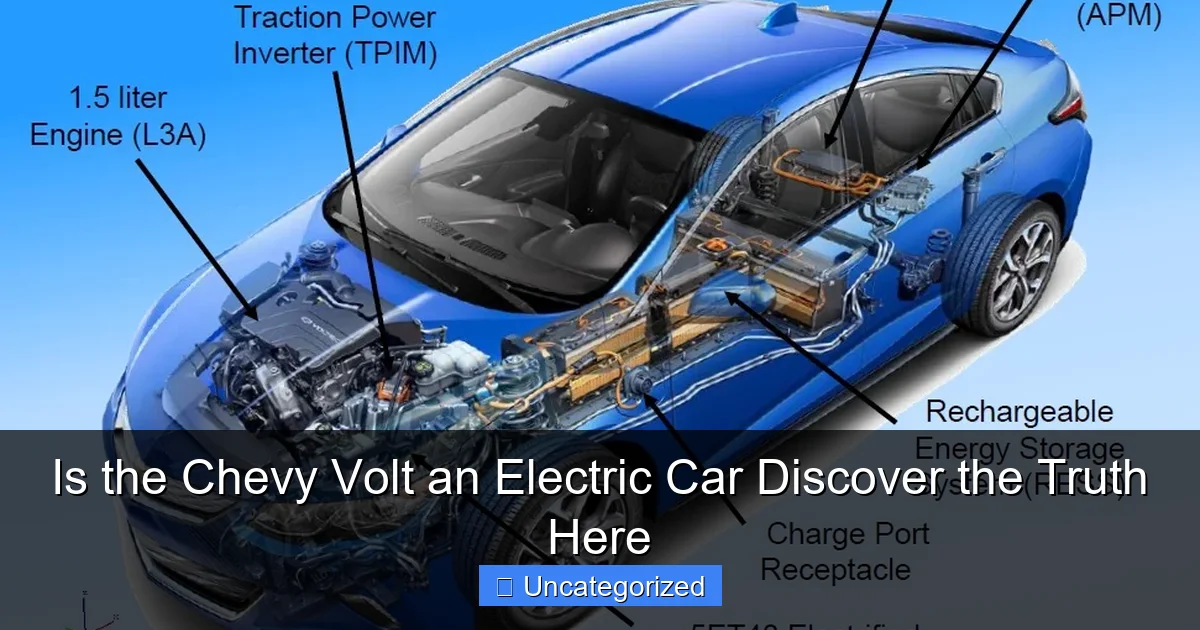
Visual guide about is the chevy volt an electric car
Image source: images.hgmsites.net
Types of Electric Vehicles: BEV, PHEV, and HEV
There are three main categories of electrified vehicles:
- BEV (Battery Electric Vehicle): Runs entirely on electricity stored in a battery. Examples: Tesla Model 3, Nissan Leaf, Chevrolet Bolt EV. No gasoline engine; must be charged via an outlet or charging station.
- PHEV (Plug-in Hybrid Electric Vehicle): Has both a battery-powered electric motor and an internal combustion engine (ICE). Can be plugged in to charge the battery, allowing all-electric driving for a limited range before switching to hybrid mode. The Chevy Volt falls into this category.
- HEV (Hybrid Electric Vehicle): Combines an ICE with an electric motor, but the battery cannot be plugged in. It’s charged via regenerative braking and the engine. Example: Toyota Prius (non-plug-in). No all-electric range.
<
Why the Chevy Volt Is a PHEV, Not a BEV
The Chevy Volt is a PHEV because it features:
- A rechargeable lithium-ion battery pack (18.4 kWh in Gen 2)
- An electric motor that powers the wheels directly
- A gasoline engine that acts as a generator to recharge the battery when it runs low
- The ability to plug into a standard 120V or 240V outlet for charging
<
Unlike a BEV like the Chevy Bolt, the Volt cannot drive solely on electricity indefinitely. Once the battery is depleted (typically after 50–53 miles in the second generation), the gasoline engine kicks in to generate electricity and keep the car moving. This means the Volt is partially electric, but not fully electric.
Real-World Implications of PHEV Classification
For daily commuters, the Chevy Volt’s all-electric range is often sufficient. For example, if your round-trip commute is 40 miles, you can drive entirely on electricity—no gas, no emissions—and recharge overnight. But if you take a 300-mile road trip, the gasoline engine will engage after the battery is drained, turning the Volt into a fuel-efficient hybrid. This flexibility is a major selling point for PHEVs, especially in areas with limited charging infrastructure.
How the Chevy Volt Works: The Technology Behind the Hybrid
The Chevy Volt’s powertrain is one of the most sophisticated and innovative in the PHEV segment. Its dual-power system is designed to maximize electric driving while providing a seamless transition to gasoline when needed.
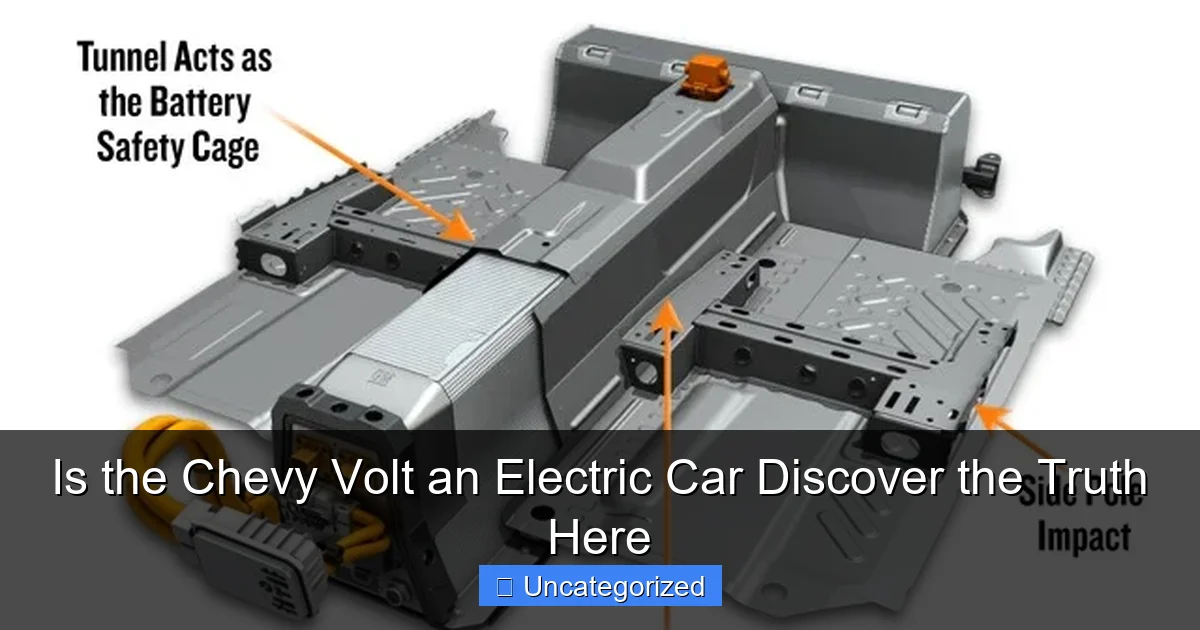
Visual guide about is the chevy volt an electric car
Image source: images.hgmsites.net
The Volt’s Dual-Motor Drive System
The second-generation Chevy Volt (2016–2019) uses a dual-motor transaxle system with a 1.5L gasoline engine. Here’s how it works:
- Two electric motors (Motor A and Motor B) work in tandem to drive the front wheels.
- The 18.4 kWh lithium-ion battery powers the motors directly.
- When the battery charge drops below a threshold (typically around 15%), the gasoline engine starts—not to drive the wheels, but to generate electricity for the motors.
- This system is known as an Extended Range Electric Vehicle (EREV) setup.
Unlike traditional hybrids (like the Toyota Prius), where the engine and electric motor can both drive the wheels, the Volt’s engine never connects directly to the wheels. This means the car is always electrically driven, even when the engine is running.
Regenerative Braking and Energy Recovery
The Volt uses regenerative braking to recover energy when slowing down or braking. When you lift your foot off the accelerator, the electric motors act as generators, converting kinetic energy into electricity that’s stored in the battery. The Volt also features a one-pedal driving mode (activated by a “Low” gear selector), which increases regenerative braking, allowing you to slow the car significantly without touching the brake pedal. This not only improves efficiency but also reduces brake wear.
Charging Options and Battery Management
The Chevy Volt can be charged using:
- Level 1 Charging: 120V household outlet (standard in most homes). Takes about 13 hours to fully charge from empty.
- Level 2 Charging: 240V charging station (like those at public stations or home installations). Takes about 4.5 hours to fully charge.
The Volt’s onboard charger manages the charging process and includes features like scheduled charging (to take advantage of off-peak electricity rates) and a battery thermal management system to maintain optimal temperature and extend battery life. The battery is also covered under an 8-year/100,000-mile warranty, giving owners peace of mind.
Example: A Typical Day with the Chevy Volt
Imagine this scenario:
- You charge the Volt overnight using a Level 2 charger.
- You drive 35 miles to work and back (70 miles total)—within the 53-mile all-electric range.
- No gasoline is used. You arrive home with 20% battery left.
- You plug in again and wake up with a full battery.
- On the weekend, you take a 150-mile road trip. After 53 miles, the gas engine starts. You refuel once during the trip. Total fuel consumption: ~42 mpg in hybrid mode.
This flexibility makes the Volt ideal for drivers who want electric driving most days but need long-range capability on occasion.
Performance, Range, and Efficiency: What the Numbers Tell Us
To evaluate whether the Chevy Volt is “electric enough,” we need to examine its performance metrics: electric range, fuel economy, acceleration, and overall efficiency.
Electric Range and Real-World Driving
According to the EPA:
- Gen 1 (2011–2015): 35–38 miles of all-electric range
- Gen 2 (2016–2019): 53 miles of all-electric range (EPA-rated)
In real-world testing, most drivers report achieving 45–50 miles on electricity, depending on driving style, terrain, and climate. Cold weather can reduce range by up to 30%, as the battery is less efficient and cabin heating draws significant power. However, the Volt’s engine can pre-heat the cabin while charging (using the “Remote Start” feature), helping preserve battery range.
Fuel Economy in Hybrid Mode
Once the battery is depleted, the Volt operates in hybrid mode. Its fuel economy is impressive:
- Gen 2 Volt: 42 mpg combined (43 city / 42 highway)
- Total range (electric + gas): ~420 miles on a full charge and full tank
Compare this to a traditional hybrid like the Toyota Prius (56 mpg combined), and the Volt holds its own—especially considering it can drive over 50 miles on electricity alone.
Acceleration and Driving Experience
The Gen 2 Chevy Volt delivers:
- 149 horsepower (combined electric motors)
- 0–60 mph in 7.5–8.0 seconds (slightly slower than a Tesla Model 3 but quicker than most hybrids)
- Instant torque from electric motors, providing smooth, quiet acceleration
The driving experience is electric-first. The cabin is quiet, the ride is comfortable, and handling is responsive. The Volt also features selectable driving modes: Normal, Sport (increases throttle response), and Mountain (reserves extra battery charge for uphill climbs).
Data Table: Chevy Volt Performance Summary (Gen 2, 2016–2019)
| Metric | Value |
|---|---|
| All-Electric Range (EPA) | 53 miles |
| Hybrid Fuel Economy (EPA) | 42 mpg combined |
| Total Driving Range (electric + gas) | ~420 miles |
| Battery Capacity | 18.4 kWh |
| Charging Time (Level 2, 240V) | 4.5 hours |
| Horsepower (combined) | 149 hp |
| 0–60 mph | 7.5–8.0 seconds |
| Engine Size | 1.5L 4-cylinder |
| Warranty (Battery) | 8 years / 100,000 miles |
This data shows the Chevy Volt is a high-efficiency, versatile vehicle that leverages electric power for daily driving while maintaining gasoline-powered flexibility for longer trips.
Comparing the Chevy Volt to Pure Electric Cars and Traditional Hybrids
To fully answer “is the Chevy Volt an electric car?”, we must compare it to its closest competitors: pure EVs and standard hybrids.
Chevy Volt vs. Pure Electric Cars (e.g., Chevy Bolt, Tesla Model 3)
Pros of the Volt over BEVs:
- No range anxiety—gasoline engine extends total range
- No need for public charging on road trips
- Lower upfront cost than most BEVs (especially used models)
- Can be refueled in minutes at any gas station
Cons of the Volt vs. BEVs:
- Shorter all-electric range (53 miles vs. 200+ miles for modern BEVs)
- Still uses gasoline, so not zero-emission in hybrid mode
- More complex powertrain (potential for higher maintenance costs)
- No DC fast charging capability (only Level 1 and Level 2)
Chevy Volt vs. Traditional Hybrids (e.g., Toyota Prius)
Pros of the Volt over HEVs:
- 53 miles of all-electric driving vs. zero for non-plug-in hybrids
- Lower fuel consumption for short trips (since no gas is used)
- Can be charged at home for daily commuting
- Quieter and smoother electric-only operation
Cons of the Volt vs. HEVs:
- Higher purchase price (though tax credits may offset this)
- Heavier due to larger battery (affects handling slightly)
- Requires charging infrastructure (though Level 1 is sufficient for many)
Which Is Right for You?
Choose the Chevy Volt if:
- You want electric driving for daily commutes
- You take frequent long trips and want to avoid charging stops
- You live in an area with limited public charging
- You want a balance of efficiency, convenience, and flexibility
Choose a pure EV if:
- You have access to reliable charging at home and work
- You rarely drive more than 150–200 miles per day
- You prioritize zero emissions and lower long-term fuel costs
- You’re ready to embrace charging infrastructure
Choose a traditional hybrid if:
- You want fuel efficiency without the need to plug in
- You don’t want to invest in a home charging station
- You’re on a tighter budget
Ownership Experience, Costs, and Environmental Impact
Beyond technology and performance, real-world ownership factors—cost, maintenance, and environmental impact—are critical when evaluating the Chevy Volt.
Total Cost of Ownership
The Chevy Volt offers strong value over time:
- Fuel Savings: For drivers who charge daily, fuel costs can be minimal. At 12,000 miles/year with 50% electric driving, you’d use ~200 gallons of gas (vs. ~300 for a 40 mpg car), saving $600–$800 annually at $3/gallon.
- Maintenance: Fewer oil changes, no transmission fluid (in electric mode), and regenerative braking reduce brake wear. However, the gasoline engine still requires routine maintenance (oil changes, spark plugs).
- Depreciation: The Volt holds value better than most PHEVs. A 2018 model in good condition can still sell for $15,000–$18,000 (as of 2024).
- Tax Credits: The Volt qualified for the full $7,500 federal tax credit when new. Used models may qualify for state or local incentives.
Environmental Benefits
The Chevy Volt significantly reduces greenhouse gas emissions compared to gas-only cars:
- EPA estimates: 76% lower CO2 emissions than the average new vehicle when charged regularly.
- Even in hybrid mode, the Volt emits less CO2 than a standard hybrid due to its efficient engine and electric drive.
- For drivers with solar panels, the Volt can be charged using renewable energy, making it a near-zero-emission vehicle.
Tips for Maximizing Efficiency
- Charge daily: Even a 30-minute Level 2 charge can add 10–15 miles of electric range.
- Use scheduled charging: Set charging to finish just before you leave, so the battery is warm (especially in winter).
- Precondition the cabin: Use the app to heat or cool the car while it’s plugged in, preserving battery range.
- Drive smoothly: Aggressive acceleration and high speeds reduce electric range.
- Keep tires properly inflated: Low tire pressure increases rolling resistance and energy use.
Conclusion: The Chevy Volt – An Electric Car in Spirit, a Hybrid in Practice
So, is the Chevy Volt an electric car? Technically, no—it’s a plug-in hybrid electric vehicle (PHEV). But in spirit and daily use, it behaves like one. For the average driver who commutes less than 50 miles a day, the Volt offers nearly all the benefits of a pure electric car: silent, emission-free driving, low operating costs, and the satisfaction of using electricity as your primary fuel.
The genius of the Chevy Volt lies in its flexibility. It’s not limited by charging infrastructure or range anxiety. When your battery runs low, the gasoline engine seamlessly takes over, turning the car into a fuel-efficient hybrid. This dual nature makes it a smart transitional vehicle for drivers moving from gas-powered cars to full electrification—or for those who want the best of both worlds.
While the Volt is no longer in production (discontinued in 2019), used models remain an excellent value. They offer modern tech (like Apple CarPlay, advanced safety features, and smartphone integration), proven reliability, and a driving experience that’s more electric than hybrid. If you’re seeking a car that reduces your carbon footprint, saves on fuel, and doesn’t compromise on convenience, the Chevy Volt is a standout choice.
In the end, the Chevy Volt proves that the future of transportation isn’t just about being fully electric—it’s about being smart, efficient, and adaptable. And in that regard, the Volt is not just an electric car in disguise—it’s a pioneer of the hybrid-electric revolution.
Frequently Asked Questions
Is the Chevy Volt an electric car?
The Chevy Volt is a plug-in hybrid electric vehicle (PHEV), not a fully electric car. It combines a battery-powered electric motor with a gasoline engine for extended range.
How does the Chevy Volt’s electric mode work?
In electric mode, the Chevy Volt runs solely on its battery for about 50 miles, producing zero emissions. Once the battery depletes, the gasoline engine activates to recharge it and power the wheels.
Can you drive the Chevy Volt without using gasoline?
Yes, but only for short distances (up to 50 miles) on battery power alone. For longer trips, the gasoline engine engages, making it a hybrid rather than a pure electric car.
Is the Chevy Volt considered an EV or hybrid?
The Chevy Volt is classified as a plug-in hybrid electric vehicle (PHEV). It bridges the gap between EVs and hybrids by offering both electric-only driving and gasoline backup.
Does the Chevy Volt need to be plugged in to charge?
Yes, to maximize its electric capabilities, the Chevy Volt must be plugged in to recharge the battery. However, it can still operate in hybrid mode if unplugged, using only gasoline.
What makes the Chevy Volt different from fully electric cars?
Unlike fully electric cars, the Chevy Volt has a gasoline engine that extends its range beyond the battery’s limit. This dual-system design eliminates range anxiety while still offering electric-only driving.