Is the Nissan Versa an Electric Car Discover the Truth Here
Featured image for is the nissan versa an electric car
Image source: i.pinimg.com
The Nissan Versa is not an electric car—it’s a budget-friendly, gas-powered sedan designed for efficiency, not battery-powered performance. If you’re searching for an affordable EV from Nissan, consider the Nissan Leaf instead, as the Versa lacks an electric variant despite growing competition in the compact EV market.
Key Takeaways
- The Nissan Versa is not electric: It runs solely on gasoline, no battery-electric version exists.
- No plug-in option available: You can’t charge a Versa; it requires gas station refueling only.
- Compare with Nissan Leaf for EVs: Choose the Leaf for Nissan’s true electric vehicle experience.
- Versa offers budget-friendly gas efficiency: Ideal for cost-effective, traditional fuel economy seekers.
- Check local incentives for EVs: Versa doesn’t qualify; consider Leafs for potential tax credits.
📑 Table of Contents
- Is the Nissan Versa an Electric Car? Discover the Truth Here
- Understanding the Nissan Versa’s Powertrain and Fuel Type
- How the Nissan Versa Compares to Nissan’s Electric Vehicles
- Electric vs. Gas: Key Differences in Ownership Experience
- Is There a Hybrid or Plug-In Hybrid Version of the Nissan Versa?
- Alternatives to the Nissan Versa: Electric and Hybrid Options
- Conclusion: The Truth About the Nissan Versa and Electric Mobility
Is the Nissan Versa an Electric Car? Discover the Truth Here
When shopping for a new car, one of the first questions many buyers ask is: Is the Nissan Versa an electric car? With the automotive world rapidly shifting toward electrification, it’s natural to wonder where popular models like the Nissan Versa fit into this evolving landscape. The Nissan brand has long been associated with innovation in electric mobility, thanks to the Nissan LEAF—the world’s first mass-market electric vehicle. However, despite this strong EV pedigree, the Nissan Versa remains a gasoline-powered sedan, not an electric car. This distinction is crucial for buyers seeking eco-friendly, zero-emission transportation.
In this comprehensive guide, we’ll dive deep into the Nissan Versa’s powertrain, fuel efficiency, emissions, and how it compares to Nissan’s electric offerings. Whether you’re a budget-conscious commuter, an environmentally aware driver, or simply curious about Nissan’s lineup, this article will clarify the truth behind the Versa’s propulsion system. We’ll also explore why Nissan continues to produce the Versa as a gas-powered model, what alternatives exist within the brand, and what the future might hold. By the end, you’ll have a crystal-clear understanding of is the Nissan Versa an electric car—and whether it aligns with your driving needs and sustainability goals.
Understanding the Nissan Versa’s Powertrain and Fuel Type
Engine Specifications and Transmission
The current-generation Nissan Versa (as of 2024) is powered by a 1.6-liter DOHC 4-cylinder engine, producing 122 horsepower and 114 lb-ft of torque. This engine is paired with a Continuously Variable Transmission (CVT), designed to maximize fuel efficiency and provide smooth acceleration. Unlike electric vehicles (EVs), which rely on electric motors and large battery packs, the Versa operates entirely on internal combustion technology, burning regular unleaded gasoline (87 octane recommended).

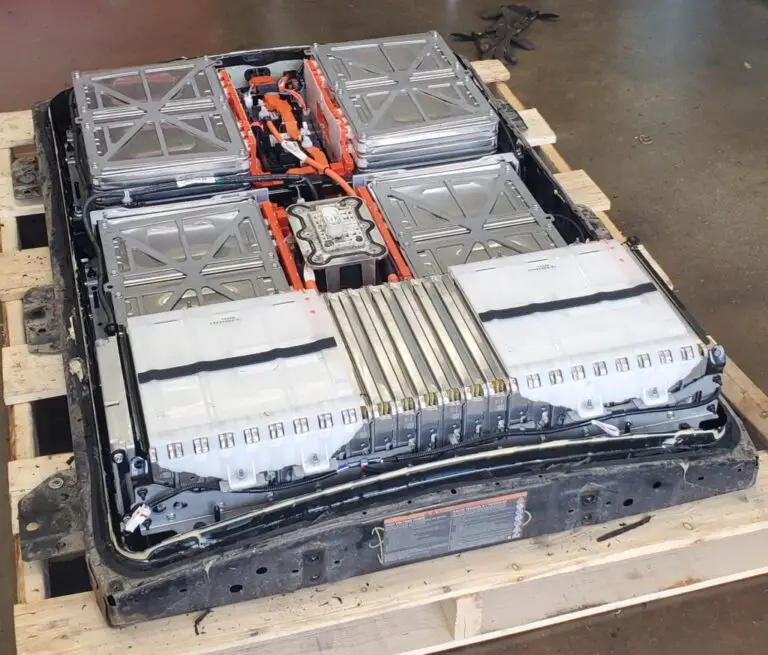
Visual guide about is the nissan versa an electric car
Image source: cdn.eduadvisor.my
This powertrain configuration is a hallmark of traditional compact sedans. For example, the 2024 Nissan Versa achieves an EPA-estimated 32 mpg in the city, 40 mpg on the highway, and 35 mpg combined. While these numbers are competitive for a non-hybrid vehicle in its class, they fall short of the energy efficiency offered by electric or even hybrid alternatives.
Key takeaway: The Nissan Versa uses a gasoline-only internal combustion engine (ICE), with no electric motor or battery system to drive the wheels. This means it requires regular refueling at gas stations, produces tailpipe emissions, and cannot be charged like an EV.
Fuel System and Emissions Profile
The Versa’s fuel delivery system is entirely mechanical, relying on a fuel pump, injectors, and a catalytic converter to meet emissions standards. It is certified to meet ULEV (Ultra Low Emission Vehicle) standards in most U.S. states, meaning it produces fewer pollutants than older or less efficient vehicles. However, it still emits carbon dioxide (CO₂), nitrogen oxides (NOx), and hydrocarbons (HC)—all contributors to air pollution and climate change.
For perspective, a gasoline-powered Versa emits approximately 3.9 metric tons of CO₂ annually when driven 12,000 miles per year (based on EPA data). In contrast, a fully electric vehicle like the Nissan LEAF, when charged with the U.S. average grid mix, emits around 2.0 metric tons—nearly half as much. If charged with 100% renewable energy, EV emissions drop to near zero.
Tip: If reducing your carbon footprint is a priority, the Nissan Versa—while efficient for a gas car—is not a zero-emission vehicle. It’s important to distinguish between fuel efficiency and environmental impact when evaluating vehicles.
How the Nissan Versa Compares to Nissan’s Electric Vehicles
Side-by-Side: Versa vs. Nissan LEAF
To truly answer is the Nissan Versa an electric car, let’s compare it directly with Nissan’s flagship electric model, the Nissan LEAF. The LEAF has been on the market since 2010 and represents Nissan’s commitment to electrification. Here’s how the two models stack up in key areas:
| Feature | Nissan Versa (2024) | Nissan LEAF (2024, 40 kWh) |
|---|---|---|
| Powertrain | 1.6L 4-cylinder gasoline engine | Electric motor (147 hp), 40 kWh battery |
| Fuel/Charging | Gasoline (35 mpg combined) | Electricity (111 MPGe combined) |
| Range | ~385 miles (12-gallon tank) | ~149 miles (per charge) |
| Emissions | Tailpipe CO₂, NOx, HC | Zero tailpipe emissions |
| Refueling/Charging Time | 3–5 minutes (gas station) | 40–80% in 30 mins (DC fast charge) |
| Starting MSRP | $17,270 | $28,140 (after federal tax credit) |
| Maintenance Costs (5 years) | $3,200 (est.) | $1,800 (est.) |
As the table shows, the Versa and LEAF serve very different markets. The Versa is a low-cost, gas-powered commuter car ideal for budget buyers who need reliable, no-frills transportation. The LEAF, on the other hand, is a zero-emission EV designed for eco-conscious drivers, with lower long-term operating costs but a higher upfront price and limited range.
Why Nissan Keeps the Versa Gas-Powered
Nissan’s decision to keep the Versa as a gasoline model is strategic. The Versa targets first-time car buyers, students, and urban commuters who prioritize affordability and simplicity. Introducing an all-electric Versa would significantly increase the price—likely by $8,000–$12,000—due to battery costs, making it less competitive in the entry-level segment.
Moreover, Nissan already offers the LEAF and the upcoming Ariya (a larger electric SUV) to serve the EV market. The Versa fills a different niche: it’s a value-driven, high-MPG sedan that doesn’t require charging infrastructure or lifestyle changes. For buyers who can’t install a home charger or live in areas with sparse public charging, the Versa remains a practical choice.
Example: A college student in a rural town with no Level 2 chargers nearby might find the Versa more convenient than an EV, despite the environmental trade-offs. Conversely, a city dweller with access to charging stations and a short daily commute might prefer the LEAF for lower fuel and maintenance costs.
Electric vs. Gas: Key Differences in Ownership Experience
Refueling vs. Charging: Time, Cost, and Convenience
One of the biggest differences between the Nissan Versa and an electric car lies in how you “refuel.” The Versa takes 3–5 minutes to fill up at any gas station, with fuel widely available across the U.S. In contrast, charging an electric car like the LEAF depends on the type of charger:
- Level 1 (120V outlet): Adds ~4 miles of range per hour. A full charge can take 18–24 hours.
- Level 2 (240V home charger): Adds ~25 miles per hour. Full charge in 7–8 hours.
- DC Fast Charging: Adds 80% in 30–45 minutes at public stations.
For the Versa owner, refueling is quick and routine. For the EV driver, charging requires planning, especially on long trips. However, EV owners save significantly on fuel costs. At $3.50 per gallon, the Versa costs about $0.10 per mile to drive. The LEAF, at $0.15 per kWh, costs just $0.04 per mile—a 60% savings.
Tip: Use a fuel cost calculator (available on the U.S. Department of Energy website) to compare annual fuel expenses between gas and electric models based on your driving habits and local electricity rates.
Maintenance and Long-Term Costs
Electric vehicles have fewer moving parts than gasoline cars, leading to lower maintenance costs. The Nissan LEAF, for instance, doesn’t require oil changes, spark plug replacements, or exhaust system repairs. It only needs periodic checks on the battery, coolant, and brakes (regenerative braking reduces wear).
The Versa, while reliable, requires regular maintenance:
- Oil changes every 5,000–7,500 miles
- Air filter and spark plug replacements
- Transmission fluid changes every 60,000 miles
- Exhaust system inspections
Over a 5-year period, the Versa’s maintenance costs average $3,200, compared to $1,800 for the LEAF (according to RepairPal). Additionally, EVs often have longer warranties on batteries (8 years/100,000 miles for the LEAF).
Note: While the Versa has a lower purchase price, the total cost of ownership (fuel + maintenance + depreciation) may favor the LEAF for high-mileage drivers or those with access to cheap electricity.
Is There a Hybrid or Plug-In Hybrid Version of the Nissan Versa?
Current Availability and Market Status
As of 2024, there is no hybrid, plug-in hybrid, or electric version of the Nissan Versa available in North America. Unlike competitors like the Toyota Corolla (which offers a hybrid variant) or the Hyundai Elantra (with a hybrid and PHEV option), the Versa remains a gasoline-only model. This is partly due to Nissan’s focus on the LEAF and Ariya for electrified offerings.
Internationally, Nissan has experimented with hybrid technology in other compact models (e.g., the Nissan Note e-POWER in Japan), but these have not been brought to the U.S. market. The e-POWER system uses a gasoline engine to charge a battery, which powers an electric motor—offering EV-like driving with no need to plug in. However, this technology is not applied to the Versa.
Why no hybrid Versa? Likely reasons include cost, packaging challenges, and Nissan’s strategy to keep the Versa as a low-priced, high-volume entry-level car. Adding a hybrid system would increase complexity and price, potentially alienating its core buyers.
Future Prospects: Could the Versa Go Electric?
While there’s no official announcement, industry analysts suggest Nissan may eventually electrify the Versa. As battery costs decline and consumer demand for affordable EVs grows, a sub-$25,000 electric Versa could make sense. Nissan has committed to electrifying 40% of its U.S. sales by 2030, and a small, low-cost EV would help meet that goal.
Rumors point to a potential Versa EV based on the CMF-AEV platform (used by the Nissan Magnite EV in India) or a new global small EV platform. Such a vehicle would likely have a range of 150–200 miles, making it ideal for city driving.
Tip: If you’re waiting for an electric Versa, keep an eye on Nissan’s press events and auto shows. The 2025–2026 model years could bring significant changes to Nissan’s small car lineup.
Alternatives to the Nissan Versa: Electric and Hybrid Options
Electric Cars Under $30,000
If you’re asking is the Nissan Versa an electric car because you want an affordable EV, here are some excellent alternatives:
- Nissan LEAF (40 kWh): Starts at $28,140 after tax credit. 149-mile range. Best for city drivers.
- Chevrolet Bolt EV: $26,500 (after federal credit), 247-mile range. Discontinued but still available as 2023/2024 models.
- Mini Cooper SE: $29,900, 110-mile range. Fun, compact, ideal for urban use.
- Upcoming 2025 Nissan Kicks EV: Rumored to start under $25,000. Expected to replace the Versa in some markets.
All these vehicles offer zero emissions, lower operating costs, and modern tech features. While they may have higher upfront prices than the Versa, tax incentives (up to $7,500) and fuel savings can close the gap.
Hybrid and Plug-In Hybrid Sedans
For buyers who want better fuel economy without going full electric, hybrids are a great middle ground:
- Toyota Corolla Hybrid: $23,500, 52 mpg combined. Proven reliability.
- Hyundai Elantra Hybrid: $25,500, 50 mpg. High-tech interior.
- Kia Niro Plug-In Hybrid: $27,000, 33-mile electric range. Best of both worlds.
These hybrids offer 50+ mpg, reducing fuel costs and emissions without requiring charging. They’re ideal for drivers who want to “dip their toes” into electrification.
Example: A driver who commutes 40 miles daily could use the Niro PHEV in electric mode for workdays, then switch to hybrid mode for weekend trips—cutting fuel use by 60–70%.
Conclusion: The Truth About the Nissan Versa and Electric Mobility
So, is the Nissan Versa an electric car? The definitive answer is no. The Nissan Versa is a gasoline-powered, internal combustion engine vehicle with no electric motor, battery, or charging capability. It’s designed for affordability, simplicity, and fuel efficiency—not zero emissions or electric performance.
However, this doesn’t make the Versa a poor choice. For budget-conscious buyers, urban commuters, or those without access to charging infrastructure, the Versa remains a practical, reliable option. It offers modern safety features, a comfortable ride, and excellent fuel economy for its class. But if your goal is to reduce emissions, save on fuel, and embrace the future of mobility, you’ll want to look beyond the Versa to Nissan’s LEAF, upcoming Ariya, or other affordable EVs and hybrids.
Nissan’s strategy is clear: the Versa serves the entry-level gas market, while the LEAF and Ariya lead the charge in electrification. As battery technology improves and prices drop, we may eventually see an electric Versa—but for now, it’s strictly a gas-powered sedan. The key is to align your vehicle choice with your priorities: cost, convenience, sustainability, or cutting-edge tech.
Whether you choose the Versa or an electric alternative, understanding the differences in powertrain, emissions, and ownership experience will help you make an informed decision. The future of transportation is electric—but for now, the Nissan Versa keeps the flame of the affordable gas car burning bright.
Frequently Asked Questions
Is the Nissan Versa an electric car?
No, the Nissan Versa is not an electric car. It is a compact sedan powered by a traditional gasoline engine, specifically a 1.6L 4-cylinder engine producing 122 horsepower.
Does the Nissan Versa have an electric version?
As of 2024, Nissan does not offer an electric version of the Versa. The current lineup includes only gasoline-powered models, unlike its sibling, the Nissan Leaf, which is fully electric.
What kind of fuel does the Nissan Versa use?
The Nissan Versa runs exclusively on gasoline. It is equipped with a 1.6L engine and does not have hybrid or electric variants available in its current generation.
Is the Nissan Versa a hybrid or electric car?
The Nissan Versa is neither a hybrid nor an electric car. It is strictly a gas-powered vehicle, making it distinct from Nissan’s eco-focused models like the Leaf or the hybrid Rogue.
Why isn’t the Nissan Versa an electric car?
The Versa is designed as an affordable, no-frills compact sedan, prioritizing low cost over advanced powertrains. Nissan reserves its electric technology for dedicated EV models like the Leaf and upcoming Ariya.
Can I convert my Nissan Versa into an electric car?
While technically possible, converting a gasoline-powered Versa into an electric car is complex and costly. It requires specialized expertise and parts, making it more practical to purchase a factory-made EV like the Nissan Leaf instead.