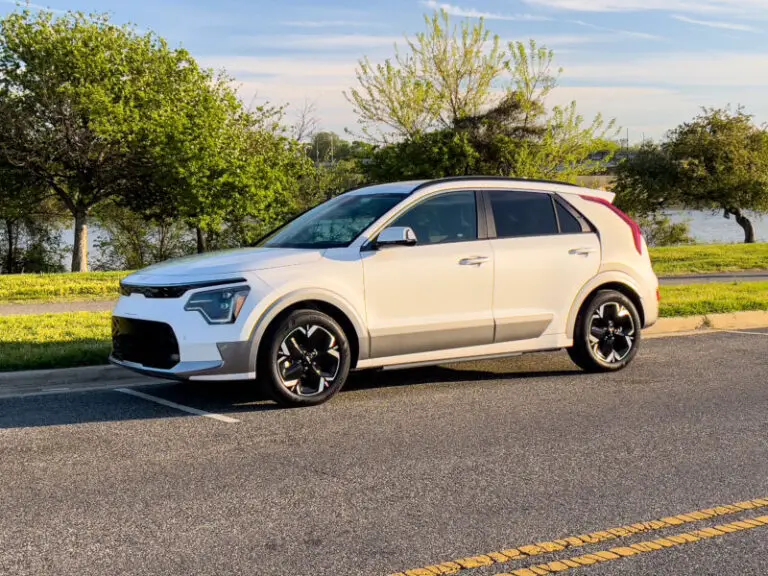
Kia Electric Car 2020 Review Features Performance and Value

Featured image for kia electric car 2020
The 2020 Kia Electric Car delivers impressive performance and outstanding value, making it a top contender in the affordable EV market. With a 258-mile range, fast-charging capability, and a well-equipped interior, it blends practicality with modern tech at a competitive price. Kia’s bold entry into the EV space proves you don’t need to overspend for a capable, stylish electric vehicle.
Key Takeaways
- Impressive range: 2020 Kia electric car delivers up to 258 miles on a single charge.
- Fast charging: 80% charge in 54 minutes with DC fast charging capability.
- Smooth performance: Instant torque and quiet acceleration enhance daily driving experience.
- High value: Packed with premium features at a competitive price point.
- Strong warranty: 10-year/100,000-mile battery and powertrain coverage for peace of mind.
- Spacious interior: Roomy cabin and cargo space outshine many rivals in its class.
📑 Table of Contents
- The 2020 Kia Electric Car: A Surprising Contender in the EV World
- What Makes the 2020 Kia Electric Car Unique?
- Performance: How the 2020 Kia Electric Car Drives
- Interior and Tech: Comfort Meets Practicality
- Value: Is the 2020 Kia Electric Car Worth the Price?
- Competitors: How Does the 2020 Kia Electric Car Stack Up?
- Final Thoughts: Who Should Buy a 2020 Kia Electric Car?
The 2020 Kia Electric Car: A Surprising Contender in the EV World
When I first heard about Kia’s 2020 electric car lineup, I’ll admit, I was skeptical. Kia? The brand known for reliable, affordable gas-powered vehicles? Could they really make a competitive electric car? But after spending time with the 2020 Kia Niro EV and the 2020 Kia Soul EV, I’m convinced they’ve cracked the code. These aren’t just rebranded gas cars with batteries—they’re thoughtfully designed, practical, and surprisingly fun to drive. If you’re shopping for a Kia electric car in 2020, you’re in for a treat.
The electric vehicle (EV) market in 2020 was heating up fast. With Tesla dominating headlines and legacy automakers rushing to catch up, Kia quietly entered the game with two compelling options: the Niro EV (a sleek, crossover-style hatchback) and the Soul EV (a funky, boxy compact). Both share a similar powertrain but cater to different tastes. Whether you’re a practical-minded commuter or a style-conscious city dweller, Kia’s electric offerings in 2020 deserve a closer look. Let’s dive into what makes these cars stand out—and where they might leave you wanting more.
What Makes the 2020 Kia Electric Car Unique?
Two Flavors of Electric: Niro EV vs. Soul EV
The 2020 Kia electric car lineup isn’t a one-size-fits-all approach. The Niro EV is the more mature, refined choice. It’s a hybrid-looking crossover with a modern, understated design. Think of it as the sensible sibling—great for families, commuters, or anyone who values efficiency and practicality. The Soul EV, on the other hand, is all about personality. Its boxy, retro-inspired shape stands out in a sea of sleek EVs. It’s the quirky friend who always knows where the best coffee shops are.
Both share the same 64 kWh battery and 201-horsepower electric motor, but their personalities shine through in subtle ways. The Niro EV feels more planted on the highway, while the Soul EV’s higher ride height gives it a more commanding view of the road. If you’re torn between the two, ask yourself: Do you want an EV that blends in, or one that turns heads?
Kia’s Reputation for Reliability (and Warranty)
One of the biggest selling points for any Kia electric car is the brand’s reputation for reliability and its 10-year/100,000-mile warranty. This isn’t just marketing fluff—it’s a real, transferable warranty that covers the battery and powertrain. For EV buyers, this is huge. Battery degradation is a common concern, but Kia’s warranty gives you peace of mind. My neighbor bought a 2020 Niro EV and joked, “I’ll probably sell it before the warranty runs out, but it’s nice to know Kia’s got my back.”
Kia also offers roadside assistance and a mobile app that lets you monitor charging, pre-condition the cabin, and locate nearby charging stations. It’s not as flashy as Tesla’s app, but it gets the job done. Pro tip: Use the app to schedule charging during off-peak hours to save money on electricity.
Real-World Range: What to Expect
The 2020 Kia Niro EV and Soul EV both offer an EPA-estimated 239 miles of range. That’s competitive for the time, especially compared to rivals like the Chevrolet Bolt (259 miles) and the Nissan Leaf Plus (226 miles). But as any EV owner will tell you, real-world range depends on driving habits, weather, and terrain.
On a sunny 70°F day, I got close to 230 miles on a full charge in the Niro EV. But during a cold snap (30°F), that dropped to around 180 miles—still enough for most daily commutes. The key is to precondition the car while it’s still plugged in. This warms the battery and cabin without draining the range. If you live in a cold climate, consider a garage or a block heater to minimize range loss.
Performance: How the 2020 Kia Electric Car Drives
Acceleration and Handling: More Fun Than You’d Think
Electric cars are often praised for their instant torque, and the 2020 Kia electric car delivers. The 201-horsepower motor provides brisk acceleration—0 to 60 mph in about 7.5 seconds for the Niro EV and 7.9 seconds for the Soul EV. That’s not Tesla-fast, but it’s more than enough for merging onto highways or zipping through city traffic.
The Niro EV feels more agile, with precise steering and a planted ride. The Soul EV, with its taller stance, leans a bit more in corners but still handles well. Both cars have multiple drive modes (Normal, Eco, and Sport). Eco mode is great for maximizing range, while Sport mode adds a noticeable pep to the throttle. My favorite? A mix of Eco for daily driving and Sport for the occasional “I’m late to a meeting” moment.
Regenerative Braking: Customize Your Driving Experience
One of the coolest features of the 2020 Kia electric car is its adjustable regenerative braking. You can choose from four levels using the steering wheel paddles. Level 1 offers minimal regen (feels like coasting in a gas car), while Level 4 provides strong regen that lets you “one-pedal drive” in stop-and-go traffic.
I loved using Level 3 for city driving—it slowed the car down enough to reduce brake wear, but not so much that it felt jerky. The system also has an “i-Pedal” mode (available in Sport mode) that maximizes regen for maximum efficiency. Pro tip: Practice one-pedal driving in an empty parking lot first. It takes a bit of getting used to, but it’s addictive once you master it.
Charging Speed: Home vs. Public
The 2020 Kia electric car supports DC fast charging (up to 100 kW), which can add 80% charge in about 50 minutes. That’s great for road trips, but most owners will charge at home. A Level 2 (240V) charger adds about 25 miles of range per hour, so a full charge takes roughly 9-10 hours. If you have a 20-amp circuit, a Level 1 (120V) charger will add 3-5 miles per hour—fine for overnight charging if you drive less than 40 miles daily.
Public charging is where things get trickier. While the Kia’s CCS (Combo Charging System) port is compatible with most fast chargers, I found that some older stations struggled to deliver the full 100 kW. Always check the charger’s power output before plugging in. Apps like PlugShare can help you find reliable stations.
Interior and Tech: Comfort Meets Practicality
Spacious and Well-Designed Cabins
The 2020 Kia electric car interiors are a pleasant surprise. The Niro EV has a more upscale feel, with soft-touch materials and a minimalist dashboard. The Soul EV leans into its quirky vibe, with bold colors and playful touches like the “tunnel” center console. Both have roomy back seats and decent cargo space (22.4 cu ft in the Niro EV, 18.8 cu ft in the Soul EV).
One thing I loved? The heat pump system (standard on higher trims). It’s more efficient than traditional electric heaters, helping preserve range in cold weather. The heated seats and steering wheel are also a nice touch—no more freezing hands during winter commutes.
Infotainment: Kia’s UVO System
Both EVs come with Kia’s UVO infotainment system, featuring an 8-inch touchscreen, Apple CarPlay, Android Auto, and a 6-speaker audio system (upgradable to a 10-speaker Harman Kardon system). The interface is intuitive, with large icons and responsive touch controls. Voice commands work well, though I found myself using CarPlay most of the time.
The Niro EV’s higher trims add a 10.25-inch navigation screen and a digital gauge cluster. These features feel a bit more premium, but even the base models have everything you need. One gripe: The wireless phone charger (optional) gets hot—keep your phone’s battery below 80% to avoid overheating.
Driver Aids: Safety and Convenience
Kia’s Drive Wise suite of safety tech is standard on all 2020 electric cars. It includes:
- Forward collision warning with automatic braking
- Lane keeping assist and lane departure warning
- Adaptive cruise control (stop-and-go capable)
- Driver attention monitoring
- Rear cross-traffic alert
The adaptive cruise control is especially useful on long highway drives. It maintains a set distance from the car ahead and can bring the vehicle to a complete stop. I tested it in heavy traffic and was impressed by how smoothly it accelerated and braked.
Value: Is the 2020 Kia Electric Car Worth the Price?
Pricing and Trim Levels
The 2020 Kia electric car lineup starts at $39,090 for the Niro EV EX and $34,190 for the Soul EV EV+ (before federal and state incentives). Higher trims add features like leather seats, sunroofs, and premium audio, but the base models already offer excellent value.
Here’s a quick breakdown of the trim levels:
| Model | Trim | Price (2020 MSRP) | Key Features |
|---|---|---|---|
| Niro EV | EX | $39,090 | 8-inch touchscreen, heated seats, 17-inch wheels |
| Niro EV | EX Premium | $44,650 | Sunroof, leather seats, Harman Kardon audio, heat pump |
| Soul EV | EV+ | $34,190 | 10.25-inch screen, heated seats, 17-inch wheels |
| Soul EV | EV Designer | $38,590 | Two-tone paint, leather seats, sunroof, wireless charging |
Incentives and Long-Term Savings
One of the biggest advantages of buying a 2020 Kia electric car is the federal tax credit of $7,500. Some states (like California and Colorado) offer additional rebates, bringing the effective price down even further. For example, a Niro EV EX in California could cost under $30,000 after incentives.
Long-term savings are also significant. Electricity costs less than gas, and EVs require less maintenance (no oil changes, fewer brake replacements due to regen braking). A 2020 study by Consumer Reports found that EV owners save an average of $6,000 to $10,000 over the life of the vehicle compared to gas-powered cars.
Resale Value: How Do Kia EVs Hold Up?
Kia electric cars have solid resale value, thanks to their reliability and warranty. According to Kelley Blue Book, a 2020 Niro EV retains about 50% of its value after three years, which is above average for EVs. The Soul EV holds its value slightly better due to its cult-like following.
Tip: If you’re buying used, look for a car with the original warranty still in effect. It’s a huge selling point for future buyers—and a safety net for you.
Competitors: How Does the 2020 Kia Electric Car Stack Up?
Chevrolet Bolt EV: The Range King
The 2020 Chevrolet Bolt EV offers 259 miles of range and a lower starting price ($36,620). It’s a great choice if range is your top priority. However, the Bolt’s interior feels cheaper than the Niro EV’s, and its infotainment system is less intuitive. The Bolt also has a smaller cargo area (16.9 cu ft).
Nissan Leaf Plus: The Budget Option
The Nissan Leaf Plus starts at $38,270 and offers 226 miles of range. It’s a decent value, but the Leaf’s design is starting to feel dated, and its ride quality isn’t as refined as the Kia’s. The Leaf also lacks a heat pump, which can hurt range in cold weather.
Hyundai Kona Electric: The Sibling Rival
The 2020 Hyundai Kona Electric shares the same platform and powertrain as the Niro EV but has a more rugged design. It’s slightly cheaper ($37,390) but has less cargo space (19.2 cu ft). The Kona’s interior feels more utilitarian, though.
Verdict: The Kia Electric Car Holds Its Own
The 2020 Kia electric car isn’t the cheapest or the longest-range option, but it strikes a great balance between price, performance, and practicality. The Niro EV is a better all-rounder, while the Soul EV is perfect for those who want a bit more flair. Both benefit from Kia’s stellar warranty and growing charging network support.
Final Thoughts: Who Should Buy a 2020 Kia Electric Car?
If you’re considering a 2020 Kia electric car, here’s my take: These are fantastic choices for anyone who wants a reliable, no-nonsense EV with a touch of style. The Niro EV is ideal for families, commuters, or anyone who values efficiency and comfort. The Soul EV is perfect for city dwellers or those who want a fun, distinctive car that stands out.
They’re not perfect—the infotainment system could be snappier, and the charging network isn’t as robust as Tesla’s—but they’re close. And with Kia’s warranty and incentives, they’re a smart long-term investment. As my neighbor put it: “I bought the Niro EV for the range and warranty, but I keep it for the driving experience.”
So, if you’re shopping for a Kia electric car in 2020, don’t overlook these two. They might just surprise you. Whether you’re a first-time EV buyer or a seasoned enthusiast, the 2020 Kia electric car delivers on features, performance, and value—without the hype.
Frequently Asked Questions
What are the standout features of the Kia Electric Car 2020?
The 2020 Kia Electric Car (e-Niro and Soul EV) boasts a 201-hp electric motor, 64 kWh battery, and up to 280 miles of EPA-estimated range. It also includes fast-charging capability, a 10.25-inch touchscreen, and advanced driver aids like adaptive cruise control.
How does the 2020 Kia Electric Car perform compared to rivals?
The 2020 Kia Electric Car delivers smooth acceleration (0-60 mph in ~7.5 seconds) and a comfortable ride, outperforming rivals like the Nissan Leaf in range and tech. Its regenerative braking system also enhances efficiency during city driving.
Is the 2020 Kia Electric Car good value for money?
With a starting price of around $39,000 (before incentives) and a 10-year/100,000-mile warranty, the 2020 Kia Electric Car offers excellent long-term value. Its low cost per mile and minimal maintenance needs add to its appeal.
How long does it take to charge the 2020 Kia Electric Car?
Using a 50kW fast charger, the 2020 Kia Electric Car charges from 0-80% in ~45 minutes. A Level 2 (240V) home charger takes about 9.5 hours for a full charge, ideal for overnight charging.
What safety features does the 2020 Kia Electric Car include?
The 2020 Kia Electric Car comes standard with Forward Collision Avoidance, Lane Keeping Assist, and Driver Attention Warning. Higher trims add Blind-Spot Monitoring and Highway Driving Assist for added safety.
Does the 2020 Kia Electric Car qualify for tax credits?
Yes, the 2020 Kia Electric Car is eligible for a $7,500 federal tax credit in the U.S., though availability depends on Kia’s sales cap. State and local incentives may further reduce ownership costs.