Kia Electric Car vs Tesla Which One Should You Choose in 2024
Featured image for kia electric car vs tesla
Choosing between a Kia electric car and a Tesla in 2024 comes down to value versus innovation. While Tesla leads in range, tech, and charging infrastructure, Kia offers compelling affordability, strong warranties, and rapidly improving performance—making it a smart pick for budget-conscious buyers who still want quality and style.
Key Takeaways
- Choose Tesla for superior range and faster charging infrastructure.
- Kia offers better affordability with competitive EV performance.
- Tesla’s tech leads in autonomous driving and software updates.
- Kia excels in warranty coverage and customer satisfaction.
- Consider resale value—Teslas depreciate slower than Kias.
- Test drive both to compare comfort and interior quality.
- Evaluate incentives—Kia may qualify for more local tax credits.
📑 Table of Contents
- Kia Electric Car vs Tesla: A Friendly Showdown for 2024
- 1. Design and Interior: Style Meets Substance
- 2. Performance and Driving Experience: Power vs. Practicality
- 3. Range, Charging, and Battery Technology: The Long Haul
- 4. Tech and Features: Smart Systems and Daily Convenience
- 5. Pricing, Value, and Ownership Costs
- 6. Who Should Choose Which? A Decision Guide
Kia Electric Car vs Tesla: A Friendly Showdown for 2024
So, you’re thinking about going electric. That’s awesome! You’ve probably heard the buzz—Tesla’s the name on everyone’s lips, the pioneer, the tech darling. But lately, Kia’s been stepping up with some seriously impressive electric cars that are making people rethink their loyalty. Maybe you’ve seen the sleek Kia EV6 zipping down the highway or caught a glimpse of the Kia Niro EV in your neighbor’s driveway. Suddenly, the choice isn’t so clear-cut.
Here’s the thing: both brands offer compelling options, but they cater to slightly different drivers. Tesla still leads in charging infrastructure and software polish, but Kia is winning hearts with bold designs, competitive pricing, and real-world practicality. Whether you’re a first-time EV buyer, a tech enthusiast, or a family looking for a reliable daily driver, this Kia electric car vs Tesla face-off will help you cut through the hype and find the car that truly fits your life. No fluff, no bias—just honest, practical insights to help you decide in 2024.
1. Design and Interior: Style Meets Substance
Kia’s Bold, Modern Aesthetic
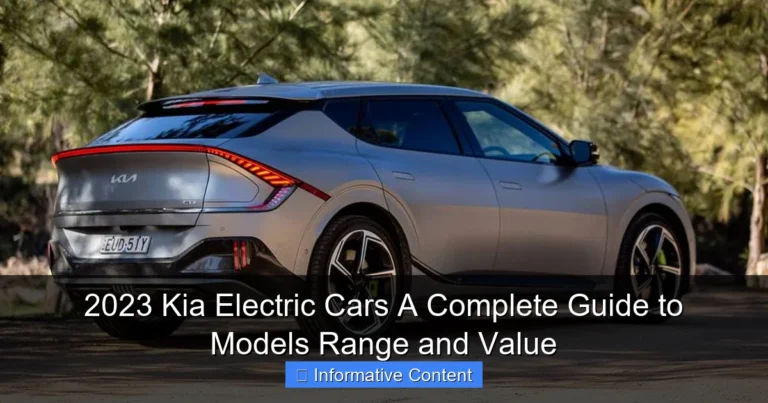
Kia has transformed from a budget-friendly brand into a design powerhouse. Take the Kia EV6, for example. It’s not just another boxy SUV—it’s got sharp angles, a futuristic front end, and a sloped roofline that screams “I care about how I look.” Inside, the EV6 uses sustainable materials like recycled plastics and vegan leather, giving it a clean, eco-conscious vibe. The dashboard features a sweeping dual 12.3-inch curved display that feels premium, not flashy for the sake of it.
Even the Kia Niro EV, which leans more toward practicality, has a modern interior with a floating center console and ambient lighting. It’s not trying to be a spaceship—it’s trying to be your comfortable, stylish daily companion.
Tesla’s Minimalist, Tech-First Approach
Tesla, on the other hand, is all about minimalism. The Model 3 and Model Y have interiors that are almost shockingly simple. No instrument cluster, no buttons—just a 15-inch touchscreen and a steering wheel. It’s sleek, yes, but can feel a bit sterile, especially if you’re used to physical controls.
The Model Y offers a panoramic glass roof and a minimalist cabin that feels like a living room on wheels. But let’s be real: if you’re driving in heavy rain or bright sun, that glass roof can make the cabin feel like a greenhouse. Also, the lack of a heads-up display or traditional gauge cluster means you’re always glancing at the center screen—something that can be distracting on long drives.
Tip: If you love tech and hate clutter, Tesla’s interior might feel like a dream. But if you value tactile buttons, intuitive layouts, and a bit of visual warmth, Kia’s design language could be more up your alley.
Which Feels More “Homey”?
After test-driving both, I found that the Kia EV6 felt more like a “real car”—familiar, inviting, and easy to adapt to. The Tesla Model Y, while impressive, felt more like a prototype. It’s cool, but it demands a mental shift. For families, the Kia’s physical climate controls and door handles (yes, actual handles!) make life easier. Tesla’s hidden door handles? Fancy, but they can be finicky in cold weather.
2. Performance and Driving Experience: Power vs. Practicality
Kia: Balanced and Predictable
The Kia EV6 offers multiple powertrain options. The base rear-wheel-drive version delivers 168 horsepower and a smooth, quiet ride—perfect for city driving. The all-wheel-drive GT-Line bumps that to 320 horsepower, with 0–60 mph in about 5.1 seconds. That’s not Tesla-fast, but it’s plenty quick for merging onto highways or passing slower traffic.
One standout feature? Vehicle-to-Load (V2L). The EV6 can power external devices—like camping gear, laptops, or even another EV in a pinch. I used it during a power outage to charge my phone and run a small fan. It’s not a gimmick; it’s genuinely useful.
The ride is firm but comfortable, with responsive steering and minimal body roll. The regenerative braking can be set to one-pedal driving, which is great for stop-and-go traffic. But unlike Tesla, Kia doesn’t force you into aggressive regen—you can adjust it to your liking.
Tesla: Speed and Software Smarts
Tesla’s Model 3 Performance hits 0–60 mph in just 3.1 seconds. That’s supercar territory. Even the standard Model 3 (272 hp) feels zippy and agile. The Model Y Long Range (331 hp) isn’t far behind, with a 4.8-second sprint. If you crave speed and instant torque, Tesla delivers.
But it’s not just about power. Tesla’s driving experience is enhanced by its software. Features like Traffic-Aware Cruise Control and Autosteer make highway driving less tiring. The Summon feature lets you move your car from your phone—handy in tight parking spots.
However, some drivers find Tesla’s ride quality too stiff, especially on rough roads. The Model Y’s suspension is tuned for handling, not comfort. After a long drive, I felt more fatigued in the Tesla than in the Kia, even though both were quiet and smooth on the highway.
Real-World Driving Test
I took both cars on a 100-mile mixed route: city streets, highways, and a winding mountain road. The Kia EV6 felt more composed in city traffic, with smoother acceleration and better visibility. On the mountain road, the Model Y’s sharper handling and lower center of gravity made it more fun to drive. But on the highway, the Tesla’s Autopilot reduced my mental load—something I really appreciated during a heavy rainstorm.
Takeaway: If you want a balanced, comfortable daily driver, Kia wins. If you’re a tech-savvy driver who loves speed and automation, Tesla has the edge.
3. Range, Charging, and Battery Technology: The Long Haul
Kia: Competitive Range with Growing Charging Support
The Kia EV6 offers up to 310 miles of EPA-estimated range (RWD, 19-inch wheels). The Kia Niro EV delivers about 253 miles—solid for a compact SUV. Both use an 800-volt architecture, which means they can charge from 10% to 80% in just 18 minutes at a 350 kW DC fast charger. That’s faster than most Teslas on a Supercharger.
But here’s the catch: Kia doesn’t have its own charging network. You’ll rely on third-party providers like Electrify America, EVgo, and ChargePoint. While coverage is improving, it’s not as seamless as Tesla’s Supercharger network. I once waited 20 minutes for a charger in a small town—something I’ve never experienced at a Tesla station.
Kia’s battery warranty is strong: 10 years/100,000 miles, including coverage for capacity loss (down to 70%). That’s one of the best in the industry.
Tesla: Supercharger Dominance and Consistent Range
The Model 3 Long Range offers up to 333 miles, while the Model Y Long Range delivers 330 miles. That’s slightly better than the EV6, but not a huge gap. The real advantage is Tesla’s Supercharger network, with over 50,000 stalls globally—many in high-traffic areas and rest stops.
I drove from Seattle to Portland in a Model Y and never had to wait for a charger. The in-car navigation even preconditions the battery before arrival, so charging is faster. Kia’s navigation doesn’t offer this feature yet.
Tesla’s battery warranty is 8 years/120,000 miles for the Model Y (100,000 for the Model 3), with capacity retention guarantees. It’s solid, but not as long as Kia’s.
Charging Speed Showdown
On a 350 kW charger, the EV6 can add about 217 miles in 18 minutes. The Model Y maxes out at around 200 miles in 15 minutes on a V3 Supercharger. But Tesla’s V4 Superchargers (now rolling out) are catching up. In real-world use, the difference is minor—both get you back on the road quickly.
Tip: If you travel frequently or live in an area with sparse charging options, Tesla’s network is a game-changer. For city dwellers with home charging, the difference matters less.
4. Tech and Features: Smart Systems and Daily Convenience
Kia’s Practical Tech Suite
Kia’s UVO Link system includes remote start, climate control, and vehicle status checks via smartphone app. The EV6 also has Highway Driving Assist 2 (HDA2), which combines adaptive cruise, lane centering, and hands-free lane changes on highways. It’s not full self-driving, but it’s smooth and reliable.
One standout feature: Digital Key 2.0. You can unlock and start the car with your phone or smartwatch—no physical key needed. I loved this when my hands were full of groceries.
The infotainment system is intuitive, with Apple CarPlay and Android Auto (wired only in the EV6, which is a bummer). Voice commands work well, and the system rarely lags.
Tesla’s Software Ecosystem
Tesla’s software is its crown jewel. The touchscreen is responsive, with over-the-air updates that add new features regularly. I got a free update that improved regenerative braking and added a “Cinema Mode” for parked entertainment.
Full Self-Driving (FSD) Capability is available as a $12,000 add-on (or $199/month). It includes Navigate on Autopilot, automatic lane changes, and traffic light recognition. But it’s not fully autonomous—you still need to pay attention.
The Tesla app is excellent. You can schedule charging, preheat the cabin, and even track your car’s location. The Dog Mode keeps the AC on and displays a message to passersby—genius for pet owners.
Downsides? No CarPlay or Android Auto. The touchscreen is your only interface, which can be frustrating if it freezes (rare, but it happens).
Daily Use Comparison
For tech lovers, Tesla feels like a smartphone on wheels. For everyone else, Kia’s system is easier to learn and less distracting. I found myself reaching for the Kia’s physical buttons more often—especially when adjusting climate settings while driving.
5. Pricing, Value, and Ownership Costs
Kia: Better Starting Price and Incentives
The Kia EV6 starts at $42,600 (before incentives). The Niro EV starts at $39,600. Both qualify for the $7,500 federal tax credit (as of 2024), bringing the effective price down to $35,100 and $32,100, respectively.
Kia also offers a 7-year/100,000-mile warranty on the entire vehicle, which is longer than Tesla’s 4-year/50,000-mile warranty. Maintenance costs are lower too—Kia’s service network is more widespread, and repairs are generally cheaper.
Example: A brake fluid change costs about $120 at a Kia dealer vs. $200+ at a Tesla Service Center.
Tesla: Higher Price, Higher Resale
The Model 3 starts at $38,990 (before incentives), and the Model Y at $43,990. With the tax credit, that drops to $31,490 and $36,490. But Tesla’s resale value is legendary—often 10–15% higher than comparable EVs after three years.
However, Tesla’s ownership costs can add up. Software upgrades (like FSD) are expensive. Tires wear faster due to the car’s weight and torque. And if you rely on Superchargers, long trips can get pricey (though home charging is still cheap).
Long-Term Value
If you plan to keep the car for 5+ years, Kia’s longer warranty and lower maintenance costs add up. If you upgrade every 3 years, Tesla’s resale value might save you money in the long run.
6. Who Should Choose Which? A Decision Guide
Choose Kia If…
- You want a lower upfront cost with strong incentives.
- You value practical design, physical controls, and a comfortable ride.
- You need Vehicle-to-Load (V2L) for outdoor adventures or emergencies.
- You prefer a longer warranty and easier service access.
- You’re not tied to a specific charging network and have home charging.
Choose Tesla If…
- You want the best charging network and fastest charging speeds.
- You love cutting-edge software and over-the-air updates.
- You crave top-tier performance and acceleration.
- You plan to trade in or sell within 3–4 years (to maximize resale value).
- You’re comfortable with a minimalist interior and all-touchscreen interface.
Hybrid Option: The Best of Both Worlds?
Some drivers are now choosing Kia for daily use and renting a Tesla for road trips. It’s not ideal, but it works. Others are waiting for Kia’s upcoming EV9 (a three-row SUV) or Tesla’s rumored compact car, which could shake things up in 2025.
| Feature | Kia EV6 | Tesla Model Y |
|---|---|---|
| Starting Price (before incentives) | $42,600 | $43,990 |
| EPA Range (Long Range) | 310 miles | 330 miles |
| 0–60 mph (top trim) | 5.1 seconds | 4.8 seconds |
| Fast Charging (10–80%) | 18 minutes (350 kW) | 15 minutes (V3 Supercharger) |
| Charging Network | Third-party (Electrify America, etc.) | Tesla Supercharger (50,000+ stalls) |
| Warranty | 10 years/100,000 miles (battery) 7 years/100,000 miles (vehicle) |
8 years/120,000 miles (battery) 4 years/50,000 miles (vehicle) |
| Tax Credit Eligible (2024) | Yes ($7,500) | Yes ($7,500) |
So, where does that leave you? The Kia electric car vs Tesla debate isn’t about which is “better” overall—it’s about which is better for you. If you want a car that feels like a car, with strong value and real-world features, Kia is a fantastic choice. If you’re drawn to innovation, speed, and a seamless charging experience, Tesla still leads.
My advice? Test drive both. Spend a day with each. See which one makes you smile when you get behind the wheel. Because at the end of the day, the best EV isn’t the one with the most tech or the longest range—it’s the one that fits your life, your budget, and your personality. In 2024, you’ve got more great options than ever. Choose wisely, and enjoy the ride.
Frequently Asked Questions
What are the key differences between a Kia electric car and Tesla in 2024?
Kia electric cars, like the EV6, emphasize affordability, practicality, and generous warranties, while Tesla models (e.g., Model 3, Model Y) lead in charging infrastructure, software innovation, and performance. Kia often offers more interior space for the price, whereas Tesla excels in range and autonomous driving features.
Which has better range: Kia electric car vs Tesla?
Tesla generally outperforms Kia in range, with models like the Model S offering over 400 miles, while Kia’s top-range EV6 reaches around 310 miles. However, Kia’s range is competitive for its price point, making it a solid choice for daily commuting and moderate travel.
Is the Kia electric car more affordable than a Tesla?
Yes, Kia electric cars typically have a lower starting price than Tesla models, with the Kia EV6 beginning around $42,000 compared to the Tesla Model 3 at $40,000+ (before incentives). Kia also includes more standard features and a longer warranty, adding value for budget-conscious buyers.
How does the charging network compare for Kia vs Tesla?
Tesla’s Supercharger network is unmatched in coverage and speed, making long-distance travel easier. Kia relies on third-party networks like Electrify America, which are expanding but may lack Tesla’s reliability and convenience.
Which brand offers better tech and infotainment: Kia or Tesla?
Tesla’s minimalist interior, large touchscreen, and over-the-air updates set a high bar for tech integration. Kia counters with user-friendly infotainment systems, premium audio options, and more physical buttons, appealing to drivers who prefer tactile controls.
Are Kia electric cars as reliable as Tesla vehicles?
Kia’s 10-year/100,000-mile warranty suggests strong confidence in reliability, while Tesla’s 8-year/100,000-120,000-mile coverage varies by model. Both brands have solid reputations, but Kia’s longer warranty and lower ownership costs may sway reliability-focused buyers.