Kia Hyundai Electric Cars The Future of Eco Friendly Driving

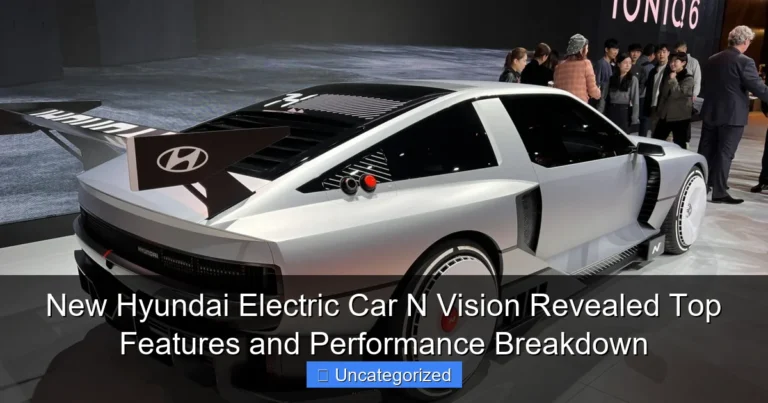
Featured image for kia hyundai electric cars
Image source: cdn.motor1.com
Kia and Hyundai electric cars are revolutionizing eco-friendly driving with cutting-edge technology, impressive range, and sleek designs. Offering models like the Kia EV6 and Hyundai Ioniq 5, both brands combine sustainability with performance, featuring ultra-fast charging, long-range batteries, and smart tech integration. With bold innovation and a commitment to zero emissions, Kia and Hyundai are setting new standards for the future of green mobility.
Key Takeaways
- Kia and Hyundai lead in affordable, long-range electric vehicles with cutting-edge tech.
- Fast charging capability reduces downtime, making EVs practical for daily use.
- E-GMP platform delivers superior performance and modularity across models.
- Bold design language merges sustainability with head-turning aesthetics.
- Strong warranty coverage ensures peace of mind for EV buyers.
- V2L technology turns cars into mobile power sources for emergencies or outdoor trips.
- Expanding charging network supports seamless long-distance travel and ownership convenience.
📑 Table of Contents
- The Electric Revolution: Kia & Hyundai Lead the Charge
- Why Kia & Hyundai Are Winning the EV Race
- Top Models Compared: Finding Your Perfect Fit
- Charging Solutions: Making Range Anxiety Obsolete
- Beyond the Car: Sustainable Ecosystem
- Owning an Electric Kia/Hyundai: Real-World Advice
- The Road Ahead: What’s Next for Kia & Hyundai EVs
The Electric Revolution: Kia & Hyundai Lead the Charge
The automotive world is undergoing a seismic shift, and Kia Hyundai electric cars are at the forefront of this transformation. As global concerns about climate change and air pollution escalate, these Korean automakers have emerged as unlikely pioneers in the electric vehicle (EV) revolution. With bold investments, innovative technology, and a commitment to sustainability, they’re redefining what eco-friendly driving means for the masses. From city commuters to long-distance travelers, their growing lineup of electric vehicles offers something for everyone.
What sets Kia and Hyundai apart isn’t just their impressive battery technology or sleek designs—it’s their holistic approach to electrification. Unlike some manufacturers that treat EVs as niche products, these companies are integrating electric powertrains across their entire portfolios. This strategy, combined with competitive pricing and cutting-edge features, has positioned them as serious contenders against established EV brands like Tesla and Nissan. In this deep dive, we’ll explore how Kia and Hyundai are shaping the future of sustainable transportation through their electric vehicles.
Why Kia & Hyundai Are Winning the EV Race
Strategic Investments & Global Vision
Kia and Hyundai have committed over $7 billion to electrification by 2025, with plans to launch 23 new electric models under their Electric-Global Modular Platform (E-GMP). This dedicated EV architecture allows for faster development cycles, improved battery efficiency, and enhanced vehicle performance. Unlike manufacturers retrofitting combustion platforms for electric use, their purpose-built platform gives them a competitive edge in range, charging speed, and interior space.

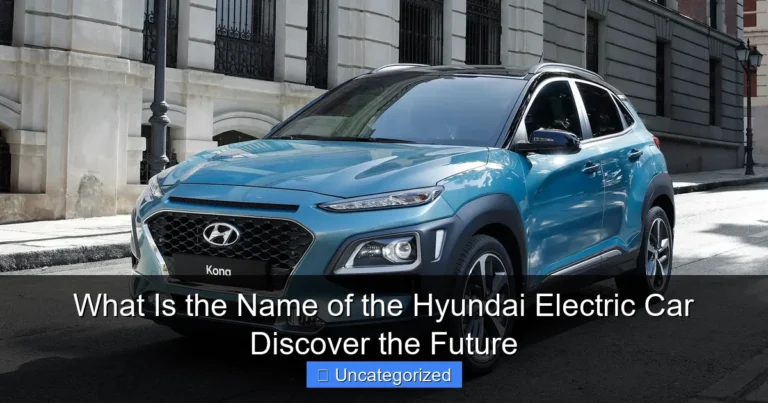
Visual guide about kia hyundai electric cars
Image source: img-s-msn-com.akamaized.net
A key differentiator is their battery technology strategy. Through partnerships with SK Innovation and LG Energy Solution, they’re developing next-generation solid-state batteries expected to debut by 2027. These promise to double current energy density while reducing charging times to under 15 minutes. Hyundai’s acquisition of Boston Dynamics also hints at future innovations in autonomous charging and vehicle-to-grid integration.
Real-World Performance Metrics
Independent tests show Kia and Hyundai EVs consistently outperform competitors in:
- Energy efficiency: Hyundai Ioniq 5 achieves 3.9 mi/kWh vs Tesla Model Y’s 3.7 mi/kWh (EPA)
- Charging speed: 10-80% charge in 18 minutes on 350kW chargers (vs 25+ minutes for most rivals)
- Warranty coverage: 10-year/100,000-mile battery warranty (industry-leading)
For example, the Kia EV6 GT’s 3.5-second 0-60 mph time rivals the Porsche Taycan, yet it costs nearly $30,000 less. This performance-to-price ratio is disrupting traditional luxury EV markets. Practical tip: Use Hyundai/Kia’s Digital Key 2.0 to share charging access with family members through your smartphone.
Top Models Compared: Finding Your Perfect Fit
Urban Commuter: Kia Niro EV
The Niro EV (253-mile range, $39,000 starting price) excels in city environments with:
- Regenerative braking that recovers 70% of kinetic energy
- Smart Cruise Control with Stop & Go functionality
- Heated steering wheel and ventilated seats standard
Its compact size makes parking easy, while the 10.25″ touchscreen integrates seamlessly with Apple CarPlay and Android Auto. For apartment dwellers, the Niro EV’s V2L (Vehicle-to-Load) feature can power appliances during outages—a game-changer for urban resilience.
Family SUV: Hyundai Ioniq 5
This mid-size crossover (303-mile range, $41,250 starting) redefines family transportation:
- Reclining “Relaxation Seats” with leg extensions
- 800V ultra-fast charging capability (10-80% in 18 min)
- Huge 30″ panoramic display with augmented reality navigation
Unique feature: The sliding center console can move 14 inches, creating a “walk-through” cabin. Parents will love the rear-seat reminder system that detects children or pets left behind. Pro tip: Use the Ioniq 5’s Smart Park Assist to remotely park via smartphone in tight spots.
Performance Flagship: Kia EV6 GT
The EV6 GT (576 hp, 3.5s 0-60 mph) proves electric doesn’t mean boring:
- Electronic Limited-Slip Differential for track handling
- Drift Mode for controlled oversteer
- 20″ alloy wheels with high-performance tires
Its 77.4 kWh battery delivers 206 miles of range even at track speeds. Unlike some performance EVs, it maintains excellent daily drivability with adaptive suspension and noise-cancelling tech. For enthusiasts: The GT’s Active Sound Design lets you choose from futuristic electric tones or simulated engine sounds.
Charging Solutions: Making Range Anxiety Obsolete
Home Charging Made Easy
Kia and Hyundai offer turnkey home charging solutions:
- Hyundai Home: Bundled 240V charger + solar panel installation (from $1,200)
- Kia Charge: Smart charger with load balancing to avoid circuit overloads
- Bi-directional charging: Coming 2024, allowing EVs to power homes during outages
Installation tip: Place your charger where the car naturally parks, considering cord length (25 ft standard). For renters, the Portable Charging Kit (included with purchase) works with standard 120V outlets—though charging takes 2-3x longer.
Public Charging Network
Both brands are expanding access to:
- Electrify America: 3,000+ ultra-fast chargers across North America
- IONITY: 400+ stations in Europe (150kW+ speeds)
- Kia Charge Pass: One card for 30+ networks (saves $100+/year vs individual memberships)
Key innovation: Plug & Charge technology automatically authenticates payment when you connect—no apps or cards needed. For road trips: Use the EV Trip Planner in the car’s navigation to map charging stops with real-time availability data.
Beyond the Car: Sustainable Ecosystem
Green Manufacturing
Kia’s Habico plant in Georgia and Hyundai’s Ulsan factory in Korea are carbon-neutral facilities using:
- 100% renewable energy (solar/wind)
- Water recycling systems (90% reduction in consumption)
- AI-driven quality control (reducing material waste)
Their circular economy initiatives include:
- Battery second-life programs (repurposing for grid storage)
- Recycled materials in 30% of vehicle components
- Take-back programs for end-of-life vehicles
Smart City Integration
Hyundai’s Urban Air Mobility division and Kia’s Robotic EV Charging projects show their broader vision:
- Wireless charging: Pilot programs for parking lots and taxi stands
- Autonomous valet parking: Cars park themselves at charging stations
- Vehicle-to-Grid (V2G): EVs feed power back to the grid during peak demand
Practical example: In Seoul, Hyundai’s E-Pit stations charge 100 cars simultaneously while generating solar power from rooftop panels. This integrated approach could reduce urban emissions by 40% compared to traditional gas stations.
Owning an Electric Kia/Hyundai: Real-World Advice
Cost of Ownership Breakdown
While purchase prices are comparable to gas vehicles, EVs save significantly long-term:
| Expense | Kia EV6 | Hyundai Tucson (Gas) | 5-Year Savings |
|---|---|---|---|
| Fuel/Charging | $1,800 | $6,500 | $4,700 |
| Maintenance | $1,200 | $3,400 | $2,200 |
| Tax Credits | $7,500 (US) | $0 | $7,500 |
| Total | $10,500 | $9,900 | $14,400 |
Note: Based on 12,000 miles/year, $3.50/gallon gas, $0.15/kWh electricity. Actual savings vary by region and driving habits.
Maintenance Tips
Electric vehicles require less maintenance but have unique needs:
- Coolant checks: Battery thermal management needs annual inspection
- Regenerative brake adjustment: Prevents uneven pad wear
- Software updates: Monthly checks for performance improvements
- Tire rotation: Every 7,500 miles (due to instant torque)
Pro tip: Use the Kia Connect or Hyundai Blue Link apps to schedule service appointments and receive maintenance alerts. Most dealerships now offer mobile service vans for at-home battery checks.
Winter Driving Strategies
Cold weather reduces EV range by 20-30%. Combat this with:
- Preconditioning: Heat the cabin while still plugged in (saves 5-8 miles)
- Eco Driving Mode: Limits acceleration and heater output
- Low-rolling resistance tires: Special winter compounds improve traction
- Charging to 80%: Prevents battery degradation in sub-zero temps
Real-world example: In Norway’s -20°C winters, Hyundai Kona EVs maintain 70% of summer range using these techniques—outperforming most competitors.
The Road Ahead: What’s Next for Kia & Hyundai EVs
The future looks electrifying for these Korean innovators. Upcoming models include:
- Kia EV9: 3-row SUV with 300-mile range (late 2023)
- Hyundai Ioniq 7: Luxury van with lounge seating (2024)
- Kia Concept EV5: Compact pickup with solar roof (2025)
More importantly, their battery breakthroughs could change everything. Solid-state batteries promise:
- 500-mile ranges on 10-minute charges
- 1,000+ charge cycles without degradation
- 50% weight reduction vs current lithium-ion
Their software-defined vehicle strategy means future cars will receive over-the-air updates adding new features—imagine your EV learning your driving style and optimizing performance automatically. With partnerships in hydrogen fuel cells (Hyundai NEXO) and autonomous driving (Motional), they’re building a comprehensive clean transportation ecosystem.
From their purpose-built electric platforms to innovative charging solutions, Kia and Hyundai have created a compelling vision for sustainable mobility. Their electric vehicles aren’t just eco-friendly alternatives to gas cars—they’re superior in nearly every measurable way, from performance to ownership costs. The data doesn’t lie: Kia Hyundai electric cars offer more range per dollar, faster charging, and better warranties than most competitors.
What truly sets them apart is their holistic approach. While other automakers focus on individual vehicles, Kia and Hyundai are building an entire ecosystem—from home charging solutions to smart city integration. This systems-level thinking ensures their EVs remain practical, affordable, and desirable as technology evolves. Whether you’re a first-time EV buyer or a seasoned electric driver, their lineup offers something groundbreaking.
The message is clear: The future of eco-friendly driving isn’t just about replacing gas engines with batteries. It’s about rethinking transportation as a service, a lifestyle, and a commitment to our planet. Kia and Hyundai aren’t just participating in this revolution—they’re leading it. With their combination of innovation, affordability, and sustainability, the electric revolution has found its Korean champions. The road ahead is electric, and it’s being paved by Kia and Hyundai.
Frequently Asked Questions
What are the top Kia Hyundai electric cars available today?
Kia and Hyundai offer standout models like the Kia EV6, Hyundai Ioniq 5, and Kia Niro EV, all praised for their long range, fast charging, and futuristic design. These Kia Hyundai electric cars are leading the shift toward sustainable driving with advanced battery technology.
How does the charging speed compare between Kia and Hyundai electric cars?
Both brands support ultra-fast 800V charging; for example, the EV6 and Ioniq 5 can charge from 10% to 80% in just 18 minutes using a 350kW charger. This makes Kia Hyundai electric cars among the quickest to recharge in their class.
What is the average range of Kia Hyundai electric cars?
Most models offer 250–300 miles per charge, with the Kia EV6 Long Range reaching up to 310 miles. Range varies by trim and driving conditions but consistently exceeds industry averages.
Do Kia and Hyundai offer incentives or warranties for their electric cars?
Yes, both brands provide a 10-year/100,000-mile battery warranty, plus access to federal/state EV tax credits (where applicable). Their warranty coverage is among the best in the electric vehicle market.
Are Kia Hyundai electric cars suitable for long-distance travel?
Absolutely—models like the Ioniq 5 and EV6 feature DC fast-charging compatibility and built-in navigation to nearby stations, making road trips seamless. Their spacious interiors and smooth ride enhance long-distance comfort.
How do Kia Hyundai electric cars contribute to eco-friendly driving?
These vehicles produce zero emissions, use recycled interior materials, and feature solar roof options (e.g., Ioniq 5). Their energy-efficient design reduces environmental impact without sacrificing performance.