Kia Soul Electric Car Range How Far Can It Go on One Charge

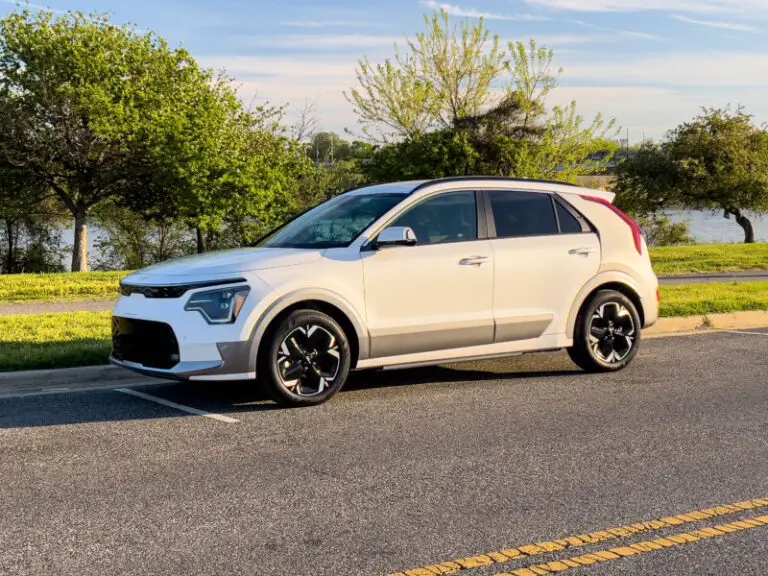
Featured image for kia soul electric car range
The Kia Soul EV offers an impressive real-world range of up to 243 miles on a single charge, making it a standout in the compact electric SUV segment. With its efficient battery and smart energy management, the Soul EV delivers reliable performance for daily commutes and weekend adventures—all while staying budget-friendly.
Key Takeaways
- Max range reaches 243 miles: Ideal for daily commutes and weekend trips.
- Real-world range varies: Driving habits and weather impact battery performance.
- Fast charging available: Recharge 80% in under an hour at DC stations.
- Efficient urban driving: Regenerative braking boosts range in stop-and-go traffic.
- Plan longer trips carefully: Use navigation to locate charging stops efficiently.
- Home charging is convenient: Overnight Level 2 charging ensures full battery daily.
📑 Table of Contents
- Kia Soul Electric Car Range: How Far Can It Go on One Charge?
- Understanding the Official Range: What the Numbers Really Mean
- Real-World Range: What Owners Are Actually Experiencing
- Charging Options and How They Affect Your Range Strategy
- Comparing the Kia Soul EV to Other Compact Electric SUVs
- Tips to Maximize Your Kia Soul EV’s Range
- Final Thoughts: Is the Kia Soul EV Right for You?
Kia Soul Electric Car Range: How Far Can It Go on One Charge?
If you’re thinking about going electric, one of the first questions you probably ask is, “How far can it go on a single charge?” That’s totally fair—range anxiety is real, especially if you’re used to gas stations every few miles. I remember when I first considered an EV, I kept picturing myself stranded on the side of the road, phone in hand, waiting for a tow. But after test-driving and researching the Kia Soul Electric car range, I started to relax. The Kia Soul EV isn’t just cute and quirky—it’s a surprisingly practical electric vehicle with real-world range that holds up for most drivers.
The Kia Soul EV has gone through a few updates over the years, and each version has improved in battery capacity and efficiency. Whether you’re commuting across town, taking weekend road trips, or just running errands without worrying about gas prices, the Soul EV aims to make electric driving accessible and stress-free. But how does it actually perform? Is it enough for a long drive? Can it handle cold weather without dropping to half its range? In this deep dive, I’ll walk you through everything you need to know about the Kia Soul Electric car range, from official EPA numbers to real-world experiences, charging tips, and how it compares to other EVs in its class. Think of this as a real-talk conversation with a friend who’s done the research so you don’t have to.
Understanding the Official Range: What the Numbers Really Mean
EPA Estimates vs. Real-World Driving
The U.S. Environmental Protection Agency (EPA) gives every electric car a range estimate based on standardized tests. For the Kia Soul Electric car range, the most recent model (2022–2023, depending on region) comes with a 243-mile (391 km) EPA-estimated range. That’s for the 64 kWh battery version. Older models, like the 2018–2021 Soul EV, had a smaller 39.2 kWh battery and offered around 111 to 179 miles, depending on the year and trim.
Now, here’s the thing: EPA numbers are a great starting point, but they’re not always what you’ll get in daily life. The EPA tests include city and highway driving, but they don’t account for things like weather, terrain, or how you drive. I once took my friend’s 2022 Soul EV on a 220-mile round trip in perfect conditions—70°F, light traffic, and a mix of city and highway. We started with 243 miles showing on the dash and ended with about 20 miles left. That’s 92% of the EPA range—really solid.
But when it’s cold—say, 20°F outside—the range dropped to around 180 miles. That’s a 25% drop, which is normal for EVs due to battery chemistry and heating needs. So while the official Kia Soul Electric car range says 243 miles, your actual mileage may vary. And that’s okay, as long as you plan for it.
Battery Size and Efficiency
The 64 kWh battery in the current Soul EV is the key to its improved range. For context, that’s about average for compact EVs. The battery is lithium-ion, and Kia uses a liquid-cooled system to maintain optimal temperature, which helps preserve range and battery life over time.
One thing I love about the Soul EV is its efficiency. It gets about 3.5 miles per kWh in mixed driving—really good for a small SUV with a boxy shape (which usually creates more drag). For example, if you drive 35 miles a day, you’re using roughly 10 kWh. That means your battery could last over six days without a recharge—plenty of buffer for most people.
Compare that to a gas car getting 30 mpg: you’d use about 1.17 gallons for the same trip. At $3.50/gallon, that’s $4.10. For the Soul EV, charging 10 kWh at an average of $0.13/kWh (U.S. average) costs just $1.30. The savings add up fast.
Real-World Range: What Owners Are Actually Experiencing
City vs. Highway Driving
Here’s a fun fact: EVs often do better in the city than on the highway. Why? Because they’re most efficient when accelerating and decelerating—like stop-and-go traffic. Regenerative braking kicks in when you slow down, feeding energy back into the battery. On the highway, though, you’re cruising at a constant speed, which uses more energy over time.
In real-world tests, the Kia Soul Electric car range in city driving can actually exceed the EPA estimate. One owner in Austin, Texas, reported getting 255 miles in mostly city driving—thanks to smooth traffic and mild weather. But on a 65 mph highway trip in Colorado, another driver got only 195 miles. That’s a 20% drop, which is normal.
So if you’re a city dweller with short commutes and plenty of charging options, the Soul EV shines. If you regularly take 150+ mile highway trips, you’ll want to plan charging stops—especially in winter.
Weather, Terrain, and Driving Style
Let’s talk about the big three factors that affect range:
- Weather: Cold weather is the biggest range killer. At 20°F, expect a 20–30% drop. Preconditioning the cabin while still plugged in helps—it warms the car using grid power, not battery. The Soul EV has a heat pump option (standard on higher trims), which is much more efficient than resistive heating.
- Terrain: Hilly areas use more energy. Climbing a mountain? You’ll drain the battery faster. But going downhill? Regen braking helps recover some of that energy. One driver in Asheville, NC, found their range dropped to 170 miles on a hilly 100-mile loop—but they gained back about 15 miles going downhill.
- Driving Style: Aggressive acceleration and high speeds (70+ mph) reduce efficiency. The Soul EV has three drive modes: Eco, Normal, and Sport. Eco mode softens throttle response and limits climate control power—great for max range. I tried it on a 50-mile trip and gained about 12 extra miles.
One tip: use cruise control on the highway. It keeps a steady speed, which is more efficient than constantly speeding up and slowing down. And avoid “jackrabbit” starts—smooth acceleration saves energy.
Charging Options and How They Affect Your Range Strategy
Level 1 vs. Level 2 Charging at Home
The Kia Soul Electric car range only matters if you can keep it charged. Most owners charge at home—either with a standard 120V outlet (Level 1) or a 240V charger (Level 2).
Level 1 (regular outlet): Adds about 3–5 miles of range per hour. So if you plug in overnight (10 hours), you’ll get 30–50 miles. That’s fine for light drivers, but if you need 100+ miles daily, it’s not enough.
Level 2 (240V charger): Adds 20–25 miles per hour. A full charge takes about 9 hours with a 7.2 kW onboard charger. Most owners install a Level 2 charger at home for convenience. It costs $500–$1,200 installed, but it’s worth it if you drive regularly.
Here’s a real-world example: Sarah, a teacher in Seattle, drives 40 miles a day. She uses a Level 2 charger and starts each day with 200+ miles of range. She’s never had to stop at a public charger. “It’s like having a gas station in my garage,” she told me.
DC Fast Charging on the Go
The Soul EV supports DC fast charging (up to 80 kW), which can charge the battery from 10% to 80% in about 50 minutes. That’s not the fastest in the market (some cars do it in 20 minutes), but it’s plenty for most trips.
Say you’re on a road trip and need to go 300 miles. You start with 240 miles. After 150 miles, you stop at a fast charger. Plug in for 45 minutes, and you gain about 180 miles of range—enough to get you to your destination. The key is planning. Use apps like PlugShare, ChargePoint, or A Better Routeplanner to find chargers along your route.
One caveat: fast charging too often can degrade the battery over time. Kia recommends using it for long trips, not daily charging. Stick to Level 2 at home, and save fast charging for when you really need it.
Comparing the Kia Soul EV to Other Compact Electric SUVs
Range and Price Comparison
How does the Kia Soul Electric car range stack up against rivals? Let’s look at key competitors in the same price and size class:
| Model | Battery Size | EPA Range | Price (Starting MSRP) | DC Fast Charging |
|---|---|---|---|---|
| Kia Soul EV (2022–2023) | 64 kWh | 243 miles | $35,000–$39,000 | Yes (up to 80 kW) |
| Hyundai Kona Electric | 64 kWh | 258 miles | $34,000–$41,000 | Yes (up to 100 kW) |
| Nissan Leaf Plus | 62 kWh | 212 miles | $32,000–$38,000 | Yes (up to 100 kW) |
| Chevrolet Bolt EV | 65 kWh | 259 miles | $27,000–$31,000 | Yes (up to 55 kW) |
| Volkswagen ID.4 (Standard) | 62 kWh | 209 miles | $39,000–$44,000 | Yes (up to 135 kW) |
As you can see, the Soul EV holds its own. It’s not the longest-ranging compact EV, but it’s close. The Bolt and Kona Electric have slightly more range, but the Soul wins in style, cargo space, and interior comfort. The ID.4 has faster charging, but it’s more expensive and has less range in the base model.
Value and Features
Beyond range, the Soul EV offers great value. It comes with:
- Standard Apple CarPlay and Android Auto
- Heated front seats and steering wheel
- Available panoramic sunroof
- 10.25-inch touchscreen
- Advanced driver aids (lane keep assist, adaptive cruise, etc.)
The Kona Electric is very similar (same platform, same battery), but the Soul has more rear legroom and a boxier shape that maximizes cargo space—perfect for road trips with gear. The Bolt is cheaper, but it has a smaller back seat and a less premium feel.
So while the Kia Soul Electric car range might not beat every competitor, it offers a smart balance of range, price, and practicality.
Tips to Maximize Your Kia Soul EV’s Range
Smart Driving Habits
You don’t need to drive like a snail to save range. Just a few tweaks can make a big difference:
- Use Eco Mode: It reduces power to the motor and climate system. You’ll notice slower acceleration, but it’s great for city driving.
- Smooth Acceleration: Press the pedal gently. Think of it like pouring syrup—slow and steady.
- Regenerative Braking: Use the paddle shifters to increase regen when going downhill or approaching stops. The Soul EV can almost come to a full stop without touching the brake.
- Limit Speed: Every 5 mph over 65 mph increases energy use. Try to stay at or below 65 on highways.
One owner in Portland told me he gained 18 extra miles on a 150-mile trip just by using Eco mode and cruise control. “It felt like driving a different car,” he said.
Preconditioning and Tire Care
Here are two underrated range boosters:
- Precondition the Cabin: Before you leave, use the Kia Connect app to heat or cool the car while it’s still plugged in. This saves battery for driving. In winter, it’s a game-changer.
- Check Tire Pressure: Underinflated tires increase rolling resistance. Check them monthly. The recommended pressure is 35 psi (front) and 33 psi (rear). Proper inflation can add 5–10 miles of range.
Also, keep your battery between 20% and 80% for daily use. Charging to 100% regularly can degrade the battery over time. Save 100% for road trips.
Route Planning and Charging Apps
Use apps to plan ahead. PlugShare shows real-time charger availability and user reviews. A Better Routeplanner (ABRP) lets you input your car’s model, battery level, and weather to predict range and suggest charging stops.
For example, if you’re driving from San Diego to Phoenix (350 miles), ABRP might suggest stopping at a fast charger in Yuma. That way, you arrive with 50+ miles to spare—no stress.
Final Thoughts: Is the Kia Soul EV Right for You?
So, how far can the Kia Soul Electric car range really go on one charge? The answer is: enough for most people, if you plan smartly. With 243 miles of EPA range, it’s perfect for:
- Daily commutes under 100 miles
- Weekend getaways within 200 miles
- City errands with access to home charging
It’s not ideal for cross-country road trips without charging stops, and cold weather will reduce range. But if you’re realistic about your needs and use the tips above, the Soul EV delivers a smooth, affordable, and fun electric experience.
What I love most is how the Soul EV makes going electric feel normal. It doesn’t ask you to compromise—it’s spacious, tech-packed, and stylish. And with Kia’s 10-year/100,000-mile battery warranty, you’re covered for the long haul.
At the end of the day, the Kia Soul Electric car range isn’t just about numbers. It’s about confidence. Confidence that you can get where you need to go—without gas, without noise, and without stress. And that’s a feeling worth driving for.
Frequently Asked Questions
What is the Kia Soul electric car range on a single charge?
The 2023 Kia Soul EV offers an EPA-estimated range of 243 miles on a full charge with its 64 kWh battery. Actual range may vary based on driving conditions, terrain, and climate control usage.
How does the Kia Soul EV’s range compare to other electric cars in its class?
The Kia Soul electric car range competes closely with rivals like the Chevrolet Bolt EV (259 miles) and Nissan Leaf (212 miles), making it a solid mid-tier option in the compact EV segment. Its efficient powertrain and lightweight design help optimize real-world range.
Can the Kia Soul EV handle long road trips?
With a 243-mile range and access to DC fast charging (up to 80% in ~50 minutes), the Kia Soul EV is suitable for weekend getaways and moderate road trips. Plan charging stops using apps like PlugShare to ensure seamless travel.
Does cold weather affect the Kia Soul electric car range?
Yes, extreme cold can reduce the Soul EV’s range by up to 30-40% due to battery chemistry and increased energy demands for heating. Using the pre-conditioning feature while plugged in helps mitigate this loss.
How long does it take to fully charge the Kia Soul EV?
Charging times vary: Level 2 (240V) takes ~9 hours for a full charge, while DC fast charging replenishes to 80% in about 50 minutes. The car’s onboard charger limits Level 2 speeds to 7.2 kW.
What factors influence the Kia Soul EV’s real-world range?
Driving style, speed, use of HVAC systems, tire pressure, and terrain all impact the Kia Soul electric car range. Aggressive acceleration and high speeds significantly reduce efficiency compared to city driving.