Kona Hyundai Electric Car in India A Complete Review
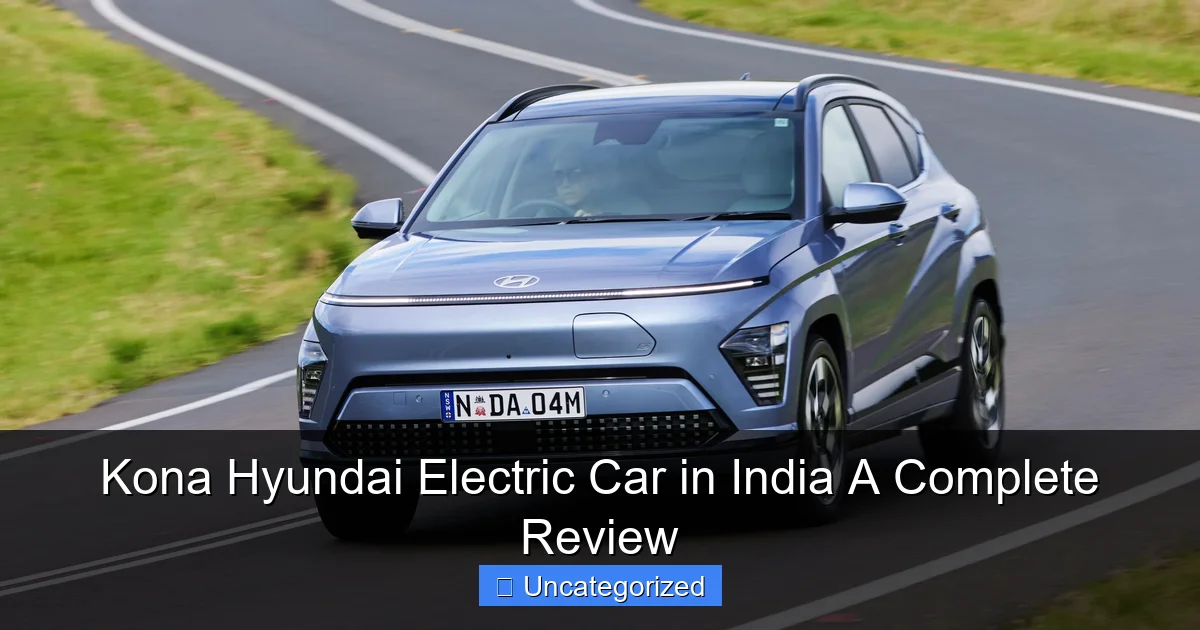
Featured image for kona hyundai electric car in india
Image source: images.carexpert.com.au
The Kona Hyundai Electric Car in India stands out as a premium, eco-friendly SUV with an impressive 452 km ARAI-certified range and fast-charging capability. Packed with advanced tech, safety features, and a refined cabin, it offers a compelling blend of performance and practicality for urban and highway driving. Though priced at a premium, it remains a top contender in India’s growing electric vehicle market.
Key Takeaways
- Impressive range: Offers 452 km per charge, ideal for long drives.
- Fast charging: Charges 80% in 57 minutes with DC fast charger.
- Feature-rich cabin: Boasts premium interiors and advanced infotainment system.
- Strong safety: Equipped with 6 airbags and Hyundai SmartSense ADAS tech.
- Low running cost: Saves up to 70% vs petrol cars in fuel expenses.
- Government incentives: Eligible for FAME II subsidies, reducing on-road price.
📑 Table of Contents
- Introduction to the Kona Hyundai Electric Car in India
- Design and Exterior Features of the Kona Electric
- Interior, Technology, and Comfort
- Performance, Range, and Charging
- Safety, Warranty, and Ownership Experience
- Comparison with Competitors and Market Position
- Conclusion: Is the Kona Hyundai Electric Car Worth It?
Introduction to the Kona Hyundai Electric Car in India
The electric vehicle (EV) revolution is no longer a distant dream—it’s a reality unfolding on Indian roads, and Hyundai Kona Electric stands at the forefront of this transformation. As India pushes toward sustainable mobility with initiatives like FAME II and rising fuel prices, the demand for efficient, eco-friendly cars has skyrocketed. Enter the Kona Hyundai electric car in India, a bold entry by Hyundai Motor India into the premium EV segment. Launched in 2019, the Kona Electric was the first long-range electric SUV to be introduced in the country, setting benchmarks for range, technology, and safety. It wasn’t just a car—it was a statement: Hyundai is ready to lead the EV charge in one of the world’s fastest-growing automotive markets.
With a sleek design, a claimed range of over 450 km on a single charge, and a suite of smart features, the Kona Electric quickly became a talking point among urban commuters, tech-savvy buyers, and environmentally conscious families. Unlike earlier EV models that were limited to city driving, the Kona offered the flexibility of intercity travel—a game-changer for Indian consumers. Whether you’re navigating the congested lanes of Mumbai or planning a weekend getaway to Lonavala, the Kona promises a seamless, emission-free experience. But how does it perform in the real world? What are the charging options, ownership costs, and long-term viability? This comprehensive review dives deep into every aspect of the Kona Hyundai electric car in India, offering insights for potential buyers, EV enthusiasts, and anyone curious about the future of mobility.
Design and Exterior Features of the Kona Electric
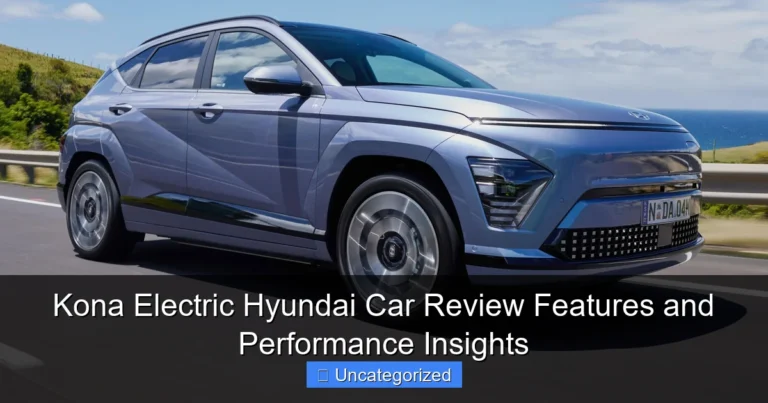
The Kona Hyundai electric car in India is a visual departure from traditional SUVs, embracing a futuristic design language that blends aerodynamic efficiency with bold styling cues. Unlike its petrol-powered sibling, the Kona Electric features a sealed front grille—a hallmark of EVs—which reduces drag and enhances energy efficiency. The absence of a conventional engine allows for a cleaner, more minimalist front fascia, accentuated by sharp LED headlights and a distinctive daytime running light (DRL) signature that stretches across the hood.
Exterior Styling and Aerodynamics
Hyundai has paid meticulous attention to aerodynamics. The Kona Electric’s drag coefficient of just 0.29 makes it one of the most aerodynamically efficient SUVs in its class. Key design elements include:
- Active Air Flaps: These automatically open and close to regulate airflow, cooling the battery and motor as needed while minimizing resistance during high-speed cruising.
- Aero-Optimized 17-inch Alloy Wheels: The wheels are designed to reduce turbulence and improve efficiency, contributing to the car’s extended range.
- Rear Spoiler and Underbody Covers: These enhance airflow under the chassis, reducing lift and improving stability at highway speeds.
The side profile is muscular, with pronounced wheel arches and a rising beltline that gives the Kona a sporty, dynamic stance. At the rear, the full-width LED tail light bar and minimalist bumper design reinforce its modern, tech-forward identity.
Color Options and Customization
Hyundai offers the Kona Electric in a range of vibrant colors to appeal to Indian tastes, including:
- Phantom Black
- Typhoon Silver
- Chalk White
- Dark Knight (matte finish)
- Electric Blue (exclusive to the EV variant)
For buyers seeking personalization, Hyundai also provides optional roof decals and ambient lighting themes. One practical tip: opt for lighter colors like Chalk White or Typhoon Silver to reduce cabin heat absorption in India’s scorching summers—this can lower AC load and extend battery range.
Build Quality and Dimensions
Built on Hyundai’s K3 platform, the Kona Electric boasts a rigid chassis with high-strength steel reinforcements. Its dimensions are:
- Length: 4,180 mm
- Width: 1,800 mm
- Height: 1,570 mm
- Wheelbase: 2,600 mm
The compact size makes it ideal for city driving, while the 17-inch wheels ensure a comfortable ride over Indian roads. Ground clearance of 170 mm is adequate for speed breakers and occasional off-road trails. However, the low-slung front bumper may scrape on steep inclines—drivers should use caution in rural or poorly maintained areas.
Interior, Technology, and Comfort
Step inside the Kona Hyundai electric car in India, and you’re greeted by a cabin that feels more like a premium sedan than a compact SUV. The interior design prioritizes driver-centric ergonomics, with a floating center console, soft-touch materials, and a minimalist layout. Unlike many EVs that overdo digital screens, Hyundai strikes a balance between analog and digital, ensuring usability without overwhelming the driver.
Dashboard and Infotainment
The centerpiece of the cabin is the 10.25-inch touchscreen infotainment system, which supports:
- Apple CarPlay and Android Auto (wired)
- Bluetooth 5.0 with voice command
- Navigation with real-time traffic updates
- OTA (Over-the-Air) software updates for maps and features
The interface is intuitive, with large icons and haptic feedback. However, the lack of wireless connectivity is a minor drawback—especially for users who frequently switch between devices. A pro tip: pair your phone via Bluetooth before driving to avoid distractions.
Digital Instrument Cluster
The fully digital 7-inch TFT instrument cluster displays:
- Speed, battery charge level, and range
- Energy consumption (kWh/100 km)
- Regenerative braking status
- Navigation turn-by-turn directions
Drivers can customize layouts via steering-mounted controls. For instance, switching to “Eco Mode” highlights energy efficiency metrics, encouraging eco-driving habits.
Comfort and Space
The Kona Electric seats five, with ample legroom for front passengers. Rear seat space is decent, though taller adults may find headroom tight due to the sloping roofline. Key comfort features include:
- Heated and ventilated front seats (available in top trims)
- Dual-zone automatic climate control with air purification
- Sunroof with anti-pinch function
- 60:40 split-folding rear seats for added cargo flexibility
The cabin noise insulation is impressive—even at 100 km/h, road and wind noise are minimal. However, the rear suspension can feel stiff on potholed roads, a trade-off for the SUV’s sporty handling.
Smart Features and Connectivity
Hyundai’s Blue Link connected car suite is a standout, offering:
- Remote start/stop and climate control via smartphone app
- Charging station locator
- Geofencing and vehicle tracking
- Emergency SOS and roadside assistance
For example, using the Blue Link app, you can pre-cool the cabin during summer mornings or check battery status before leaving home—a lifesaver in India’s heat.
Performance, Range, and Charging
The Kona Hyundai electric car in India is powered by a 150 kW (201 bhp) permanent magnet synchronous motor, delivering instant torque and a 0–100 km/h time of 7.6 seconds. Unlike internal combustion engines, EVs like the Kona offer linear acceleration with zero lag—perfect for quick overtakes or merging onto highways.
Driving Modes and Regenerative Braking
Hyundai offers three drive modes:
- Eco: Limits power output and maximizes range (ideal for city driving)
- Normal: Balanced performance and efficiency
- Sport: Sharpens throttle response and steering weight for a spirited drive
Regenerative braking is adjustable via paddle shifters, with four levels (0 to 3). At Level 3, the car can decelerate significantly without using the brake pedal—a feature known as “one-pedal driving.” This not only extends range but also reduces brake wear. For example, in Bengaluru’s stop-and-go traffic, Level 2 regen can recover up to 15% of energy per day.
Range and Real-World Performance
The Kona Electric is equipped with a 39.2 kWh lithium-ion battery pack, offering an ARAI-certified range of 452 km. In real-world conditions, expect:
- 300–350 km in mixed city/highway driving (with AC on)
- 250–300 km with heavy AC use or hilly terrain
- 400+ km on highways at 80–90 km/h (ideal for intercity trips)
Tip: Use the “Eco+” mode and pre-condition the cabin while charging to maximize range. Avoid rapid acceleration—smooth driving can boost range by 10–15%.
Charging Options and Infrastructure
Hyundai provides a 7.2 kW AC home charger with the car, which takes 6–7 hours for a full charge. For faster charging, the Kona supports:
- DC Fast Charging (50 kW): 80% charge in 57 minutes
- DC Ultra-Fast Charging (100 kW): 80% charge in 30 minutes (available at select Hyundai dealerships and third-party stations)
India’s charging network is growing. As of 2024, over 12,000 public chargers are operational, with major players like Tata Power, Ather, and Charge+ operating networks. Hyundai has also installed fast chargers at 150+ dealerships across 50 cities. For long trips, plan routes using apps like PlugShare or Statiq to locate chargers. For instance, the Mumbai–Pune route now has 8 fast-charging stations, making the Kona viable for weekend getaways.
Safety, Warranty, and Ownership Experience
Hyundai has prioritized safety in the Kona Electric, earning a 5-star Euro NCAP rating (adapted to Indian conditions). The car features a robust safety suite, making it one of the safest EVs in its segment.
Safety Features
Key safety technologies include:
- 6 Airbags (front, side, and curtain)
- Electronic Stability Control (ESC) with Traction Control
- Hill-Start Assist and Downhill Brake Control
- Blind-Spot Detection and Rear Cross-Traffic Alert
- Tyre Pressure Monitoring System (TPMS)
- ISOFIX Child Seat Anchors
The battery pack is housed in a reinforced steel tray with IP67 waterproofing, protecting it from water ingress during monsoons. Hyundai also conducts rigorous battery thermal management tests, ensuring stability in India’s extreme temperatures.
Warranty and Service
Hyundai offers an industry-leading warranty package:
- 5-year/1,40,000 km vehicle warranty
- 8-year/1,60,000 km battery warranty (covers capacity loss below 70%)
- Free roadside assistance for 5 years
Service intervals are every 10,000 km or 1 year, whichever is earlier. Unlike petrol cars, EVs have fewer moving parts—no oil changes, spark plugs, or exhaust systems—reducing service costs by up to 40%. Hyundai’s “EV Care” program includes free battery health checks and software updates.
Ownership Costs and Incentives
The total cost of ownership (TCO) is a major advantage. Here’s a breakdown:
- Electricity Cost: ₹1.5–2 per km (vs. ₹7–9 for petrol SUVs)
- Maintenance: ₹3,000–5,000 annually (vs. ₹10,000+ for ICE vehicles)
- Road Tax Exemption: Most states offer 100% tax waiver for EVs
- FAME II Subsidy: Up to ₹1.5 lakh (varies by state)
For example, in Delhi, a Kona Electric owner saves ₹2.5 lakh over 5 years compared to a diesel SUV. Additionally, some states offer free parking and toll exemptions for EVs.
Comparison with Competitors and Market Position
The Kona Hyundai electric car in India competes with the Tata Nexon EV, MG ZS EV, and upcoming models like the Mahindra XUV400. Here’s how it stacks up:
Feature Comparison Table
| Feature | Hyundai Kona Electric | Tata Nexon EV | MG ZS EV |
|---|---|---|---|
| Price (₹ lakh) | 23.84–24.03 | 14.99–17.50 | 22.88–25.88 |
| Range (ARAI) | 452 km | 312–437 km | 461 km |
| Charging (DC 50 kW) | 57 min (80%) | 60 min (80%) | 50 min (80%) |
| Warranty (Battery) | 8 years/1,60,000 km | 8 years/1,60,000 km | 8 years/1,50,000 km |
| Infotainment | 10.25″ touchscreen + Blue Link | 10.25″ + ZConnect | 10.1″ + iSMART |
| Safety Rating | 5-star (Euro NCAP) | 5-star (Global NCAP) | 5-star (Euro NCAP) |
Strengths and Weaknesses
The Kona’s pros include:
- Longest range in its price bracket
- Superior build quality and interior materials
- Best-in-class warranty and service network
- Advanced safety and connected features
However, it faces challenges:
- Higher price than Tata Nexon EV
- No wireless Apple CarPlay/Android Auto
- Limited fast-charging network in Tier-2/3 cities
For buyers prioritizing range and premium features, the Kona is unmatched. But budget-conscious buyers may prefer the Nexon EV, which offers 90% of the functionality at 60% of the price.
Conclusion: Is the Kona Hyundai Electric Car Worth It?
The Kona Hyundai electric car in India is more than just a vehicle—it’s a vision of the future, tailored for Indian conditions. With its impressive range, cutting-edge technology, and robust safety, it sets a high benchmark for premium EVs. While the initial price tag is steeper than some rivals, the long-term savings on fuel, maintenance, and incentives make it a financially sound choice. For urban professionals, tech enthusiasts, and eco-conscious families, the Kona delivers a compelling blend of performance, comfort, and sustainability.
That said, the Kona isn’t perfect. The charging infrastructure, though improving, still lags in smaller cities. The lack of wireless connectivity feels outdated in a ₹24 lakh car. And with newer models like the Hyundai Ioniq 5 and Tata Curvv EV on the horizon, the Kona’s position as a “flagship” may evolve. But for now, it remains a pioneer—a car that proved long-range EVs can thrive in India’s diverse and demanding environment.
If you’re considering an EV, test-drive the Kona. Experience the silent acceleration, the intuitive infotainment, and the peace of mind that comes with Hyundai’s warranty. Whether you’re driving to the office or escaping to the hills, the Kona Electric is ready to take you there—cleaner, smarter, and farther than ever before. The future of mobility is here, and it’s electric.
Frequently Asked Questions
What is the price of the Kona Hyundai electric car in India?
The Hyundai Kona Electric is priced between ₹23.84 lakh and ₹24.03 lakh (ex-showroom, India), making it one of the more premium electric SUVs in the market. This pricing reflects its advanced battery technology and imported components.
What is the range of the Hyundai Kona electric car in Indian conditions?
The Kona Electric offers an ARAI-certified range of 452 km on a single charge, though real-world driving in Indian traffic typically delivers 300–350 km. Factors like AC usage, terrain, and driving style significantly impact the actual range.
How long does it take to charge the Kona Hyundai electric car in India?
With a 50kW DC fast charger, the Kona charges from 0% to 80% in about 57 minutes. Using a standard 7.2kW AC charger takes around 6–7 hours for a full charge, ideal for overnight home charging.
Is the Hyundai Kona Electric eligible for government subsidies in India?
Yes, the Kona qualifies for the FAME-II subsidy, reducing its effective cost. Buyers can also benefit from state-level incentives like road tax exemptions, depending on their location, further improving affordability.
What are the key features of the Kona Hyundai electric car in India?
The Kona includes features like a 10.25-inch touchscreen, sunroof, ventilated seats, and Level-2 ADAS safety suite. It also supports smartphone connectivity and offers a premium cabin experience compared to rivals.
How does the Hyundai Kona Electric compare to other EVs in India?
The Kona stands out with its longer range, fast-charging capability, and Hyundai’s service network. However, it faces competition from the MG ZS EV and Tata Nexon EV Max in terms of space and value-for-money pricing.