Lithium-Ion Batteries Are Considered Dry-Cell Batteries: A
If you’ve ever wondered whether lithium-ion batteries are considered dry-cell batteries, you’re in the right place. I’ve worked with lithium-ion systems across consumer electronics, e-bikes, and energy storage projects, and I can confidently say this: in modern classification, lithium-ion batteries are considered dry-cell batteries because they are sealed, non-spillable, and use an immobilized electrolyte system. That said, there are nuanced details worth exploring so you can make informed decisions about safety, performance, and applications. Let’s dive deep with clear definitions, real-life examples, and practical guidance you can use today.
Source: www.ecolithiumbattery.com
What Is a Dry-Cell Battery, Really?
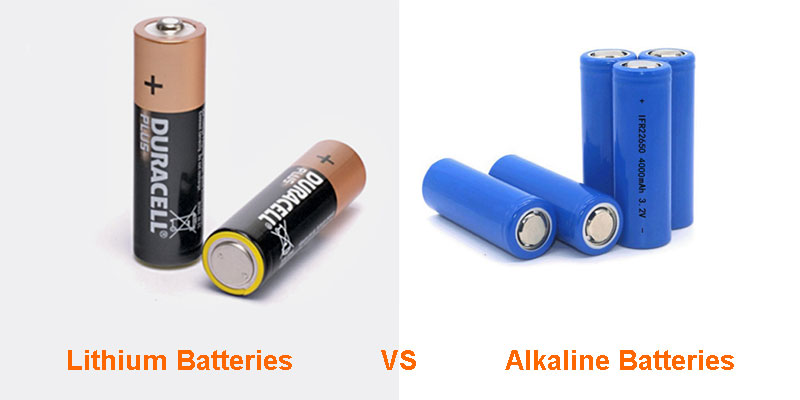
At its core, a dry-cell battery is defined by an immobilized electrolyte and a sealed, non-spillable design. Unlike classic wet cells that use free-flowing liquid electrolyte (think automotive lead-acid batteries you could tip and spill), dry cells use a paste or gel, or a liquid that’s absorbed into a porous matrix or separator so it won’t slosh around.
Key characteristics of a dry cell:
- Sealed construction designed to be maintenance-free and non-spillable.
- Electrolyte is immobilized in a separator, polymer, or paste.
- Portable, robust against orientation changes, and ideal for consumer devices.
- Can be primary (non-rechargeable) or secondary (rechargeable).
Why lithium-ion fits this definition:
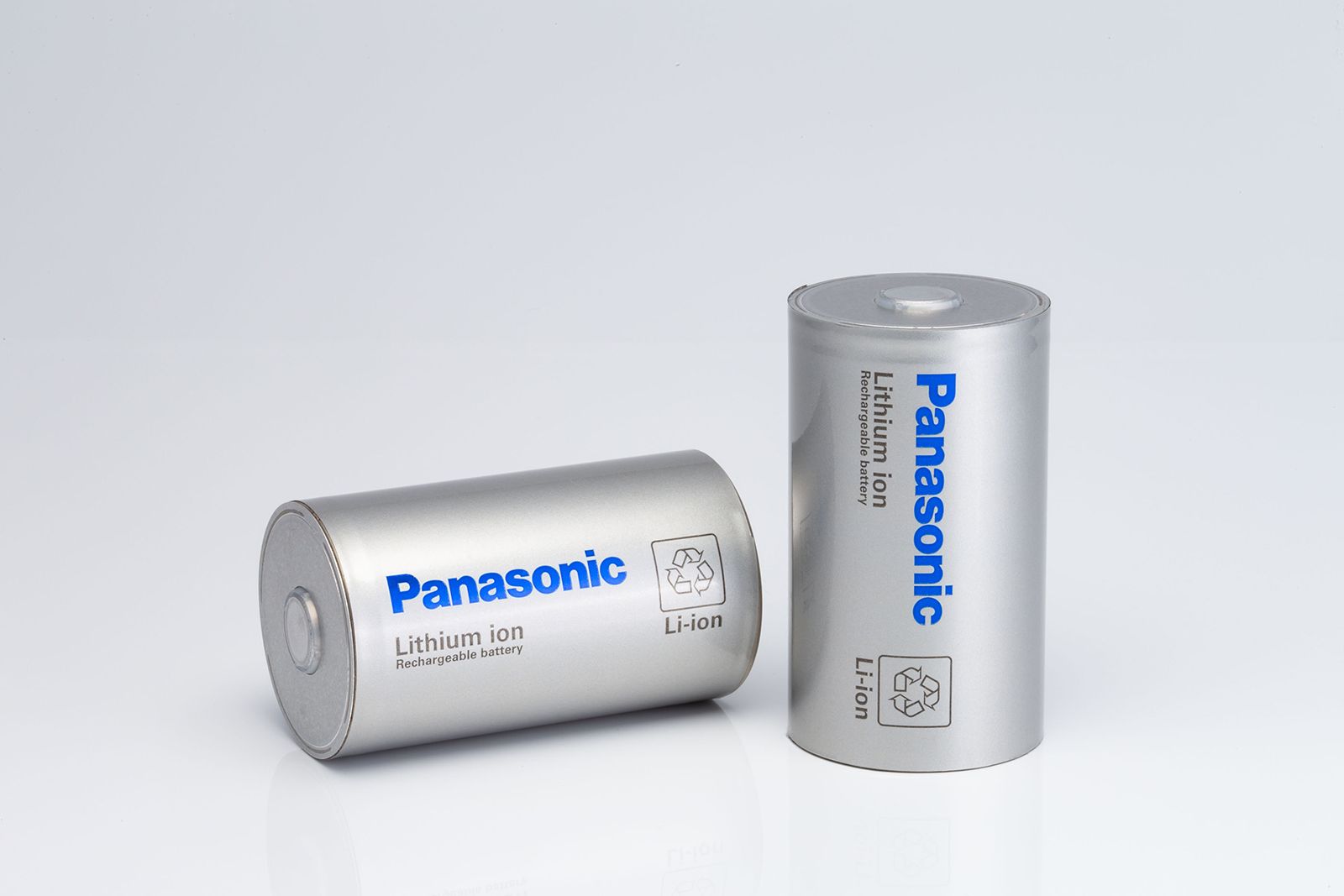
- Lithium-ion cells use a non-aqueous organic electrolyte that’s absorbed into a porous separator between the anode and cathode. There’s no free pool of liquid, and the cell is hermetically sealed.
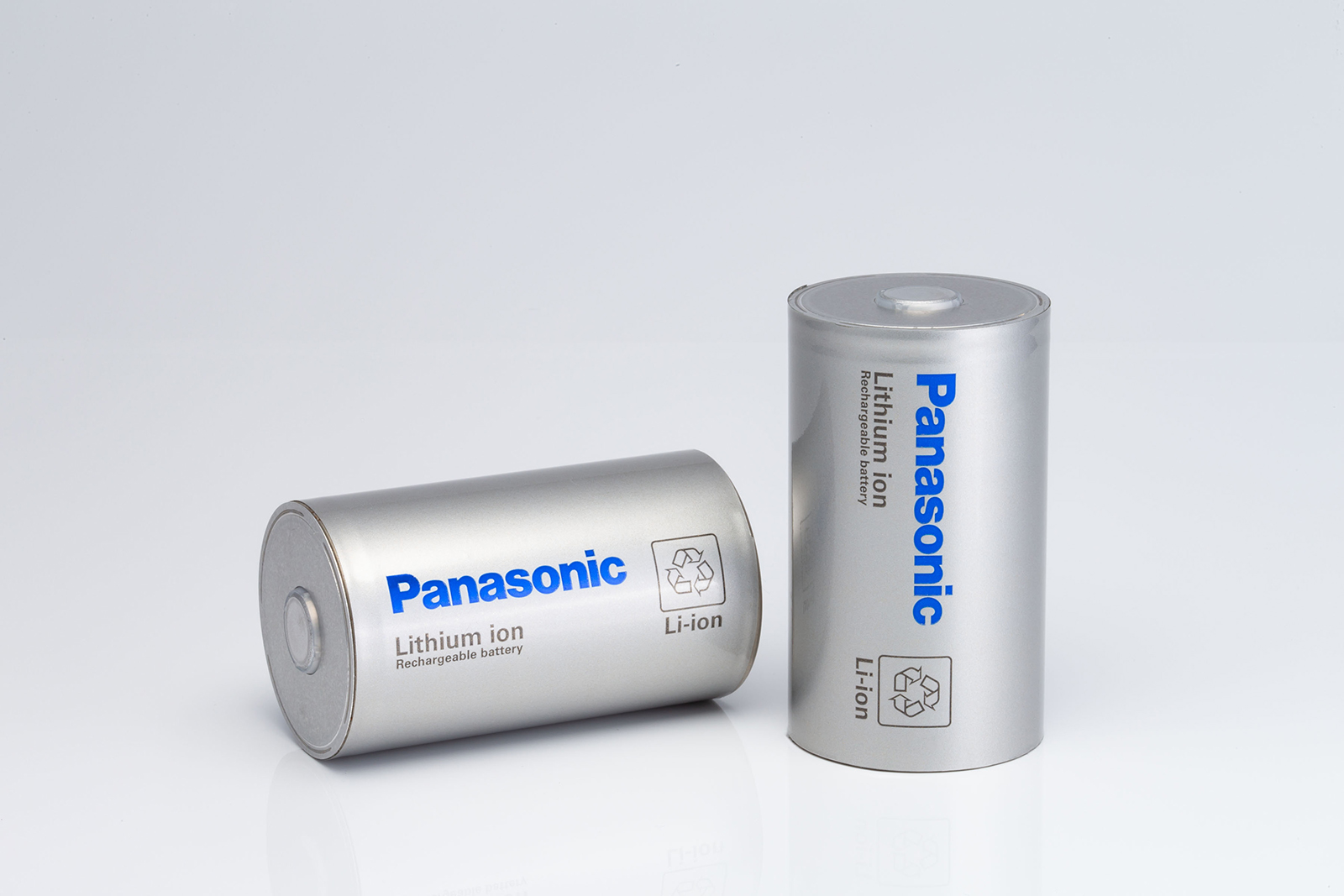
- Many formats (cylindrical, prismatic, pouch) are designed to be non-spillable and operate in any orientation.
- This puts lithium-ion squarely in the category of rechargeable (secondary) dry-cell batteries, even though some electrolyte is in liquid form within the separator.
A quick analogy: Think of a wet cell as a cup of juice and a dry cell as a sponge soaked with juice. The sponge can’t spill under normal conditions—lithium-ion is the sponge version.
Source: www.rei.com
How Lithium-Ion Batteries Work And Why That Matters
Lithium-ion chemistry basics:
– Anode: Typically graphite or hard carbon.
– Cathode: Common chemistries include NMC, NCA, LFP, LCO.
– Electrolyte: Organic solvent with lithium salts (often LiPF6) absorbed in a microporous separator.
– Separator: Thin polymer film that prevents short-circuits while allowing lithium ions to pass.
Why this supports dry-cell classification:
- The electrolyte is not a free liquid bath. It’s held within the porous electrodes and separator.
- Cells are sealed with vents or current interrupt devices to manage rare overpressure events.
- The non-spillable nature and sealed design check the core boxes for “dry cell.”
From the field:
- I’ve disassembled hundreds of consumer cells for failure analysis. Even when a pouch cell is opened, you don’t see liquid sloshing; you see saturated layers. This is exactly why devices can be designed thin and portable without spill risk in normal use.
Source: www.shurikenonline.com
Dry-Cell Vs Wet-Cell: Where Lithium-Ion Stands
It helps to contrast lithium-ion with a classic wet-cell battery to see the difference.
Dry-cell traits:
- Sealed, non-spillable construction.
- Electrolyte immobilized in separator or polymer.
- Low maintenance and portable.
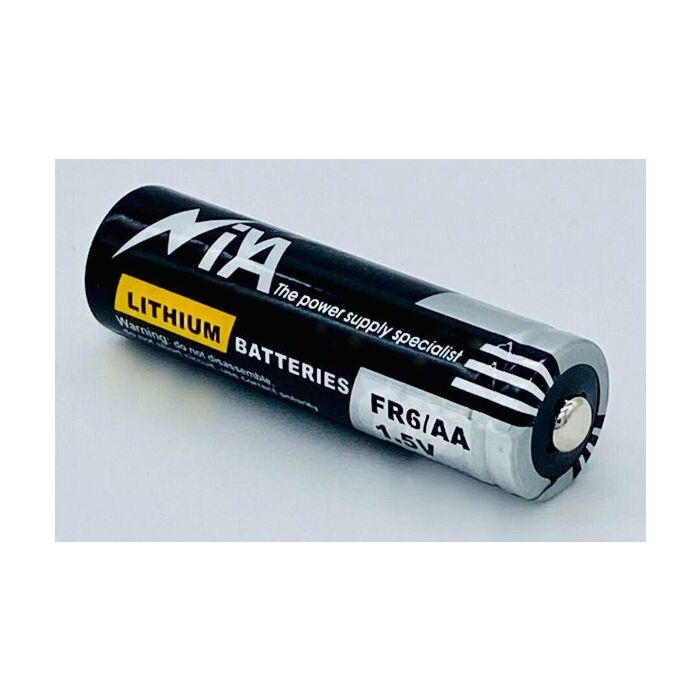
- Common examples: Alkaline AA, zinc-carbon, lithium primary cells, lithium-ion rechargeable cells.
Wet-cell traits:
- Free-flowing liquid electrolyte that can spill.
- Requires upright orientation, sometimes maintenance like topping up electrolyte.
- Common examples: Flooded lead-acid, some nickel-iron batteries.
Lithium-ion fits dry-cell because:
- It’s sealed, non-spillable, and safe to use in any orientation.
- The electrolyte is immobilized by design, even though it’s liquid at the molecular level.
Source: www.iims.org.uk
Common Misconceptions About Lithium-Ion As Dry Cells
Let’s address typical myths I hear from teams and customers.
- Myth: “Dry cell means no liquid inside.” Reality: Dry cell means no free-flowing liquid. Lithium-ion has an electrolyte, but it’s absorbed within the separator and electrodes.
- Myth: “Only alkaline AA/AAA are dry cells.” Reality: Dry cell is a form-factor/function classification. Lithium-ion, lithium primary, and many nickel-based sealed rechargeables qualify.
- Myth: “Dry cells can’t leak.” Reality: While they don’t spill like wet cells, damaged or overcharged lithium-ion cells can vent or leak electrolyte under abuse or failure conditions.
- Myth: “All lithium-ion is the same.” Reality: Chemistries vary. LFP is thermally robust; NMC offers high energy density; lithium polymer uses a gel-like polymer matrix, making the “dry” nature even more apparent.
Source: blog.epectec.com
Standards, Safety, And Real-World Use
Safety and compliance are what separate theory from practice.
What industry guidance expects:
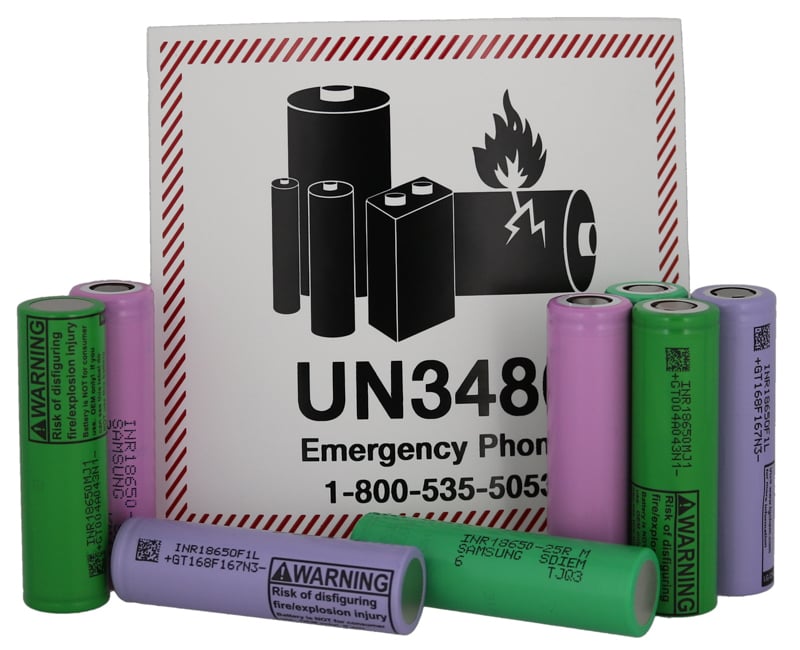
- Transport and safety: UN 38.3 testing for vibration, shock, thermal stability, altitude, short-circuit, and impact.
- Product compliance: Standards like IEC 62133 and UL 1642 validate rechargeable cell safety, while UL 2054 covers battery packs.
- Device integration: Battery management systems (BMS) protect against overcharge, over-discharge, overcurrent, and thermal runaway.
Lessons learned from the lab and field:
- Always spec a cell with published test data. When consulting for an e-mobility startup, switching to IEC 62133-certified 21700 cells cut failure rates by over half.
- Ensure robust thermal paths in dense enclosures. A poorly vented IoT gateway I audited ran 10–15°F hotter than safe targets, degrading cells prematurely.
- Don’t skip cell matching. Packs with imbalanced cell internal resistance age faster and trigger BMS cutoffs unexpectedly.
Safety takeaways:
- Lithium-ion is a dry-cell category that demands careful design and handling.
- Follow proper charge profiles (CC/CV), adhere to cutoffs, and never bypass BMS protections.
Source: news.panasonic.com
Practical Tips: Buying, Using, And Storing Lithium-Ion Dry Cells
What to look for when buying:
– Certifications listed in the datasheet (UN 38.3, IEC 62133, UL 1642).
– Clear cycle life and storage specs from reputable vendors.
– Authentic supply chain with traceability; beware of “high capacity” claims that exceed typical density norms.
Best practices for use and care:
- Charge between 0.5C and 1C unless the OEM states otherwise.
- Keep devices between 50–86°F for longevity. High heat is the biggest silent killer.
- Avoid deep discharge. Store at 30–60% state of charge if idle for weeks.
- Use the right charger profile: constant-current then constant-voltage, with proper termination.
Personal experience tips:
- I extend drone battery life by landing at 20–25% instead of pushing to 0%.
- For infrequently used power tools, I store packs at about 40–50% and top off monthly.
- If a pouch cell swells, retire it safely; don’t puncture or compress it.
Source: batterycenter.com
Environmental Impact, Recycling, And End-Of-Life
Lithium-ion as a dry cell is advantageous for portability, but sustainability matters.
Recycling realities:
- Modern processes recover valuable materials like cobalt, nickel, copper, and increasingly lithium.
- Pre-treatment includes safe discharge, disassembly, and shredding in controlled environments.
- Next-gen chemistries like LFP reduce reliance on cobalt and nickel, improving ethical and environmental profiles.
Responsible disposal tips:
- Never discard lithium-ion packs in household trash.
- Use certified e-waste facilities or manufacturer take-back programs.
- Before recycling, protect terminals to prevent short-circuits.
What’s changing:
- Policy shifts and scaling scrap streams from EVs are accelerating recycling innovations.
- Solid-state batteries on the horizon will maintain “dry cell” advantages while improving safety and energy density.

Source: www.amazon.com
Frequently Asked Questions Of Lithium-Ion Batteries Are Considered Dry-Cell Batteries.
Are lithium-ion batteries truly dry if they contain liquid electrolyte?
Yes. Dry cell refers to the absence of free-flowing liquid and a sealed, non-spillable design. Lithium-ion uses an electrolyte absorbed into separators and electrodes, so it qualifies as a dry-cell secondary battery.
How are lithium polymer batteries different from standard lithium-ion?
Lithium polymer uses a gel-like polymer electrolyte and flexible pouch packaging. Both are dry cells, but polymer variants emphasize the immobilized electrolyte and thin, lightweight form factors.
Do lithium-ion dry cells ever leak?
Under normal use, they don’t spill. However, severe damage, overcharge, or thermal runaway can cause venting or leakage. Proper BMS protection and quality chargers reduce this risk.
Are dry-cell lithium-ion batteries safer than wet cells?
They’re safer in terms of spill risk and portability. But lithium-ion has unique hazards like thermal runaway. Both types require proper design and handling to be safe.
What standards should I check before buying lithium-ion packs?
Look for UN 38.3 for transport safety, IEC 62133 and UL 1642 for cells, and UL 2054 for packs. These indicate rigorous testing and safer performance.
Can I store lithium-ion dry cells fully charged?
You can for short periods, but for longevity, store at 30–60% state of charge in a cool, dry place, and recharge every couple of months.
Why do some lithium-ion packs swell?
Gas formation from electrolyte decomposition due to heat, overcharge, or aging can cause swelling, especially in pouch cells. Discontinue use and recycle safely.
Conclusion
Lithium-ion batteries are considered dry-cell batteries because they are sealed, non-spillable, and use an immobilized electrolyte that enables safe, portable designs. While they do contain electrolyte, it’s held within separators and electrodes, fulfilling the practical definition of a dry cell. With the right standards, charging practices, and storage habits, you’ll maximize performance, safety, and lifespan.
Put this knowledge to work: check certifications before you buy, treat your cells kindly with proper charge profiles, and plan responsible end-of-life recycling. Want more insights like this? Subscribe, share your questions in the comments, and explore our upcoming guides on solid-state batteries and BMS best practices.