Lithium-Ion Batteries Are Considered Wet-Cell Batteries: FAQ
I’ve spent years evaluating battery chemistries for EV packs, drones, and off-grid storage—and one question keeps popping up: are lithium-ion batteries considered wet-cell batteries? Short answer: not in the traditional sense. While most lithium-ion cells do contain a liquid electrolyte, they are sealed, non-aqueous systems and are not categorized as “wet-cell” like flooded lead-acid batteries. In this guide, I’ll break down the terminology, explain where lithium-ion truly fits, and share hands-on insights so you can make confident, informed decisions about your batteries.
Source: www.fedex.com
Wet-Cell, Dry-Cell, And Everything In Between
To make sense of the debate, it helps to define the terms clearly.
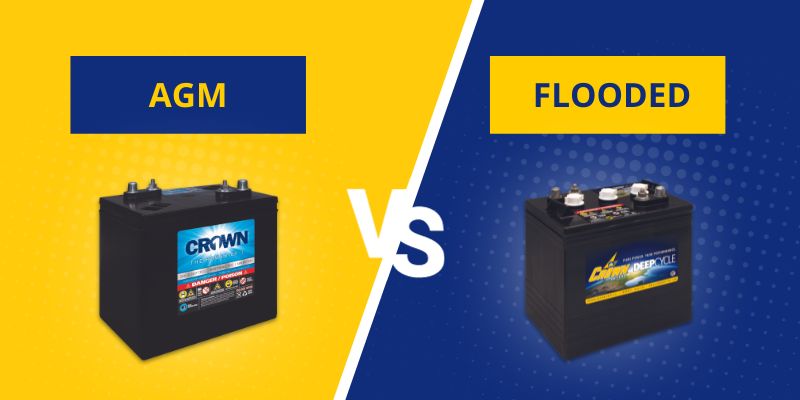
- Wet-cell battery: Traditionally means a flooded cell with free, liquid electrolyte that can spill. Classic example: flooded lead-acid car batteries with removable caps.
- Dry-cell battery: Uses an immobilized electrolyte in a paste or solid form, typically consumer cells like alkaline AA batteries.
- Gel/AGM (absorbed glass mat): Valve-regulated lead-acid (VRLA) batteries where the electrolyte is gelled or absorbed into a fiberglass mat. They’re sealed and spill-resistant.
- Non-aqueous lithium-ion: Uses an organic solvent-based liquid electrolyte soaked into a separator inside a sealed can or pouch. It’s a liquid, but not “flooded,” and not water-based.
- Solid-state lithium: Uses solid electrolytes; an emerging category that removes flammable liquid solvents.
Key takeaway: “Wet-cell” in industry usually means a flooded, serviceable design. Lithium-ion does have a liquid electrolyte, but it’s sealed and non-aqueous, so it’s typically not labeled a wet-cell battery in the classic sense.
Source: www.tcm.eu
Where Lithium-Ion Actually Fits
Lithium-ion batteries span several form factors and chemistries, but they share key traits:
- Electrolyte: Organic solvent with lithium salts (non-aqueous), absorbed in a separator.
- Form factors: Cylindrical (18650, 21700), prismatic, and pouch cells.
- Cathode chemistries: NMC, NCA, LFP, LCO, among others—each with different energy density, cycle life, and safety profiles.
- Sealed design: Cells are closed systems with pressure-relief mechanisms; no topping off or vent caps like flooded lead-acid.
So are lithium-ion batteries wet or dry? From a chemistry perspective, they are liquid-electrolyte cells. From a classification and handling standpoint, they are sealed, maintenance-free batteries and not “wet-cell” in the traditional flooded sense. Industry standards and safety codes treat them differently from flooded batteries.
Source: www.crownbattery.com
Why The Confusion Exists
I’ve seen datasheets and retail listings call lithium-ion “wet cells” because the electrolyte is liquid. That’s technically true at a high level, but it’s misleading for users.
- Terminology mismatch: Consumer language equates “wet-cell” with messy, spillable batteries. Lithium-ion cells are sealed and spill-resistant.
- Cross-category assumptions: People generalize from lead-acid categories (flooded vs AGM vs gel) and try to apply them to lithium-ion, but they’re different ecosystems.
- Visual bias: Lead-acid batteries are heavy boxes you don’t tip over; lithium-ion packs look similar from the outside, causing category confusion.
When I teach battery basics, I emphasize context: “wet-cell” is a legacy term tied to flooded designs. For lithium-ion, think “sealed, non-aqueous liquid-electrolyte battery.”
Source: forumelectrical.com
Practical Implications For Safety, Storage, And Maintenance
Understanding the correct category matters in real life.
Safety
- Prevent thermal runaway: Use proper battery management systems (BMS), avoid punctures, and follow manufacturer charging specs.
- Transport rules: Lithium-ion packs follow specific UN/DOT air and ground transport regulations that differ from lead-acid.
- Fire response: Lithium-ion fires are rare but require different firefighting approaches than lead-acid. Water can cool but won’t “neutralize” like with some chemistries.
Storage and Charging
- Ideal storage: 30–60% state of charge, cool and dry location, away from direct sunlight.
- Charging: Use chargers with correct profiles for lithium-ion, not lead-acid chargers.
- No topping up: Unlike flooded lead-acid, lithium-ion cells don’t require electrolyte maintenance.
Deployment Choices
- Backup power: Lithium iron phosphate (LFP) is popular for residential storage due to long cycle life and stability.
- Mobility: High energy density chemistries (NMC/NCA) dominate EVs, e-bikes, and drones.
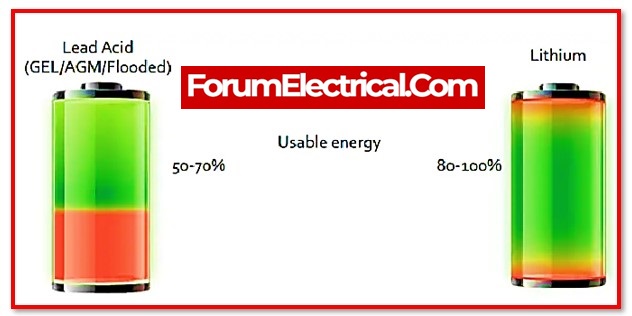
- Marine/RV upgrades: Users often replace AGM/gel with LFP for weight savings and deeper usable capacity.
Insurance and Compliance
- Install in enclosures rated for lithium systems, follow local electrical codes, and log commissioning data for warranty and safety audits.
Source: www.heltec-energy.com
Real-World Lessons From The Field
From my projects and troubleshooting calls, here are patterns that consistently show up:
- Don’t apply lead-acid rules to lithium-ion: A client once attempted equalization charging (common with flooded lead-acid) on an LFP bank and tripped the BMS repeatedly. Result: downtime and unnecessary worry. Lithium-ion needs a different charging curve.
- Temperature matters more than people think: In a cold-climate cabin system, cells charged below freezing showed capacity loss and elevated impedance. A simple preheat routine and a BMS with low-temp charge cutoff solved it.
- Pack assembly is a system: Cells, BMS, fusing, wiring, and enclosure all matter. A beautifully spec’d cell can still be unsafe in a poorly integrated pack.
- Cycle life claims are conditional: I’ve achieved 3,000+ cycles on LFP packs—but only with proper depth-of-discharge limits, moderate C-rates, and thermal management.
- Label literacy prevents mistakes: If a spec sheet calls a lithium-ion pack a “wet” battery, look for what they mean: liquid electrolyte inside a sealed pack, not a flooded design you can open or top off.
How Lithium-Ion Compares To Other Battery Types
Decision-making improves when you see the practical differences.
-
Versus flooded lead-acid (true wet-cell)
- Lithium-ion: Higher energy density, no routine maintenance, higher upfront cost, lower lifetime maintenance.
- Flooded: Lower initial cost, requires ventilation and topping off, limited depth of discharge.
-
Versus AGM/Gel lead-acid
- Lithium-ion: More cycles, lighter, better usable capacity at higher discharge rates.
- AGM/Gel: Simpler charging, better tolerance to cold charging than some lithium chemistries, but heavier and lower cycle life.
-
Versus solid-state (emerging)
- Lithium-ion: Mature, widely available, proven performance and cost curve.
- Solid-state: Potentially safer and denser long term, but not yet mainstream commercially at scale for most applications.
Misconceptions And Myths, Debunked
- Myth: Lithium-ion is a wet-cell battery you can open and service.
- Reality: Sealed design; no user-serviceable electrolyte maintenance.
- Myth: Lithium-ion can use any charger.
- Reality: Needs a lithium-specific profile with proper voltage/current limits and protections.
- Myth: All lithium batteries behave the same.
- Reality: LFP, NMC, NCA, and others have distinct safety, energy, and cycle profiles.
- Myth: If it has liquid, it’s a “wet-cell.”
- Reality: Industry classification considers structure and serviceability, not just liquid presence.
- Myth: Storing fully charged is best.
- Reality: Moderate state of charge improves longevity during storage.
Frequently Asked Questions Of Lithium-Ion Batteries Are Considered Wet-Cell Batteries.
Are Lithium-Ion Batteries Technically Wet-Cell Because They Have Liquid Electrolyte?
Lithium-ion cells do contain liquid electrolyte, but they are sealed and non-aqueous. In standard battery taxonomy, “wet-cell” usually refers to flooded, serviceable designs like traditional lead-acid. So, lithium-ion is not considered a wet-cell in the conventional sense.
What’s The Practical Difference Between Wet-Cell Lead-Acid And Lithium-Ion?
Wet-cell lead-acid uses free-flowing electrolyte you can refill, requires ventilation and maintenance, and is heavier. Lithium-ion is sealed, maintenance-free, lighter, and offers higher usable capacity and cycle life, with different safety and charging requirements.
Can I Replace My AGM Or Gel Battery With Lithium-Ion One-To-One?
Often yes, but you need a compatible charger, correct low-temperature charge protections, and a BMS-equipped pack. Also check alternator and inverter settings in marine/RV systems before swapping.
Do Lithium-Ion Batteries Spill If Damaged?
They are sealed and designed to be spill-resistant, but mechanical damage can cause leaks or thermal events. Handle damaged cells with caution, follow manufacturer guidance, and recycle properly.
Are Solid-State Batteries The Same As Dry-Cell?
Solid-state batteries use solid electrolytes and are truly “dry” compared to liquid-electrolyte systems. They’re different from consumer “dry cells” like alkaline AAs but share the no-liquid-electrolyte trait.
Why Do Some Sellers Call Lithium-Ion “Wet” In Listings?
They’re referring to the presence of a liquid electrolyte. However, that shorthand is confusing because “wet-cell” typically implies flooded, serviceable batteries—which lithium-ion is not.
How Should I Store Lithium-Ion For Best Life?
Keep at 30–60% charge, store cool and dry, avoid extreme temperatures, and top up every few months if the pack lacks a low self-discharge BMS.
Conclusion
Here’s the bottom line: while lithium-ion batteries use a liquid electrolyte, they are sealed, non-aqueous, and not considered wet-cell batteries in the traditional, flooded-lead-acid sense. Knowing this distinction helps you choose the right charger, follow the correct safety protocols, and set realistic expectations for performance and maintenance. If you’re planning a system upgrade, map out your chemistry, charging profile, and environmental conditions first—you’ll save money, time, and headaches.
Ready to go deeper? Subscribe for more battery breakdowns, ask a question in the comments, or explore our resources to pick the perfect chemistry for your next project.