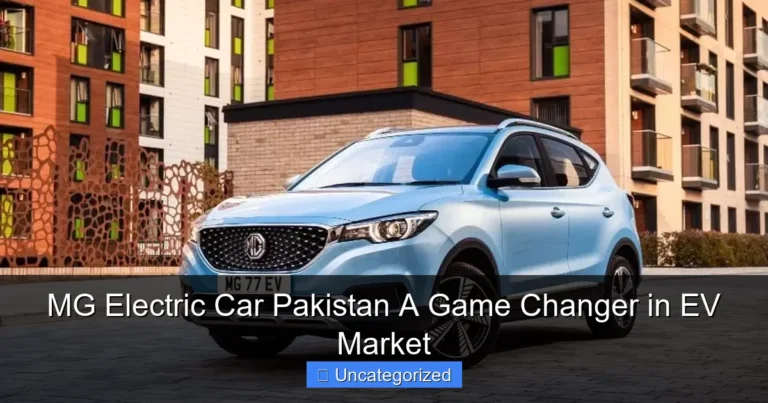
MG Car Electric and Petrol Models Compared Which One Wins

Featured image for mg car electric and petrol
MG’s electric models outperform petrol variants with lower running costs, instant torque, and eco-friendly appeal, making them ideal for budget-conscious and environmentally aware drivers. While petrol MGs offer affordability and wider service networks, the long-term savings and cutting-edge tech of electric MGs tilt the balance for most buyers. The choice hinges on priorities—tradition or innovation.
Key Takeaways
- Electric MG models offer lower running costs and zero emissions.
- Petrol MGs provide longer range and quicker refueling times.
- EVs win on tech with advanced features and smoother driving.
- Petrol variants suit high-mileage drivers and rural areas best.
- Maintenance is cheaper for electric MGs due to fewer moving parts.
- Government incentives can significantly reduce upfront EV purchase costs.
- Choose based on your budget, driving needs, and charging access.
📑 Table of Contents
- MG Car Electric and Petrol Models Compared: Which One Wins?
- 1. Performance and Driving Experience
- 2. Cost of Ownership: Upfront Price, Running Costs, and Incentives
- 3. Range, Charging, and Refueling: Practicality for Everyday Life
- 4. Environmental Impact: Emissions, Sustainability, and Long-Term Footprint
- 5. Resale Value, Technology, and Future-Proofing
- 6. The Verdict: Which MG Should You Choose?
MG Car Electric and Petrol Models Compared: Which One Wins?
When it comes to choosing a new car, the debate between electric and petrol powertrains has never been more relevant. MG Motor, a brand with a rich heritage that dates back to the 1920s, is now at the forefront of this automotive revolution. Originally known for its classic roadsters and sports cars, MG has reinvented itself in the 21st century as a forward-thinking, tech-savvy automaker offering a compelling range of both MG car electric and petrol models. With the UK government’s push toward net-zero emissions by 2050 and the impending ban on new petrol and diesel vehicles by 2030, MG has strategically positioned itself to cater to both traditional drivers and eco-conscious buyers.
Whether you’re a city commuter seeking low running costs or a family driver needing practicality and range, MG’s current lineup offers something for everyone. From the all-electric MG4 to the petrol-powered MG ZS, the brand blends affordability, modern design, and cutting-edge technology. But how do these two powertrains truly compare? Is an electric MG worth the upfront investment, or does a petrol model still make more sense for your lifestyle? In this comprehensive comparison, we’ll dive deep into performance, cost, ownership experience, environmental impact, and long-term value to determine which side of the MG car electric and petrol divide comes out on top.
1. Performance and Driving Experience
Electric Models: Instant Power and Smooth Acceleration
One of the standout advantages of MG car electric models is their performance. Electric motors deliver maximum torque from a standstill, resulting in lightning-quick acceleration and a smooth, silent ride. Take the MG4 EV, for example. The Long Range model (77 kWh battery) can sprint from 0 to 60 mph in just 6.1 seconds, rivaling some hot hatchbacks in its class. The instant power delivery makes city driving effortless, with responsive handling and minimal lag when pulling away from traffic lights.
The MG ZS EV, MG’s compact SUV, offers similar benefits. With a 0–60 mph time of around 8.2 seconds, it’s not a sports car, but it feels agile and confident on urban roads. Electric vehicles (EVs) also benefit from a low center of gravity due to the heavy battery pack mounted beneath the floor, which improves cornering stability and reduces body roll.
Petrol Models: Proven Reliability and Driving Engagement
On the other side, MG’s petrol-powered models like the MG ZS and MG HS offer a more traditional driving experience. The 1.5L turbocharged engine in the MG ZS produces 160 bhp and delivers a 0–60 mph time of approximately 8.5 seconds—slightly slower than the electric variant but still respectable. Petrol engines provide a familiar auditory feedback, with a satisfying engine note under acceleration, which many drivers still appreciate.
Petrol models also tend to be lighter than their electric counterparts (the MG ZS weighs around 1,350 kg vs. the ZS EV at 1,580 kg), which can translate to slightly better fuel efficiency and more engaging handling on winding roads. For drivers who enjoy the tactile feel of a gearshift and the revving of an internal combustion engine, petrol MGs offer a more “connected” experience.
Real-World Driving Scenarios
- City Commuting: Electric MGs shine here. The MG4’s regenerative braking system recovers energy when slowing down, extending range and reducing brake wear. In stop-and-go traffic, the quiet cabin and smooth power delivery make for a stress-free commute.
- Highway Driving: Petrol models may have a slight edge on long motorway journeys. With no range anxiety and faster refueling (5 minutes at a petrol station vs. 30–60 minutes for a 10–80% charge), petrol MGs are more convenient for long-distance travel, especially if charging infrastructure is limited.
- Hilly or Rural Routes: Electric motors handle gradients well due to constant torque, but range can drop significantly in cold weather or when climbing steep hills. Petrol engines, while less efficient uphill, don’t suffer from the same range degradation.
2. Cost of Ownership: Upfront Price, Running Costs, and Incentives
Upfront Purchase Price
When comparing MG car electric and petrol models, the initial price tag is often a deciding factor. Generally, electric MGs have a higher upfront cost due to battery technology. For example:
- MG4 EV (Standard Range): Starts at £25,995
- MG ZS EV (Standard Range): Starts at £30,495
- MG ZS (1.5T petrol): Starts at £23,495
- MG HS (1.5T petrol): Starts at £25,995
As you can see, the petrol versions are typically £2,000–£5,000 cheaper at launch. However, this gap is narrowing as battery costs decline and government incentives kick in.
Running and Maintenance Costs
Where electric MGs truly excel is in long-term running costs. Here’s why:
- Fuel/Energy: Charging an MG4 at home (using a 7.4 kW wallbox) costs around £6–£8 for a full charge (50–60 kWh), giving a range of 200–280 miles. That’s roughly 3–4p per mile. In contrast, the MG ZS petrol averages 45 mpg. With petrol at £1.50 per litre, that’s about 13–15p per mile—over three times more expensive.
- Servicing: Electric vehicles have fewer moving parts. No oil changes, spark plugs, or exhaust systems to maintain. MG offers a 7-year/80,000-mile warranty on EVs, including the battery. Petrol models have a similar 7-year warranty but require regular servicing every 10,000 miles, adding £300–£500 annually.
- Road Tax: Fully electric MGs are exempt from UK Vehicle Excise Duty (VED), saving £180+ per year. Petrol models pay £180 annually after the first year.
- Insurance: EVs can be slightly more expensive to insure due to higher repair costs, but MG’s competitive pricing and safety features (like ADAS on newer models) help keep premiums in check.
Government Incentives and Grants
The UK government offers a Plug-in Car Grant (PICG) of up to £2,500 for eligible EVs under £32,000—meaning the MG4 qualifies, but the ZS EV does not (as of 2023). Additionally, businesses can claim 100% first-year capital allowances on EVs, and company car drivers benefit from a 2% Benefit-in-Kind (BIK) tax rate for electric vehicles (vs. 25–37% for petrol models). These incentives can save thousands over the ownership period.
3. Range, Charging, and Refueling: Practicality for Everyday Life
Electric MG Range and Real-World Performance
Range anxiety is a common concern, but modern MG car electric models are increasingly capable. The MG4 Long Range boasts a WLTP range of up to 281 miles, while the ZS EV Long Range offers 273 miles. In real-world conditions (mixed driving, air conditioning, and hilly terrain), expect 200–240 miles—still sufficient for most daily commutes and weekend trips.
However, cold weather can reduce range by 20–30%. Using heated seats and steering wheel (instead of cabin heating) helps preserve battery life. Pre-conditioning the car while still plugged in (available via the MG iSmart app) is another smart tip to maximize range on cold mornings.
Charging Infrastructure and Speed
Charging an electric MG is straightforward but requires planning:
- Home Charging: A 7.4 kW wallbox charges the MG4 from 10% to 80% in ~7 hours. Ideal for overnight charging.
- Public Charging: At a 50 kW fast charger, the MG4 can recharge from 10% to 80% in ~45 minutes. The ZS EV supports up to 100 kW, reducing this to ~30 minutes.
- Ultra-Rapid Charging: Some newer MG models (like the MG4 XPOWER) support 140 kW charging, cutting 10–80% times to under 30 minutes.
Tip: Use apps like Zap-Map or PlugShare to locate nearby chargers and check availability. MG also partners with charging networks like Ionity and BP Pulse for discounted rates.
Petrol Refueling: Convenience and Accessibility
Petrol models win hands-down in refueling convenience. With over 8,000 petrol stations across the UK, you’re never more than a few miles from a refill. Filling a 45-litre tank in the MG ZS takes 5 minutes and provides 400+ miles of range. No waiting, no app downloads, no compatibility issues.
For long-distance travelers or those in rural areas with sparse charging networks, petrol MGs remain the more practical choice—especially for spontaneous trips or holiday drives.
4. Environmental Impact: Emissions, Sustainability, and Long-Term Footprint
Tailpipe Emissions and Air Quality
The most obvious environmental benefit of MG car electric models is zero tailpipe emissions. In cities like London, where ULEZ (Ultra Low Emission Zone) charges apply, EVs are exempt, saving £12.50 per day. Even outside ULEZ areas, EVs contribute to cleaner air by eliminating NOx, CO2, and particulate matter at the point of use.
Petrol MGs, while meeting Euro 6 standards, still emit CO2 (around 135–145 g/km for the ZS and HS). Over a 10,000-mile annual mileage, a petrol MG emits ~1.4 tonnes of CO2, compared to zero for an electric MG (assuming grid charging).
Lifecycle Emissions and Battery Production
However, EVs aren’t emission-free when considering the full lifecycle. Battery production is energy-intensive, and mining for lithium, cobalt, and nickel raises ethical and environmental concerns. Studies suggest EVs “pay back” their carbon debt after 15,000–20,000 miles of driving (vs. petrol cars), depending on the electricity grid’s cleanliness.
The UK’s grid is increasingly renewable (over 40% in 2023), making EVs cleaner over time. MG also sources batteries from suppliers with sustainability certifications, and the brand is investing in battery recycling programs.
Long-Term Sustainability
- EVs: As renewable energy grows and battery tech improves (e.g., solid-state batteries), the environmental advantage of electric MGs will only increase.
- Petrol Models: While cleaner than older vehicles, they’re on a sunset path. With the 2030 ICE ban, resale value may decline, and future maintenance could become more expensive as parts become scarce.
5. Resale Value, Technology, and Future-Proofing
Depreciation and Resale Value
Historically, petrol cars held better resale value, but the EV market is changing rapidly. According to CAP HPI, the MG4 EV retains ~55% of its value after three years, outperforming many competitors. The ZS EV holds ~50%, while petrol MGs average 45–50%. As EV adoption grows, demand for used electric MGs is rising, especially in urban areas.
Tip: Opt for higher-spec models (e.g., MG4 Trophy or ZS EV Long Range) to maximize resale appeal. These trims often have better battery health and more desirable features.
Technology and Features
Electric MGs often come with more advanced tech as standard:
- MG iSmart App: Remote climate control, charge scheduling, and vehicle tracking (standard on EVs, optional on petrol models).
- Advanced Driver Assistance Systems (ADAS): EVs like the MG4 include adaptive cruise, lane-keeping assist, and automatic emergency braking. Petrol models offer similar features but often at higher trim levels.
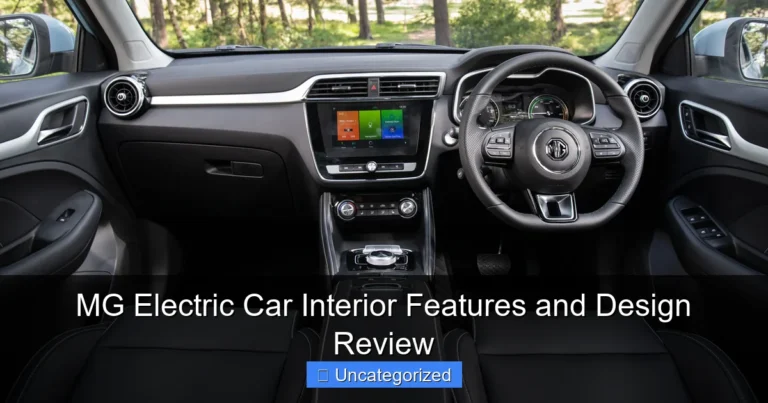
- Infotainment: Both electric and petrol MGs feature 10.1-inch touchscreens with Apple CarPlay and Android Auto, but EVs get over-the-air (OTA) updates for software improvements.
Future-Proofing Your Purchase
With the 2030 ICE ban looming, buying an electric MG is a future-proof choice. Petrol models may face restrictions in low-emission zones, higher taxes, and reduced resale value. Electric MGs, on the other hand, will likely see improved infrastructure, longer range, and better performance with each new model year.
6. The Verdict: Which MG Should You Choose?
Choose an Electric MG If:
- You drive mostly in the city or within 200 miles of home.
- You have access to home or workplace charging.
- You want lower running costs and environmental benefits.
- You’re a company car driver (BIK tax savings).
- You value cutting-edge tech and quiet, smooth driving.
Best Electric Picks: MG4 EV (for value and performance), ZS EV (for families needing space).
Choose a Petrol MG If:
- You frequently drive long distances or in rural areas.
- You don’t have reliable charging access.
- You prefer the sound and feel of a traditional engine.
- You’re on a tight budget and need a lower upfront cost.
- You’re not ready to commit to EV ownership yet.
Best Petrol Picks: MG ZS (for affordability), MG HS (for comfort and style).
Data Table: MG Electric vs. Petrol Comparison (2023 Models)
| Feature | MG4 EV (Long Range) | MG ZS EV (Long Range) | MG ZS (1.5T Petrol) | MG HS (1.5T Petrol) |
|---|---|---|---|---|
| Starting Price | £29,995 | £34,495 | £23,495 | £25,995 |
| Range (WLTP) | 281 miles | 273 miles | 450 miles (tank) | 430 miles (tank) |
| 0–60 mph | 6.1 seconds | 8.2 seconds | 8.5 seconds | 9.2 seconds |
| Fuel/Energy Cost (p/mile) | 3–4p | 3–4p | 13–15p | 14–16p |
| Road Tax (Year 2+) | £0 | £0 | £180 | £180 |
| Warranty | 7 years/80,000 miles | 7 years/80,000 miles | 7 years/80,000 miles | 7 years/80,000 miles |
| Charging (10–80%) | 45 min (50 kW) | 30 min (100 kW) | 5 min (petrol) | 5 min (petrol) |
In the battle of MG car electric and petrol, there’s no one-size-fits-all answer. The electric MG4 and ZS EV offer unbeatable efficiency, lower running costs, and a glimpse into the future of motoring. They’re ideal for eco-conscious drivers, city dwellers, and those with access to charging. On the other hand, petrol-powered MGs like the ZS and HS provide unmatched convenience for long-distance travel, lower upfront costs, and a familiar driving experience.
Ultimately, the “winner” depends on your lifestyle, driving habits, and priorities. If you’re ready to embrace the electric revolution, an MG car electric model is a smart, sustainable choice. But if you’re not quite there yet, a petrol MG still delivers excellent value, reliability, and driving enjoyment. One thing is certain: MG is making it easier than ever to find the perfect car—whether it runs on electrons or petrol.
Frequently Asked Questions
What are the key differences between MG electric and petrol models?
MG electric models, like the MG ZS EV, run on battery power with zero emissions and lower running costs. Petrol models, such as the MG HS, offer longer range and quicker refueling but higher fuel expenses. The choice depends on your priorities: eco-friendliness (electric) or convenience (petrol).
Is the MG electric car more expensive than petrol variants?
Yes, MG electric cars typically have a higher upfront cost due to battery technology, but they benefit from lower maintenance and charging costs. Petrol models are cheaper to buy initially but incur higher fuel and servicing expenses over time.
How does the driving range compare for MG electric and petrol cars?
MG petrol cars offer a longer range (500+ km per tank) and faster refueling. The MG car electric models, like the ZS EV, provide around 300-400 km per charge, making them ideal for daily commutes but less suited for long-distance travel.
Which MG model is better for city driving: electric or petrol?
Electric MG cars excel in city driving with instant torque, quieter operation, and lower charging costs. Petrol models can feel less efficient in stop-and-go traffic due to higher fuel consumption, though they remain a reliable option for mixed usage.
Are MG electric cars eligible for government incentives?
Yes, many countries offer tax credits, grants, or subsidies for purchasing MG car electric models, reducing the overall cost. Petrol models rarely qualify for such incentives, as they don’t meet eco-friendly criteria.
What’s the maintenance cost difference between MG electric and petrol cars?
MG electric cars have fewer moving parts, reducing maintenance costs (no oil changes, fewer brake replacements). Petrol models require regular servicing (oil, filters, exhaust) and are generally more expensive to maintain over time.