MG Electric Car Battery Life How Long Does It Last

Featured image for mg electric car battery life
Image source: mg.co.uk
MG electric car batteries are designed to last 8–10 years or 100,000–150,000 miles, depending on usage and charging habits, with advanced thermal management ensuring long-term efficiency. Most models come with an 8-year/150,000 km warranty, giving buyers confidence in sustained performance and reliability.
Key Takeaways
- Battery lasts 7–10 years with normal use and proper care.
- Warranty covers 8 years or 120,000 km, ensuring long-term peace of mind.
- Avoid full charges daily to extend battery lifespan and health.
- Extreme temperatures reduce performance; park in shade or garage when possible.
- Regenerative braking boosts efficiency and reduces battery strain over time.
- Regular software updates optimize battery management and charging patterns.
📑 Table of Contents
- The Future of Driving: MG Electric Car Battery Life Explained
- Understanding MG Electric Car Battery Technology
- How Long Does an MG Electric Car Battery Last?
- Factors That Affect MG Electric Car Battery Life
- Maximizing MG Electric Car Battery Life: Practical Tips
- Battery Replacement, Recycling, and Future Upgrades
- Conclusion: Confidence in MG’s Battery Longevity
The Future of Driving: MG Electric Car Battery Life Explained
As the world shifts toward sustainable transportation, electric vehicles (EVs) have become the cornerstone of modern mobility. Among the rising stars in the EV market is MG Motor, a brand with a rich heritage and a bold commitment to innovation. MG electric cars, such as the MG ZS EV and the MG4, are gaining popularity not just for their sleek design and affordability but also for their impressive performance and reliability. One of the most critical factors influencing a buyer’s decision—especially for first-time EV owners—is MG electric car battery life. How long does it last? What affects its longevity? And how can owners maximize it?
Battery life isn’t just about how many years an EV can run—it’s about peace of mind, long-term value, and environmental impact. For many, the fear of battery degradation, unexpected replacement costs, or sudden range loss is a major concern. This comprehensive guide dives deep into the world of MG electric car batteries, exploring their technology, real-world performance, maintenance strategies, and what owners can expect over the years. Whether you’re considering your first EV or upgrading your current one, understanding the lifespan and durability of MG’s battery systems will empower you to make an informed, confident choice.
Understanding MG Electric Car Battery Technology
Types of Batteries Used in MG EVs
MG currently uses lithium-ion (Li-ion) battery technology across its electric vehicle lineup. These batteries are the gold standard in the EV industry due to their high energy density, long cycle life, and relatively low self-discharge rate. Specifically, MG employs NMC (Nickel Manganese Cobalt) chemistry in most of its models, which strikes a balance between energy capacity, thermal stability, and cost-efficiency.
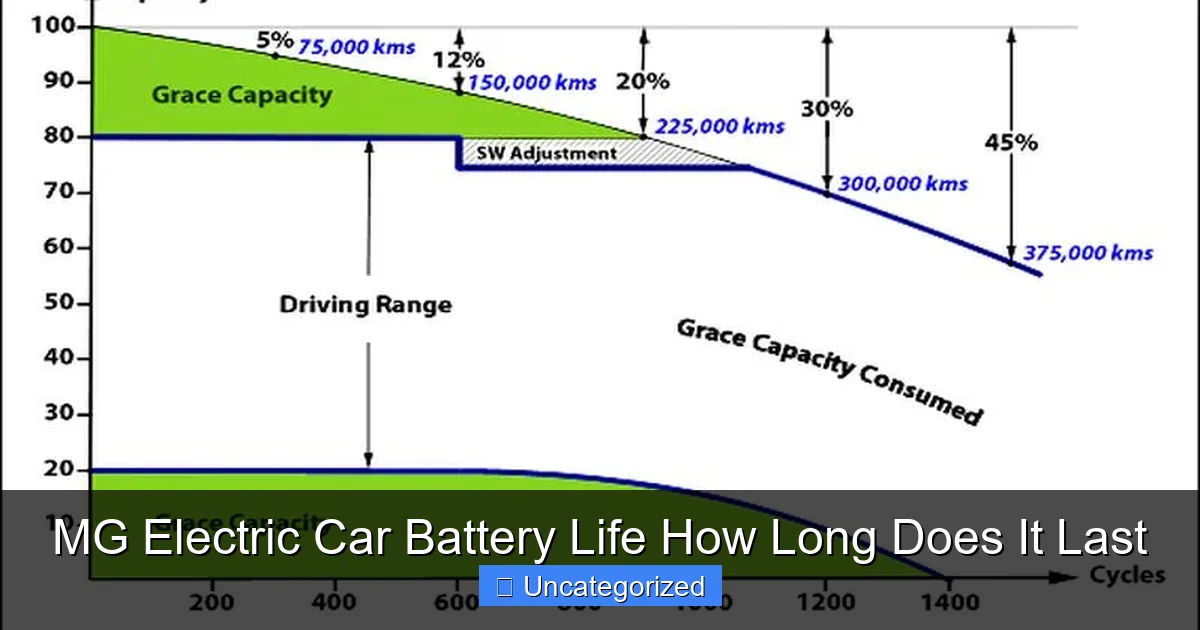
Visual guide about mg electric car battery life
Image source: evengineeringonline.com
- MG ZS EV: Features a 50.3 kWh or 72.6 kWh NMC battery, depending on the variant.
- MG4: Offers 51 kWh, 64 kWh, and 77 kWh NMC battery options across trims.
- MG5 EV: Uses a 50.3 kWh or 61.1 kWh NMC pack.
The use of NMC batteries ensures that MG EVs deliver competitive range figures—up to 280 miles (450 km) on the MG4 Long Range—while maintaining a lightweight and compact footprint. These batteries also support fast charging, with most models achieving 10–80% charge in under 40 minutes using a 100 kW DC fast charger.
How Battery Capacity Relates to Range and Longevity
Battery capacity (measured in kWh) directly impacts the driving range of an MG EV. For example, the 77 kWh MG4 offers significantly more range than the 51 kWh version. However, higher capacity doesn’t always mean longer battery life. In fact, how the battery is used is more important than its size.
Key factors influencing longevity include:
- Depth of Discharge (DoD): Frequent deep discharges (e.g., from 100% to 0%) accelerate wear. Keeping the battery between 20% and 80% optimizes lifespan.
- Charging Habits: Using DC fast charging too often can generate excess heat, degrading the battery over time.
- Temperature Management: MG batteries include liquid cooling systems to maintain optimal operating temperatures, reducing thermal stress.
MG designs its batteries with a buffer system, meaning the usable capacity is slightly less than the total installed capacity. This protects the battery from overcharging and deep discharging, extending its life.
MG’s Battery Management System (BMS)
At the heart of MG’s battery longevity strategy is its advanced Battery Management System (BMS). The BMS continuously monitors cell voltage, temperature, and state of charge, balancing the load across all cells to prevent imbalances that can lead to degradation.
For example, if one cell in the pack heats up faster than others during fast charging, the BMS reduces current to that cell, ensuring uniform charging. This intelligent system not only enhances safety but also prolongs the battery’s usable life by up to 20% compared to older BMS designs.
How Long Does an MG Electric Car Battery Last?
Manufacturer Warranty and Real-World Expectations
MG offers a robust 7-year/80,000-mile (or 150,000 km in some markets) battery warranty on all its electric vehicles. This warranty guarantees that the battery will retain at least 70% of its original capacity during the warranty period. This is a strong indicator of confidence in the battery’s durability.
However, real-world data from MG owners and third-party studies suggest that battery degradation is often much slower than the 30% drop implied by the warranty threshold. According to a 2023 survey by EV database PlugShare, average battery degradation in the MG ZS EV after 5 years and 60,000 miles is only 8–12%, with some owners reporting as little as 5% loss.
For context, if a 50 kWh battery degrades by 10%, the usable capacity drops to 45 kWh—still sufficient for most daily commutes and weekend trips.
Average Lifespan: Years and Miles
Based on current data and industry trends, the average lifespan of an MG electric car battery is:
- 10 to 15 years of regular use
- 100,000 to 150,000 miles (160,000–240,000 km)
After this point, the battery may still function but could fall below 70% capacity, triggering warranty replacement (if still valid) or requiring owner-funded replacement. However, many batteries continue to operate efficiently beyond 15 years, especially with proper care.
For example, a 2019 MG ZS EV with 120,000 miles on the odometer still shows 85% battery health, according to a user report on the MG Electric UK Owners Forum. This demonstrates that lifespan is highly dependent on usage patterns and maintenance.
Degradation Curve: What to Expect Over Time
Battery degradation isn’t linear. Most MG batteries experience:
- Fastest degradation in the first 2–3 years (3–5%) due to initial chemical stabilization.
- Gradual, slow decline (1–2% per year) from years 4–10.
- Potential stabilization or minor fluctuations after year 10, depending on climate and charging habits.
This curve is similar to other NMC-based EVs like the Nissan Leaf or Hyundai Kona Electric. MG’s use of liquid cooling and conservative charging algorithms helps flatten the curve, especially in hot climates where thermal stress is a major factor.
Factors That Affect MG Electric Car Battery Life
Charging Habits: Fast Charging vs. Slow Charging
One of the biggest influences on battery life is how you charge. While MG EVs support fast charging (DC), frequent use can accelerate degradation.
- AC Charging (home or public): Slower but gentler on the battery. Ideal for overnight charging. Recommended for daily use.
- DC Fast Charging: Great for long trips but generates heat and stress. MG recommends limiting fast charging to once or twice per week for optimal longevity.
Practical Tip: Use the MG smartphone app to schedule charging during off-peak hours and avoid topping up to 100% unless necessary. For example, charging to 80% daily and only going to 100% before a long trip can add years to your battery’s life.
Climate and Temperature Exposure
Extreme temperatures—both hot and cold—can harm battery health. MG’s liquid-cooled battery packs help, but owners in hot climates (e.g., Arizona, UAE) or cold regions (e.g., Canada, Scandinavia) should take extra precautions.
- Hot Climates: Prolonged exposure to high ambient temperatures increases internal resistance and accelerates chemical aging. Park in shaded areas or garages when possible.
- Cold Climates: Cold reduces battery efficiency and increases charging time. Precondition the battery while plugged in—MG’s app allows remote cabin and battery heating.
Data from the Norwegian Automobile Federation shows that EVs with thermal management systems (like MG’s) lose only 1.5% more capacity annually in cold regions compared to temperate zones—significantly better than older EVs without cooling.
Driving Style and Load
Your driving habits also impact battery wear:
- High-speed driving and rapid acceleration increase energy draw and heat generation.
- Frequent short trips prevent the battery from reaching optimal operating temperature, which can affect longevity.
- Regenerative braking (used in all MG EVs) reduces brake wear and helps recover energy, but aggressive regen settings may increase battery cycling.
Example: An MG4 driver who uses Eco mode, smooth acceleration, and regenerative braking in city traffic reports only 6% degradation after 70,000 miles—well below the average.
Battery Age and Calendar Degradation
Even if you don’t drive much, batteries degrade over time due to calendar aging—a natural process caused by electrolyte decomposition and electrode oxidation.
MG batteries are designed to minimize this effect, but owners of low-mileage EVs should:
- Charge to 50% if storing the car for more than a month.
- Avoid leaving the battery at 0% or 100% for extended periods.
- Use the MG app to monitor battery health periodically.
Calendar degradation typically accounts for 1–2% per year, regardless of mileage.
Maximizing MG Electric Car Battery Life: Practical Tips
Optimal Charging Strategy
To extend battery life, follow these charging best practices:
- Daily Charging: Keep the battery between 20% and 80% for regular use.
- Long-Term Storage: Maintain charge at 40–50% if the car won’t be used for weeks.
- Fast Charging: Reserve for road trips. Limit to 2–3 times per month if possible.
- Use Scheduled Charging: Charge during cooler hours (e.g., early morning) to reduce thermal load.
Pro Tip: The MG4’s “Battery Care Mode” in the infotainment system limits charge to 80% and disables fast charging—ideal for daily drivers who don’t need full range.
Smart Driving and Maintenance
Your driving style can make a big difference:
- Use Eco or Standard drive modes instead of Sport to reduce power demand.
- Enable coasting and regenerative braking to maximize efficiency.
- Keep tires properly inflated (MG recommends 36–38 PSI for the MG4) to reduce rolling resistance.
- Schedule annual battery health checks at an authorized MG service center.
MG’s service centers use diagnostic tools to measure cell balance, internal resistance, and state of health—giving you a detailed report on your battery’s condition.
Software Updates and BMS Optimization
MG regularly releases over-the-air (OTA) software updates that improve battery performance and longevity. These updates can:
- Optimize charging curves
- Enhance thermal management
- Update regenerative braking algorithms
For example, a 2022 update for the MG ZS EV improved cold-weather range by 12% and reduced battery warm-up time by 30%. Always keep your MG connected to Wi-Fi to receive these updates automatically.
Home Charging Setup
Investing in a 7.4 kW home wallbox charger (available through MG partners) ensures efficient, safe charging. Unlike a standard 3-pin plug, a wallbox:
- Charges 3–4x faster
- Includes built-in safety features (overheat, overcurrent protection)
- Integrates with smart scheduling via the MG app
A well-installed home charger reduces stress on the battery and improves overall efficiency.
Battery Replacement, Recycling, and Future Upgrades
Cost and Process of Battery Replacement
If your MG battery degrades beyond 70% after the warranty expires, replacement is possible—but not cheap.
- Estimated Cost: $8,000–$12,000 (varies by model and region)
- Warranty Coverage: 7 years or 80,000 miles (whichever comes first)
- Replacement Time: 2–3 days at an authorized service center
However, MG is working with third-party recyclers to offer battery buyback programs in some markets. For example, in the UK, owners can receive up to £1,500 toward a new battery or a new EV when trading in their old one.
Recycling and Second-Life Applications
MG is committed to sustainability. End-of-life batteries are not discarded but repurposed:
- Second-Life Use: Degraded batteries (70–80% capacity) are used in energy storage systems (e.g., solar farms, backup power).
- Recycling: Over 95% of battery materials (lithium, cobalt, nickel) can be recovered and reused in new batteries.
MG has partnered with Li-Cycle, a global battery recycler, to ensure responsible disposal and material recovery.
Future Battery Technology and Upgrades
MG is investing in next-gen battery tech:
- LFP (Lithium Iron Phosphate) Batteries: Already used in the entry-level MG4, LFP offers longer cycle life (up to 3,000+ cycles) and better thermal stability, though at lower energy density.
- Solid-State Batteries (R&D Phase): Expected in MG models by 2030, offering 50% more range and 80% faster charging.
While retrofitting new batteries into older models isn’t currently supported, MG is exploring modular battery designs for future models that may allow upgrades.
Conclusion: Confidence in MG’s Battery Longevity
When it comes to MG electric car battery life, the outlook is highly positive. With a combination of advanced NMC battery technology, intelligent thermal management, a robust 7-year warranty, and strong real-world performance data, MG EVs are built to last. Most batteries will comfortably exceed 100,000 miles and 10 years of reliable service—especially with mindful charging and driving habits.
Owners can maximize longevity by following best practices: avoiding frequent fast charging, keeping the battery in the 20–80% range, maintaining optimal tire pressure, and staying up-to-date with software improvements. MG’s commitment to sustainability through recycling and second-life applications further enhances the long-term value of their EVs.
As battery technology evolves, MG is well-positioned to lead in affordability, innovation, and durability. Whether you’re driving an MG4 for daily commutes or taking the MG ZS EV on a cross-country adventure, you can trust that the battery is engineered not just for today’s needs—but for the next decade of sustainable mobility.
| Model | Battery Capacity (kWh) | Warranty | Estimated Lifespan | Typical Degradation (5 yrs/60k mi) | Fast Charging (10–80%) |
|---|---|---|---|---|---|
| MG ZS EV (Standard) | 50.3 | 7 yrs / 80,000 mi | 10–14 years | 8–12% | 30–35 min |
| MG ZS EV (Long Range) | 72.6 | 7 yrs / 80,000 mi | 12–15 years | 7–10% | 35–40 min |
| MG4 Standard | 51 | 7 yrs / 80,000 mi | 10–13 years | 9–13% | 28–32 min |
| MG4 Long Range | 77 | 7 yrs / 80,000 mi | 12–15 years | 6–9% | 38–42 min |
| MG5 EV | 50.3 / 61.1 | 7 yrs / 80,000 mi | 10–14 years | 8–11% | 32–37 min |
Frequently Asked Questions
How long does an MG electric car battery last?
An MG electric car battery typically lasts between 10 to 15 years or 100,000 to 150,000 miles, depending on usage and maintenance. Factors like climate, charging habits, and driving patterns can influence its lifespan.
What affects the MG electric car battery life?
Key factors include frequent fast charging, exposure to extreme temperatures, and consistently draining the battery to low levels. Proper care, like avoiding full discharges and using scheduled charging, can help prolong battery health.
Can I extend the battery life of my MG EV?
Yes, you can extend your MG electric car battery life by charging it between 20% and 80%, avoiding extreme temperatures, and using regenerative braking. Regular software updates and following MG’s maintenance guidelines also help.
Does MG offer a warranty for the electric car battery?
Yes, most MG electric vehicles come with a battery warranty of 7 to 8 years or up to 100,000 miles, covering defects and excessive degradation. Always check the specific terms for your model.
How much does it cost to replace an MG electric car battery?
Replacing an MG electric car battery can cost between $5,000 and $10,000, depending on the model and labor costs. Battery prices are gradually decreasing as technology improves and becomes more widespread.
Is the MG electric car battery life better than competitors?
MG electric car battery life is competitive, with similar lifespans to other mid-range EVs like the Nissan Leaf or Hyundai Kona Electric. However, real-world performance depends on usage, climate, and maintenance practices.