MG Electric Car Charging Guide Top Tips and Tricks
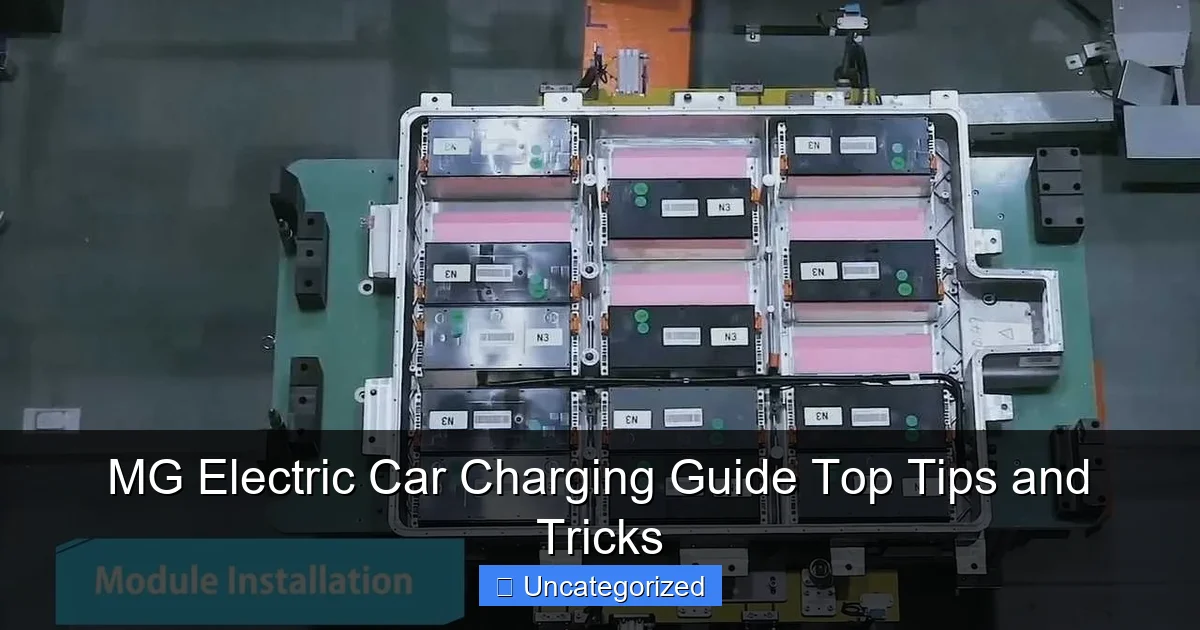
Featured image for mg electric car charging
Image source: cdn.motor1.com
Maximize your MG electric car’s performance with smart charging habits and optimal timing. This guide reveals essential tips—from using off-peak electricity rates to leveraging fast-charging networks—helping you save time, reduce costs, and extend battery life. Whether you’re charging at home or on the go, these expert tricks ensure your MG EV stays powered efficiently and reliably.
Key Takeaways
- Plan ahead: Use MG’s app to locate nearby charging stations and check availability.
- Charge smart: Opt for off-peak hours to reduce costs and grid strain.
- Use fast chargers: Maximize speed with DC fast charging for long trips.
- Maintain battery health: Avoid frequent 100% charges; stick to 20-80% range.
- Keep cables ready: Store a portable charger for emergencies and backup.
- Monitor usage: Track charging habits via MG’s dashboard for efficiency insights.
📑 Table of Contents
- MG Electric Car Charging Guide: Top Tips and Tricks
- Understanding MG EV Charging Levels and Equipment
- Home Charging Setup: The Smart Way to Power Your MG EV
- Public Charging: Navigating Networks and Maximizing Efficiency
- Battery Health and Charging Habits for Longevity
- Cost Comparison: Home vs. Public Charging
- Conclusion: Mastering MG Electric Car Charging
MG Electric Car Charging Guide: Top Tips and Tricks
Electric vehicles (EVs) have revolutionized the way we think about transportation, and MG, a brand with a rich heritage and forward-thinking approach, has emerged as a key player in the EV market. With models like the MG ZS EV and the MG4 Electric, MG offers affordable, efficient, and stylish electric cars that appeal to both urban commuters and long-distance drivers. But owning an electric car isn’t just about driving—it’s also about mastering the art of charging. Whether you’re a new EV owner or considering making the switch, understanding how to charge your MG electric car efficiently, safely, and cost-effectively is essential.
Charging your MG EV might seem straightforward at first glance—plug it in and wait—but there’s a lot more beneath the surface. From choosing the right charging station to optimizing charging times and preserving battery health, there are numerous factors that influence your overall EV experience. This comprehensive guide dives deep into the world of MG electric car charging, offering practical advice, insider tips, and data-backed recommendations to help you get the most out of your MG EV. Whether you’re charging at home, on the road, or managing your energy usage, this guide will equip you with everything you need to know.
Understanding MG EV Charging Levels and Equipment
Types of Charging: Level 1, Level 2, and DC Fast Charging
Before plugging in your MG electric car, it’s crucial to understand the three primary levels of EV charging. Each level varies in speed, cost, and infrastructure requirements, so knowing which one suits your lifestyle is key.

Visual guide about mg electric car charging
Image source: carsguide-res.cloudinary.com
- Level 1 Charging (120V AC): This is the slowest method, using a standard household outlet. It delivers about 2–5 miles of range per hour. While convenient for overnight top-ups, it’s not ideal for daily use if you drive more than 20–30 miles per day. For example, the MG4 Electric, with a 51 kWh battery, would take over 40 hours to fully charge using Level 1.
- Level 2 Charging (240V AC): This is the most common and recommended method for home and public charging. It delivers 12–30 miles of range per hour, depending on your car’s onboard charger. Most MG EVs come with a 7.4 kW onboard charger, allowing a full charge in 6–8 hours—perfect for overnight charging. A typical Level 2 home charger installation costs between $500–$1,500, depending on electrical upgrades.
- DC Fast Charging (480V DC): Also known as Level 3, this method can add 60–100 miles of range in just 15–30 minutes. MG EVs like the ZS EV and MG4 support CCS (Combined Charging System) DC fast charging, making them compatible with most public fast-charging networks. However, frequent use can impact long-term battery health, so it’s best reserved for long trips.
MG EV Charging Ports and Connector Types
MG electric cars use standardized charging connectors, ensuring compatibility across most charging stations. Here’s what you need to know:
- Type 2 (Mennekes) AC Connector: Used for Level 1 and Level 2 charging. This is the European standard and is used in all MG EVs sold in the UK, Europe, and many other regions. It’s a seven-pin connector that supports single-phase and three-phase charging.
- CCS (Combined Charging System) DC Connector: This combines the Type 2 AC pins with two additional DC pins for fast charging. When using a CCS fast charger, your MG EV will draw power directly into the battery, bypassing the onboard charger.
- Charging Port Location: On most MG EVs, the charging port is located on the driver’s side rear fender. Always check your car’s manual for exact positioning—some models have it on the front grille or passenger side.
Tip: Always carry the charging cable that came with your MG EV. While most public stations provide cables, having your own ensures compatibility and reduces downtime.
Onboard Charger Specifications
Your MG EV’s onboard charger (OBC) determines how fast it can accept AC power. For example:
- MG4 Standard Range (51 kWh): 7.4 kW OBC → ~7 hours for full charge on Level 2.
- MG4 Long Range (64 kWh): 11 kW OBC (optional) → ~6 hours for full charge on Level 2.
- MG ZS EV (50.3 kWh): 7.4 kW OBC → ~7.5 hours for full charge.
Upgrading to a higher-capacity OBC (if available) can significantly reduce charging time, especially if you install a 22 kW home charger.
Home Charging Setup: The Smart Way to Power Your MG EV
Installing a Level 2 Home Charging Station
Installing a dedicated Level 2 home charger is the most efficient way to charge your MG electric car. Unlike a standard outlet, a Level 2 charger delivers consistent, safe power and often includes smart features.
- Choose the Right Charger: Look for a charger with at least 7.4 kW output to match your MG’s onboard charger. Popular brands include Zaptec, Ohme, Wallbox, and Pod Point. Many come with Wi-Fi or app connectivity for remote monitoring.
- Hire a Qualified Electrician: Installation should be done by a certified electrician who can assess your home’s electrical panel. If your current setup is 100A or less, you may need to upgrade to 200A to support the additional load.
- Location Matters: Install the charger near your regular parking spot, ideally in a garage or under a carport to protect it from weather. Ensure the cable is long enough (usually 5–7 meters) to reach your charging port comfortably.
Pro Tip: Some governments and utility companies offer grants or rebates for home EV charger installation. In the UK, the Electric Vehicle Homecharge Scheme (EVHS) can cover up to 75% of the cost, capped at £350.
Smart Charging: Scheduling and Energy Management
Smart chargers allow you to schedule charging sessions, monitor energy use, and even integrate with your home solar panels. Here’s how to make the most of it:
- Set Off-Peak Charging: Most utility companies offer lower electricity rates during off-peak hours (e.g., 10 PM–6 AM). Use your charger’s app to schedule charging during these times to save money. For example, charging a 50 kWh MG ZS EV at £0.12/kWh instead of £0.20/kWh saves £4 per full charge.
- Use Load Balancing: If you have solar panels or a home battery (like a Tesla Powerwall), smart chargers can prioritize renewable energy or avoid overloading your grid connection.
- Remote Monitoring: Check charging status, receive alerts, and view energy reports via your smartphone. Some apps even show CO2 savings!
Charging with Solar Panels: A Sustainable Option
If you have a rooftop solar system, you can charge your MG EV with free, clean energy. Here’s how:
- Direct Charging: During the day, excess solar power can be directed to your EV charger. A solar-compatible charger (like the Zaptec Go or Ohme Home Pro) automatically adjusts charging rate based on solar output.
- Battery Storage Integration: Use a home battery to store solar energy and charge your car at night. This maximizes self-consumption and reduces grid reliance.
- Estimated Savings: A 4 kW solar system can generate 3,500–4,000 kWh/year. Charging your MG4 (15 kWh/100 miles) with this energy could cover 2,300+ miles annually—essentially free driving!
Public Charging: Navigating Networks and Maximizing Efficiency
Choosing the Right Public Charging Network
MG EVs are compatible with most major public charging networks. Here are the top options:
- Pod Point: Widely available in the UK, with over 9,000 public chargers. Offers both Level 2 and DC fast charging. Free for some MG customers during promotional periods.
- BP Pulse: One of the largest networks, with fast chargers at service stations and retail locations. Offers app-based payment and loyalty rewards.
- ChargePlace Scotland: Ideal for Scottish drivers, with over 2,500 chargers. Many are free or low-cost.
- IONITY: Pan-European DC fast charging network with 350 kW ultra-fast chargers. Great for long-distance travel across Europe.
Tip: Use apps like Zap-Map, PlugShare, or Electromaps to locate nearby chargers, check availability, and read user reviews.
DC Fast Charging: Best Practices and Limitations
While DC fast charging is convenient, it should be used strategically:
- Charge Between 10–80%: Fast charging generates heat, which stresses the battery. Most experts recommend stopping at 80% to preserve battery longevity. MG EVs automatically slow charging speed beyond 80%.
- Precondition the Battery: Before using a DC charger, drive for 10–15 minutes to warm up the battery. Cold batteries charge slower and may not accept full power.
- Use for Long Trips: Reserve DC charging for highway journeys. For city driving, rely on Level 2 or home charging.
- Monitor Charging Speed: A 50 kW DC charger might only deliver 25 kW to your MG4 if the battery is cold or nearly full. Check your car’s display for real-time charging rates.
Example: On a 200-mile trip, use DC fast chargers every 100 miles to add 60–70 miles of range in 20 minutes—enough to reach your destination without a full charge.
Charging Etiquette and Safety
Responsible charging benefits everyone in the EV community:
- Don’t Hog Chargers: Once charged, move your car to free up the space. Many stations have idle fees after charging completes.
- Report Issues: If a charger is broken or malfunctioning, report it via the network’s app. This helps maintain reliability.
- Use Proper Cables: Never use damaged cables or adapters. MG EVs use standardized connectors, so avoid third-party “universal” chargers.
- Weather Protection: In rain, ensure the connector is fully sealed before charging. Most MG EVs have weatherproof charging ports.
Battery Health and Charging Habits for Longevity
How Charging Affects Battery Degradation
EV batteries degrade over time, but smart charging habits can slow the process. Key factors include:
- Depth of Discharge (DoD): Avoid draining the battery to 0%. MG recommends keeping it between 20–80% for daily use.
- Charging Speed: Frequent DC fast charging increases heat and chemical stress. Limit to 1–2 times per week unless necessary.
- Temperature: Extreme heat or cold accelerates degradation. Park in shade or a garage when possible.
Data Point: A study by Geotab found that EVs charged to 80% daily retained 90% of their capacity after 5 years, while those charged to 100% retained only 80%.
Optimal Charging Practices
- Use Scheduled Charging: Set your MG EV to charge to 80% overnight, then top up to 100% only before long trips.
- Avoid Frequent Full Charges: Charging to 100% is fine occasionally, but daily use increases wear.
- Precondition for Fast Charging: Use the MG app to precondition the battery while plugged in at home before a DC charge.
- Monitor Battery Health: Use the MG app or onboard diagnostics to track battery capacity. Most MG EVs show a “battery health” percentage.
Regenerative Braking and Energy Recovery
MG EVs feature regenerative braking, which recovers energy during deceleration. To maximize efficiency:
- Use “B” Mode: This increases regen strength, slowing the car without using the brake pedal. Great for city driving.
- One-Pedal Driving: With strong regen, you can drive using only the accelerator—lifting off slows the car significantly.
- Energy Savings: Regen can recover 10–20% of energy during city driving, extending range.
Cost Comparison: Home vs. Public Charging
Understanding charging costs helps you make informed decisions. Below is a comparison of charging costs for a typical MG4 Electric (51 kWh battery) across different methods:
| Charging Method | Power (kW) | Time to Full Charge | Cost per kWh | Total Cost (51 kWh) | Notes |
|---|---|---|---|---|---|
| Level 1 (Home) | 1.4 kW | 36–40 hours | £0.28 | £14.28 | Standard UK rate; slow but convenient |
| Level 2 (Home) | 7.4 kW | 7–8 hours | £0.12 (off-peak) | £6.12 | Smart charging; best for daily use |
| Level 2 (Public) | 7.4 kW | 7–8 hours | £0.30 | £15.30 | Higher than home; use for convenience |
| DC Fast (Public) | 50 kW | 45–60 minutes | £0.60 | £30.60 | Fast but expensive; reserve for trips |
| Solar Charging | Variable | Depends on sunlight | £0.00 | £0.00 | Free if solar covers full charge |
Key Insight: Home charging with off-peak rates is the most cost-effective, while DC fast charging is the most expensive. Solar charging offers the best long-term savings.
Conclusion: Mastering MG Electric Car Charging
Charging your MG electric car doesn’t have to be complicated. With the right knowledge and tools, you can optimize charging speed, reduce costs, and extend battery life—all while enjoying the benefits of zero-emission driving. Whether you’re setting up a smart home charger, navigating public networks, or planning a long trip with DC fast charging, the tips in this guide will help you make the most of your MG EV.
Remember, MG electric car charging is not just about plugging in—it’s about strategy, efficiency, and sustainability. By choosing the right charging level, scheduling smartly, and maintaining your battery, you’ll ensure your MG EV delivers peak performance for years to come. As EV infrastructure continues to grow, MG owners are well-positioned to enjoy a seamless, cost-effective, and eco-friendly driving experience. So plug in, power up, and drive into the future with confidence.
Frequently Asked Questions
How do I charge an MG electric car at home?
You can charge your MG electric car at home using a standard 3-pin plug (slow charging) or by installing a dedicated home EV charger (fast charging). A home wallbox typically provides 7kW power, fully charging most MG EVs overnight. Ensure your electrical system meets local safety standards for installation.
What is the best public charging network for MG electric cars?
MG recommends using reliable networks like ChargePoint, Electrify America, or local providers compatible with CCS/CHAdeMO connectors. Many MG models support fast charging, reaching 80% in 30-40 minutes at 50kW+ stations. Use the MG app to locate nearby chargers and monitor charging status.
How long does it take to charge an MG electric car?
Charging time depends on battery size and charger type: Level 1 (120V) takes 8-12 hours, Level 2 (240V) takes 4-8 hours, and DC fast chargers can reach 80% in 30-50 minutes. MG electric car charging speeds vary by model (e.g., MG4 vs. MG ZS EV).
Can I use a Tesla charger for my MG electric car?
Yes, but you’ll need a CCS/CHAdeMO to Tesla adapter for non-Tesla EVs. Tesla Superchargers with CCS compatibility are increasingly available in some regions. Always verify connector type and network access via the MG app or PlugShare.
Does MG offer free charging with new electric car purchases?
Some MG dealerships provide limited-time free charging credits via partnerships (e.g., ChargePoint or Ionity). Check with your dealer for current promotions. MG electric car charging perks often vary by region and model year.
How do I optimize battery health during MG electric car charging?
Avoid frequent 100% charges; aim for 80-90% for daily use to prolong battery life. Use scheduled charging to avoid high-temperature charging and leverage regenerative braking. MG’s onboard system also includes battery management features for long-term care.