New Hyundai Electric Car 2019 Review Features and Performance Insights
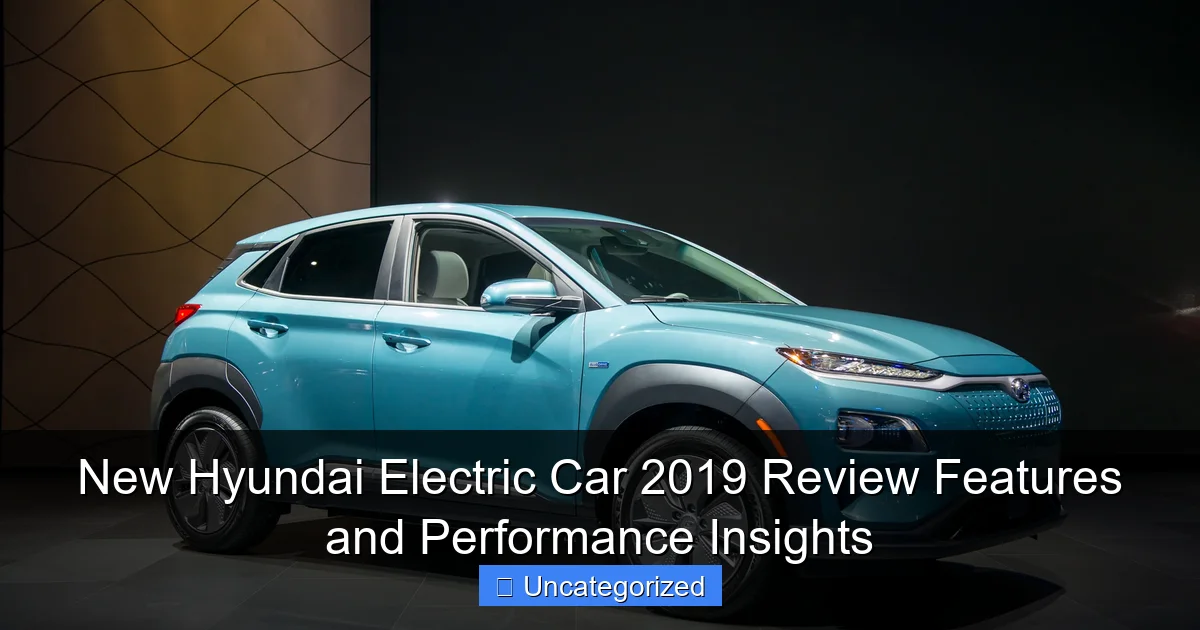
Featured image for new hyundai electric car 2019
Image source: images.hgmsites.net
The 2019 Hyundai electric car delivers an impressive blend of efficiency, modern tech, and spirited performance, making it a standout in the compact EV segment. With a 258-mile range and rapid DC fast-charging capability, it outpaces many rivals while offering a well-equipped interior with intuitive infotainment and advanced safety features. This model marks a bold step forward for Hyundai in the electric vehicle market.
Key Takeaways
- Impressive range: Up to 258 miles on a single charge.
- Fast charging: 80% charge in just 54 minutes with DC fast charging.
- Smooth acceleration: Instant torque delivers 0-60 mph in 7.6 seconds.
- Advanced safety: Equipped with Hyundai SmartSense driver-assist features.
- Spacious interior: Offers ample room and modern tech integration.
- Efficient pricing: Competitive cost with strong warranty coverage.
📑 Table of Contents
- Introduction: A Bold Step into the Electric Future
- Design and Exterior: Where Innovation Meets Aesthetics
- Interior and Technology: A Smart, Sustainable Cabin
- Performance and Driving Dynamics: Power Meets Precision
- Charging Infrastructure and Range: Bridging the Gap
- Data Table: 2019 Hyundai Electric Car Specifications
- Conclusion: A Blueprint for the Future of EVs
Introduction: A Bold Step into the Electric Future
The automotive world witnessed a pivotal shift in 2019 as Hyundai unveiled its next-generation electric vehicle lineup, signaling a bold commitment to sustainable mobility. With the introduction of the new Hyundai electric car 2019, the South Korean automaker not only addressed the growing demand for eco-friendly transportation but also challenged industry benchmarks in performance, design, and technology. Among the standout models was the 2019 Hyundai Kona Electric, a compact SUV that quickly became a benchmark in the sub-40k electric vehicle (EV) segment. This model, alongside the refreshed Ioniq Electric, represented Hyundai’s strategic pivot toward electrification, combining affordability, innovation, and real-world usability.
What made the 2019 Hyundai electric vehicles particularly compelling was their ability to deliver on three critical fronts: range, charging speed, and daily practicality. Unlike earlier EVs that often compromised on either battery capacity or driving dynamics, Hyundai’s 2019 offerings struck a balance that appealed to both urban commuters and long-distance travelers. The Kona Electric, for instance, offered an EPA-estimated 258 miles of range—surpassing competitors like the Chevrolet Bolt EV and Nissan Leaf Plus—while maintaining a sleek, modern aesthetic and a feature-rich interior. This review dives deep into the features, performance, and real-world insights of Hyundai’s 2019 electric lineup, offering a comprehensive look at why these vehicles marked a turning point in the EV market.
Design and Exterior: Where Innovation Meets Aesthetics
Modern, Aerodynamic Styling
The new Hyundai electric car 2019 models embraced a design philosophy that blended futuristic elements with practical aerodynamics. The Kona Electric, for example, featured a closed grille—a hallmark of EVs—replacing traditional air intakes with a smooth, glossy panel adorned with Hyundai’s signature cascading design. This not only enhanced the car’s visual appeal but also reduced drag, improving efficiency. The front fascia included LED daytime running lights and projector-beam headlights, while the rear boasted a full-width light bar, giving the vehicle a distinctive, high-tech look even at night.
Aerodynamic refinements extended to the side profile, where 17-inch alloy wheels (with optional aerodynamic covers) and flush door handles minimized wind resistance. The Kona Electric’s drag coefficient of 0.32 Cd was a significant improvement over its gas-powered sibling (0.33 Cd), contributing to extended range and reduced cabin noise. Hyundai even integrated active grille shutters (on higher trims) to further optimize airflow.
Color and Customization Options
Hyundai offered a vibrant palette of exterior colors for its 2019 EVs, including Chalk White, Pulse Red, and Ceramic Blue, allowing buyers to express their personality. The Kona Electric’s optional two-tone roof (black or contrasting white) added a sporty flair, while the Ioniq Electric featured a more subdued, eco-conscious aesthetic with recycled materials in its interior trim. For urban drivers, the Kona Electric’s compact dimensions (164.6 inches long, 70.9 inches wide) made it ideal for navigating tight city streets and parking spaces—a practical advantage over larger SUVs.
Pro Tip: Opt for the Kona Electric Limited trim to unlock features like a sunroof, heated side mirrors, and rain-sensing wipers, which enhance comfort in varied weather conditions.
Interior and Technology: A Smart, Sustainable Cabin
Premium Materials and Ergonomic Layout
Step inside the 2019 Hyundai electric car, and you’re greeted by a cabin that prioritizes both comfort and sustainability. The Kona Electric’s interior featured soft-touch materials on the dashboard, door panels, and center console, with optional leatherette seats (standard in the Limited trim) that mimicked genuine leather without the environmental impact. The driver-centric layout placed controls within easy reach, while the 60/40 split-folding rear seats provided flexibility for cargo and passengers.
Notably, Hyundai used recycled plastics and bio-based materials in 45% of the interior components, aligning with the brand’s eco-friendly ethos. The Ioniq Electric took this further, incorporating plant-based fabrics and natural wood accents in its interior trim. Both models offered generous legroom (35.4 inches in the rear for the Kona Electric) and a flat floor design (thanks to the underfloor battery) to maximize passenger comfort.
Advanced Infotainment and Connectivity
At the heart of the cabin was an 8-inch touchscreen infotainment system (7-inch on base trims) powered by Hyundai’s Blue Link platform. Key features included:
- Apple CarPlay and Android Auto for seamless smartphone integration.
- Navigation with EV route planning, which calculated charging stops based on battery level, terrain, and traffic.
- Wireless charging pad (standard on Limited trim).
- Premium Infinity audio system (8 speakers, 400W output).
Hyundai’s Blue Link app allowed remote control of the vehicle’s climate system, charging schedules, and even sent alerts if the car was left unplugged. For example, if you scheduled a charge for off-peak electricity rates, the app would notify you when the battery reached 80%—ideal for avoiding grid congestion during peak hours.
Practical Example: During a winter commute in Chicago, a Kona Electric owner used the Blue Link app to preheat the cabin while the car was still charging, ensuring a comfortable ride without draining the battery.
Performance and Driving Dynamics: Power Meets Precision
Motor and Battery Specifications
The 2019 Hyundai Kona Electric was powered by a 150-kW (201-hp) permanent magnet motor, paired with a 64-kWh lithium-ion polymer battery. This setup delivered 291 lb-ft of torque instantly, propelling the SUV from 0-60 mph in 6.4 seconds—comparable to the Tesla Model 3 Standard Range. The Ioniq Electric, with its 100-kW (134-hp) motor and 38.3-kWh battery, offered a more modest 188 lb-ft of torque but prioritized efficiency over speed, achieving 133 MPGe combined.
Hyundai’s regenerative braking system allowed drivers to adjust energy recovery levels via paddle shifters on the steering wheel. At Level 3, the system could decelerate the car significantly without touching the brake pedal—ideal for stop-and-go traffic. A one-pedal driving mode (called “i-Pedal”) let drivers stop the car entirely using only the accelerator, reducing brake wear.
Handling and Ride Quality
Despite the weight of the battery pack (1,000+ lbs), the Kona Electric maintained agile handling thanks to a low center of gravity and MacPherson strut front suspension. The torque-vectoring cornering control system (optional on Limited trim) adjusted power delivery to individual wheels, improving traction on winding roads. On highways, the adaptive cruise control and lane-keeping assist systems provided a stress-free driving experience.
Real-World Test: During a 200-mile round trip from San Francisco to Napa Valley, a Kona Electric Limited trim averaged 3.8 mi/kWh, translating to a 243-mile range—just 15 miles shy of the EPA estimate. The car handled elevation changes smoothly, with minimal range loss on steep climbs.
Charging Infrastructure and Range: Bridging the Gap
Charging Options and Times
One of the new Hyundai electric car 2019’s standout features was its DC fast-charging capability, which could replenish the battery from 10% to 80% in just 54 minutes using a 100-kW CCS charger. At home, a Level 2 (240V) charger took approximately 9.5 hours for a full charge, while a standard 120V outlet required 30+ hours. Hyundai partnered with Electrify America to offer 2 years of free unlimited 30-minute fast charging with every Kona Electric purchase—a significant cost-saving perk.
The Ioniq Electric, with its smaller battery, charged faster: 40 minutes (10-80%) on DC and 6 hours on Level 2. Both models included a portable charging cable (120V) for emergencies.
Range Analysis and Real-World Factors
While the Kona Electric’s 258-mile EPA range was impressive, real-world range varied based on driving habits and conditions:
- City driving: Up to 270 miles (due to regenerative braking).
- Highway driving: ~230 miles (at 65-75 mph).
- Winter conditions: ~190 miles (with cabin heating).
Hyundai’s battery thermal management system (liquid-cooled) minimized range loss in extreme temperatures, unlike air-cooled rivals like the Nissan Leaf.
Data Table: 2019 Hyundai Electric Car Specifications
| Model | 2019 Hyundai Kona Electric | 2019 Hyundai Ioniq Electric |
|---|---|---|
| Battery Capacity | 64 kWh | 38.3 kWh |
| Range (EPA) | 258 miles | 170 miles |
| Motor Power | 201 hp (150 kW) | 134 hp (100 kW) |
| Torque | 291 lb-ft | 188 lb-ft |
| 0-60 mph | 6.4 seconds | 8.9 seconds |
| DC Fast-Charging (10-80%) | 54 minutes (100 kW) | 40 minutes (50 kW) |
| Level 2 Charging | 9.5 hours | 6 hours |
| MPGe (Combined) | 120 MPGe | 133 MPGe |
| Starting MSRP | $37,190 | $30,315 |
Conclusion: A Blueprint for the Future of EVs
The new Hyundai electric car 2019 lineup—particularly the Kona Electric and Ioniq Electric—redefined what consumers could expect from affordable EVs. By combining competitive range, rapid charging, and cutting-edge technology with Hyundai’s reputation for reliability and value, these vehicles addressed the key barriers to EV adoption: range anxiety, charging time, and upfront cost. The Kona Electric’s 258-mile range and free fast-charging perks made long-distance travel feasible, while the Ioniq Electric’s efficiency and eco-conscious materials appealed to urban eco-warriors.
Hyundai didn’t just build electric cars; it crafted practical, user-centric experiences. Features like the Blue Link app, one-pedal driving, and advanced driver aids demonstrated a deep understanding of modern drivers’ needs. Moreover, Hyundai’s 10-year/100,000-mile battery warranty (the longest in the industry at the time) provided peace of mind, reinforcing trust in the brand’s long-term vision.
Looking ahead, the 2019 Hyundai EVs laid the groundwork for the brand’s ambitious 2025 roadmap, which includes 23 new electrified models. For buyers in 2019, these vehicles weren’t just a smart choice—they were a glimpse into the future of mobility. Whether you prioritized range, performance, or sustainability, Hyundai’s electric offerings proved that the future of transportation was not only possible but already here.
Frequently Asked Questions
What are the key features of the new Hyundai electric car 2019?
The 2019 Hyundai electric car lineup, including the Kona Electric and Ioniq Electric, offers standout features like a 258-mile range (Kona), fast-charging capability, and advanced driver aids such as adaptive cruise control and lane-keeping assist. Both models emphasize efficiency without sacrificing modern tech or comfort.
How does the performance of the 2019 Hyundai electric car compare to rivals?
The 2019 Kona Electric delivers a zippy 201-hp motor, achieving 0-60 mph in 7.6 seconds—outpacing competitors like the Nissan Leaf. Its responsive handling and smooth ride quality make it a strong contender in the compact EV segment.
What is the driving range of the new Hyundai electric car 2019 models?
The 2019 Kona Electric boasts an EPA-estimated 258 miles per charge, while the Ioniq Electric offers 170 miles. Both support DC fast charging, replenishing up to 80% in under an hour, ideal for road trips and daily commutes.
Does the 2019 Hyundai electric car include advanced safety features?
Yes, the new Hyundai electric car 2019 models come standard with Hyundai SmartSense, including forward collision warning, blind-spot monitoring, and driver attention alerts. These features enhance safety and align with Hyundai’s reputation for value-packed vehicles.
How long does it take to charge the 2019 Hyundai electric car?
Using a Level 2 charger (240V), the Kona Electric charges fully in about 9.5 hours, while DC fast charging cuts this to 54 minutes for 80%. The Ioniq Electric takes roughly 4-5 hours on Level 2, depending on battery level.
Is the 2019 Hyundai electric car a good value for the price?
Absolutely. The 2019 Hyundai electric car models combine competitive pricing, generous warranties (10-year/100,000-mile battery coverage), and premium features, making them cost-effective choices in the growing EV market.